Water Damage Restoration in Princeton
A spreading puddle changes what happens next. Princeton properties need the source stopped, affected rooms assessed and trapped moisture addressed before flooring or walls can be put back together.
(888) 527-9134Discuss the wet roomsThe visible spill is the starting point; adjoining materials need attention before the cleanup is complete.
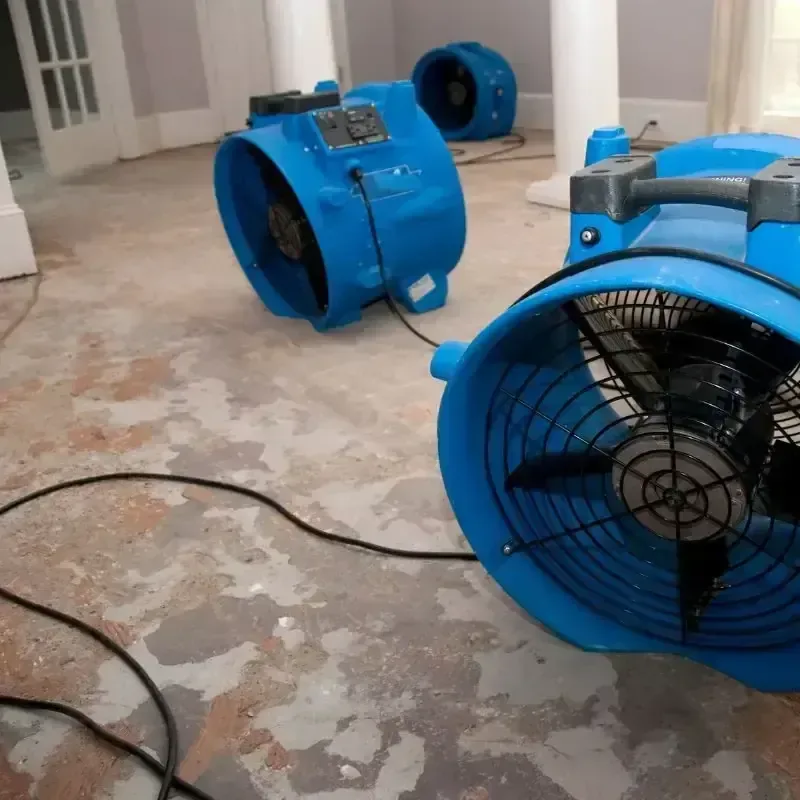
From a wet cabinet to flooded rooms
The source and the materials beneath the water shape the work. Select the problem that most closely matches the damage for a focused explanation.
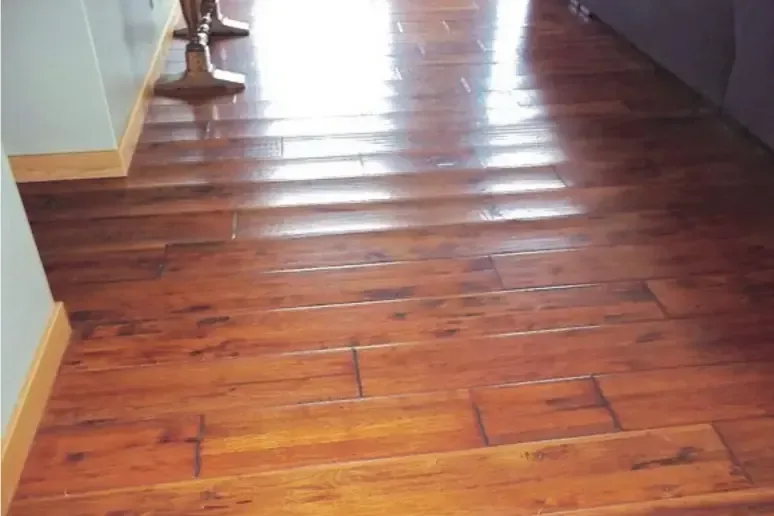
Water Extraction
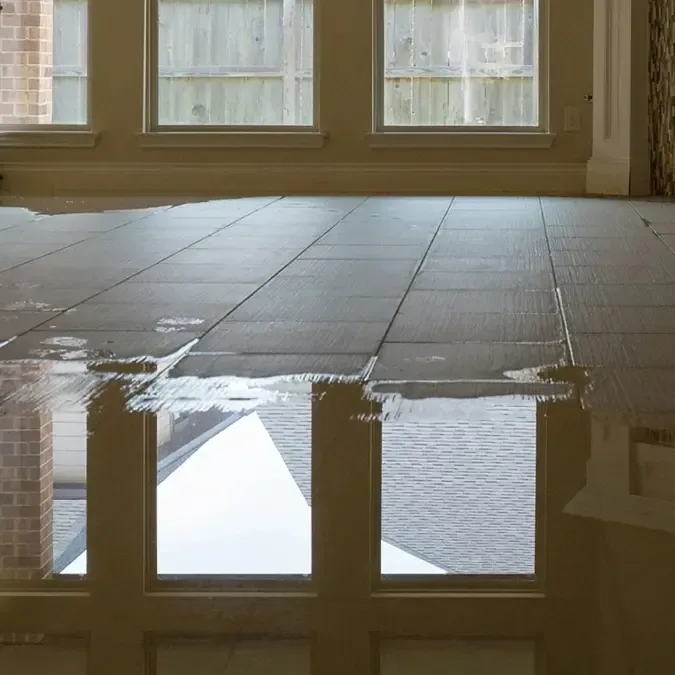
Remove pooled water while checking thresholds, carpet backing and concealed pockets beside the spill.
water extraction details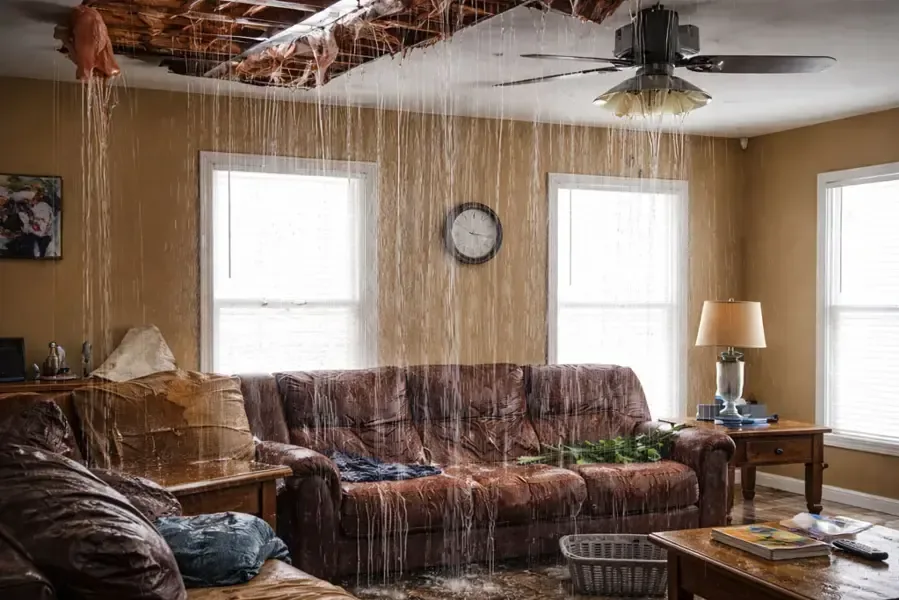
Burst Pipe Water Damage
Trace a sudden plumbing release through wall cavities and into the rooms beneath it.
burst pipe water damage details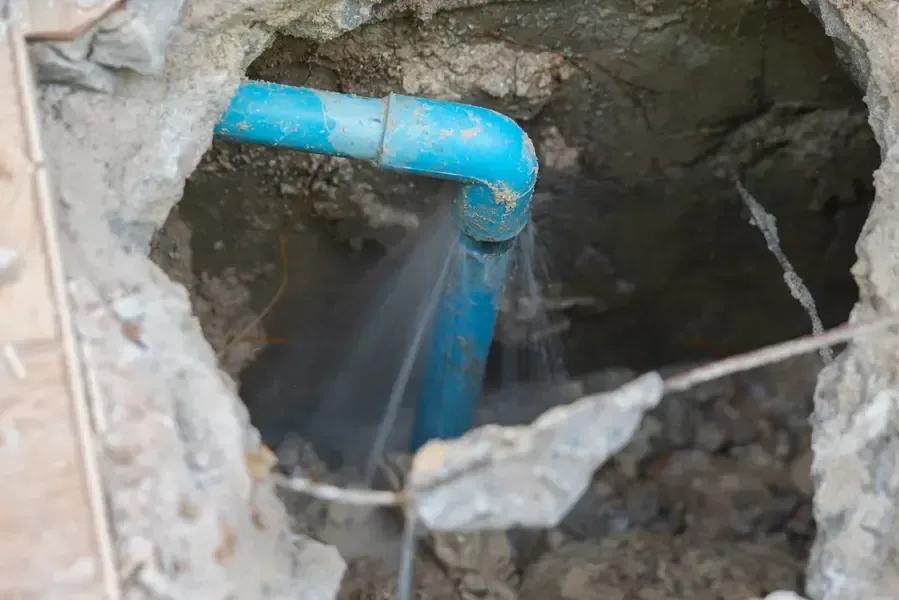
Slab Leak Water Damage
Separate pipe repair access from the moisture trapped beneath finished floors and surrounding partitions.
slab leak water damage details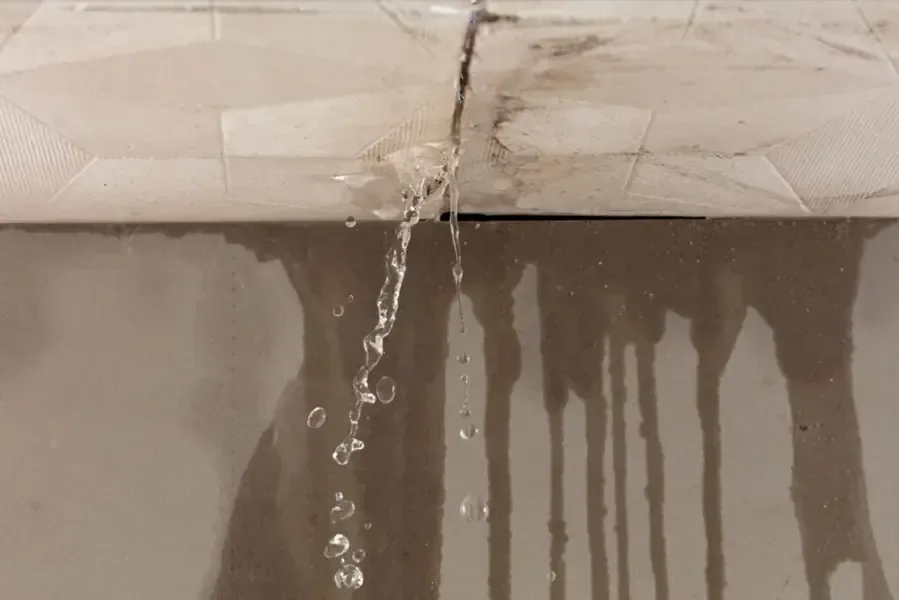
Ceiling Leak Water Damage
Assess softened overhead materials before planning safe access, removal and drying above the room.
ceiling leak water damage details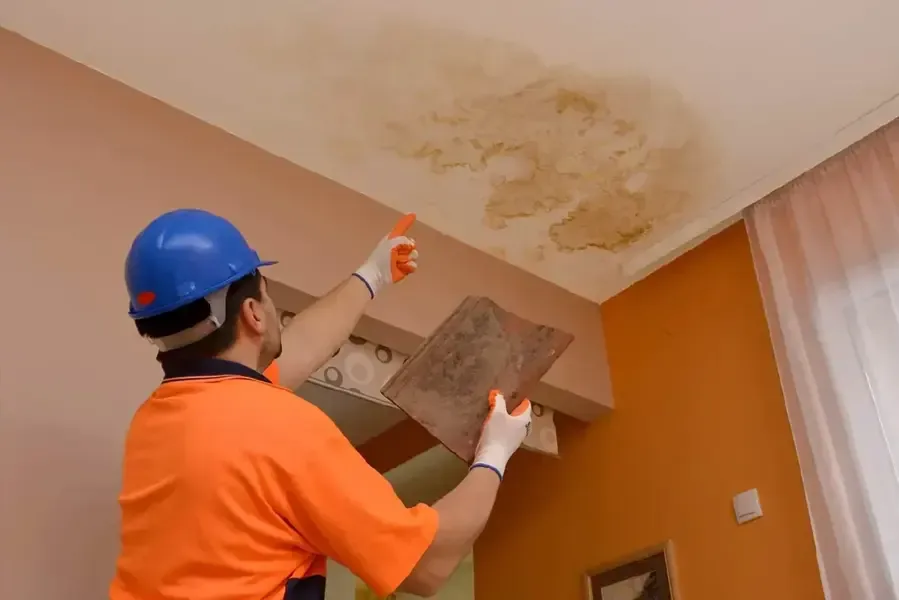
Roof Leak Water Damage
Follow rainwater from its entry point to attic insulation and interior ceiling damage.
roof leak water damage details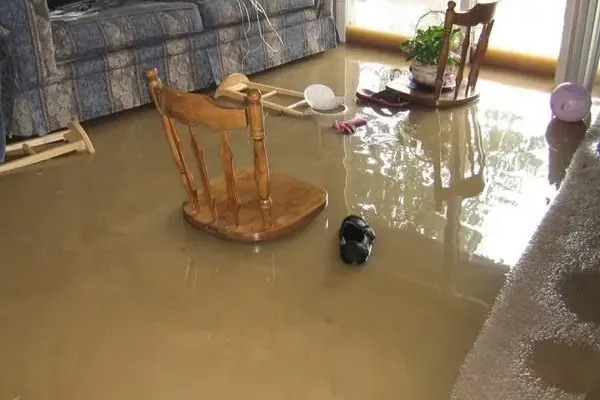
Storm Flood Cleanup
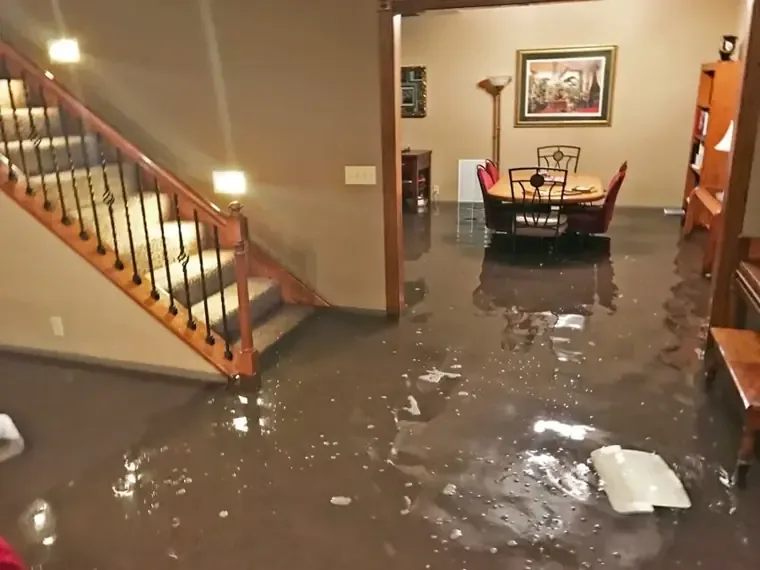
Address outside water, sediment and affected porous finishes with a contamination-aware cleanup sequence.
storm flood cleanup details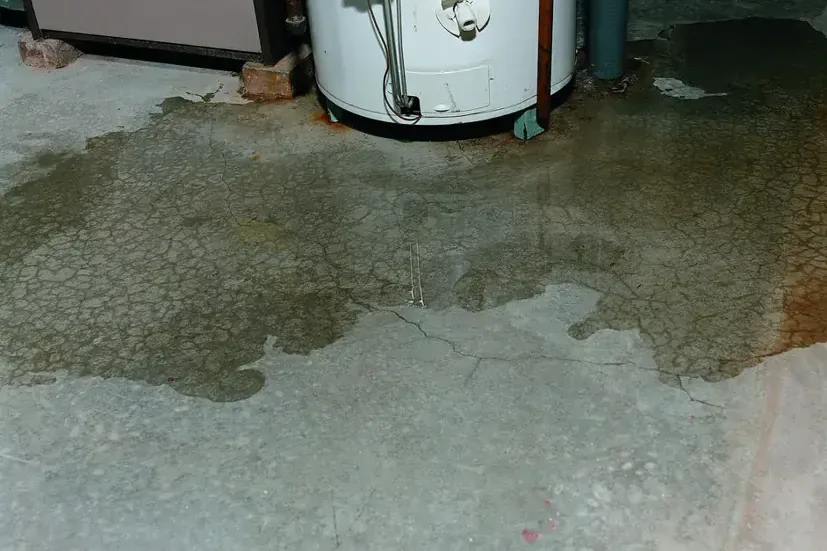
Water Heater Leak Cleanup
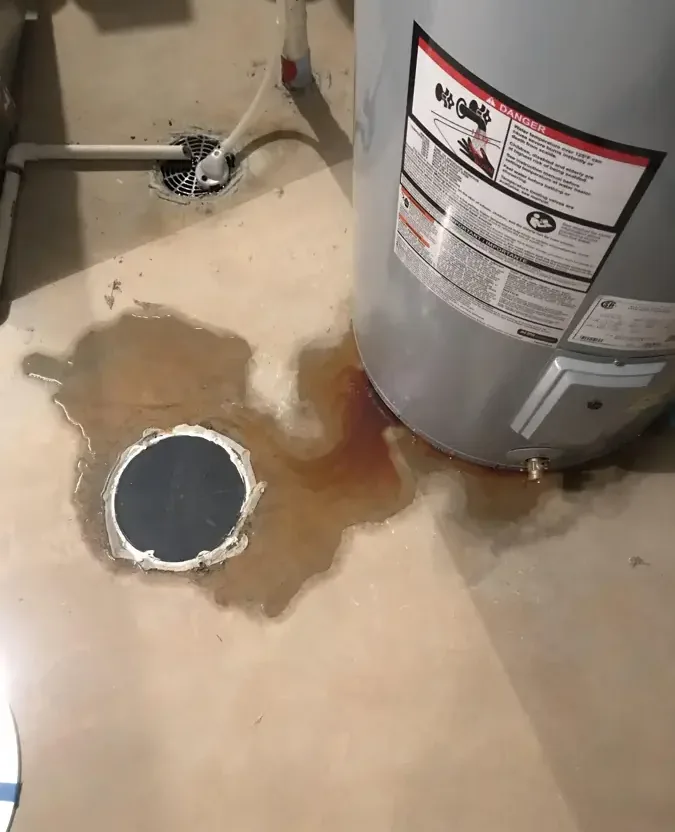
Check the tank enclosure, adjoining baseboards and flooring after the water supply is controlled.
water heater leak cleanup details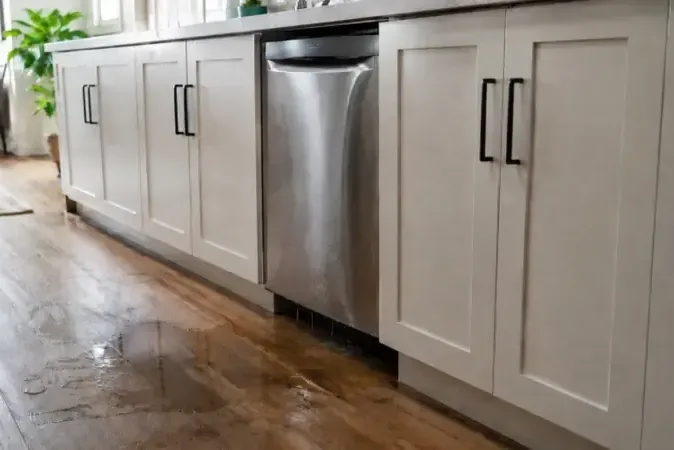
Appliance Leak Water Damage
Expose moisture hidden behind appliance feet, cabinet bases and seams in kitchen flooring.
appliance leak water damage details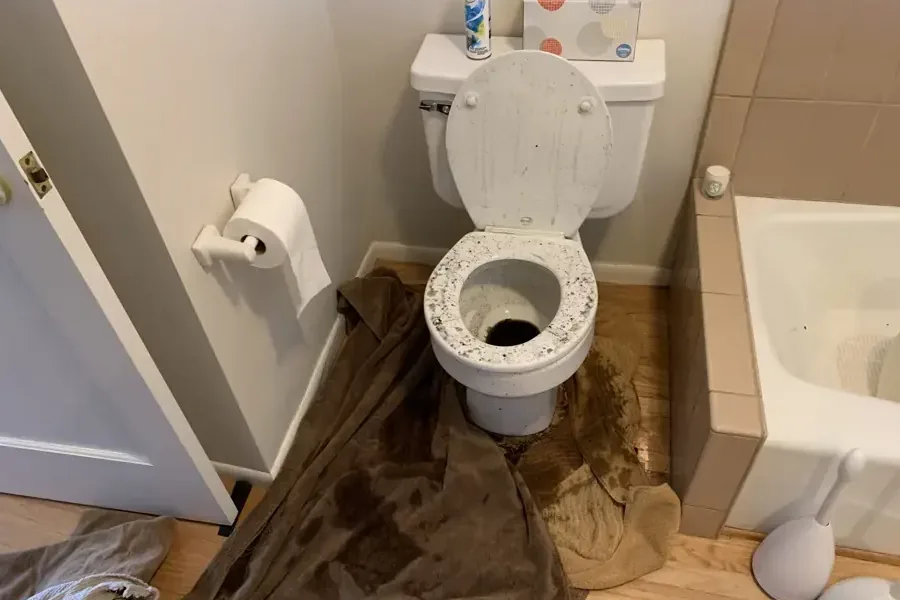
Toilet Overflow Cleanup
Distinguish tank water from bowl contamination before choosing bathroom cleaning and removal methods.
toilet overflow cleanup details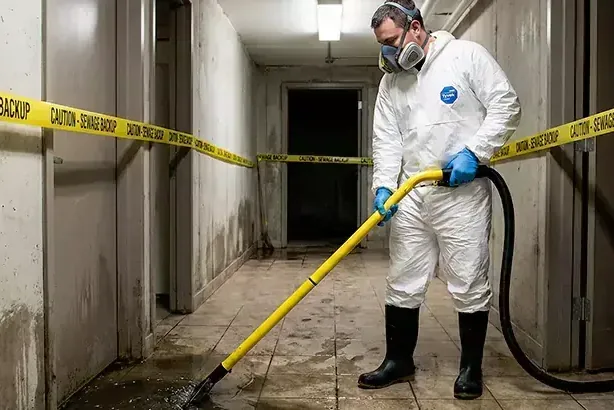
Sewage Backup Cleanup
Isolate wastewater exposure and organize safe removal before cleaned structural surfaces begin drying.
sewage backup cleanup details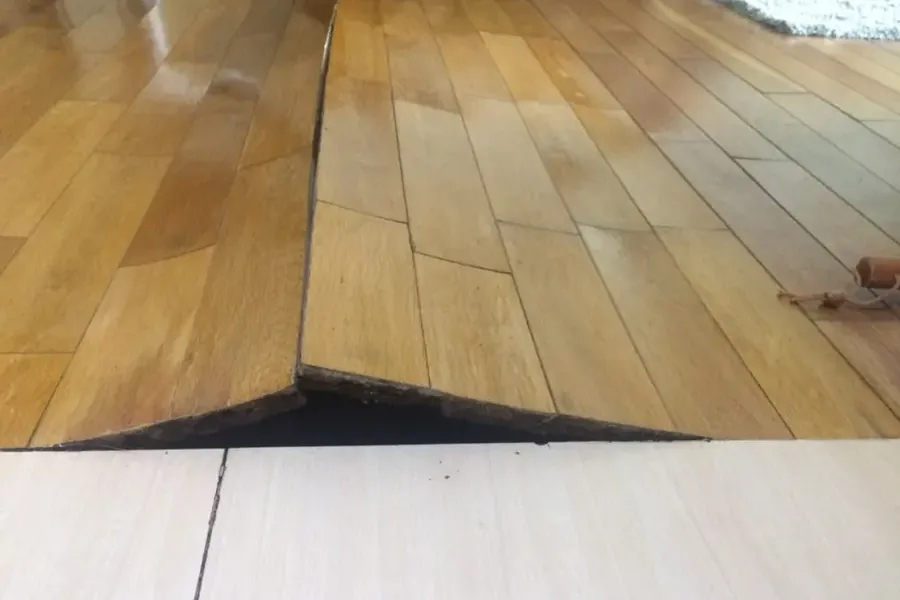
Hardwood Floor Water Damage
Evaluate board movement and moisture below the surface before deciding what can remain.
hardwood floor water damage details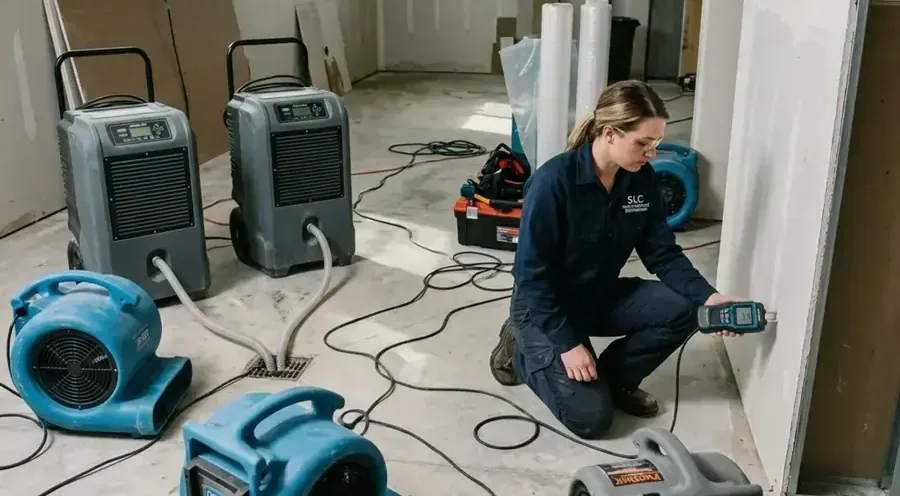
Structural Drying
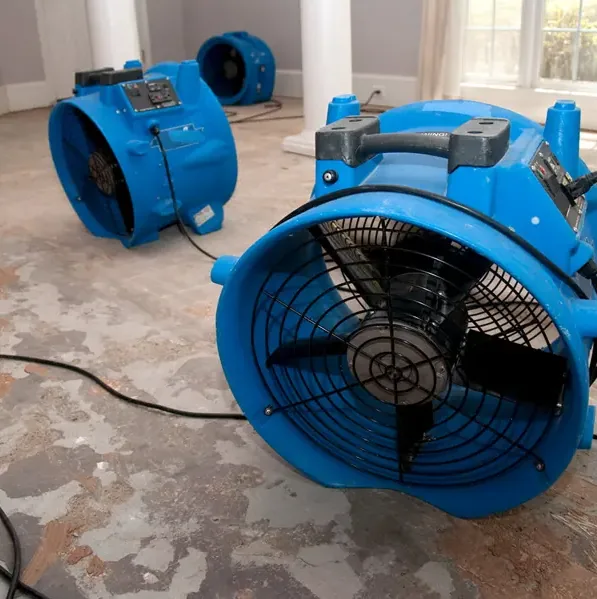
Track moisture inside affected building materials and adjust drying equipment around measurable progress.
structural drying details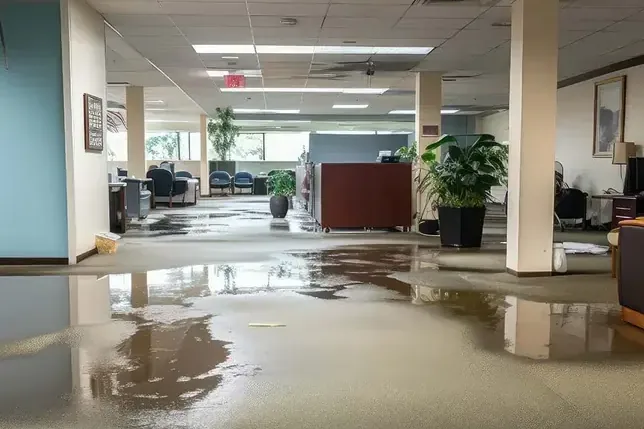
Commercial Water Damage
Coordinate access, contents protection and drying zones around the needs of occupied workspaces.
commercial water damage details
Frozen Pipe Water Damage
Watch for newly revealed leaks as frozen plumbing thaws and water pressure returns.
frozen pipe water damage details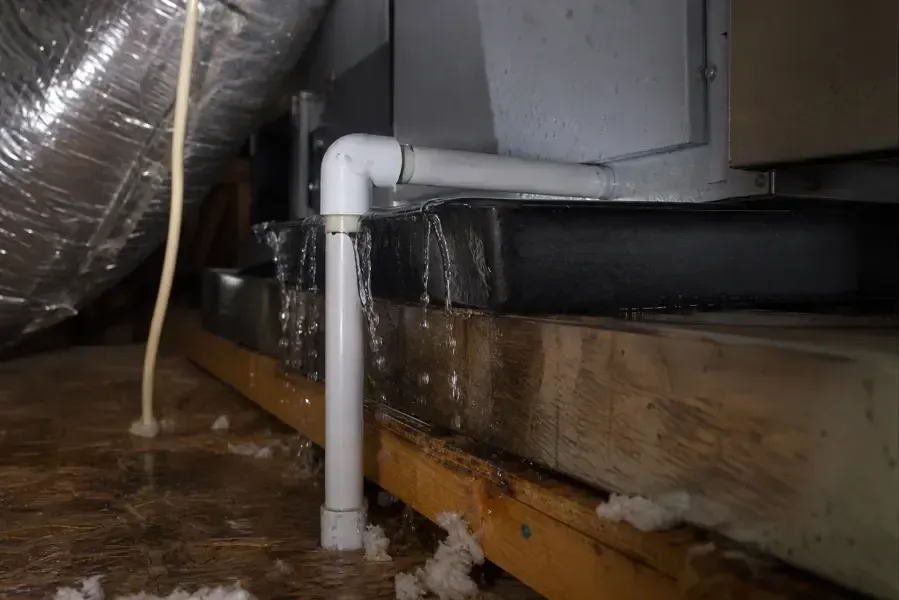
AC Leak Water Damage
Trace overflowing condensate through equipment closets, attic platforms and the ceiling materials below.
AC leak water damage detailsMake the next action a safe one
- 1
Stay outside hazards
Avoid rooms with sagging ceilings, wet electrical equipment or wastewater spreading across the floor.
- 2
Control accessible water
Close a reachable supply valve only from a dry position without approaching electrical hazards.
- 3
Keep a clear record
Photograph the visible source and affected belongings from safe ground before anything is moved.
- 4
Separate dry possessions
Move unaffected portable items away from damp flooring when access remains safe and contamination absent.
- 5
Describe the spread
Report which rooms are wet, whether water continues entering and any access restrictions at the property.
Removal, access and drying have different jobs
Extraction clears liquid water. Openings provide access to wet layers. Drying removes retained moisture. Each stage answers a different question, and the next step depends on the condition found inside.
- 1
Define the loss
Identify water origin, affected rooms and safety concerns before moving equipment through the property or disturbing damaged finishes.
- 2
Reach wet layers
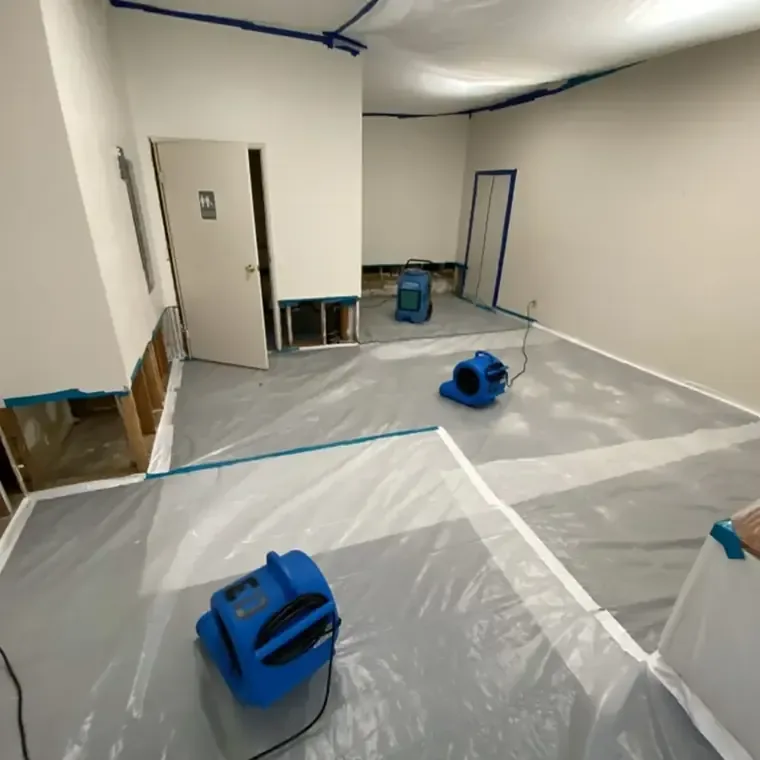
Remove water and assess materials that prevent access to damp cavities, insulation or flooring below the surface.
- 3
Manage evaporation
Position drying equipment around the exposed materials and monitor humidity alongside repeated readings from the affected structure.
- 4
Prepare the handoff
Document remaining repairs and the condition of dried materials before reconstruction closes walls, ceilings or floor assemblies.
Source clarity
Separate a continuing plumbing problem from water already trapped in building materials before planning the cleanup.
Measured boundaries
Check adjoining surfaces to establish where the damage ends instead of relying on the visible stain.
Useful records
Keep photographs, material observations and moisture readings together so repair decisions follow the condition of the property.
Repair readiness
Explain the remaining access and drying requirements before replacement finishes cover the affected structure again.
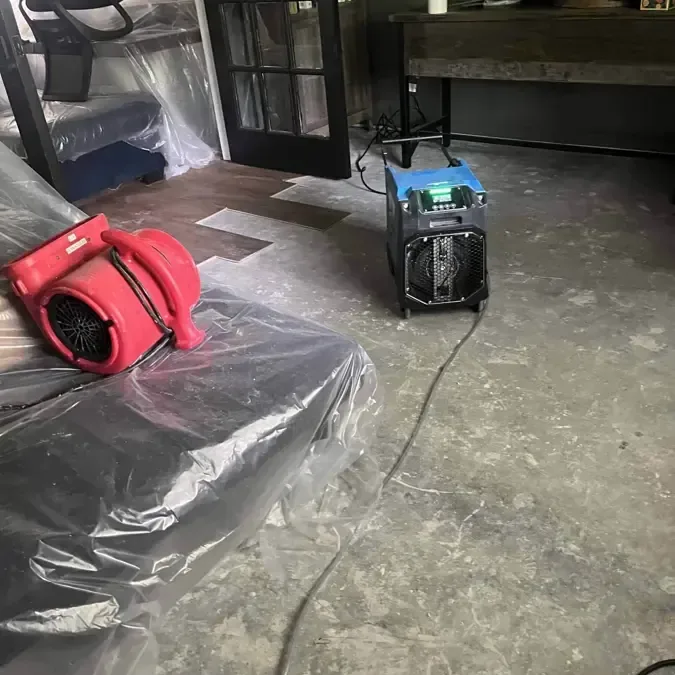
A smaller puddle can hide more
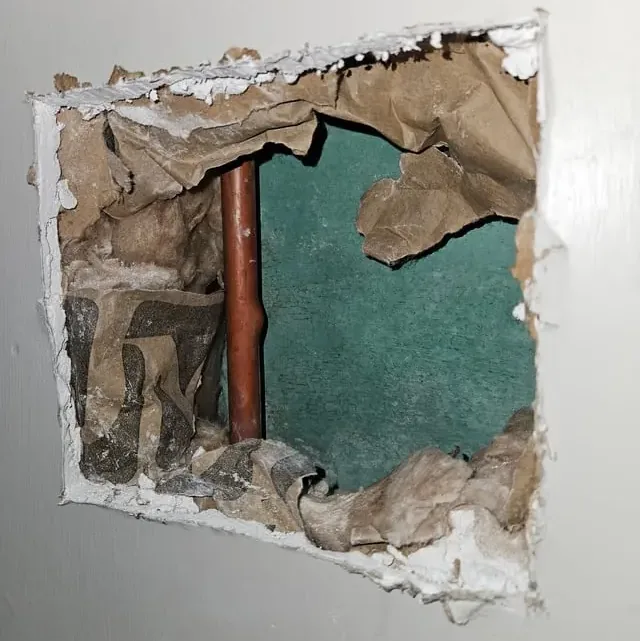
Cabinet bases, floor seams and wall edges can retain moisture after the open floor looks clear. A useful assessment follows those pathways and explains which materials need access, drying or replacement.
The cleanup changes with the source
Supply escape
A pipe release can begin with treated water, but time and contact with dirty materials affect the cleanup approach.
Remove pooled waterUsed appliance water
Dishwasher discharge and washing machine leaks need source assessment before soaked finishes are considered suitable for drying.
Check appliance damageWastewater entry
Toilet bowl overflow and sewage backups require controlled access, handling and cleaning before exposed building materials dry.
Address wastewater exposureWhat changes a Princeton restoration estimate?
The affected layers matter as much as the wet floor area. A contained spill with accessible materials requires different work from concealed saturation, contaminated water or damage extending through several rooms and assemblies.
- Accessible wet surfaces
- Limited removal
- Focused drying setup
- Wet wall cavities
- Flooring access
- Broader equipment placement
- Multiple affected layers
- Contamination handling
- Complex drying access
These planning ranges depend on the actual loss. The written scope should distinguish mitigation work, plumbing or roof repairs, and reconstruction so each cost has a clear purpose.
Explain what happened and what changed
Photographs and dated notes help organize a claim discussion. Record the source, rooms affected and steps taken to prevent additional damage while the insurer considers the policy and circumstances.
- Photograph the source from safe ground
- List affected belongings by room
- Retain invoices for emergency work
- Record when the leak was discovered
- Save moisture records with repair estimates
Planning work without a claim
A written scope also helps an owner paying directly. Separate necessary water removal and drying from optional finish changes so the immediate damage receives clear priority.
Ask which materials can remain, which need removal and what must happen before rebuilding. Changes to the scope should identify the condition that made additional work necessary.
Access and equipment serve different parts of recovery
Describe the location and the affected rooms
Neighborhoods and routes
ZIP area
Other service areas
Helpful details for the first conversation
A property in Creekview or Cypress Bend may have water visible in one room while adjoining materials remain wet. Describe the actual spread and whether the source is still active.
Mention gated access, occupied rooms and any unsafe areas. Extraction details and drying information explain how those observations affect the work.
(888) 527-9134Describe access and damagePlan before you call
Community water-damage coverage
Understand the next cleanup decision
Read water-damage articles about source control, wet materials and the records that support a repair plan.
Different water pathways need separate attention
Tickey Creek drains into Lavon Lake, while household leaks begin inside the property. Understanding where water entered helps separate outside contamination from plumbing repairs and the interior materials needing attention.
February 24, 2022: Princeton issued an overnight refreezing warning with advice to protect pipes. Cold-weather preparation includes locating accessible shutoffs before a leak interrupts normal use.
- Storm drain obstruction: City watershed guidance warns that litter and debris can block drains. Keep drainage openings clear when conditions permit safe access.
- Floodplain planning: Sister Grove Creek is identified in city floodplain information. Property-specific map checks help owners plan permitted work affecting floodplain areas.
- Kitchen disposal habits: Fats, oils and grease can solidify inside plumbing. Keeping cooking waste out of drains reduces material available to obstruct wastewater flow.
- Hidden wet layers: A small surface stain can sit over saturated insulation or flooring. Trace the source and assess adjacent materials before cosmetic repairs begin.
- Inspection access: Construction subject to permit inspections must remain accessible until approval. Coordinate openings and reconstruction so required checks can still reach the work.
Questions after water appears
1What belongs in the first damage report?
Include where water appeared, whether the flow continues and which finishes are wet. Mention sewage, electrical concerns or ceiling movement immediately so access and cleanup planning account for those hazards.
2Can a dry-looking floor still need attention?
Yes. Water can remain beneath floor coverings and behind baseboards after the surface clears. Material readings and selective access establish whether the underlying assembly still needs drying before repairs proceed.
3Does the city publish floodplain information?
Princeton provides interactive floodplain maps and directs residents to FEMA's Flood Map Service Center. A property-specific map check supports planning, while the condition inside the building determines the cleanup scope.
4Should every wet item be discarded?
Material type, contamination and physical condition determine what can stay. Some accessible surfaces can be cleaned and dried; damaged porous layers may require removal to reach moisture and complete appropriate cleaning.
5What if the water came from a toilet?
Keep people and pets away from the affected bathroom. Describe whether the tank leaked or the bowl overflowed, since wastewater contact changes cleaning requirements and the handling of absorbent materials.
6Who decides whether insurance pays?
The insurer evaluates coverage under the policy and reported circumstances. Photos, invoices and a clear account of the event support that discussion; the restoration scope explains the work needed at the property.
7Can repairs cover the opened wall immediately?
Wet framing needs assessment before enclosure, and permitted work may need inspection access. City requirements call for inspectable work to remain exposed until approval, so reconstruction should follow the relevant checks.
8How is the drying endpoint determined?
Repeated readings from affected materials are compared with appropriate dry references. Equipment placement can change as the structure dries, and completion depends on material condition rather than how long fans have operated.
9What preparation helps before freezing weather?
Locate the water shutoff and identify exposed plumbing that needs protection. The city's February 2022 advisories included pipe protection advice; safe preparation makes source control easier if a thaw reveals a leak.
Unsure which service fits?
Describe the source, visible damage and rooms affected. Those details help identify the cleanup priorities and the safest next action.
(888) 527-9134Explain the water problemPut the visible damage into a workable plan
Describe the water source and affected spaces to discuss removal, material access and the next steps toward repair.