Water Damage Restoration in Van Alstyne
A spreading puddle can hide a much larger wet area beneath flooring. Van Alstyne property owners can arrange extraction, contamination cleanup and measured drying around the source and affected building materials.
(888) 527-9134Discuss the wet roomsKeep occupants away from unstable ceilings and wet electrical equipment while safe access and water shutoff are arranged.
Start with what changed inside the property
A tank puddle, soaked ceiling and backed up drain need different responses. These service pages explain the affected materials, safe first actions and practical cleanup decisions.
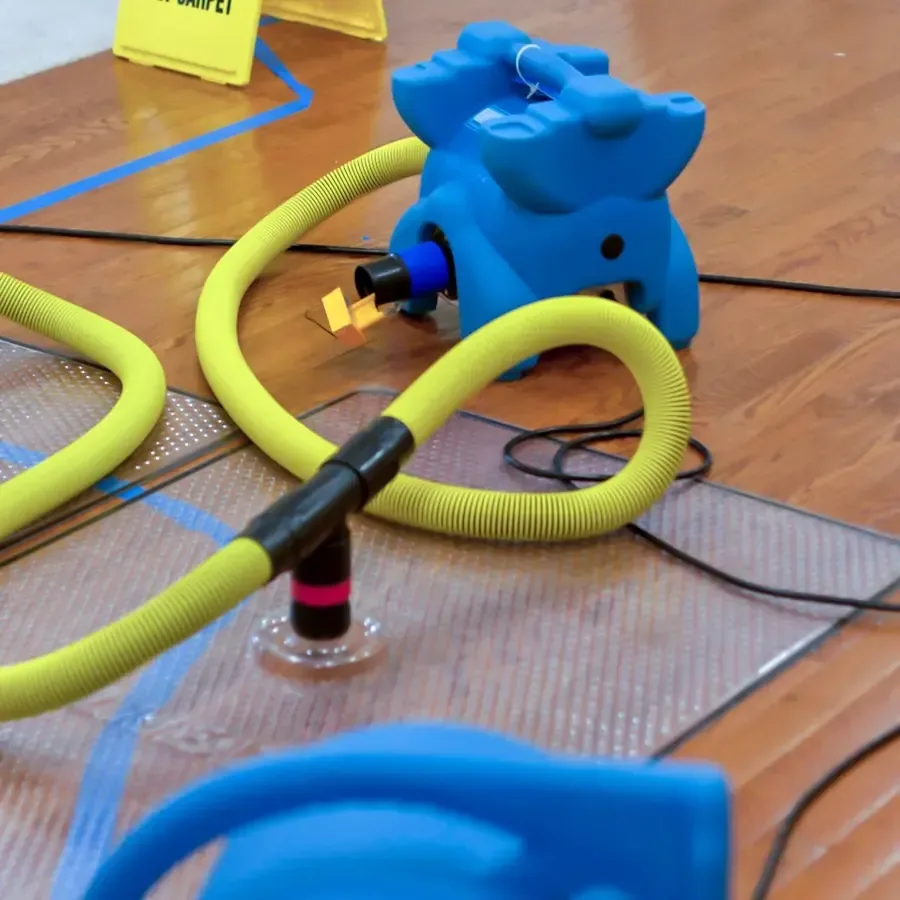
Water Extraction
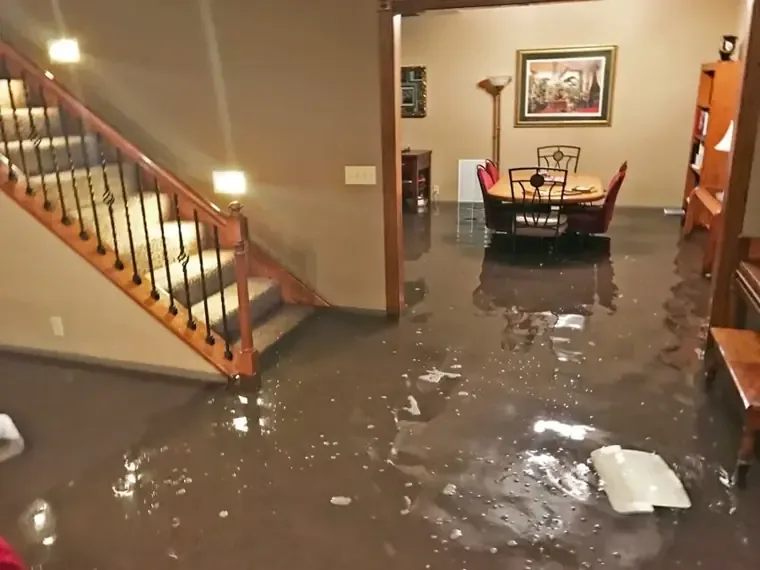
Standing water needs removal before equipment can dry the materials underneath the visible puddle.
water extraction details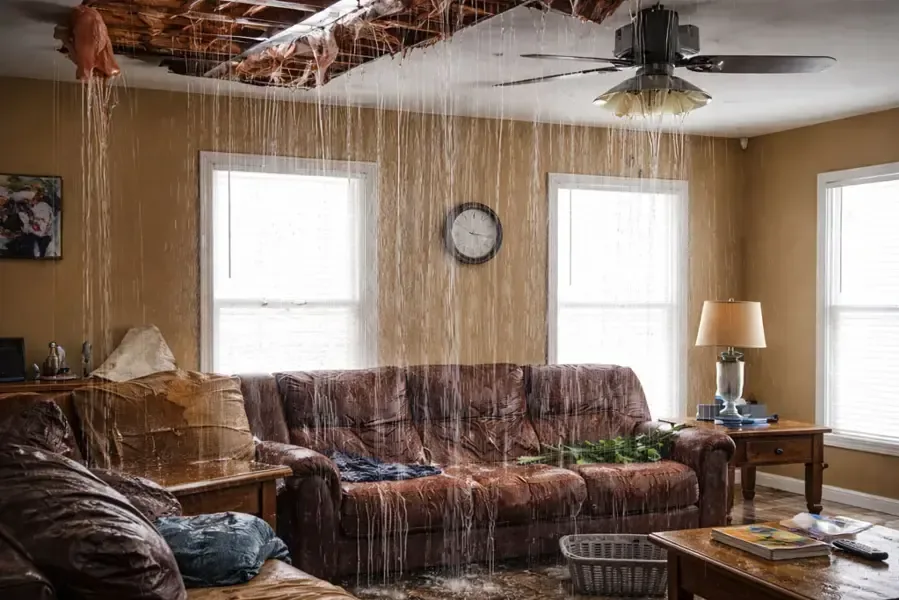
Burst Pipe Water Damage
A broken supply pipe can wet several rooms while the nearest floor still looks dry.
burst pipe water damage details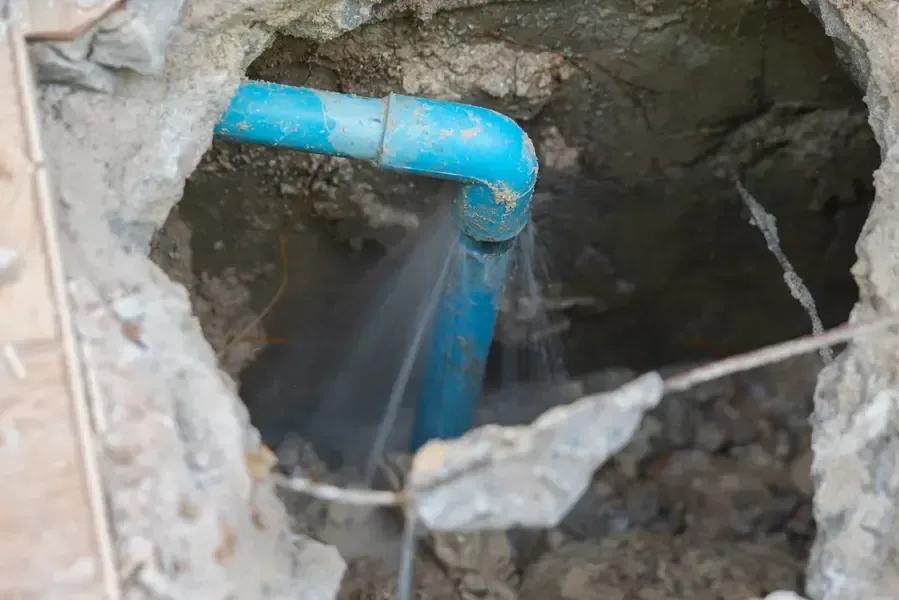
Slab Leak Water Damage
Damp flooring above concrete needs plumbing diagnosis alongside checks of underlayment and adjoining wall bases.
slab leak water damage details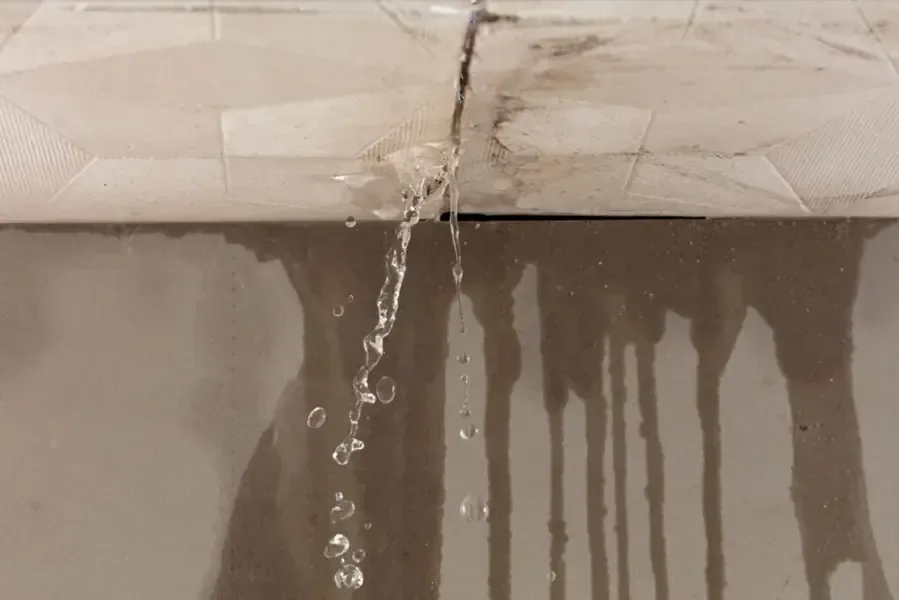
Ceiling Leak Water Damage
A ceiling stain deserves an overhead inspection before painting conceals moisture in the cavity.
ceiling leak water damage details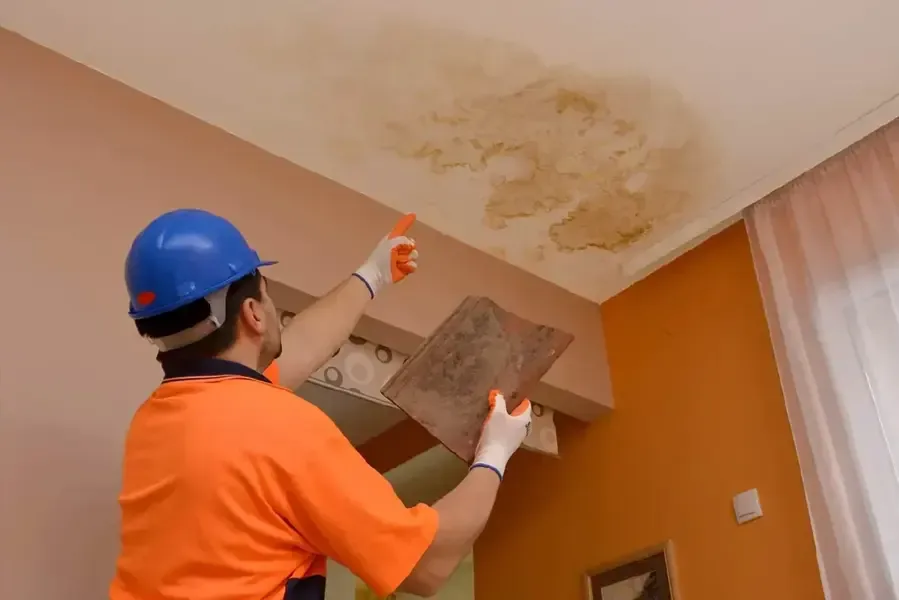
Roof Leak Water Damage
Rain entry can leave attic insulation saturated after the visible ceiling drip has stopped.
roof leak water damage details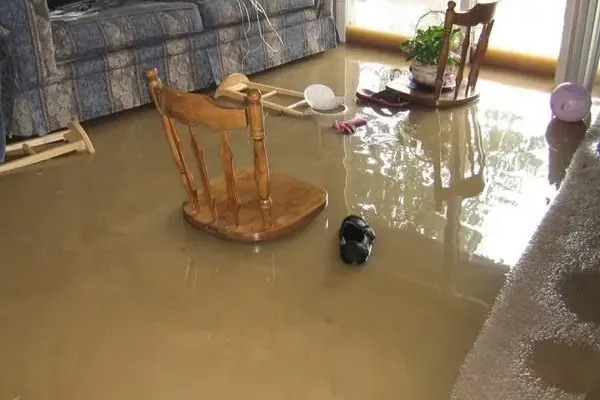
Storm Flood Cleanup
Outside water brings sediment indoors and changes which porous materials can reasonably remain installed.
storm flood cleanup details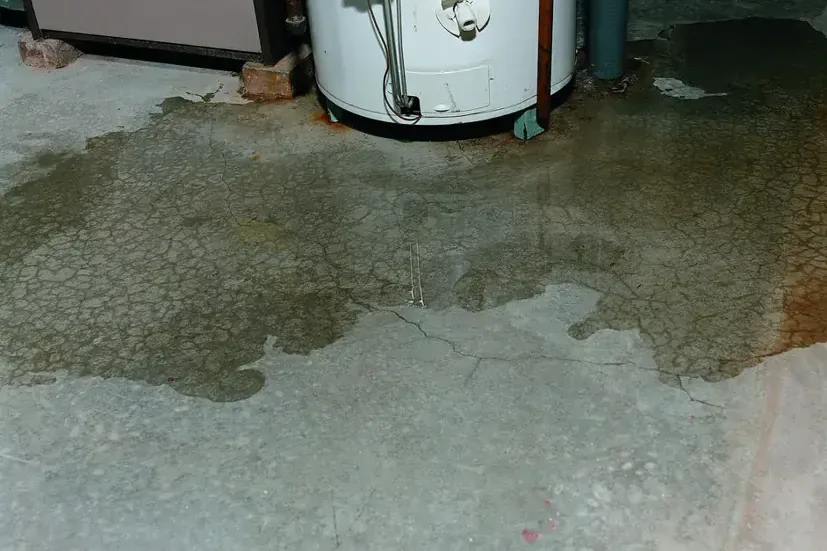
Water Heater Leak Cleanup
Tank water can travel beneath closet partitions and spread beyond the equipment footprint.
water heater leak cleanup details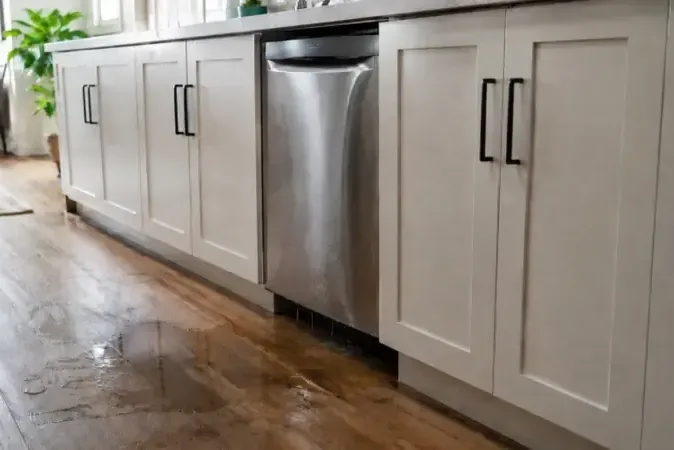
Appliance Leak Water Damage
Dishwasher and washer connections can wet cabinet bases long before a puddle becomes obvious.
appliance leak water damage details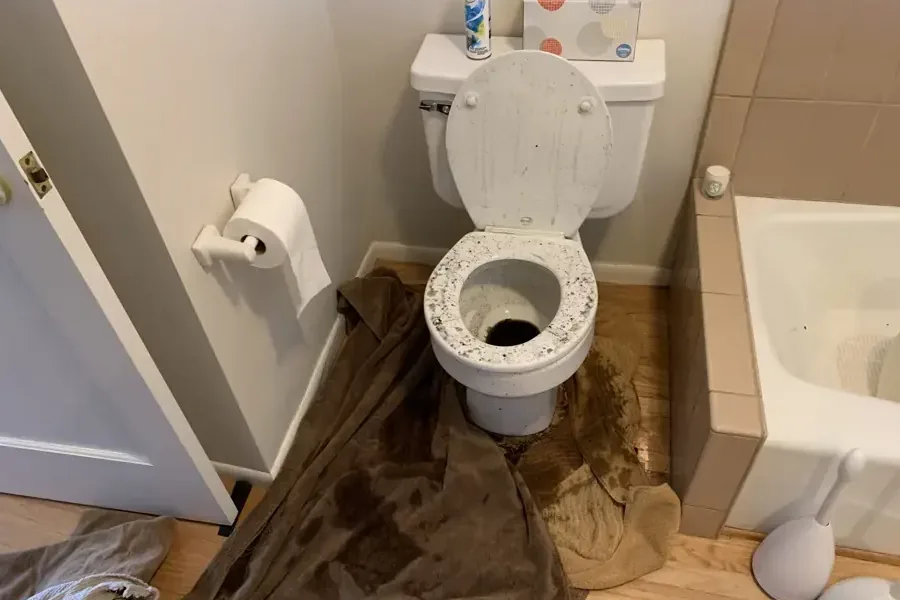
Toilet Overflow Cleanup
Water from a toilet bowl requires different handling from a broken clean tank connection.
toilet overflow cleanup details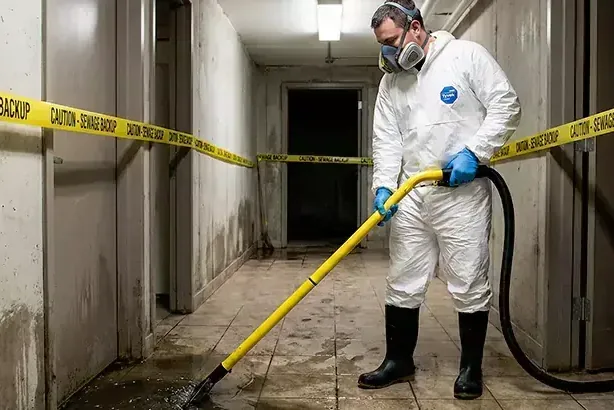
Sewage Backup Cleanup
Restricted access and controlled removal protect surrounding rooms during a contaminated wastewater cleanup.
sewage backup cleanup details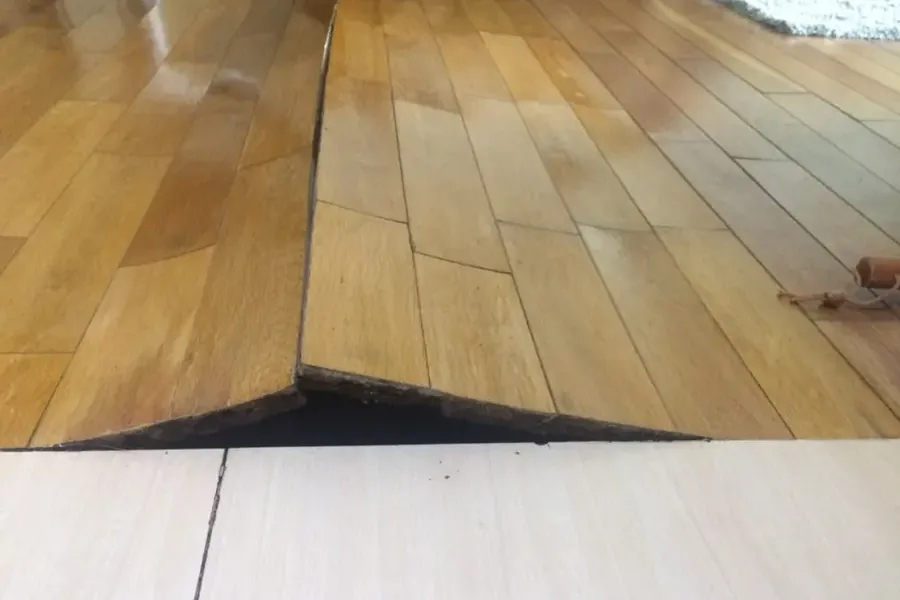
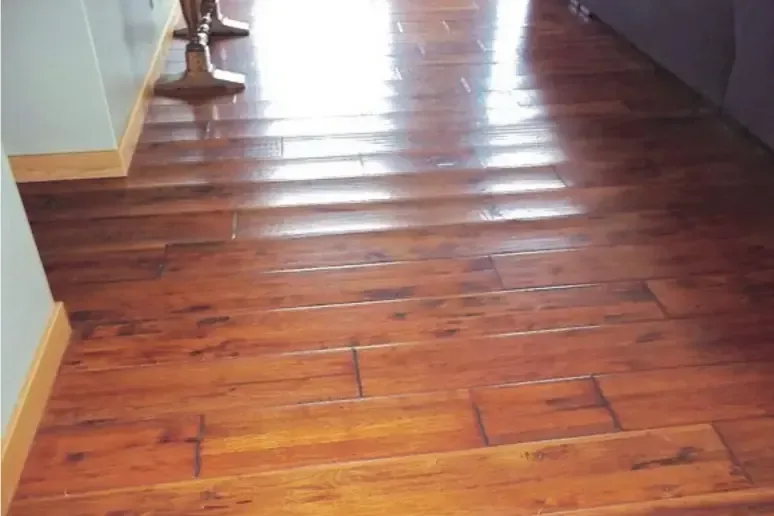
Hardwood Floor Water Damage
Cupped boards need moisture comparisons through the floor assembly before refinishing decisions.
hardwood floor water damage details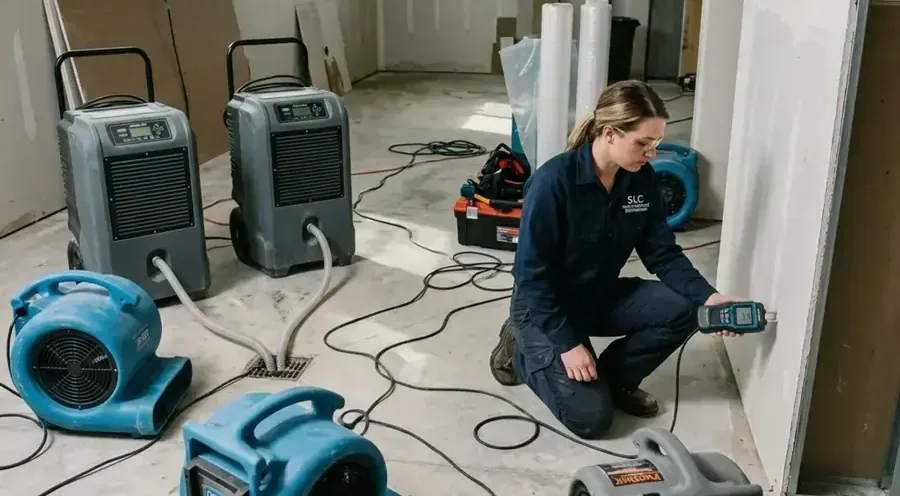
Structural Drying
Repeated measurements show whether wall cavities and framing are progressing toward documented drying goals.
structural drying details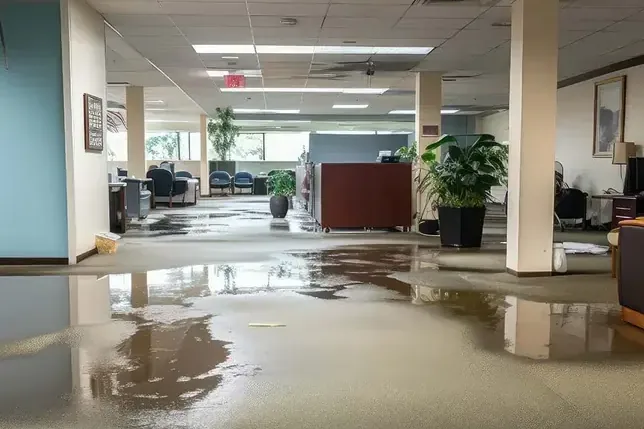
Commercial Water Damage
Water in occupied business rooms requires organized access, protected contents and coordinated drying zones.
commercial water damage details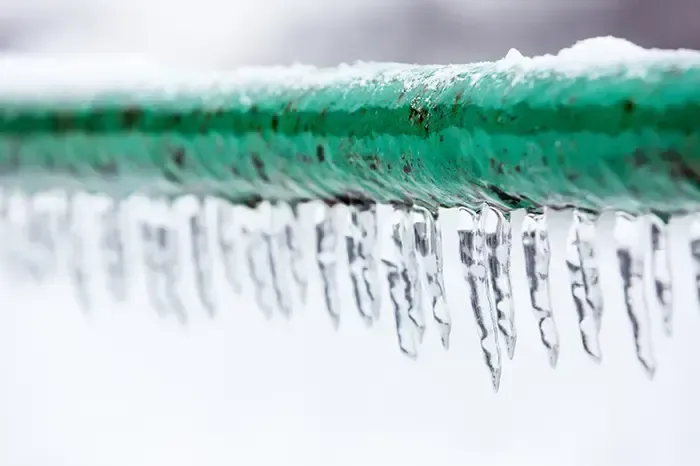
Frozen Pipe Water Damage
A thaw can expose a split pipe and restart water flow inside concealed spaces.
frozen pipe water damage details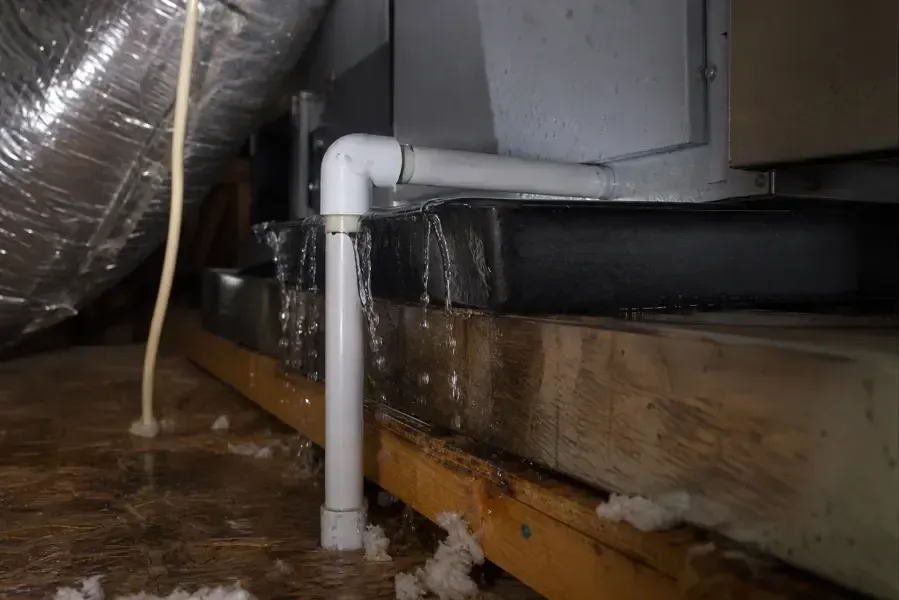
AC Leak Water Damage
Overflowing condensate can soak insulation beneath an air handler while nearby surfaces appear sound.
AC leak water damage detailsProtect occupants while the water source is located
- 1
Avoid electrical contact
Keep people away from wet outlets, appliances and equipment until the electrical hazard has been assessed.
- 2
Stop accessible supply water
A safely reachable shutoff can limit additional release from a damaged fixture or private supply pipe.
- 3
Keep contaminated rooms separate
Close off sewage affected rooms and prevent children or pets from walking through the wet area.
- 4
Record visible changes
Photograph staining, puddles and damaged contents from a dry position before accessible items are moved.
- 5
Describe the source
Explain when water appeared, whether it continues flowing and which rooms show the first visible signs.
Each stage answers a different question
Restoration moves from stopping the release to removing accessible water, then drying retained materials. The final decision depends on moisture readings and material condition rather than how long equipment has run.
- 1
Identify the water
The crew determines the source, affected rooms and contamination concerns before choosing the removal method or protective controls.
- 2
Extract accessible pooling
Vacuum extraction and appropriate pumps remove bulk water so the remaining drying load can be measured more clearly.
- 3
Expose hidden pockets
Selective access reaches trapped moisture where floor coverings, cabinets or insulation prevent useful evaporation from the assembly.
- 4
Check drying progress
Follow up readings compare retained materials with appropriate dry references before equipment removal and repair scheduling.
Trace connections
A room map follows water through thresholds, shared walls and layers instead of stopping at stains.
Protect retained finishes
Access openings and equipment positions should suit the assembly while preserving materials that can remain.
Document changes
Moisture records describe the starting condition and show where additional drying or selective removal is needed.
Separate repair decisions
Plumbing repair, water cleanup and finish replacement each need a clear scope before the property is restored.
Dryness needs more than a surface glance
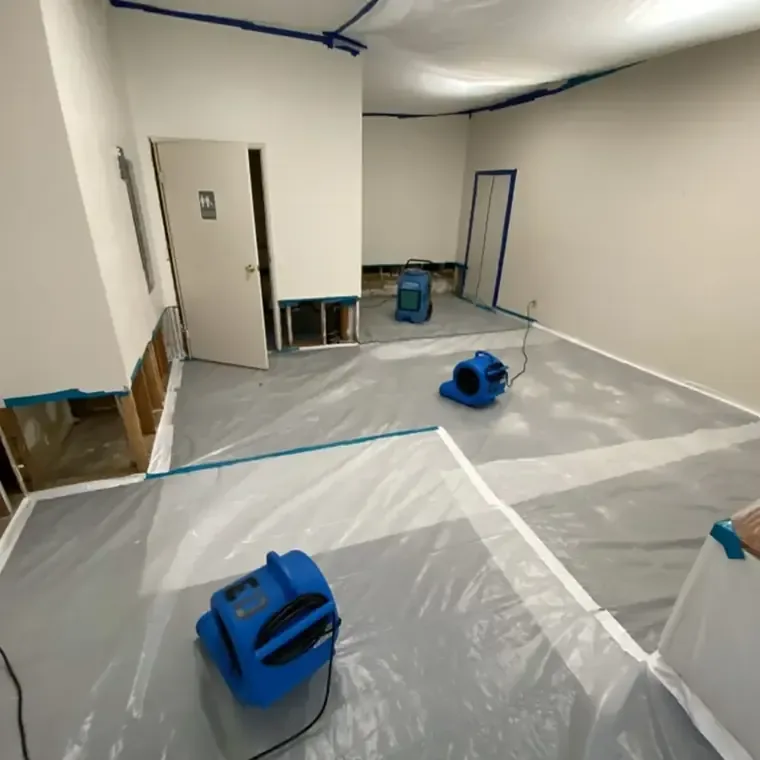
The useful question is how far water traveled inside the building. Floor edges, cabinet backs and insulation can remain damp after an exposed surface feels dry, so measurements shape the work.
The origin matters as much as the puddle
Supply release
A plumbing leak needs source control, extraction and inspection of materials reached by escaping supply water.
Remove pooled waterEquipment escape
Appliance water can collect behind cabinets or beneath flooring, requiring access beyond the visible spill.
Inspect appliance spreadWastewater return
Sewage requires restricted access, protective handling and decisions about contaminated porous finishes before drying begins.
Plan wastewater cleanupWhat changes a water damage estimate?
Van Alstyne cleanup costs reflect the wetted area, water source and accessibility of hidden layers. A written scope should distinguish extraction, material removal, drying equipment and later repairs so each allowance has a purpose.
- Accessible wet surfaces
- Limited removal
- Simple equipment placement
- Shared wall cavities
- Floor layer access
- More drying zones
- Difficult cavity access
- Broader finish removal
- Longer monitoring needs
These planning ranges describe cleanup conditions rather than a fixed quote. Plumbing correction, replacement finishes and special access requirements should be identified separately in the written estimate.
Describe the loss clearly
An organized record connects the discovery of water with the work performed. Coverage decisions belong to the insurer, while photos, readings and itemized charges describe the property condition.
- Record when the wet area appeared
- Photograph damaged surfaces before removal begins
- Keep plumbing and equipment repair receipts
- Identify rooms shown in each photograph
- Save moisture logs and itemized cleanup invoices
When the owner pays directly
A direct payment scope benefits from the same documentation. The estimate should state which materials remain, which need removal and what equipment monitoring is included.
Owners can compare the proposed work with the rooms actually affected. Changes discovered behind finishes should be explained before the scope expands into additional repairs.
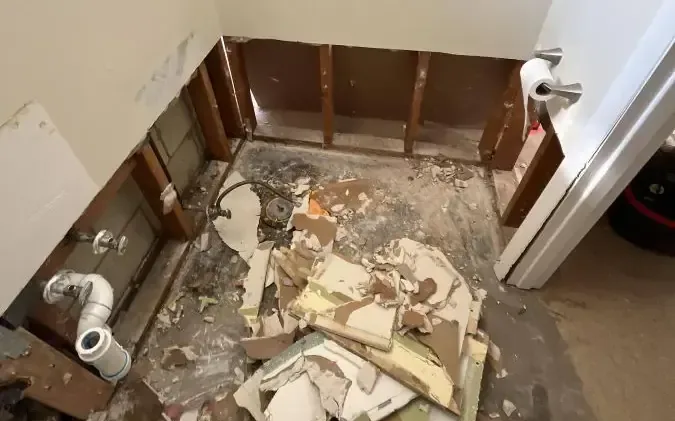
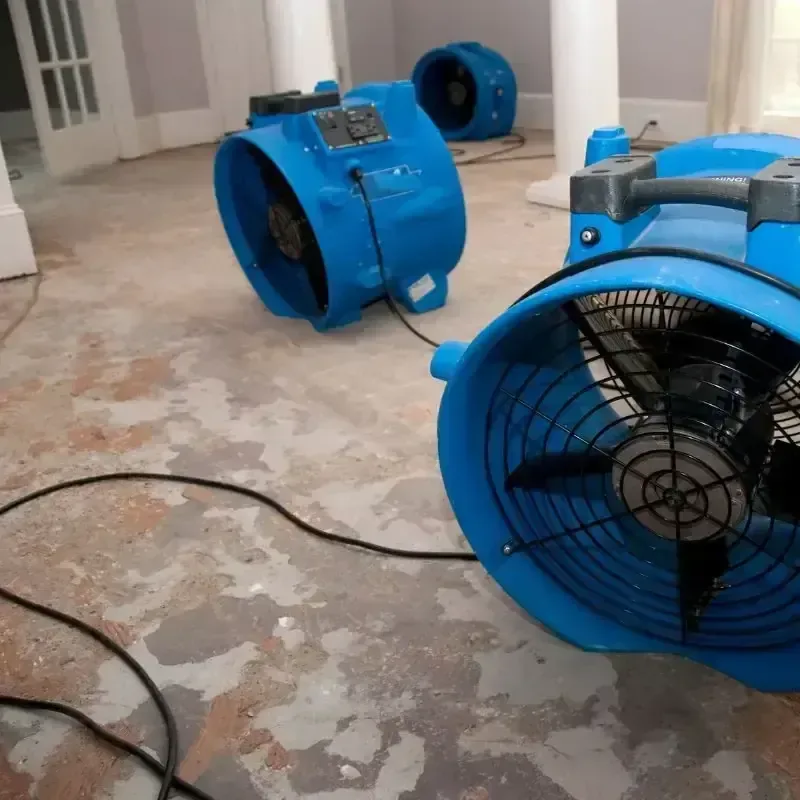
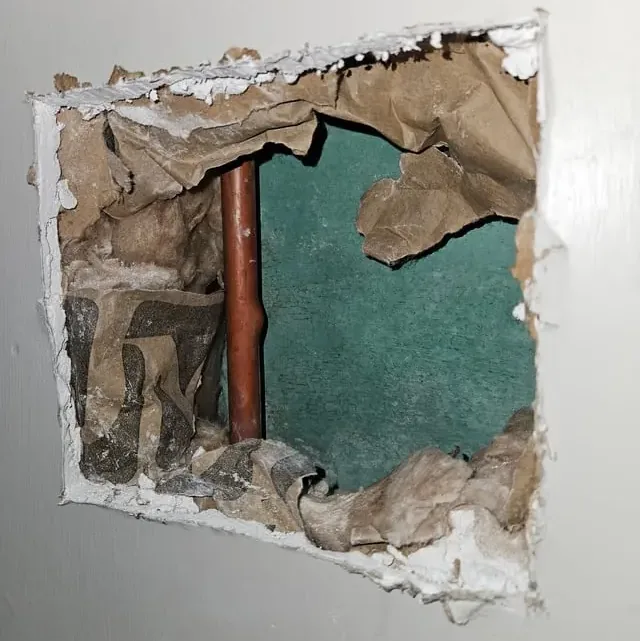
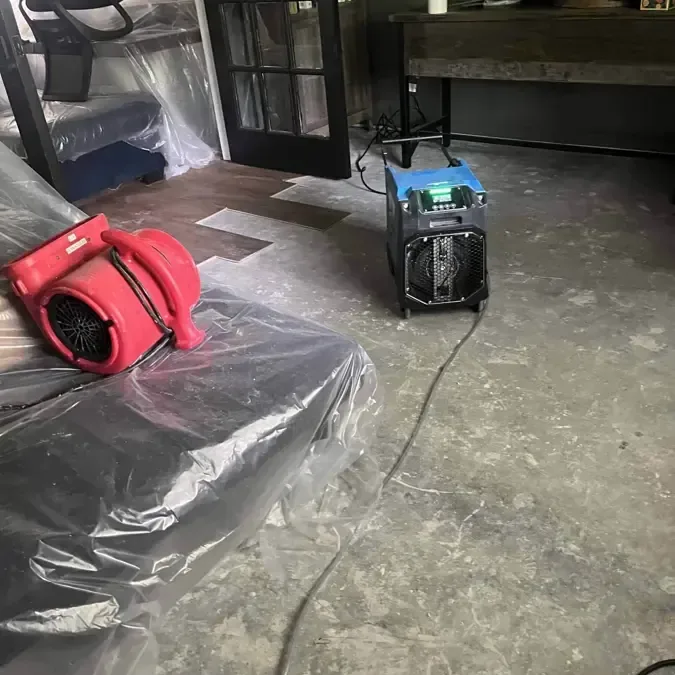
What extraction and drying work can look like
Describe the property location and access
Roads and community landmarks
Local ZIP
Nearby service areas
Useful details for the first conversation
US 75, SH 5 and FM 121 help describe the part of the city involved. Access details should include parking restrictions, locked rooms and any standing water near entrances.
The city lies primarily in Grayson County and extends into Collin County. The affected rooms and the water source determine the property cleanup scope.
(888) 527-9134Explain access to the propertyPlan before you call
Community water-damage coverage
Understand the next cleanup decision
Read water-damage articles about source control, wet materials and the records that support a repair plan.
Separate public issues from indoor damage
Public Works handles water utility operations and wastewater collection. An indoor release also needs a building assessment that follows water into floors, wall cavities and contents after the source is controlled.
After hours: VAPD Dispatch receives after hours water and sewer emergencies. A suspected public utility incident and damage inside a building can require separate responses.
- Public drainage concerns: Engineering Services oversees drainage infrastructure. Water that has entered a room still needs assessment of contamination, sediment and affected finishes.
- Private pipe failures: A damaged supply connection can continue feeding concealed cavities until shutoff. Plumbing diagnosis and moisture mapping should address both tasks.
- Wastewater movement: A returning drain can expose flooring and contents to contamination. Foot traffic should avoid carrying that water into unaffected rooms.
- Hidden floor layers: A dry looking finish can cover wet underlayment. Measurements around transitions and wall bases help locate moisture beyond the visible edge.
- Overhead wet materials: Ceiling stains may follow water traveling above the room. Soft panels and wet electrical fixtures require restricted access before inspection proceeds.
Questions after water appears
1What information helps explain a new leak?
The discovery time, rooms affected and whether water still moves are useful starting points. Photos taken from safe areas can show the initial extent before extraction changes the visible condition.
2Does a dry carpet surface end the job?
Carpet backing, cushioning and the floor underneath can retain moisture. An assessment checks those layers and nearby walls before deciding whether extraction, removal or further drying remains necessary.
3Who handles an apparent public water problem?
Public Works manages water utility operations. VAPD Dispatch receives after hours water and sewer emergencies. A separate restoration scope addresses wet building materials and contents inside the affected property.
4Can damaged furniture stay in the room?
Some contents can be protected or moved to dry space. Items exposed to contaminated water need separate handling, and heavy furniture should remain undisturbed until safe moving arrangements are available.
5Is a ceiling stain safe to touch?
A stain can conceal softened material or water above the panel. Occupants should stay clear of sagging areas and wet fixtures while stability and electrical concerns receive professional assessment.
6What belongs in the cleanup estimate?
The scope should identify rooms, extraction needs, material removal and equipment monitoring. Repair allowances should be clear enough that owners can distinguish moisture work from replacing finishes after drying.
7When does a floor need replacement?
The answer depends on contamination, adhesion, swelling and the condition of underlying layers. Moisture readings support the decision, but structural damage or distorted materials may prevent practical recovery.
8Can several services apply to one incident?
Yes. A ceiling leak may also wet hardwood and require structural drying. The Van Alstyne extraction page explains bulk removal, while structural drying addresses retained moisture inside assemblies.
9How is the drying endpoint established?
A useful endpoint compares affected materials with suitable dry references and records the trend over follow up visits. Surface appearance alone cannot show whether concealed wood or wall cavities remain wet.
A room still feels damp?
Describe the surface, the suspected source and any change since discovery. Those details help focus the first property assessment on the affected assembly.
(888) 527-9134Discuss remaining moistureDescribe the damage before planning the repair
The first conversation can identify immediate hazards, active water and the rooms that need extraction or a closer moisture assessment.