Slab Leak Water Damage in Princeton
A damp floor can be the visible end of a concealed plumbing problem. Locating the source and evaluating the affected floor layers are separate tasks that need a coordinated repair sequence.
(888) 527-9134Discuss moisture beneath the floor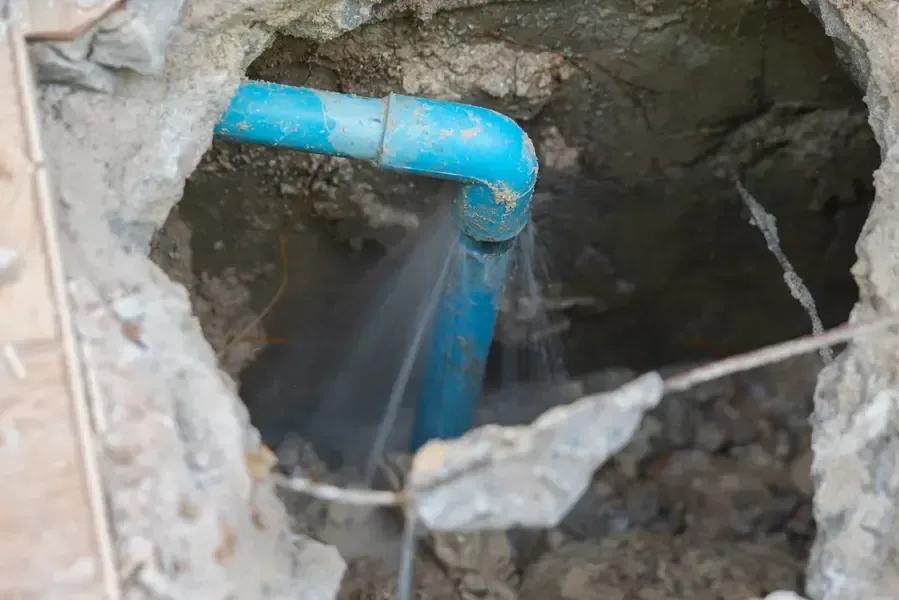
First steps for slab leak water damage
- 1Describe recurring dampness
Record where moisture returns and which nearby fixtures are involved. A useful account distinguishes an ongoing wet patch from water that appeared only during a single spill.
- 2Avoid exploratory floor cutting
Opening a slab or lifting a fixed finish needs a planned assessment. Keep the area accessible and describe visible changes before repair access is selected.
- 3Protect unaffected possessions
Move portable dry items away from the damp perimeter if safe. Leave heavy cabinets and fixed flooring in place until their condition and access needs are evaluated.
- 4Keep work scopes distinct
Request a clear separation between locating the pipe, repairing it and drying affected materials. Each task answers a different question about the condition beneath the floor.
What does slab leak water damage cost in Princeton, TX?
Slab leak water damage costs in Princeton depend on floor layers, concealed spread and access. Source location and plumbing repair should be distinguished from the work required to dry or replace affected building materials.
- Limited finish access
- Nearby baseboard checks
- Focused material drying
- Underlayment condition assessment
- Wider floor opening
- Additional moisture monitoring
- Connected room saturation
- Complex floor access
- Broader material replacement
Planning ranges depend on water category, affected square footage, material class and how quickly drying starts. The water damage cost calculator compares scope assumptions; the property inspection sets the work required.
How slab leak water damage proceeds
- 1
Establish the moisture boundary
Floor surfaces, wall bases and adjacent fixtures are assessed together. The findings help distinguish the repair opening from the wider area requiring material recovery.
- 2
Coordinate source repair access
The plumbing investigation determines the source approach. Restoration access is planned around that work so wet layers beyond the opening can also be reached.
- 3
Address retained floor moisture
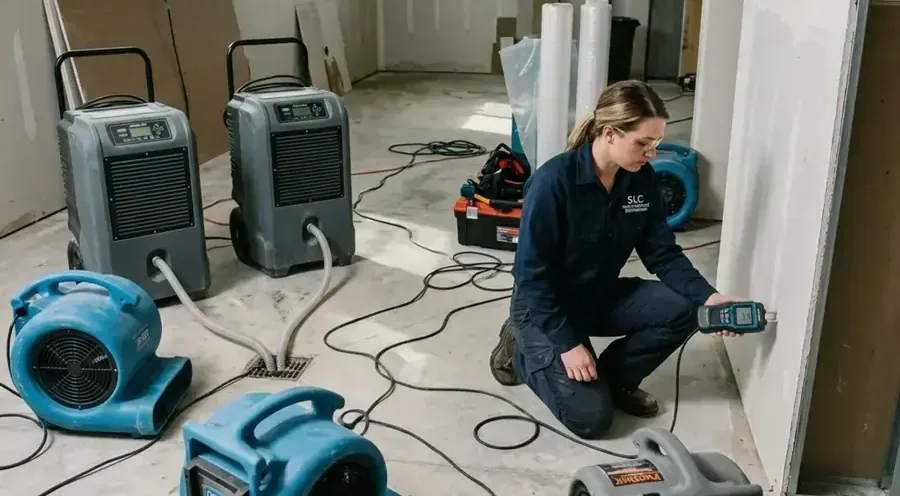
Accessible water is removed and recoverable materials are dried under monitored conditions. Coverings that obstruct drying receive a separate condition and removal assessment.
- 4
Prepare the floor handoff
Moisture records, inspection needs and damaged finish observations are brought together before replacement flooring is installed. Remaining repair tasks are identified in the written scope.
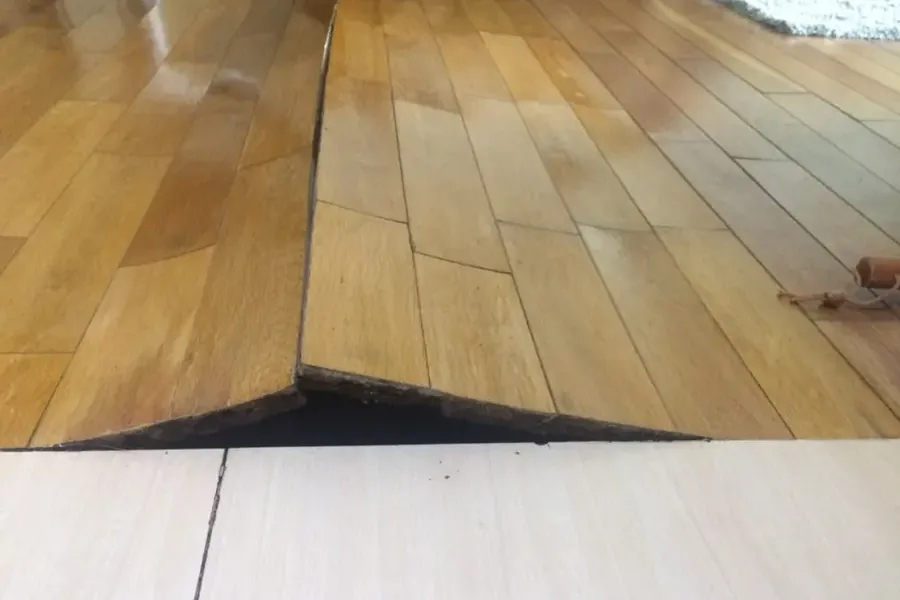
Floor discoloration, lifted edges or a recurring damp patch can prompt a concealed-leak investigation. Those symptoms need source assessment before a repair opening is chosen. In Princeton, the restoration work then addresses the finishes and nearby materials affected by that release, including moisture trapped between a floor covering and the supporting surface.
Plan access around the actual leak
The city lists sewer or water pipe repairs among common permit types. Source repair and building recovery should have distinct scopes, with access arranged so each can proceed. A plumbing opening may expose the failed component while leaving wet flooring farther away untouched. The material assessment follows those damp areas beyond the excavation boundary.
- Map the damp floor perimeter before removing finishes or moving large furnishings.
- Check adjoining baseboards where moisture may have entered wallboard from below.
- Separate pipe-repair debris from materials removed because water damaged their condition.
Evaluate the layers above the slab
A property in De Berry Estates may show a wet cabinet base while the source lies beneath an adjoining floor. In Park Trails, the first visible clue might be a changed flooring seam. These examples call for testing the actual assembly, including adhesive, underlayment or wood where present, rather than assigning a construction pattern to either neighborhood.
Removing liquid from an opening does not automatically dry covered areas. Dense floor coverings can restrict evaporation, while damaged adhesive or swollen material may require replacement. Hardwood floor assessment is useful where wood is involved. Other finishes need their own condition checks before equipment placement and access decisions are finalized.
- Record which floor layers remain and which ones block access to damp surfaces.
- Compare affected material readings with suitable dry references from the same property.
- Recheck the edges of the wet area as the source repair is completed.
Leave a clear path to reconstruction
For work requiring inspection, the city requires access until approval. That sequencing matters in Cypress Bend as elsewhere: repair access, drying access and final closure need coordination. Covering the opening too early can prevent a required check or conceal moisture beneath a new finish.
The structural drying plan should identify the retained materials and how progress will be measured. Reconstruction follows the completed source repair, appropriate material drying and applicable inspection steps. The handoff also records damaged finishes that need replacement because drying cannot reverse their physical deterioration.
Princeton slab leak water damage response
Concealed-leak cleanup planning serves Princeton properties in De Berry Estates, Park Trails and Cypress Bend. Assessment follows each property's floor construction, plumbing access and observed moisture pattern.
The same service nearby: slab leak water damage in Anna, Farmersville, Van Alstyne.
Water damage restoration in Princeton · every town coveredRelated water damage services in Princeton
Slab Leak Water Damage questions
1Does a damp floor identify the pipe location?
A wet patch shows where moisture became visible. Water can travel beneath finishes, so source location and floor assessment are needed before choosing the repair opening or defining the drying area.
2Is foundation repair always part of this work?
The restoration scope follows the actual damage found. Pipe repair, floor recovery and any structural repair are separate decisions that require their own assessments rather than being assumed from surface dampness.
3Can new flooring go over a dried surface?
The underlying assembly also needs an appropriate moisture condition for the selected finish. A surface that feels dry can still cover damp layers that affect adhesion or material performance.
4Why check baseboards around the floor?
Moisture can move from the floor into nearby wall materials. Perimeter readings help identify that path and determine whether trim or wall access belongs in the drying scope.
5What permit issue matters during reconstruction?
Princeton lists pipe repairs among common permit types and requires inspectable work to remain accessible until approval. Coordinate the repair opening and closure schedule around the requirements applying to the project.
6Will every floor covering need removal?
Material condition, contamination and access determine that choice. Some finishes can remain during targeted drying, while damaged or restrictive layers may need removal to reach and assess the surface underneath.
Separate the pipe repair from floor recovery
Discuss concealed spread, access requirements and the checks needed before new finishes cover the affected building layers.