Roof Leak Water Damage in Princeton
Rain can enter above one room and show up in another. Interior recovery follows its path through attic materials and ceilings while roof repair addresses the opening that allowed the water inside.
(888) 527-9134Discuss rain inside the home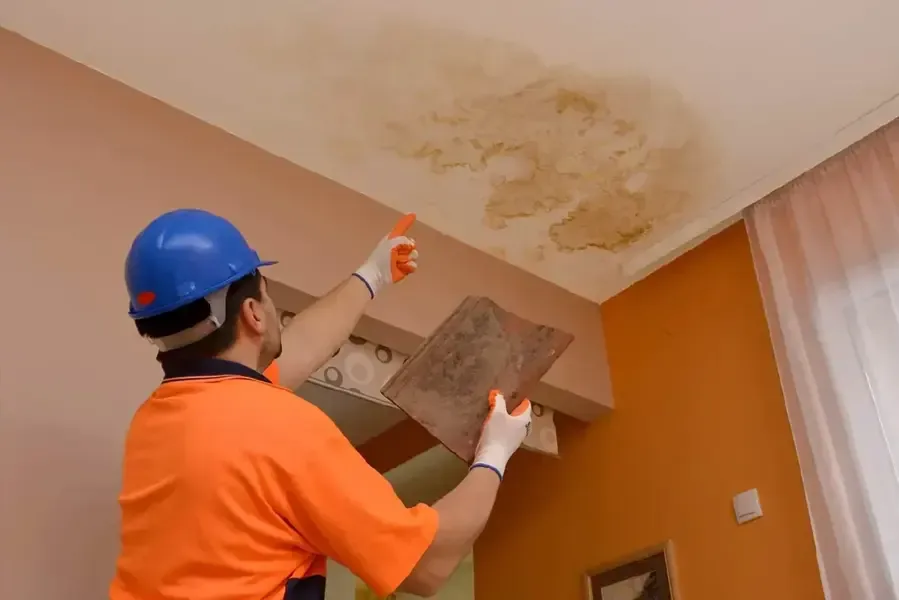
First steps for roof leak water damage
- 1Remain off a wet roof
Roof access during a leak requires appropriate assessment and equipment. Keep occupants on stable interior ground and describe the visible entry symptoms without climbing onto wet surfaces.
- 2Protect safe dry belongings
Move portable items away from dripping areas only where the ceiling is stable and access is clear. Leave items beneath bulging material until the hazard is assessed.
- 3Note rainfall and dripping
Record when the interior water appeared relative to the rain. Mention whether dripping continues after the weather changes, since retained water can keep draining from concealed layers.
- 4Coordinate both repair scopes
Identify who will address the exterior opening and which interior materials need recovery. The finish repair should follow source correction, drying and any applicable inspection requirements.
What does roof leak water damage cost in Princeton, TX?
Roof leak water damage costs in Princeton reflect the interior path of rainwater. Attic access, wet insulation and affected ceiling area shape mitigation, while exterior roof correction belongs in a separately identified repair scope.
- Accessible overhead area
- Localized material removal
- Focused room drying
- Wet insulation access
- Framing moisture checks
- Connected interior surfaces
- Multiple wet cavities
- Difficult attic access
- Expanded finish replacement
Planning ranges depend on water category, affected square footage, material class and how quickly drying starts. The water damage cost calculator compares scope assumptions; the property inspection sets the work required.
How roof leak water damage proceeds
- 1
Assess the interior water route
Visible stains, attic access and affected rooms are examined together. Findings establish safe work areas and the likely connections between roof entry and interior material damage.
- 2
Expose retained attic moisture
Affected insulation and ceiling layers are assessed for access or removal. The work makes wet framing reachable while documenting which materials require replacement because of their condition.
- 3
Dry the remaining assembly
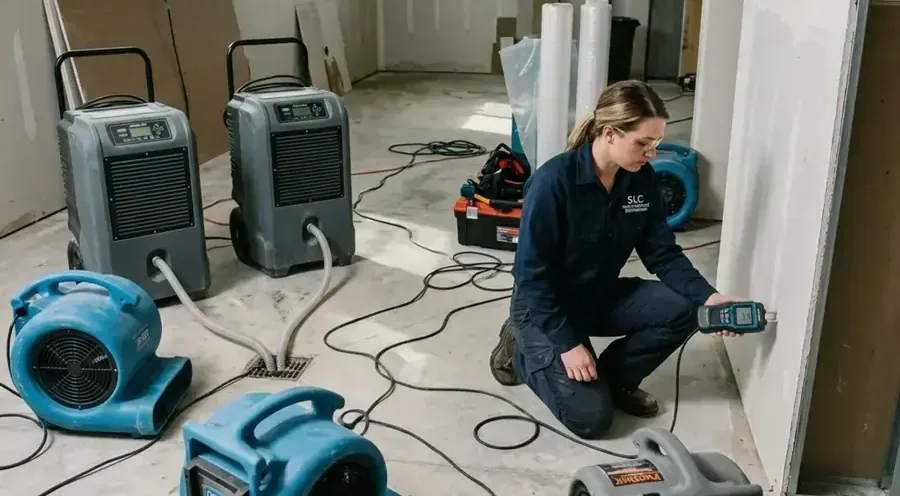
Air movement and dehumidification are arranged for exposed materials. Moisture readings track the attic and room surfaces rather than relying on a temporary absence of dripping.
- 4
Prepare coordinated finish repairs
The completion record separates roof correction from interior drying and reconstruction. Any remaining material damage and required inspection access are identified before ceilings and walls are closed.
A drip that appears during rainfall calls for more than a bucket beneath the stain. The interior assessment follows water above the ceiling and into adjoining materials, while safe roof assessment addresses its entry. Princeton roof leak cleanup separates those responsibilities so a repaired exterior does not leave wet insulation or framing enclosed inside.
Use the rain pattern to direct inspection
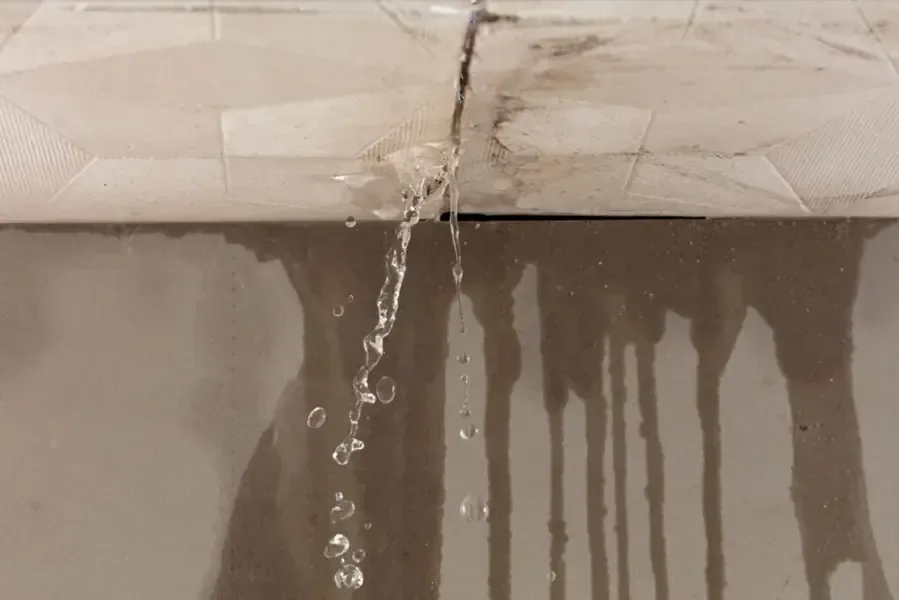
Note whether water appears during the storm or continues afterward. Retained water can drain from an attic material after outside rain stops. The location and timing help explain the loss, but the actual entry point needs inspection. Wet roof access and unsupported attic surfaces should remain outside an occupant's cleanup tasks.
- Photograph interior staining from stable ground without standing beneath sagging ceiling material.
- Describe attic equipment or stored belongings that may obstruct access above the room.
- Keep the affected ceiling area clear until its condition and load are assessed.
Follow the route across building layers
For a property in Abbey Crossing, water may be visible at a ceiling seam before the wall shows damage. In Trails At Riverstone, the first symptom might be a damp attic item. These examples illustrate different discovery points; inspection must establish the actual route and the materials involved in each property.
Insulation can retain water against wood and conceal the boundary of the wet area. Framing, ceiling board and the wall beneath a drip therefore need separate checks. Ceiling leak assessment addresses unstable overhead finishes, while the attic scope identifies access and removal needed to reach retained moisture.
- Check beyond the darkest stain for wet materials along the same framing path.
- Assess insulation condition before deciding whether the cavity can dry with it retained.
- Include lower flooring where repeated drips have collected around furnishings or wall edges.
Coordinate exterior repair with interior recovery
Park Trails properties need the same source-specific sequence: resolve the rain entry, assess wet layers and verify drying before finish replacement. Princeton lists most construction and remodeling work as requiring permits, so the proposed repair scope should identify applicable requirements before an opened assembly is closed.
The interior drying work uses material readings to track recovery. A break in the weather allows access for checking moisture retained inside the affected building layers. The final repair plan should distinguish exterior source correction, interior mitigation and replacement of finishes that no longer retain their original physical condition.
Princeton roof leak water damage response
Princeton rain-entry restoration planning includes Abbey Crossing, Trails At Riverstone and Park Trails. The assessment follows each building's roof access, attic configuration and visible interior damage.
The same service nearby: roof leak water damage in Anna, Farmersville, Van Alstyne.
Water damage restoration in Princeton · every town coveredRelated water damage services in Princeton
Roof Leak Water Damage questions
1Does stopped rain mean the ceiling can be repaired?
The source still needs correction and the interior layers need assessment. Insulation and framing can retain water after the weather clears, so drying and condition checks come before finish replacement.
2Why inspect the attic away from the stain?
Rainwater may follow framing before reaching the room below. Inspecting the surrounding attic establishes the wet boundary and helps connect the visible stain with the actual water entry route.
3Should stored attic items be moved immediately?
Access must be safe before anything is moved. Wet or concealed walking surfaces and nearby electrical equipment can make an attic unsafe for occupants during an active water loss.
4Can damaged insulation remain during drying?
Its condition and effect on access determine the decision. Saturated or damaged insulation may need removal so retained framing can be reached, assessed and dried without hidden moisture pockets.
5What paperwork helps explain a rain leak?
Keep photographs, the rainfall and discovery timeline, exterior repair information and interior moisture records. Separate documents for source repair and mitigation make the work easier to understand during a claim discussion.
6Will a repaired roof resolve a wet wall?
It stops the entry when the source is corrected, but existing wall moisture remains a separate task. Wallboard, trim and the floor below should be checked where rainwater traveled.
Connect roof correction with interior recovery
Discuss wet insulation, ceiling stains and adjoining rooms so the remaining moisture is addressed before finish repairs begin.