Water Damage Restoration in Farmersville
A wet doorway may be only the visible edge of a larger problem. Farmersville property owners can arrange water removal, damaged material assessment and measured drying around the actual source.
(888) 527-9134Discuss the wet roomsThe starting point is a safe inspection that connects visible water with the materials holding moisture.
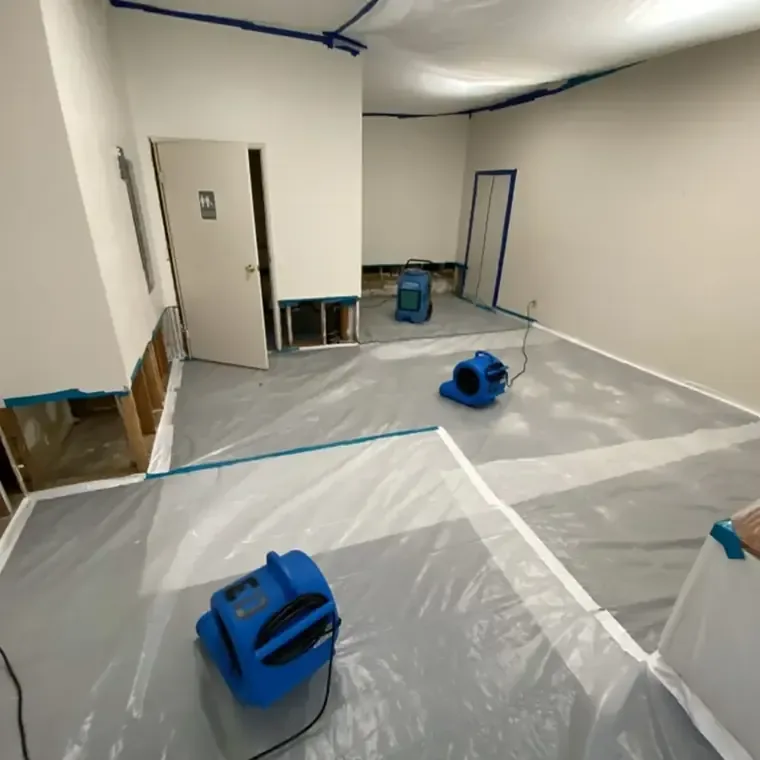
Cleanup shaped around what became wet
A tank spill, rain entry and sewer backup need different handling. These services explain the work involved before repairs cover the affected materials and surfaces again.
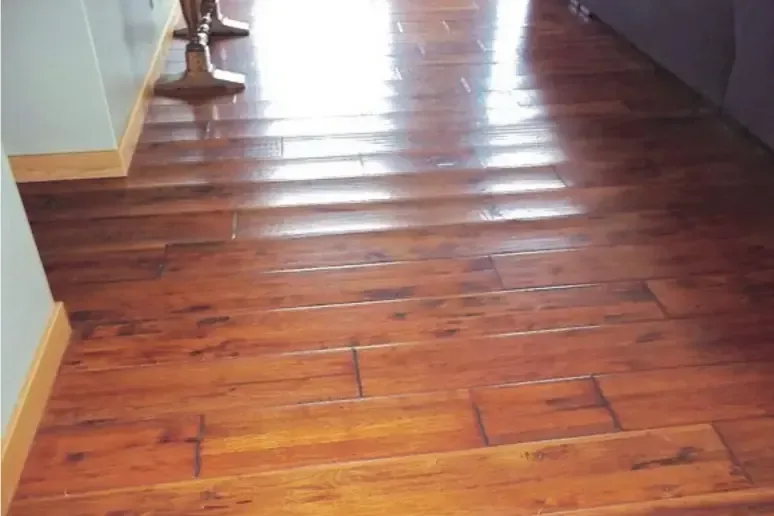
Water Extraction
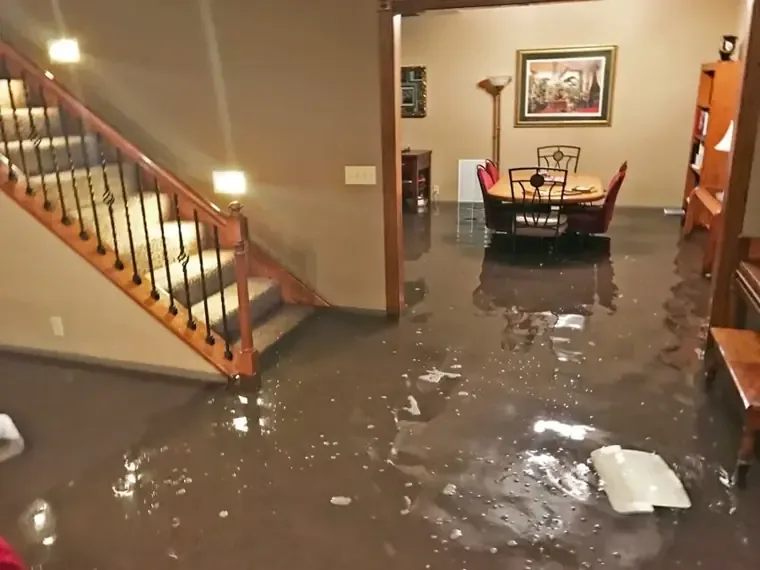
Standing pools require removal before attention shifts to soaked carpet, seams and wall bottoms.
water extraction details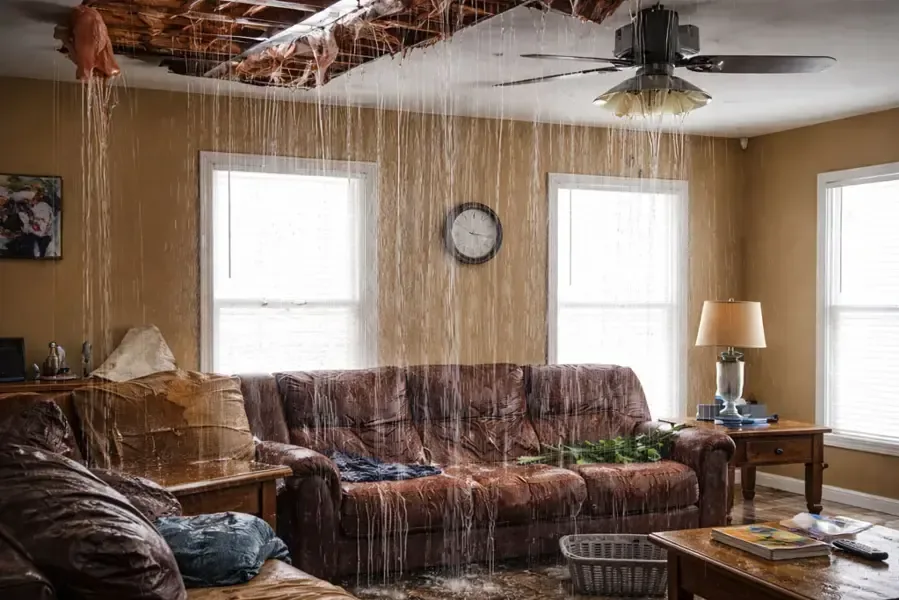
Burst Pipe Water Damage
A ruptured supply pipe can wet adjoining rooms through openings hidden behind finished surfaces.
burst pipe water damage details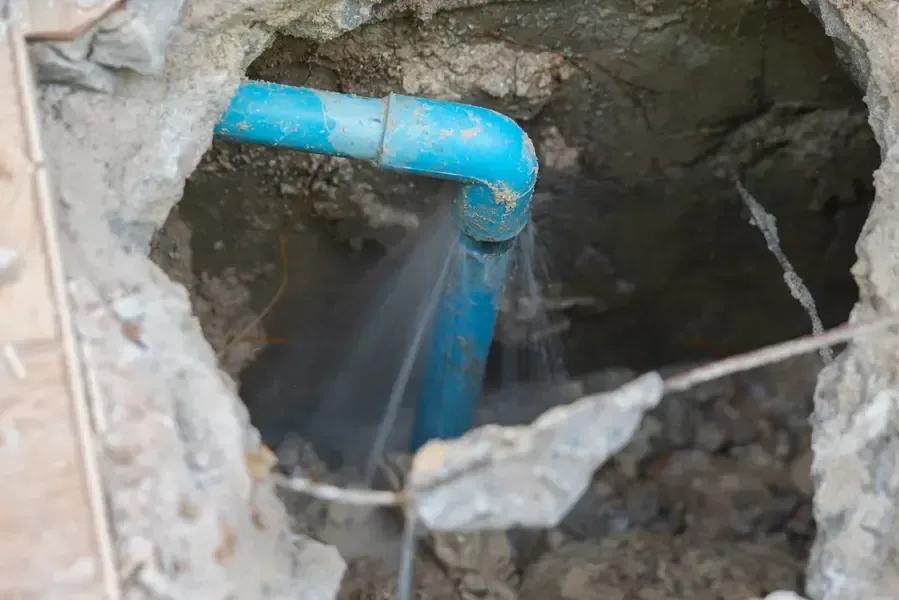
Slab Leak Water Damage
Moisture beneath flooring needs source investigation before broad removal of otherwise sound materials.
slab leak water damage details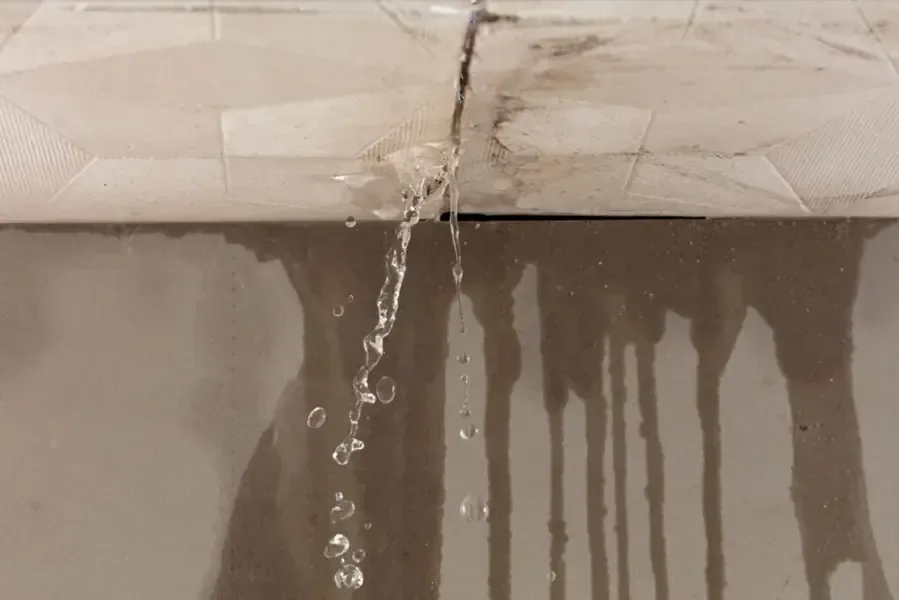
Ceiling Leak Water Damage
An overhead drip calls for inspection above the stain and beneath the affected room.
ceiling leak water damage details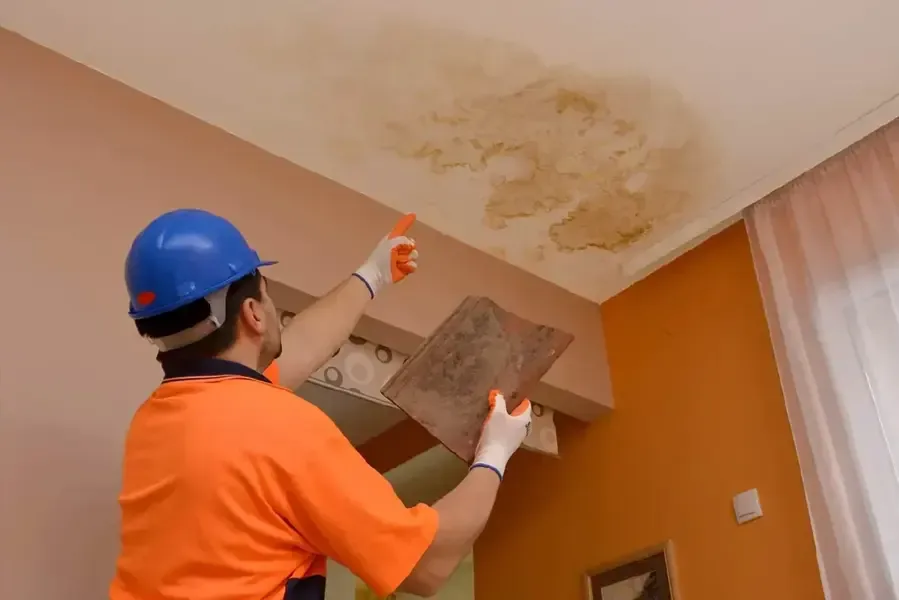
Roof Leak Water Damage
Rain entering roof assemblies can travel through insulation before appearing on a room ceiling.
roof leak water damage details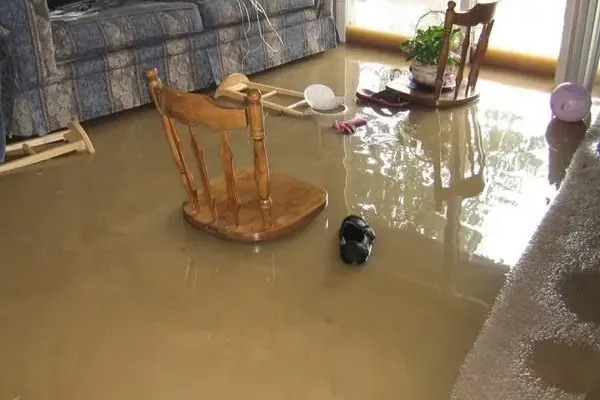
Storm Flood Cleanup
Outside water brings a cleanup decision about contact, debris and absorbent interior finishes.
storm flood cleanup details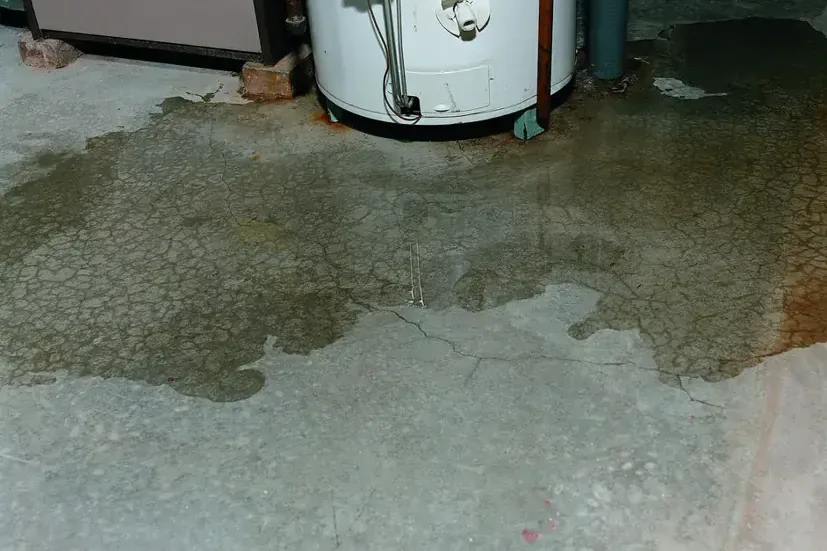
Water Heater Leak Cleanup
Tank leakage can soak a closet threshold and the flooring beyond the visible puddle.
water heater leak cleanup details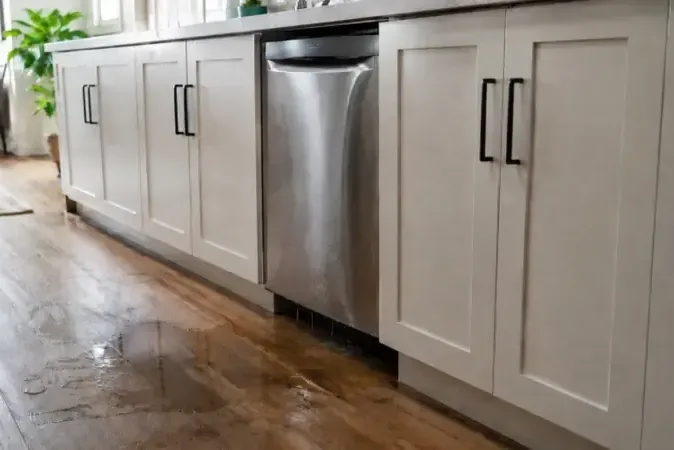
Appliance Leak Water Damage
Supply hoses and appliance drains can release water beneath cabinets that conceal its spread.
appliance leak water damage details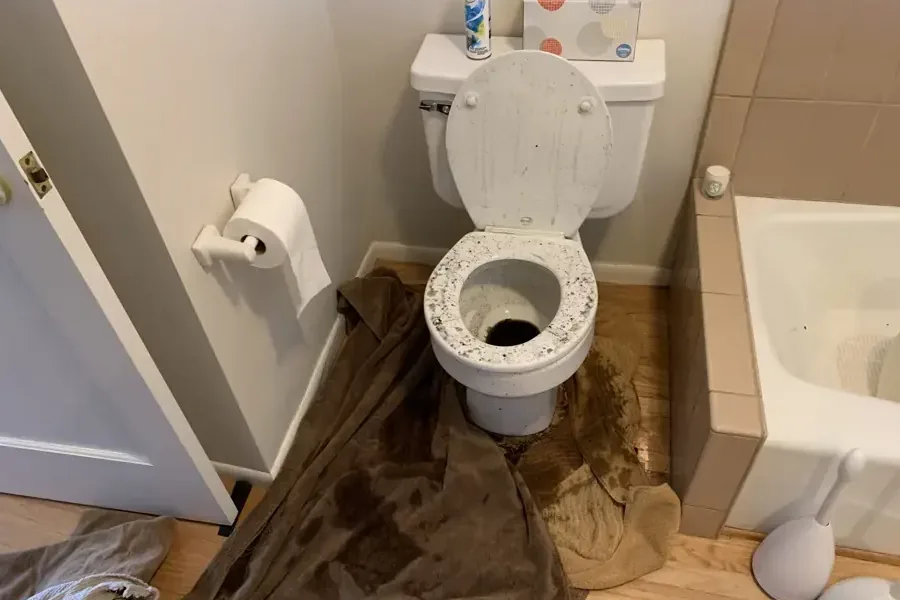
Toilet Overflow Cleanup
Bathroom cleanup depends on whether escaped water came from the tank or toilet bowl.
toilet overflow cleanup details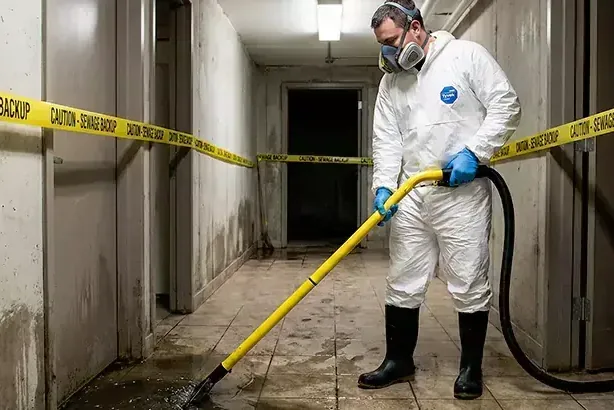
Sewage Backup Cleanup
A drain backup requires controlled access and separation of contaminated belongings from clean rooms.
sewage backup cleanup details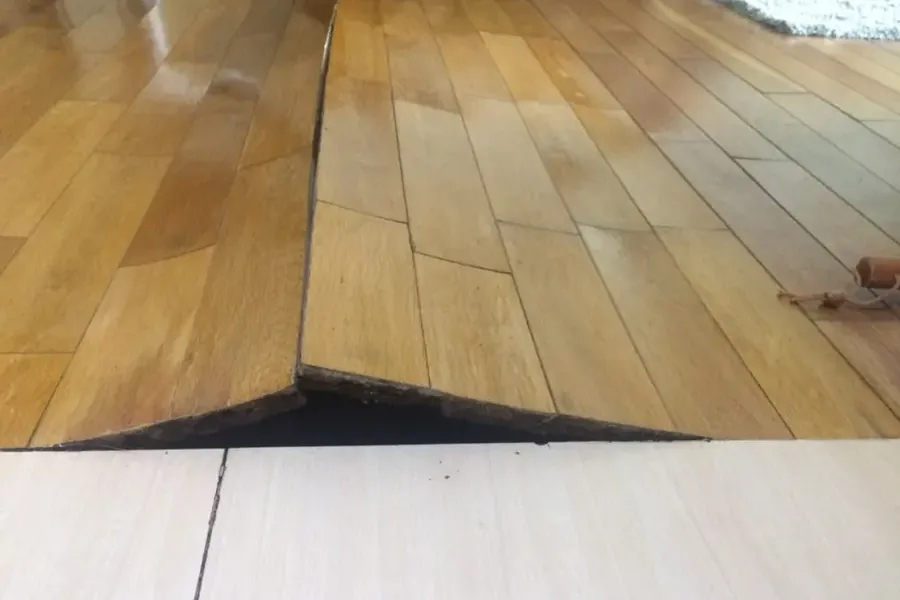
Hardwood Floor Water Damage
Board shape and moisture below the finished surface determine the next floor drying decision.
hardwood floor water damage details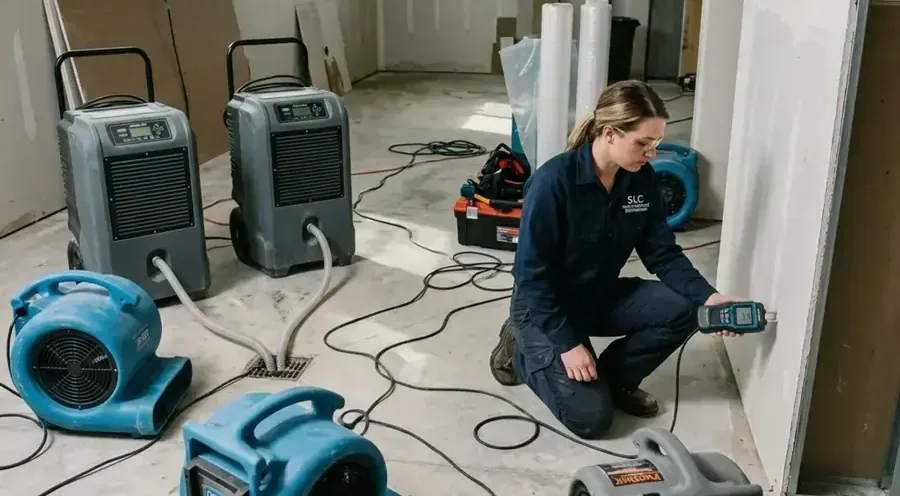
Structural Drying
Repeat measurements track moisture in framing and other materials after loose water is removed.
structural drying details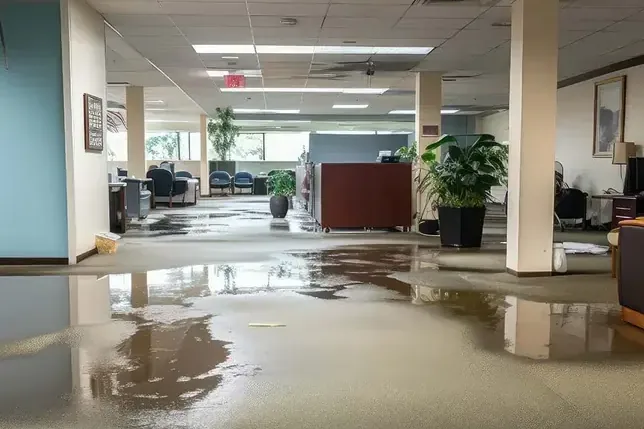
Commercial Water Damage
Business cleanup coordinates affected rooms, contents records and safe access for staff or tenants.
commercial water damage details
Frozen Pipe Water Damage
Thawing can reveal concealed pipe damage that needs isolation before finishes begin drying.
frozen pipe water damage details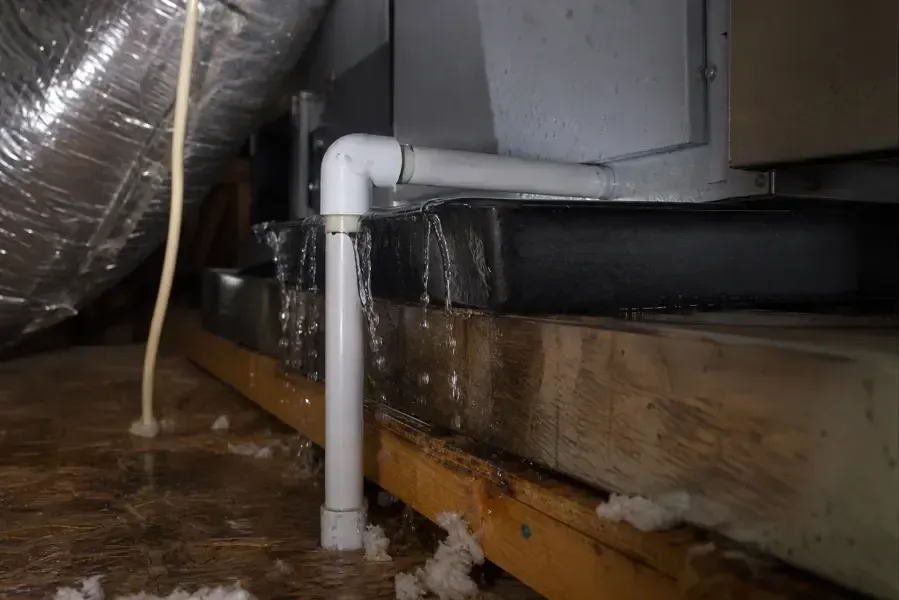
AC Leak Water Damage
Condensate escaping an air handler can wet nearby ceilings without a large floor puddle.
AC leak water damage detailsProtect people and preserve a useful loss record
- 1
Keep feet out
Standing water near electrical equipment requires a safe electrical assessment before anyone crosses the affected area.
- 2
Limit the release
An accessible shutoff may stop a plumbing spill when reaching it does not involve entering water.
- 3
Photograph from safety
Wide room photographs and close details help document the original water boundary before belongings are moved.
- 4
Separate dry belongings
Clean possessions belong beyond the wet area so cleanup traffic does not carry contamination into unaffected rooms.
- 5
Describe the source
The first conversation should identify dripping, pooling, odors and any recent plumbing or appliance trouble.
Drying has a measurable endpoint
Removing surface water changes the appearance of a room quickly. Finishing the dry out requires evidence that the affected materials have reached suitable moisture conditions before replacement finishes hide them.
- 1
Identify the path
Inspection follows the release through doorways, penetrations and connected materials instead of stopping at the first wet patch.
- 2
Extract accessible water
Appropriate removal equipment addresses pooling and saturated recoverable surfaces before evaporation becomes the main part of the job.
- 3
Set drying conditions
Air movement and humidity control are selected around the exposed materials and adjusted as their moisture readings change.
- 4
Document the finish
Final measurements support repairs, with unresolved source work kept separate from completed water cleanup.
Clear boundaries
Wet areas are mapped so adjoining closets and floor transitions receive attention alongside the obvious puddle.
Explained access
Openings are discussed by purpose, including what concealed material needs testing or access for effective drying.
Recorded progress
Moisture readings show whether equipment placement is working and identify areas needing a different drying approach.
Practical handoff
Completion records describe remaining repair needs so the next contractor understands what was exposed and dried.
Understand each cleanup decision
The useful question is what still holds water. An assessment connects the source, material condition and access requirements so property owners can understand removal choices before the work expands.
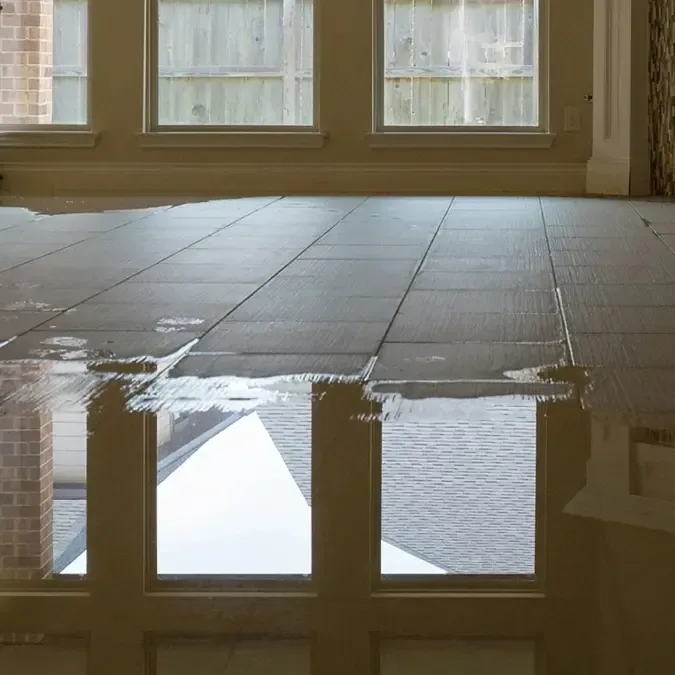
The source changes what can stay
Supply releases
A recent supply leak starts with shutoff and removal, followed by an assessment of the materials it reached.
Remove pooled waterUsed appliance water
Discharged wash water needs attention to residue and contact before cabinets or flooring can be kept.
Inspect appliance spreadSewer contamination
Wastewater calls for restricted access, controlled disposal and cleaning of recoverable surfaces before structural drying proceeds.
Contain the backupWhat determines the scope and price?
Water damage cleanup in Farmersville depends on the affected footprint, contamination and concealed moisture. These planning ranges distinguish a contained loss from work involving several rooms or difficult access beneath existing finishes.
- Accessible wet surfaces
- Contained water source
- Focused equipment placement
- Adjoining room spread
- Wet wall openings
- Additional drying checks
- Concealed material saturation
- Broader removal needs
- Complex work access
An on site assessment should distinguish cleanup, source repair and rebuilding. Written scope details make the estimate useful when comparing material removal, equipment use and documentation.
Build a clear claim record
Photographs, source repair notes and a room inventory help explain the loss. Coverage depends on the policy and circumstances, while cleanup documentation records the condition and work performed.
- Photographs showing each affected room clearly
- Notes identifying when water was noticed
- Receipts for emergency source repair work
- An inventory of wet personal belongings
- Written cleanup scope and drying measurements
When paying directly for cleanup
A property owner paying directly can request separate descriptions of removal, cleaning and drying. This makes the scope easier to understand before any reconstruction decisions are made.
Material access can change once hidden wet areas are exposed. An estimate should explain how additional findings will be documented and discussed before the cleanup scope changes.
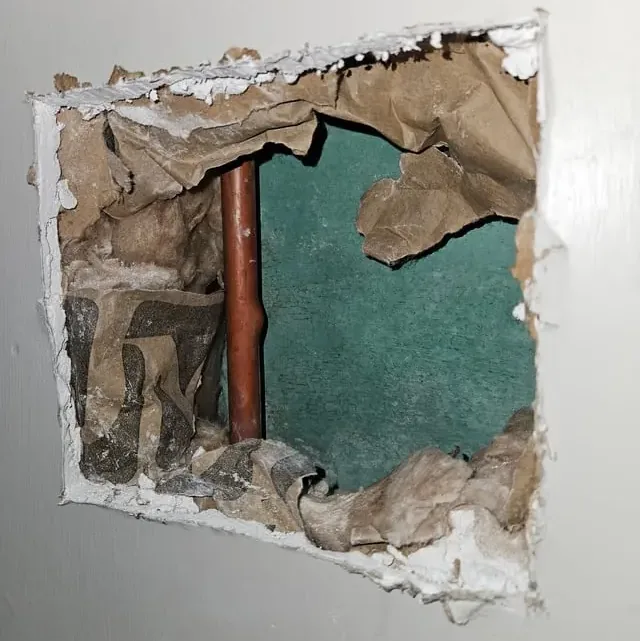
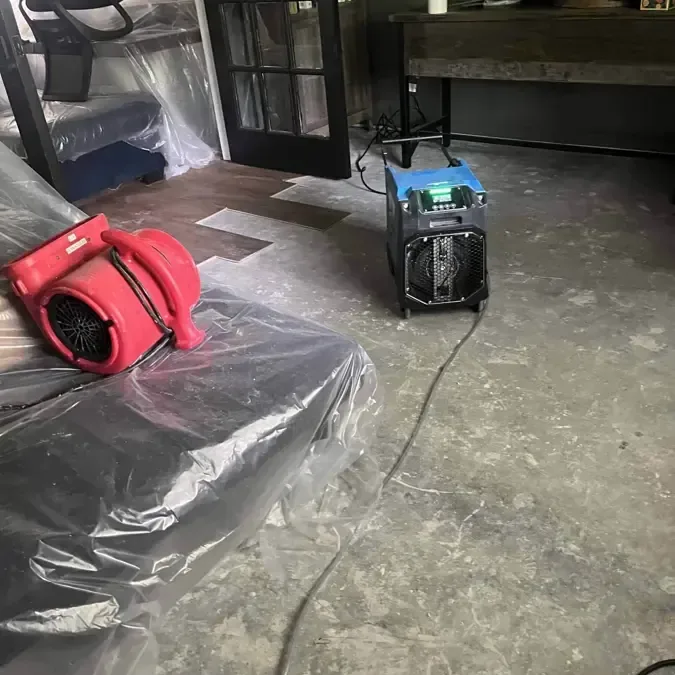
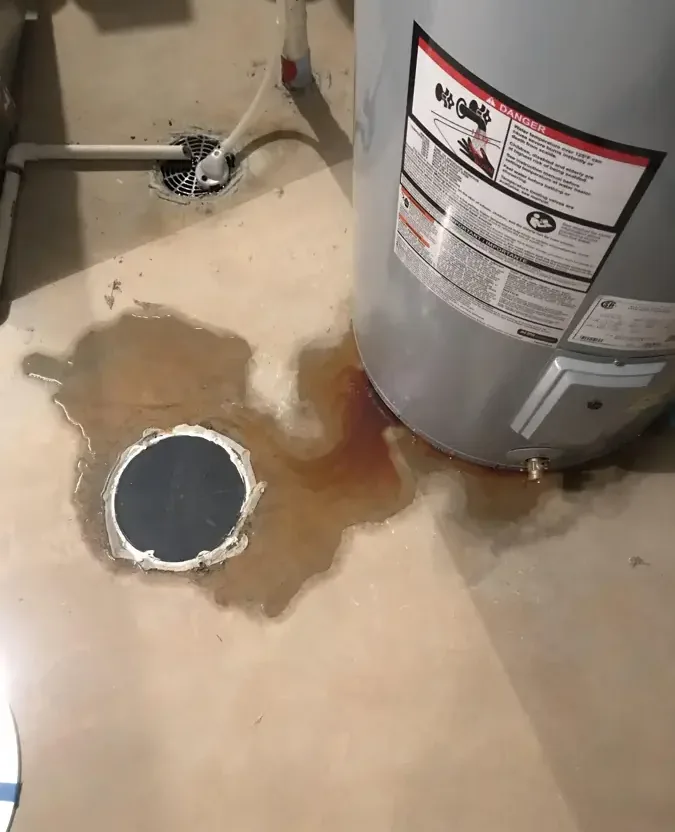
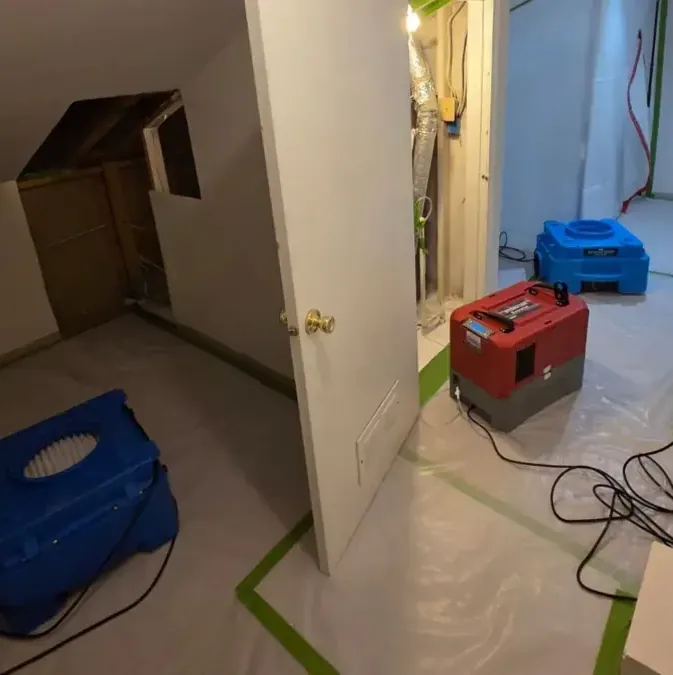
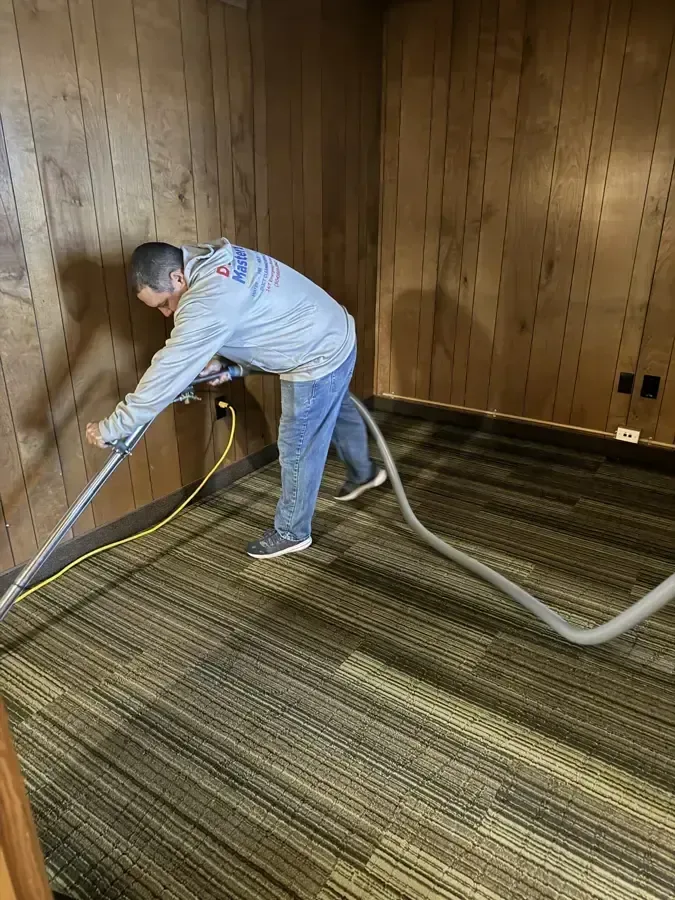
Equipment and materials during an interior dry out
Homes and businesses across the city
Streets and local landmarks
Local ZIP
Other service communities
Describe access with the wet area
A property near the public town square may need a different equipment route from a home off Highway 78. Door access and affected rooms help shape the visit.
Owners can use the water extraction page for pooled water or explore structural drying when surfaces look dry but materials remain wet.
(888) 527-9134Explain the property accessPlan before you call
Community water-damage coverage
Understand the next cleanup decision
Read water-damage articles about source control, wet materials and the records that support a repair plan.
Follow the water into the building
Lavon Lake reaches the western city limits, while Highway 380 crosses the south side. Inside a damaged property, the entry opening and material contact determine the cleanup approach.
Downtown gathering: Old Time Saturday takes place downtown and at the Historic Onion Shed on the first Saturday in October, bringing activity to these community settings.
- Humid summer air: Hot, humid summers make indoor humidity control an important companion to airflow when wet building materials are being dried after a leak.
- Busy downtown access: The public town square anchors the commercial district, where cleanup planning can include entrances, contents staging and separation from occupied business space.
- Water service trouble: City Hall is the contact for electric, water and sewer emergencies or repairs at any hour, alongside arrangements for interior cleanup.
- Hidden appliance spread: A supply or discharge leak can travel beneath cabinetry, making the nearest visible puddle an incomplete picture of affected flooring and wall bases.
- Rain entry paths: Roof openings, thresholds and other entry points need individual inspection so indoor removal addresses the surfaces reached by water during the event.
Questions before cleanup starts
1What belongs in the first damage report?
The report should describe where water appeared, whether it is still entering and which rooms are affected. Photographs taken from a dry location can support that description without exposing occupants to hazards.
2Can a dry looking room still need equipment?
Yes. Floor coverings and wall surfaces may feel dry while moisture remains in supporting layers. Material readings, taken in affected and comparison areas, help determine whether drying equipment is still needed.
3Who handles a municipal water emergency?
City Hall is the local contact for electric, water and sewer emergencies or repairs at any hour. Indoor restoration addresses the resulting wet materials while the source problem receives separate attention.
4Does a ceiling stain require removing everything?
Removal depends on material stability, saturation and the ability to reach concealed moisture. The assessment should connect the stain to its source and explain which openings are necessary before broad demolition starts.
5Are wet belongings always discarded?
Their material, condition and contact with contaminated water affect the decision. Recoverable items may need cleaning and controlled drying, while damaged absorbent contents can require disposal with a documented inventory.
6What changes the price after inspection?
Hidden wet insulation, spread beneath floors and contamination can enlarge the scope. A written estimate should identify the visible work and explain how additional findings will be communicated to the property owner.
7Can a business remain partly occupied?
That depends on electrical safety, contamination boundaries and whether work routes can remain separate from occupied areas. The cleanup plan should address customer access and equipment placement before activity resumes nearby.
8Should fans run after a sewer backup?
Uncontrolled airflow can spread contamination beyond the affected space. Access control, wastewater removal and appropriate cleaning come first, followed by drying arrangements suited to the cleaned materials and remaining room conditions.
9What shows the property is ready for repairs?
A repair handoff should include material moisture results, completed cleaning work and remaining source repair needs. Rebuilding follows those findings so new finishes do not cover an unresolved leak or wet assembly.
A useful first conversation
A description of the source, water depth and affected materials helps establish what needs attention before equipment arrives at the property.
(888) 527-9134Describe the damage firstMake the wet area easier to assess
A clear account of the leak and affected rooms helps turn a stressful discovery into a practical cleanup plan.