Slab Leak Water Damage in Anna, TX
Anna slab leak restoration addresses moisture around and above a leaking under-floor pipe. The plumber locates the source; the drying team checks floor coverings, wall bases and nearby cabinets after repair.
(888) 527-9134Wet slab? Discuss the floor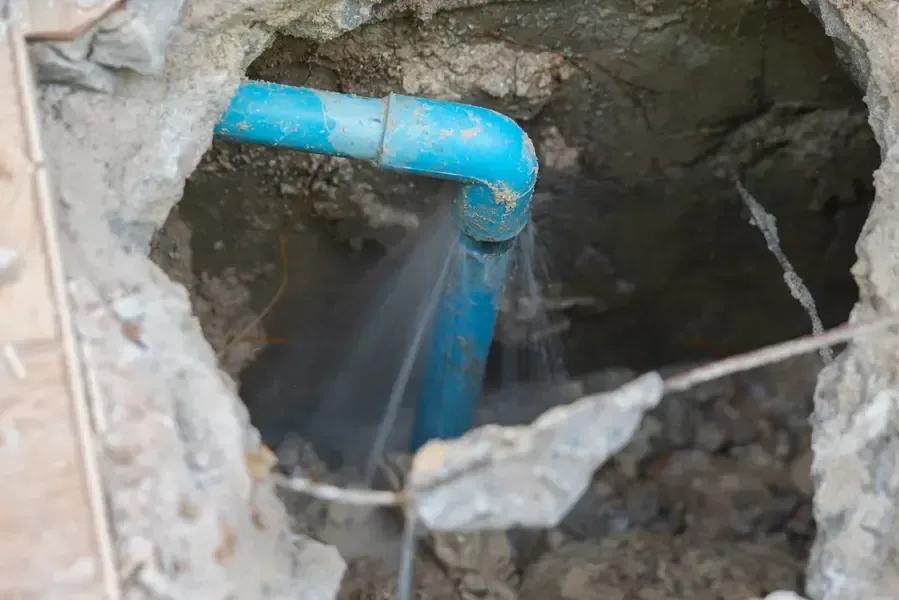
First steps for slab leak water damage
- 1Reduce continuing flow
If the household knows the safe water shutoff location, isolate the supply and describe any change in the damp patch before arranging professional source testing.
- 2Protect the wet footprint
Keep rugs and stored items away from damp flooring when safe, and avoid covering the area with impermeable materials that can conceal continuing moisture.
- 3Record room conditions
Photograph floor staining, lifted edges and wet wall bases from accessible dry locations, including the adjoining rooms that might share the same concealed water path.
- 4Coordinate the two tasks
Arrange plumbing leak location alongside water-damage assessment, since the source repair and the drying of affected materials require different measurements and completion records.
What does slab leak water damage cost in Anna, TX?
Slab leak water-damage drying commonly costs $1,500 to $6,000, depending on affected floor layers and access. Leak detection, plumbing repair, concrete work and replacement flooring may fall outside that restoration range.
- Small accessible footprint
- Limited finish removal
- Nearby wall-base checks
- Underlayment access
- Cabinet-edge inspection
- Longer material monitoring
- Multiple rooms affected
- Difficult drying access
- Broad flooring removal
Planning ranges depend on water category, affected square footage, material class and how quickly drying starts. The water damage cost calculator compares scope assumptions; the property inspection sets the work required.
How slab leak water damage proceeds
- 1
Map the floor assembly
The technician checks the slab surface, floor covering and adjoining wall bases, then compares those readings with dry reference areas before planning material access.
- 2
Support source repair
The restoration crew protects clean surfaces around the plumber’s opening and records exposed wet layers, while the plumber repairs and tests the failed pipe.
- 3
Dry accessible materials
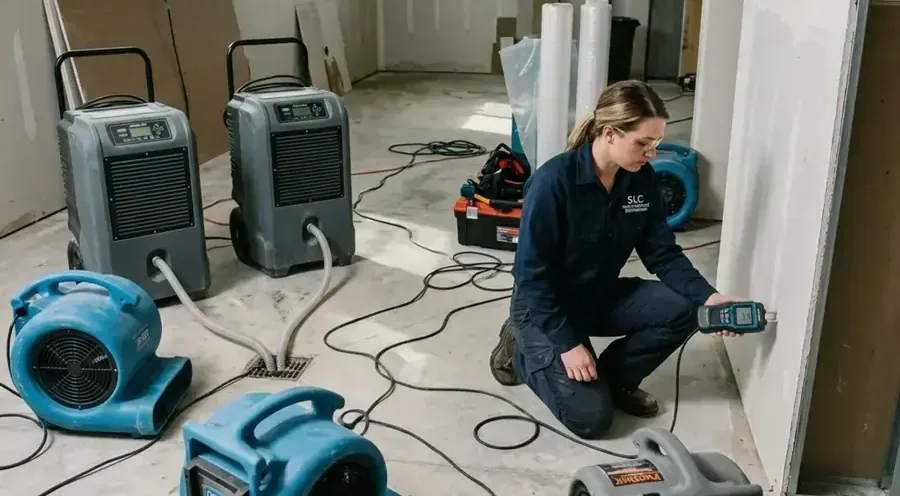
Dehumidification and directed airflow remove moisture from opened floor and wall assemblies, with equipment adjusted whenever the daily readings show an uneven drying pattern.
- 4
Confirm installation conditions
The contractor documents final material readings and identifies remaining substrate checks, allowing the flooring installer to apply the product requirements before reinstatement begins.
A warm floor patch, unexplained dampness or water at a wall base deserves a source investigation. Those observations can help locate a problem, but the repair plan needs actual testing. The restoration team concentrates on the materials affected by escaped water, including layers that hide beneath an intact floor finish.
Slab leak moisture below Anna floors
For homes accessed from FM 455 and West White Street, the call should identify the room and whether water is still appearing after shutoff. Natural Springs Park gives a useful nearby reference without explaining the cause of an indoor leak. The plumber uses appropriate location testing before deciding where access is necessary.
The drying crew checks beyond the repair opening. A wet slab can pass moisture into adhesive, underlayment and wood wall plates. Cabinet bases and flooring transitions can hold moisture even when the exposed concrete looks lighter. Photographs and readings establish the footprint before removal starts.
- Leak-location findings distinguish the source repair from the damaged-material scope.
- Meter checks compare the affected floor with similar dry areas of the building.
- Selective access reveals layers that surface readings alone cannot fully describe.
Planning access without losing the moisture trail
An opening in concrete is only one part of the job. The contractor records removed flooring, protects nearby finishes and keeps debris separate from clean rooms. The plumber completes and tests the repair, while the drying team tracks the moisture remaining in the surrounding assembly. Closing the opening too early can trap water beneath replacement materials.
- Flooring removal follows condition, contamination and the ability to dry each layer.
- Dehumidification controls the air while targeted airflow reaches exposed wet materials.
- Daily readings identify stalled areas that need a revised access or equipment arrangement.
Checking readiness for replacement flooring
In the service area around Slayter Creek Park, floor reinstatement still depends on the product and substrate requirements at the individual property. A general drying target does not replace an adhesive or flooring manufacturer's moisture limit. The installer and restoration contractor should agree on the required checks before new flooring goes down.
The EPA household leak information explains routine leak detection. The Texas Department of Insurance consumer information helps homeowners ask policy questions. Keep the plumber's source report, the opening photographs and drying measurements together so the repair and resulting damage remain understandable.
Anna slab leak water damage response
ZIP 75409 includes the service area around Natural Springs Park, West White Street and Slayter Creek Park. Describe the affected rooms and safe access when requesting restoration.
See the covered communitiesRelated water damage services
Slab Leak Water Damage questions
1Does every damp floor mean a slab leak?
No. Appliance releases, drainage problems and other sources can create similar patches. A plumber checks the supply system while the restoration technician maps where building materials actually hold moisture.
2Can water travel beyond the concrete opening?
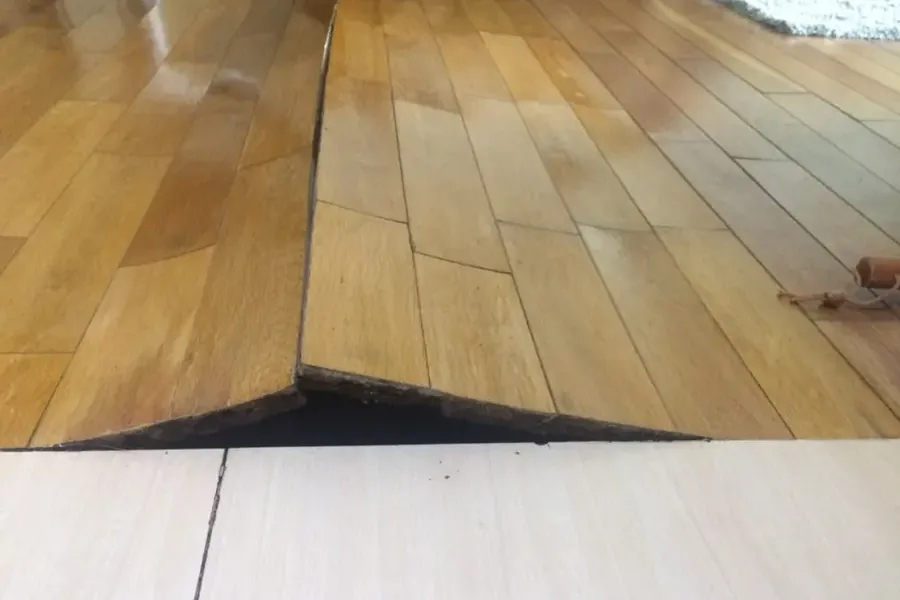
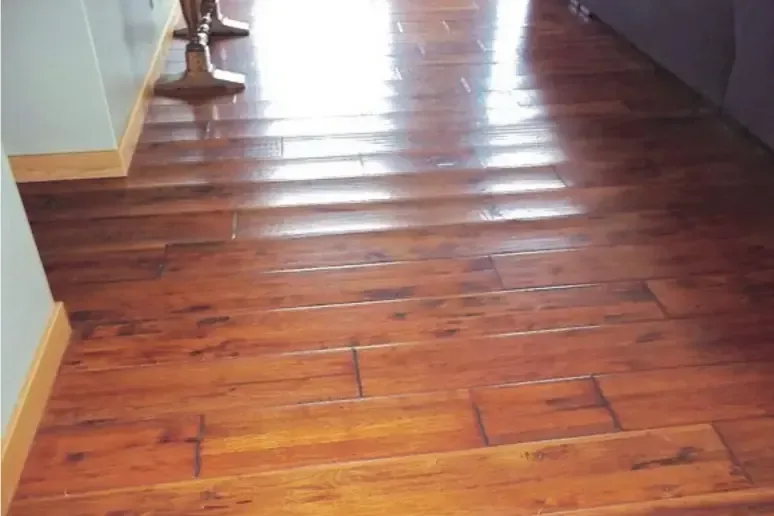
Yes. Water can spread beneath finishes and enter nearby wall bases. The technician checks the surrounding assembly instead of limiting the drying plan to the area exposed for plumbing access.
3Will all the flooring need removal?
The material condition and drying access determine the extent. Some layers can dry in place; damaged, contaminated or inaccessible layers may need removal to expose the remaining wet assembly.
4When can replacement flooring go down?
After the required moisture checks satisfy the specific flooring and adhesive requirements. Dry-looking concrete is not a completion test, and the installer may need substrate testing beyond routine restoration readings.
5Which records help explain the work?
Keep the leak-location report, repair invoice, opening photographs, moisture map and drying logs. The insurer reviews the policy and cause when separating access, pipe repair and resulting water damage.
6Is an active under-floor leak urgent?
Yes. Continued flow can widen the wet footprint beneath finishes. 24/7 response begins with safe shutoff information and a clear description of the rooms, without promising an arrival time.
Dry the layers around the repaired pipe
24/7 restoration support follows the moisture beyond the opening and records the conditions before flooring returns.