Water Damage Restoration Anna, TX
Water moves beneath floors and behind walls long before a room looks flooded. Local restoration pros extract the water, measure hidden moisture and organize the dry-out, with 24/7 emergency response.
(888) 527-9134Wet rooms? Start a drying planDescribe the source, the wet rooms and any unsafe access. The response begins with those details.
Water Damage Restoration Services in Anna, TX
Choose the problem that matches the release. Each service addresses its own source, affected materials and drying decisions, from a leaking appliance to contaminated outside water.
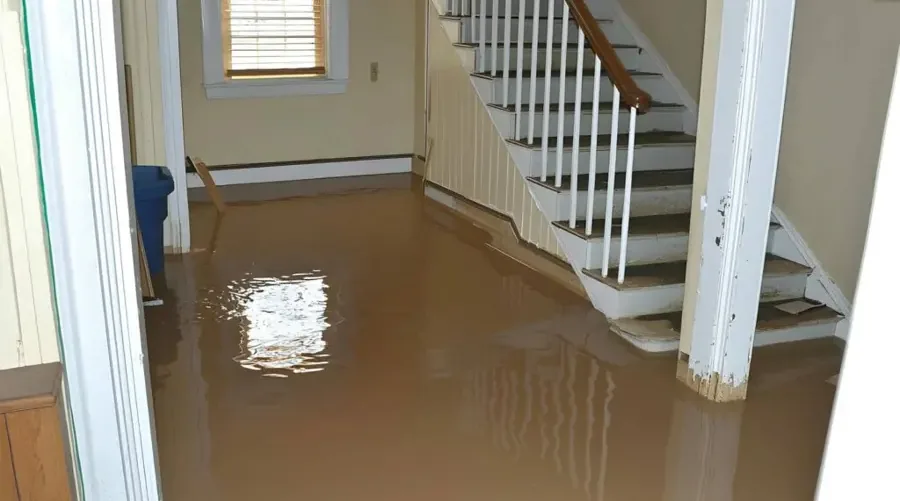
Water Extraction
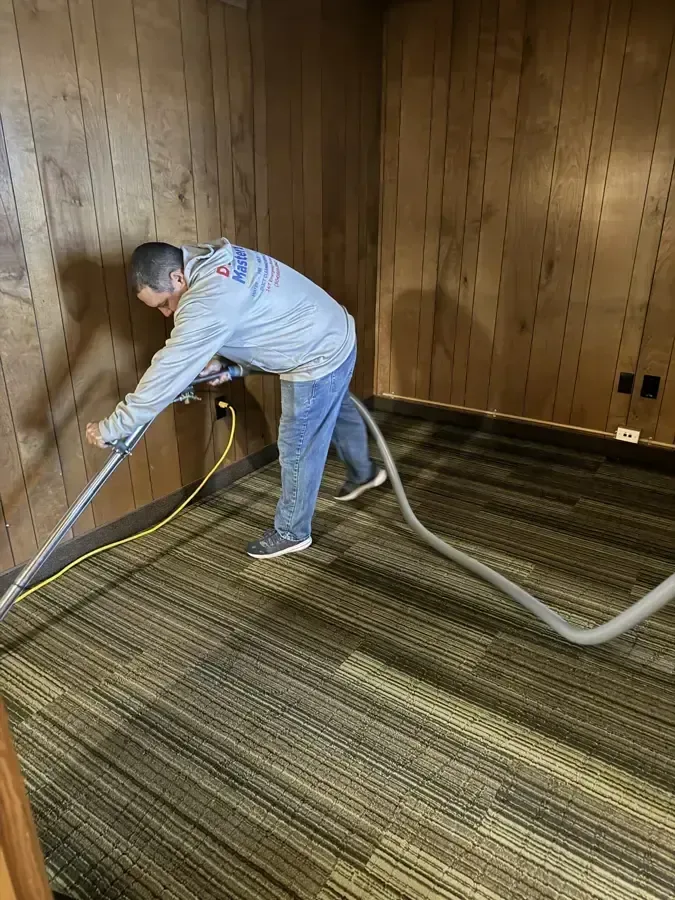
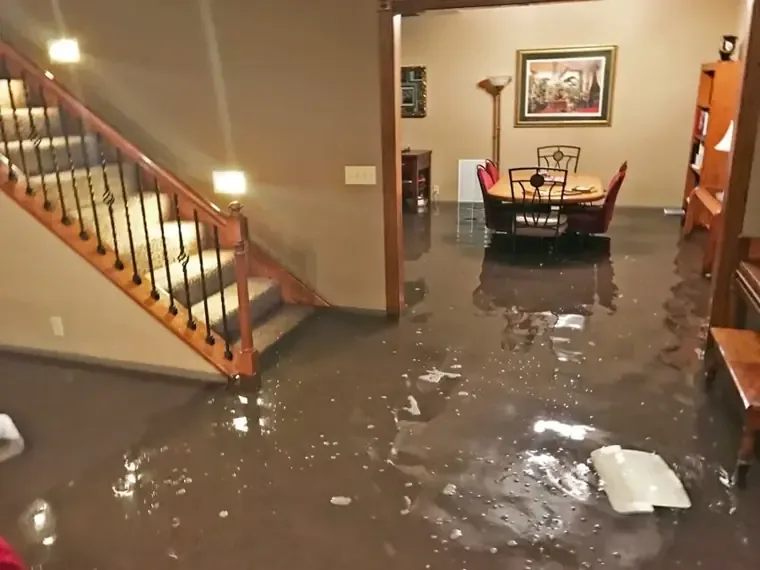
Pooled water and saturated carpet need removal before the remaining materials can dry.
water extraction details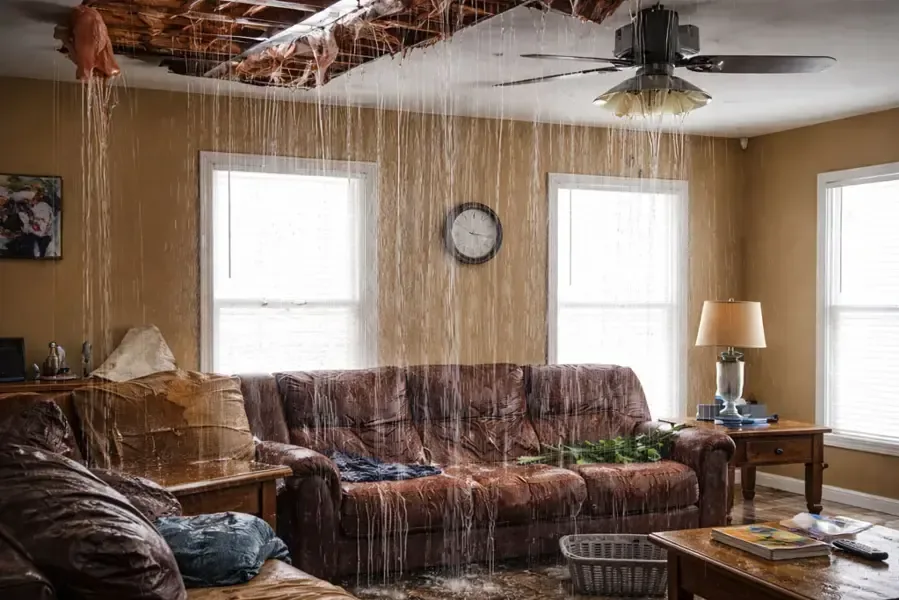
Burst Pipe Water Damage
A split supply pipe can soak wall cavities and several rooms before shutoff.
burst pipe water damage details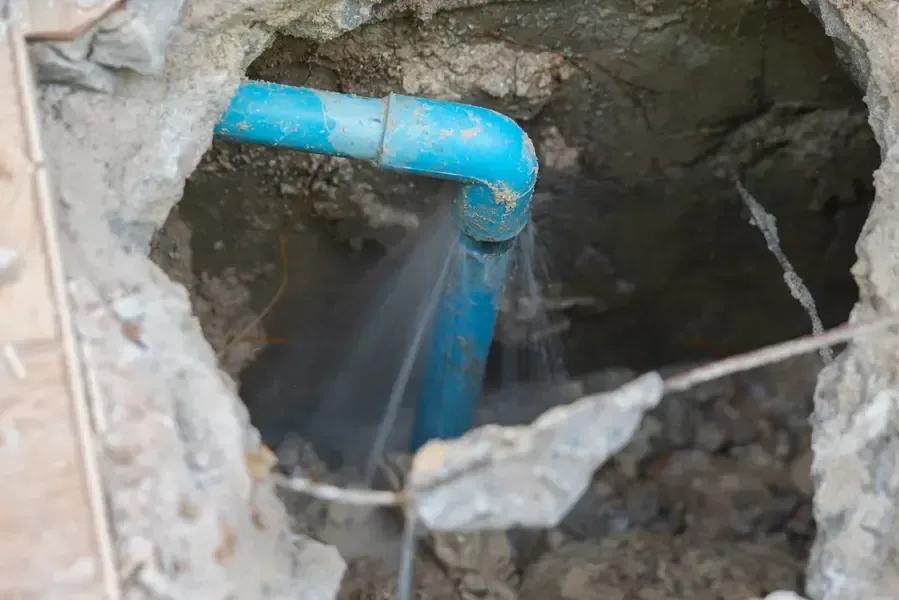
Slab Leak Water Damage
Under-floor leaks require source location and moisture checks beyond the concrete opening.
slab leak water damage details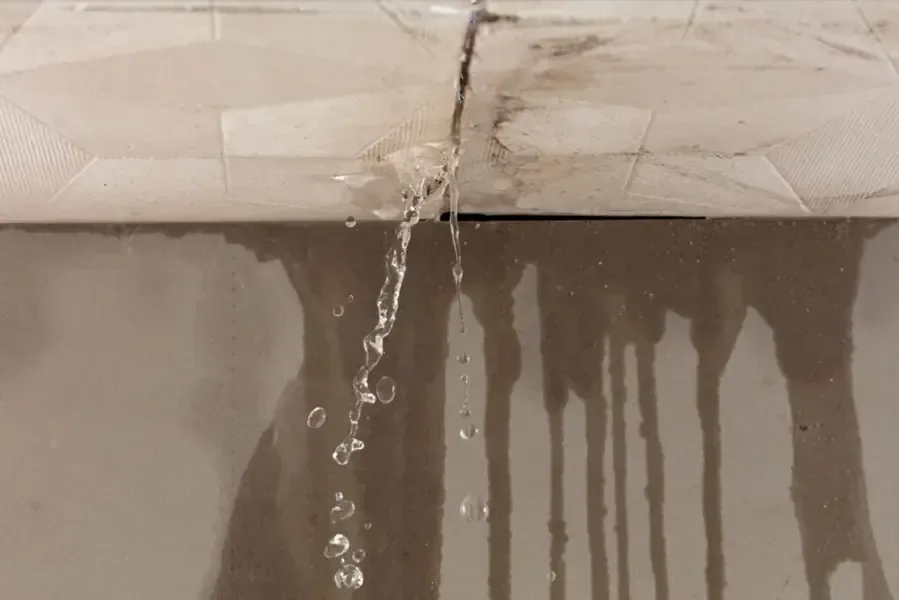
Ceiling Leak Water Damage
Sagging drywall, wet insulation and electrical fixtures shape the overhead cleanup plan.
ceiling leak water damage details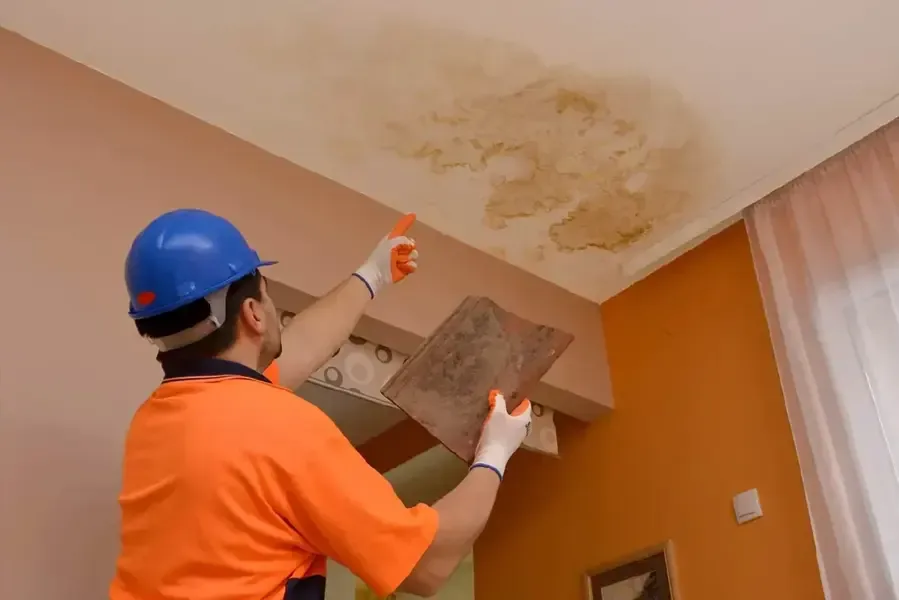
Roof Leak Water Damage
Rain entering the roof can travel through attic framing before a ceiling stain appears.
roof leak water damage details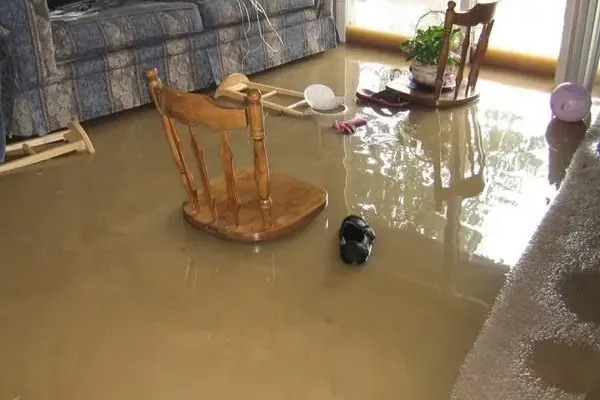
Storm Flood Cleanup
Outside water requires contamination controls, careful removal and a measured structural dry-out.
storm flood cleanup details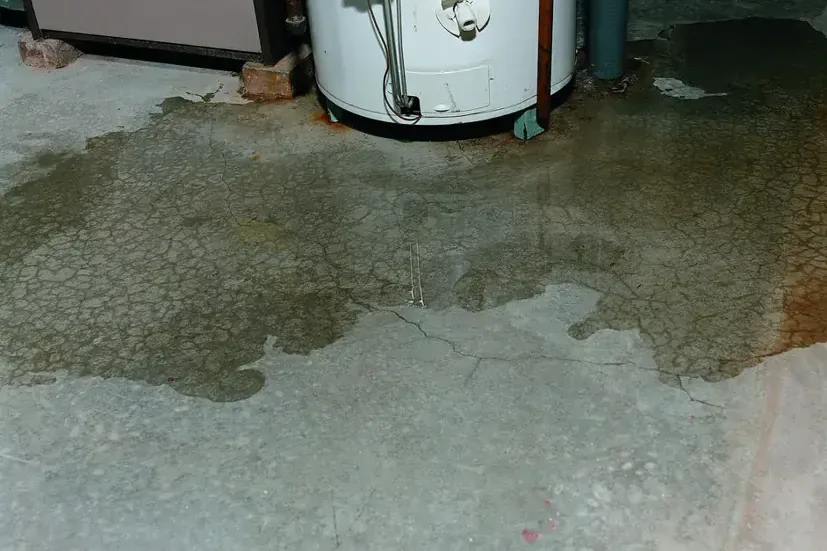
Water Heater Leak Cleanup
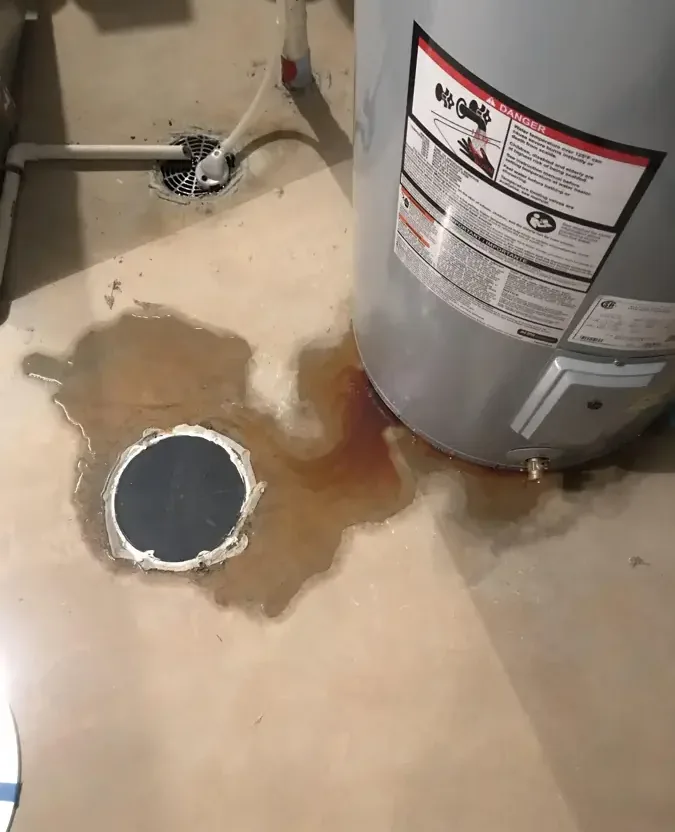
A tank release can reach platforms, utility closets and the finished room next door.
water heater leak cleanup details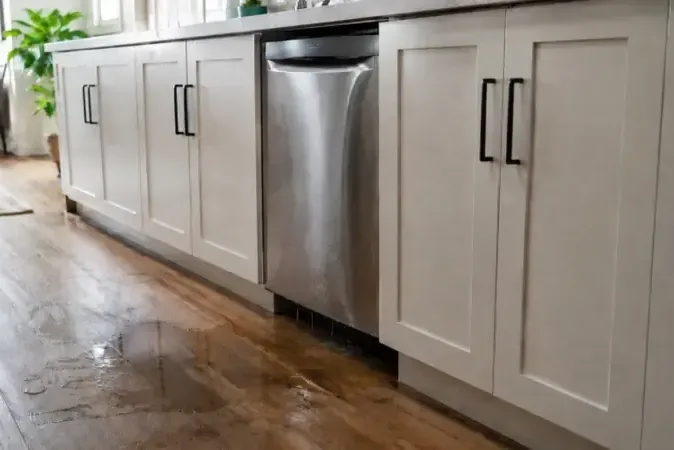
Appliance Leak Water Damage
Washer and dishwasher leaks can hide beneath cabinet bases and layered flooring.
appliance leak water damage details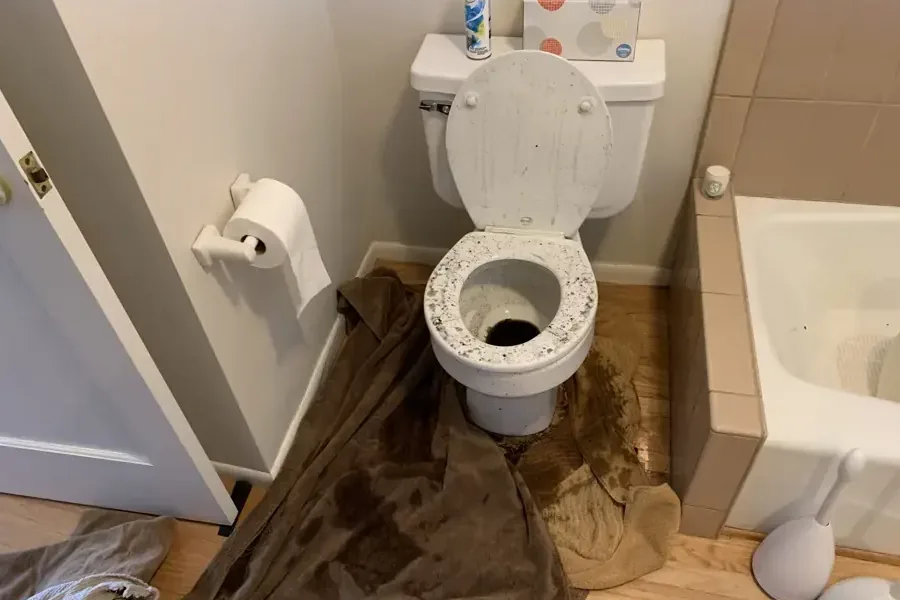
Toilet Overflow Cleanup
Tank water and waste-contact bowl discharge demand different cleanup decisions.
toilet overflow cleanup details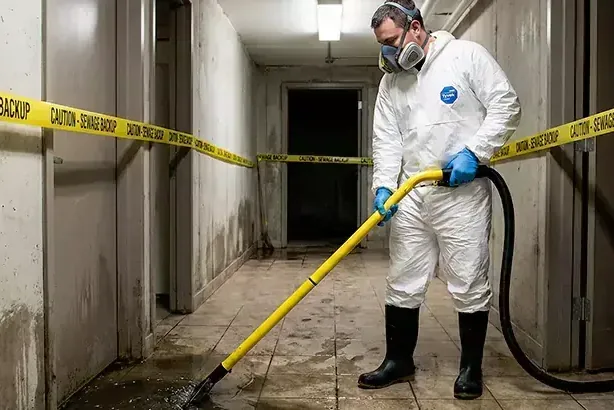
Sewage Backup Cleanup
Category 3 water needs protective boundaries and removal of affected porous materials.
sewage backup cleanup details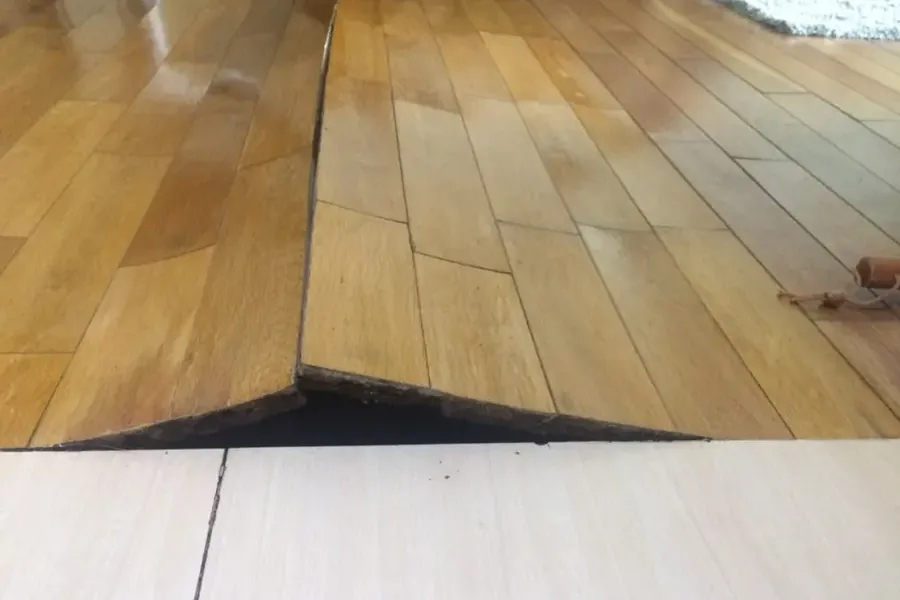
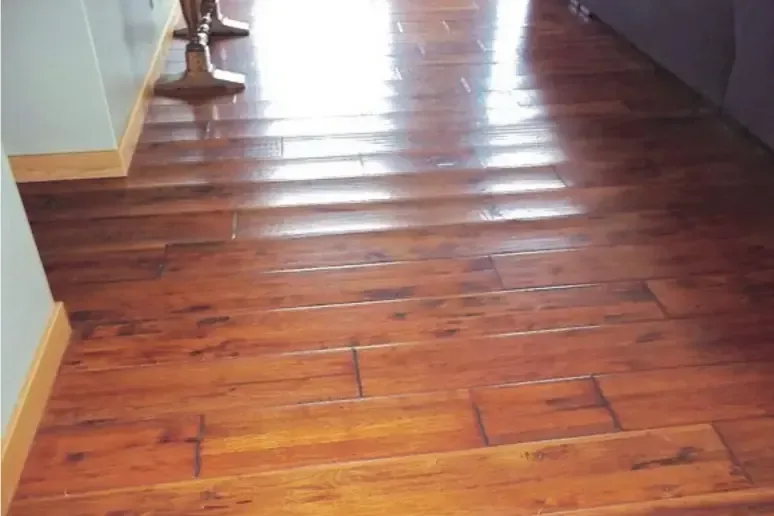
Hardwood Floor Water Damage
Cupping and lifted boards call for measurements above and beneath the finish.
hardwood floor water damage details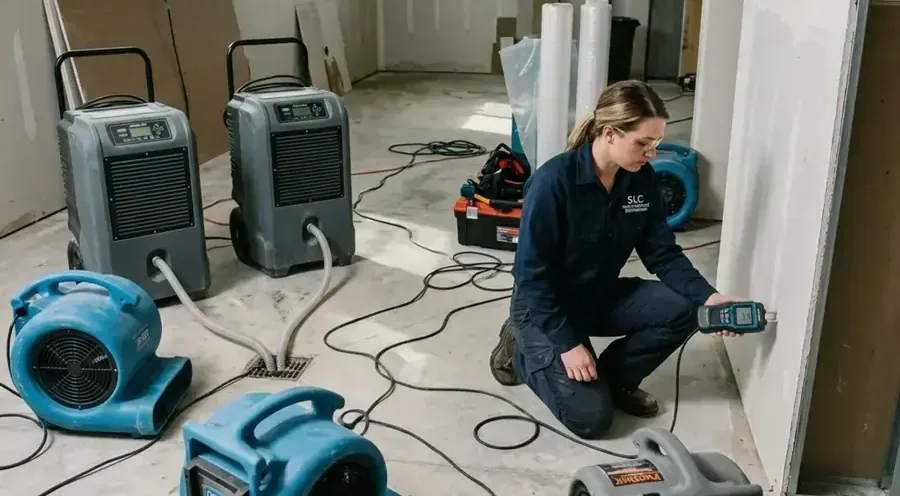
Structural Drying
Air movement and dehumidification follow a moisture map through the retained structure.
structural drying details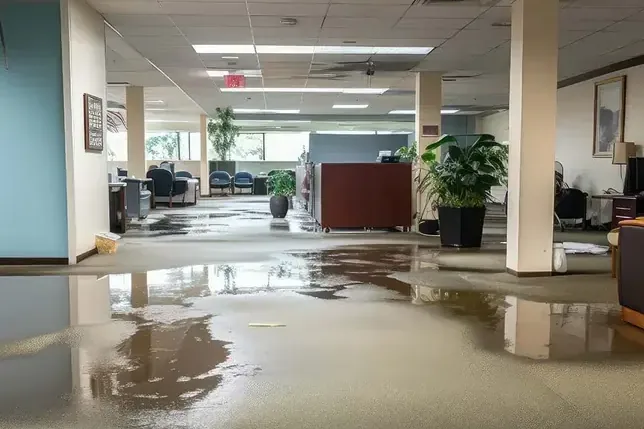
Commercial Water Damage
Business losses need controlled access, inventory records and separate drying zones.
commercial water damage details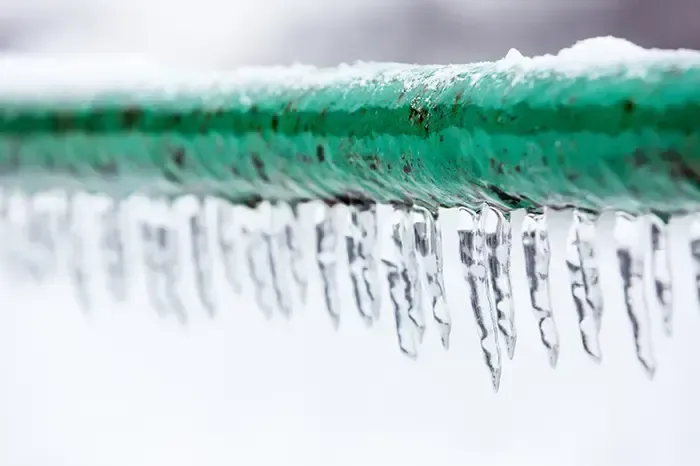
Frozen Pipe Water Damage
Thawing can reveal a concealed split and release water into surrounding assemblies.
frozen pipe water damage details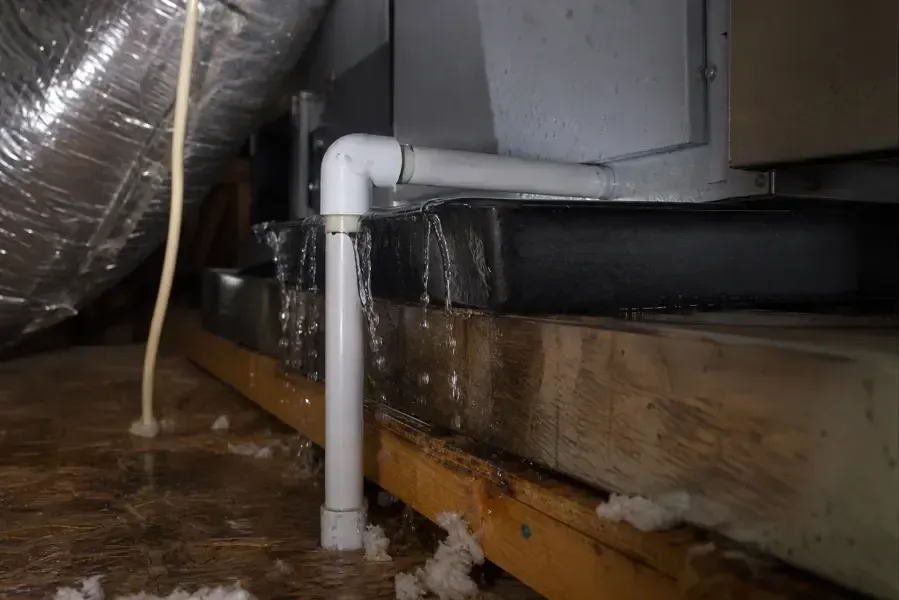
AC Leak Water Damage
Condensate problems can wet mechanical closets, insulation and ceilings below the unit.
AC leak water damage detailsWhat to do while the water is still moving
- 1
Stop the source safely
Use a known accessible shutoff when safe; avoid reaching into wet electrical spaces.
- 2
Keep people clear
Close the affected room when a ceiling sags or water contacts electrical equipment.
- 3
Separate dry belongings
Move portable dry items through a safe route without carrying contaminated water elsewhere.
- 4
Photograph the first signs
Record the source and wet edges from dry ground before materials change or disappear.
- 5
Explain the access
Describe the affected rooms, water source and hazards when requesting the restoration response.
Water damage dried to the IICRC S500 standard
The IICRC S500 standard frames water-damage restoration around the source, category and affected materials. The drying team checks the remaining moisture load and adjusts the setup as readings change.
- 1
Inspect and map
The technician locates wet materials and suitable dry references before choosing the extraction and drying methods.
- 2
Extract and expose
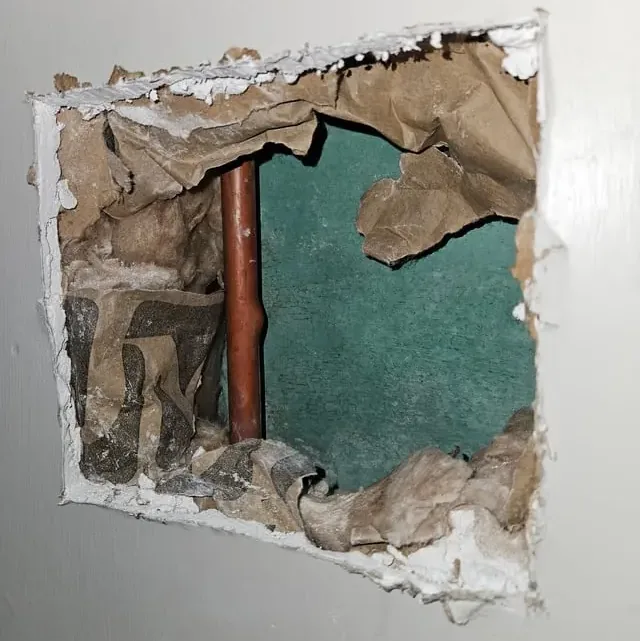
The crew removes standing water and damaged layers, opening necessary access to hidden moisture.
- 3
Control the air
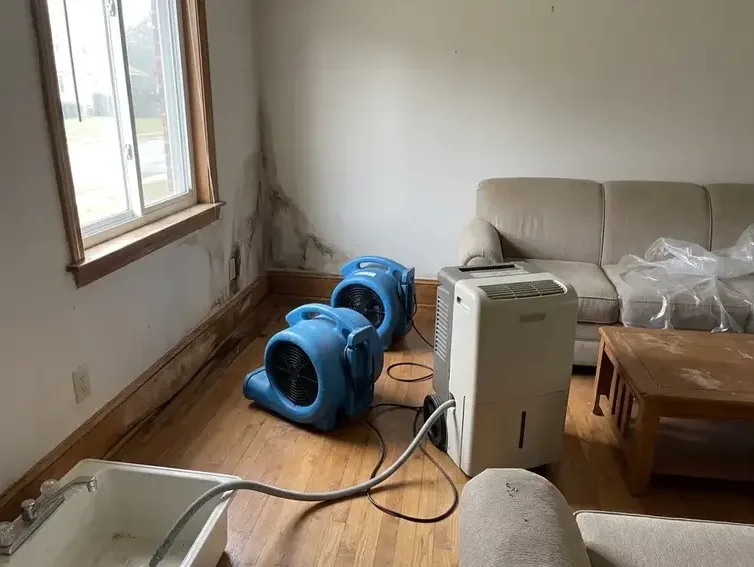
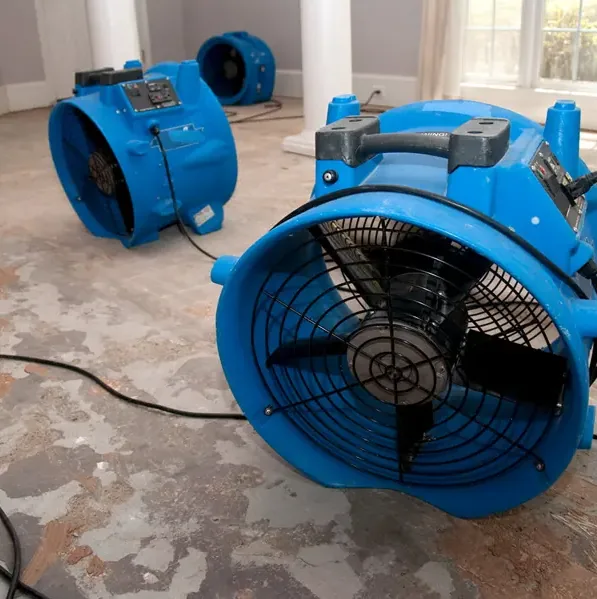
Dehumidifiers remove moisture from the air while directed airflow supports evaporation from accessible materials.
- 4
Verify before repairs
Final readings and any product-specific tests establish whether flooring or wall finishes can return.
Source-aware assessment
A drain backup, outside flood and clean pipe release need different material decisions.
Measured progress
Repeated readings show how framing, wall bases and floor layers respond to the equipment.
Readable records
Photographs, moisture maps and daily logs explain what changed during the work.
Property-specific access
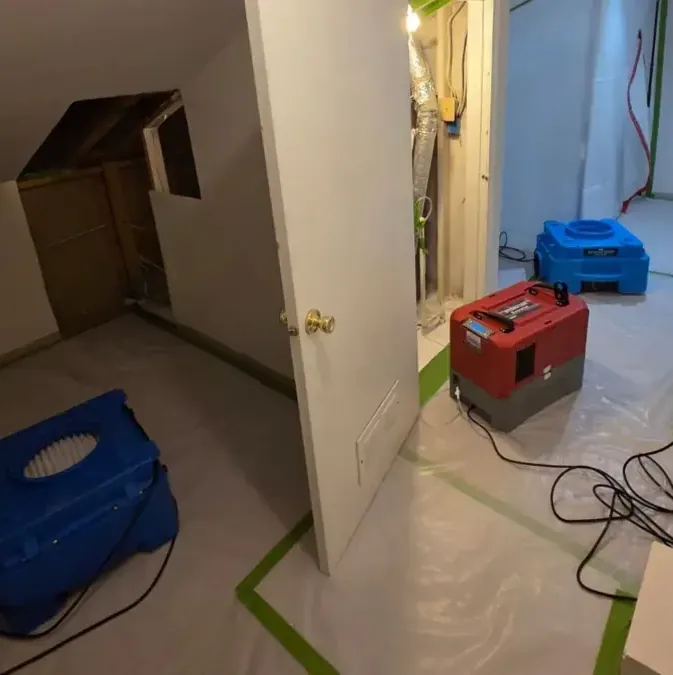
Equipment and removal boundaries fit the room layout, hazards and materials at the affected address.
A clear sequence for wet rooms
The restoration contractor separates source control, water removal and material drying. Each stage has its own measurements and records, so the repair plan follows the condition of the building.
All water damage categories covered in Anna, TX
Category 1
A clean supply release can begin as Category 1, but the technician still checks exposure and affected materials.
Clean-water extractionCategory 2
Used appliance water can contain contaminants and requires a different cleaning and material assessment.
Appliance discharge cleanupCategory 3
Sewage and contaminated floodwater need protective controls and removal of affected porous layers.
Sewage exposure responseWhat does water damage restoration cost in Anna, TX?
A limited indoor water loss commonly costs $1,000 to $5,000 for mitigation. Contaminated water, broad room coverage and concealed wet layers can raise that range; source repair and reconstruction may be separate.
- Accessible water
- Limited wet materials
- Small equipment load
- Walls and flooring
- Selective access
- Daily monitoring
- Contaminated materials
- Multiple drying zones
- Larger removal scope
Water category, affected square footage, material class and the time before drying starts all influence the work. Compare assumptions with the cost calculator before discussing the property scope.
Documentation for your insurance claim
The restoration file should make the water path and the work understandable. The contractor records conditions before removal and follows the same wet materials through the dry-out.
- Timestamped photographs before material removal
- Room measurements and an initial moisture map
- Water category and affected material class
- Daily humidity and material-reading logs
- Itemized extraction, removal and drying scope
Check the policy and the cause
Sudden pipe damage, gradual leakage, outside flooding and sewer backup can receive different coverage. The insurer explains which policy terms apply to the documented cause.
Keep the plumbing, roofing or appliance diagnosis with the restoration records. Source repair and resulting building damage may need separate scope and coverage decisions.
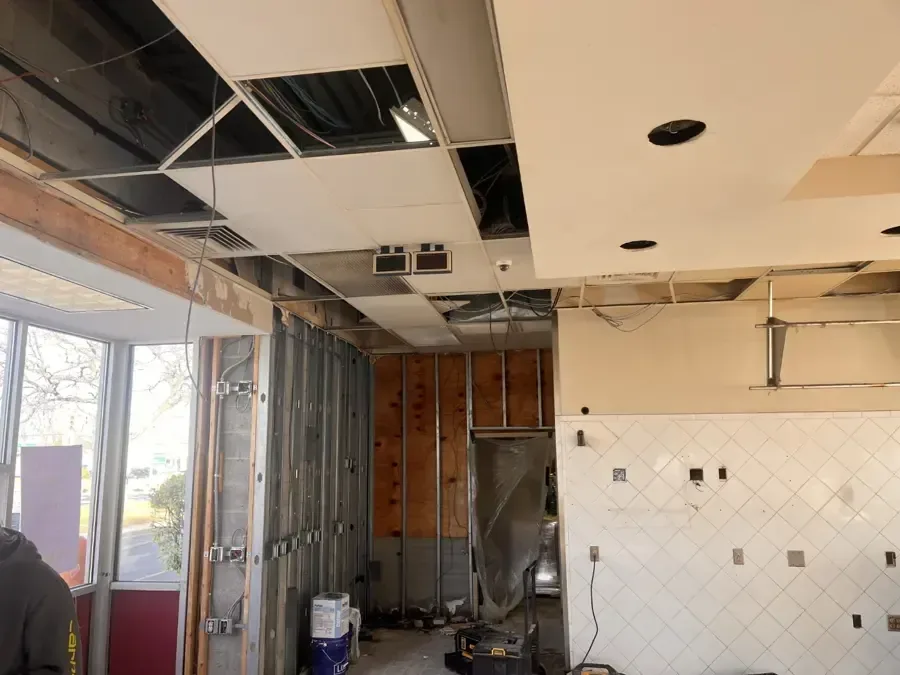
What a water damage dry-out looks like in Anna
One call reaches Anna water damage pros, 24/7
Local places and routes
ZIP served
Nearby service areas
Describe the water damage and safe access
The response team needs the affected rooms, source status and any ceiling or electrical hazards. A clear entrance description helps plan equipment access without entering an unsafe area.
Use the service-area list for community coverage. Water removal, contamination controls and drying requirements follow the conditions at the actual property.
(888) 527-9134Discuss the affected roomsPlan before you call
Community water-damage coverage
Understand the next cleanup decision
Read water-damage articles about source control, wet materials and the records that support a repair plan.
Water-damage decisions around Anna
The city combines established civic landmarks with residential growth. The loss assessment still begins at the individual building, using the water source, material condition and actual path through the rooms.
Local water system: The municipal water supply combines treated surface water and well water. The city also provides a reporting route for sewer backups through SeeClickFix Anna.
- Water-heater maintenance: The city explains that calcium buildup can reduce hot-water pressure and heater efficiency; a leak still needs its own source diagnosis.
- Floor transitions: A wet room can pass water beneath adjoining finishes, so the inspection follows thresholds and cabinet edges.
- Parks and drainage context: Natural Springs Park has a man-made pond south of West White Street; property inspections identify the actual water-entry route.
- Shared occupancy: The census includes both owner-occupied and rented housing, making clear owner and occupant contacts useful during access and repair planning.
- Hidden ceiling paths: An overhead leak can follow framing before a stain appears, requiring checks above and beside the visible mark.
Water damage restoration questions
1What happens first after a water-damage request?
The response team asks about the source, affected rooms and safe access. The property assessment then identifies hazards, contamination and the material footprint before extraction or removal decisions begin.
2Is restoration available 24/7?
24/7 water-damage response treats active releases as urgent. Access conditions and the current workload affect scheduling, so the team assesses those details before discussing arrival rather than promising a fixed time.
3Is a dry-looking floor enough to stop equipment?
No. Water can remain beneath finishes or inside wall bases. The drying technician compares material readings with suitable dry references and checks any product requirements before the repair handoff.
4Will every wet wall need removal?
The water category, material condition and drying access determine that decision. Contaminated porous layers and damaged insulation need different treatment from accessible materials that can dry safely in place.
5Does insurance cover all water damage?
Coverage depends on the cause and policy. Sudden pipe releases, gradual leakage, sewer backup and outside flooding may receive different treatment. Ask the insurer to explain the applicable terms.
6What is the difference between mitigation and rebuilding?
Mitigation controls the water damage through extraction, necessary removal, cleaning and drying. Rebuilding restores removed finishes or damaged components after the underlying materials meet the required conditions.
7How should sewage water be handled?
Keep people and pets away. The crew treats sewage as Category 3, establishes protective boundaries and removes affected porous materials before cleaning and drying retained structure.
8Can household fans finish the dry-out?
Fans alone do not remove moisture from the air or verify hidden materials. Professional drying combines suitable access, air movement, dehumidification and repeated readings; contaminated areas require cleanup controls first.
9What records should the homeowner keep?
Save initial photographs, source-repair findings, affected-area measurements and drying logs. An itemized scope helps explain the work, while the insurer reviews coverage and the repair contractor plans reinstatement.
Active water needs a safe starting point
Describe the release and the affected rooms. The response team plans assessment around source control, access and any immediate household hazards.
(888) 527-9134Discuss the water-loss detailsStart with the source and the wet rooms
Anna Water Damage Restoration offers 24/7 water-damage response information for extraction, contamination controls and measured structural drying.