AC Leak Water Damage in Princeton
A condensate overflow can keep wetting the same hidden area while the room below shows only a small stain. Cleanup follows the water from the equipment space into insulation, framing and the finishes beneath it.
(888) 527-9134Discuss moisture beneath the AC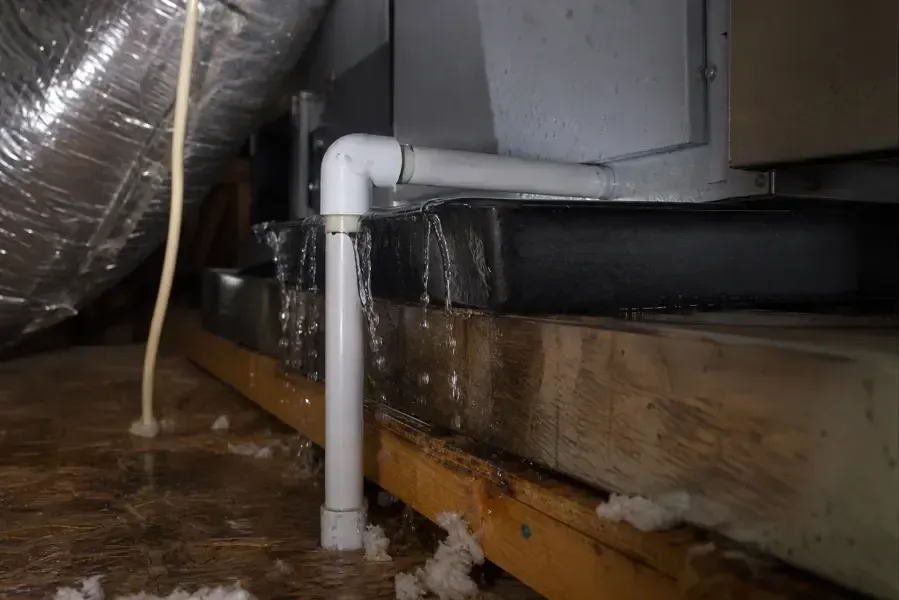
First steps for AC leak water damage
- 1Avoid wet equipment components
Keep clear of damp wiring, controls and unstable access surfaces. Describe the equipment location and visible overflow without entering an attic or closet that may be unsafe.
- 2Report the cooling pattern
Note when the system operated relative to the first stain or drip. Include whether water keeps appearing after operation changes so equipment service has useful observations.
- 3Protect safe areas below
Keep people and portable dry items away from a sagging ceiling or active drip. Move belongings only where access and overhead conditions have been assessed as safe.
- 4Plan access across both spaces
Describe the equipment area and the affected room below or beside it. Source service and material recovery need coordinated access so a repair does not conceal remaining moisture.
What does AC leak water damage cost in Princeton, TX?
AC leak restoration costs in Princeton depend on equipment access and where condensate traveled. A closet spill requires different material work from wet attic insulation or moisture concealed above several ceiling areas.
- Accessible enclosure surfaces
- Localized liquid removal
- Limited trim damage
- Wet insulation access
- Overhead material checks
- Targeted cavity drying
- Repeated assembly wetting
- Broader access needs
- Expanded finish replacement
Planning ranges depend on water category, affected square footage, material class and how quickly drying starts. The water damage cost calculator compares scope assumptions; the property inspection sets the work required.
How AC leak water damage proceeds
- 1
Connect the symptom to the source
The assessment records equipment location, operating observations and the visible water route. Safe access needs are established before the surrounding building layers are opened or inspected.
- 2
Inspect support and adjoining materials
The platform, closet or ceiling cavity is checked for retained moisture. Insulation and finishes are assessed for damage and whether they prevent access to wet framing.
- 3
Recover and dry affected layers
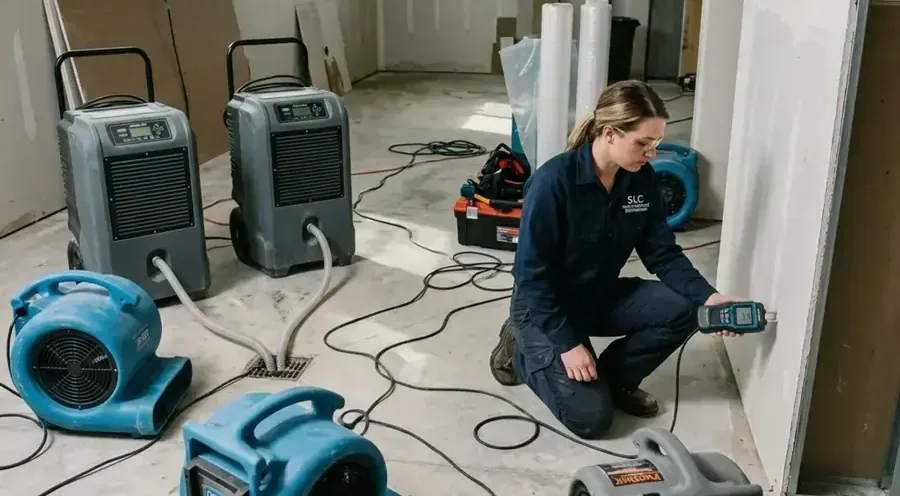
Accessible water is removed after source control. Suitable retained materials receive targeted drying with readings that show the response around the equipment and adjacent rooms.
- 4
Coordinate finish replacement and service
The handoff distinguishes equipment operation from material recovery. Remaining inspection needs, damaged finishes and access requirements are identified before repairs enclose the affected platform or cavity.
A cooling-system leak may appear as a stain well below the equipment that produced it. In Princeton properties, AC water damage assessment connects the condensate source with the materials along its path. An equipment repair addresses the overflow, while the platform, insulation and finishes around it may still hold water that needs separate recovery.
Describe the operating pattern and visible water
Note whether moisture appears while cooling runs, after it stops or continuously. The timing helps direct equipment service, while water near electrical components requires safe access decisions. Occupants should avoid entering a wet equipment space or reaching across damp wiring to inspect a pan. Report the visible symptom and the equipment location from a safe position.
- Record the relationship between cooling operation and new ceiling stains or drips.
- Describe water outside the pan and any wet surface beneath the equipment.
- Keep attic access limited where walking surfaces, wiring or ceiling stability are uncertain.
Trace moisture around the equipment support
In Trails At Riverstone, a property might show a ceiling stain under attic equipment. At a home in Monte Carlo, an equipment closet could reveal damp trim instead. These are different possible installations, each requiring its own assessment. The observed route determines where openings and material readings are useful, rather than the neighborhood name.
A wet platform can transfer moisture to adjacent framing or insulation. Water may also follow a pipe or edge before reaching the room below. Ceiling damage assessment addresses the overhead finish, while the equipment-space inspection establishes which concealed layers need access, cleaning or removal before they can dry effectively.
- Check the full support area instead of only the visible pan edge.
- Assess insulation that contacts wet framing or obstructs inspection beneath the unit.
- Include wall and floor finishes where condensate has escaped an equipment closet.
Keep service completion separate from material recovery
For an affected property in De Berry Estates, normal equipment drainage is a useful source-control result. It does not remove existing moisture from the building. Structural drying uses the accessible wet materials and their readings to establish equipment placement and progress before ceiling or closet finishes are replaced.
Princeton requires work subject to permit inspections to remain accessible until approval. Applicable reconstruction access should therefore be coordinated with equipment service and drying. The final scope identifies source correction, retained layers and damaged finishes, keeping each part of the repair understandable before the equipment space and the rooms below return to normal use.
Princeton ac leak water damage response
AC leak assessment serves Princeton properties in Trails At Riverstone, Monte Carlo and De Berry Estates. Restoration follows the actual equipment position, condensate pathway and condition of surrounding materials.
The same service nearby: ac leak water damage in Anna, Farmersville, Van Alstyne.
Water damage restoration in Princeton · every town coveredRelated water damage services in Princeton
AC Leak Water Damage questions
1Does clearing a condensate drain finish the cleanup?
That addresses the equipment drainage problem when it is the source. Wet insulation, framing or finishes still need assessment, and their moisture condition determines the remaining restoration work.
2Why is the ceiling stain away from the unit?
Condensate can follow a pipe, framing edge or other surface before reaching the room. Tracing that path helps identify wet materials between the equipment and the visible stain.
3Can a small stain conceal a larger wet area?
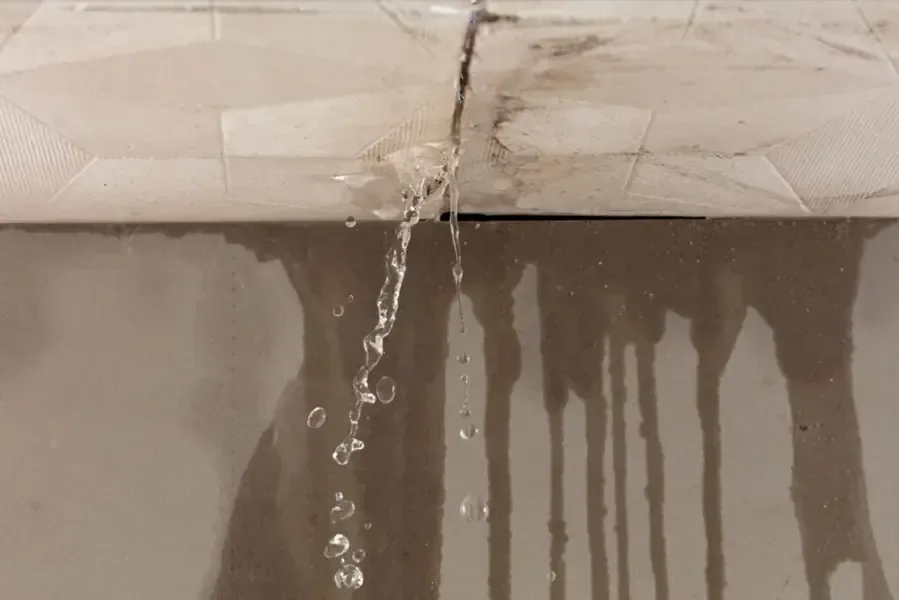
Yes. Insulation and framing above the finish can absorb water before the ceiling changes visibly. The assessment checks those concealed layers rather than using stain size as the drying boundary.
4Should attic insulation be left untouched?
Its condition and effect on access need assessment. Wet insulation can hold moisture against framing or conceal damage, so selective removal may be required before retained materials can dry.
5What if the leak appears only during cooling?
Record that pattern and report it during equipment service. Intermittent overflow can repeatedly wet the same concealed materials, so the restoration assessment should consider both current moisture and physical damage.
6When can the ceiling below be repainted?
Repainting follows source correction, appropriate material drying and any necessary board replacement. The repair also needs applicable inspection access completed before an opened ceiling or equipment cavity is enclosed.
Recover the space beneath the cooling equipment
Discuss insulation, framing and room finishes that became wet so material drying stays connected to the source repair.