Burst Pipe Water Damage in Anna, TX
A burst pipe can feed water into walls while the floor still looks only damp. Anna restoration pros trace the wet path after shutoff, extract escaped water and dry the opened assemblies.
(888) 527-9134Pipe split? Plan the cleanup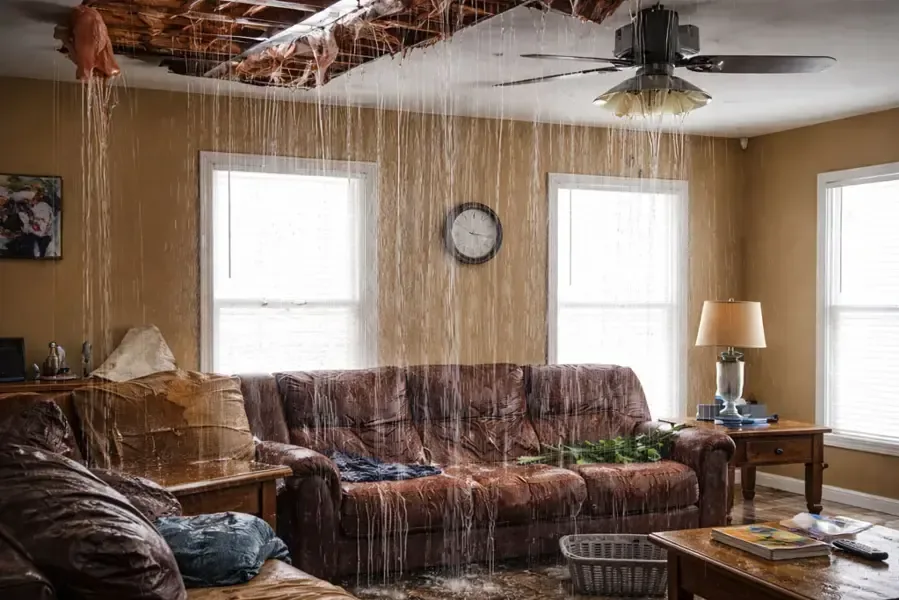
First steps for burst pipe water damage
- 1Close the supply
Use the known shutoff only from a safe dry position; stop searching inside a wet electrical area and explain the access problem when requesting help.
- 2Leave damaged ceilings alone
Keep people below a sagging or dripping ceiling away from that room, since trapped water can release suddenly and wet electrical fittings may remain energized.
- 3Save the failure details
Ask the plumber to identify the failed pipe or fitting and retain photographs, while the restoration team records the separate spread into walls and floors.
- 4Limit cross-room traffic
Keep shoes and belongings out of pooled water, and move dry portable items only when the route is clear and the water source is safe.
What does burst pipe water damage cost in Anna, TX?
Burst pipe cleanup often ranges from $1,000 to $5,000 for a contained indoor loss. Multiple floors, wet insulation and concealed water increase the drying work; plumbing repair and finish replacement are separate scope items.
- Source already isolated
- Limited floor extraction
- Accessible wall bases
- Wet insulation removal
- Several drying zones
- Daily material measurements
- Water across levels
- Complex cavity access
- Larger equipment load
Planning ranges depend on water category, affected square footage, material class and how quickly drying starts. The water damage cost calculator compares scope assumptions; the property inspection sets the work required.
How burst pipe water damage proceeds
- 1
Locate affected assemblies
The technician maps readings on both sides of the pipe opening and follows moisture toward adjacent rooms, identifying the full footprint before extraction begins.
- 2
Extract escaped water
The crew removes accessible water from floors and recoverable carpet, then checks the remaining load under finishes and around lower wall cavities.
- 3
Open drying access
The mitigation team removes unsalvageable wet layers and creates controlled airflow paths, documenting each opening so the later repair plan remains clear.
- 4
Record stable readings
The drying specialist adjusts equipment as materials respond and compares final values with dry references before recommending that the walls or floors be closed.
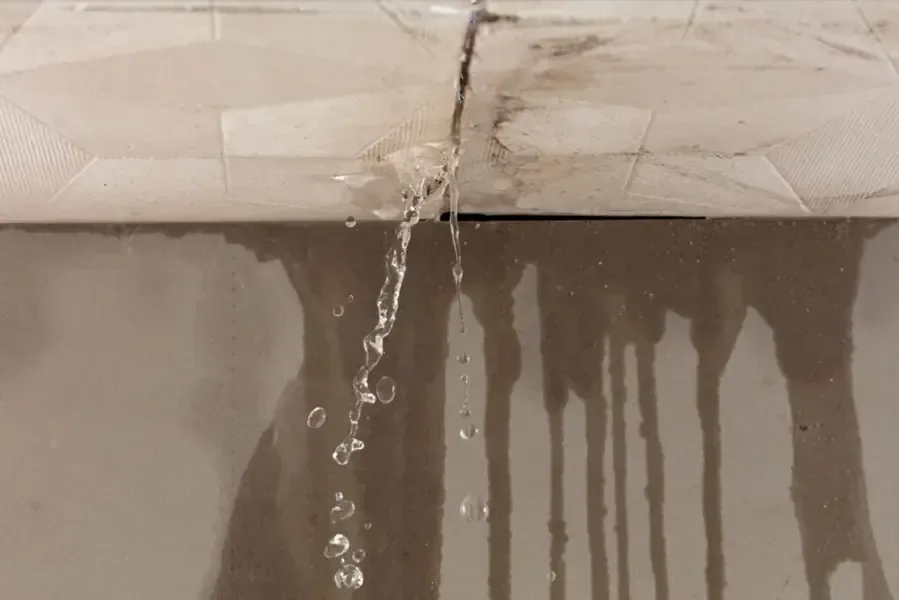
Pressurized pipe water spreads differently from a slow drip. A failed fitting can wet insulation, wall framing and several floor layers before a household notices the sound or pressure change. Plumbing repair stops the release, but the restoration team must still find and remove the water already inside the building.
Tracing a burst pipe through the house
The first inspection follows the pipe route and gravity rather than stopping at the damaged fitting. The crew checks the room below, adjoining closets and the far side of a shared wall. The homeowner should describe access from US 75 or West White Street without entering an unsafe wet room to find more details.
- A plumber isolates and repairs the failed supply section before the system returns to normal service.
- The mitigation team photographs the exposed opening and checks surrounding insulation for retained water.
- Wet wall bases and doorway edges help locate the path toward neighboring rooms.
Burst pipe drying in Anna
Near Natural Springs Park, as elsewhere in the city, the building assembly sets the drying method. A painted wall can feel dry while insulation behind it stays wet. The technician identifies which materials allow airflow, which require controlled openings and which cannot remain. The team documents those decisions before cutting so the repair scope has a clear starting point.
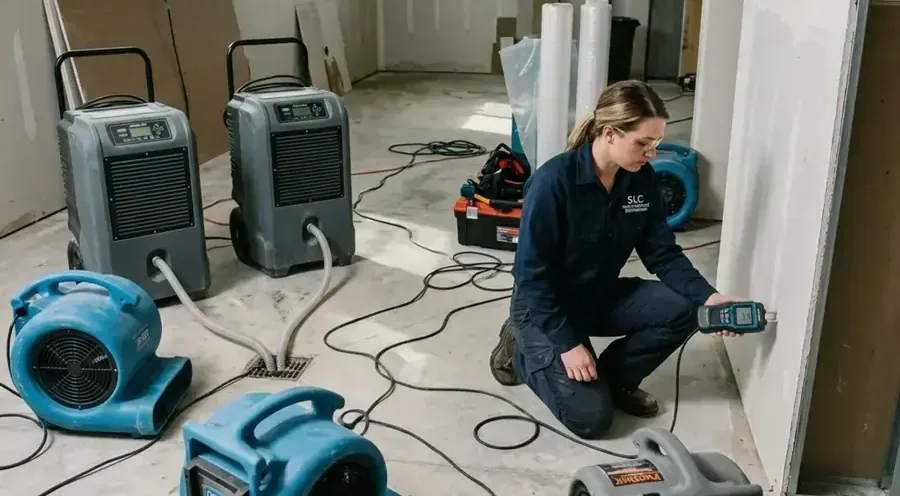
Air movers support evaporation after extraction; dehumidifiers remove the released moisture from room air. Equipment placement changes with readings instead of remaining fixed throughout the job. The crew checks beneath furniture and cabinet ends, where water may linger outside the strongest airflow.
- Dry reference readings establish the target for comparable wood or other materials.
- Daily measurements show whether concealed areas are responding to the setup.
- Electrical circuits stay isolated wherever the qualified electrician identifies water-related hazards.
Separating repair records from drying records
Slayter Creek Park provides a useful location reference, but a loss report needs the actual rooms, materials and source. The plumber's repair invoice identifies the failed component. The restoration file records water removal, material access and the drying trend. Together those records explain the event and support separate decisions about drying and replacement.
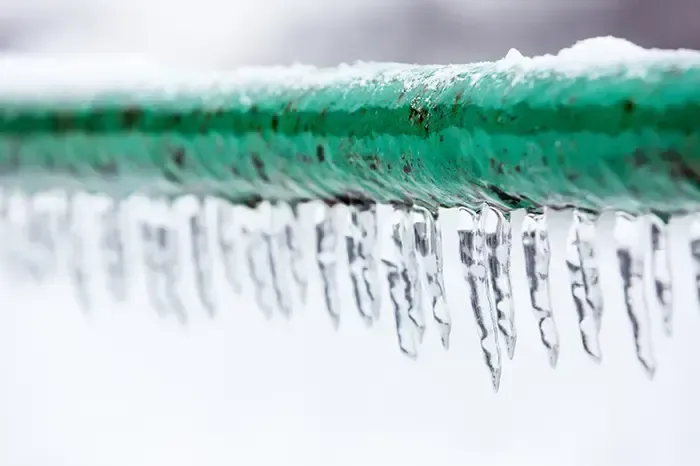
The Texas Department of Insurance winter precautions discuss shutoff and frozen pipes. The EPA WaterSense leak information explains checking household leaks. A sudden split, a freeze-related break and a long-running concealed leak need distinct source descriptions for both repairs and insurance review.
Keep source repair and resulting damage distinct
The plumbing report should identify the failed component and the repair performed. The restoration record then follows escaped water through the affected materials, showing the initial moisture map, removal decisions and final readings. Save both records before replacement finishes hide the original conditions. A sudden pipe release and the cost of repairing the pipe can receive different policy treatment, so ask the insurer to explain those scope items separately. The contractor documents the work and measurements; the claim decision stays with the insurer under the applicable policy terms.
Anna burst pipe water damage response
ZIP 75409 includes the service area around Natural Springs Park, West White Street and Slayter Creek Park. Describe the affected rooms and safe access when requesting restoration.
See the covered communitiesRelated water damage services
Burst Pipe Water Damage questions
1Does a repaired pipe mean the room is dry?
No. A successful plumbing repair stops new water, but insulation, framing and floor layers can still hold moisture. The drying team checks those materials independently before repair finishes cover them.
2What if water ran into another room?
Tell the technician where the water traveled, even if that room now looks dry. Meter readings at thresholds and wall bases help locate concealed moisture beyond the original leak.
3Should a household open the wall immediately?
Avoid cutting into a wet wall before the pipe route and electrical hazards are assessed. Controlled access should follow photographs, a moisture map and a decision about which materials need removal.
4Can a burst pipe affect cabinets?
Yes. Water can travel underneath cabinet bases and collect against the wall behind them. The crew checks those enclosed spaces rather than assuming that a dry cabinet door means a dry base.
5Does insurance pay for the pipe itself?
Coverage depends on the policy and cause. Sudden resulting water damage and the cost of repairing the failed plumbing component may receive different treatment; the insurer should explain each part separately.
6What information helps a 24/7 request?
Give the shutoff status, the affected rooms and any ceiling or electrical concerns. Those details help the response team plan access and equipment without requiring anyone to enter a hazardous room.
A stopped pipe still leaves wet materials
The response team separates plumbing source control from 24/7 extraction and measured structural drying.