Structural Drying in Anna, TX
Structural drying in Anna targets water held in framing, subfloors and wall cavities. The drying team maps the wet materials, controls humidity and documents progress toward a suitable dry reference.
(888) 527-9134Materials damp? Discuss readings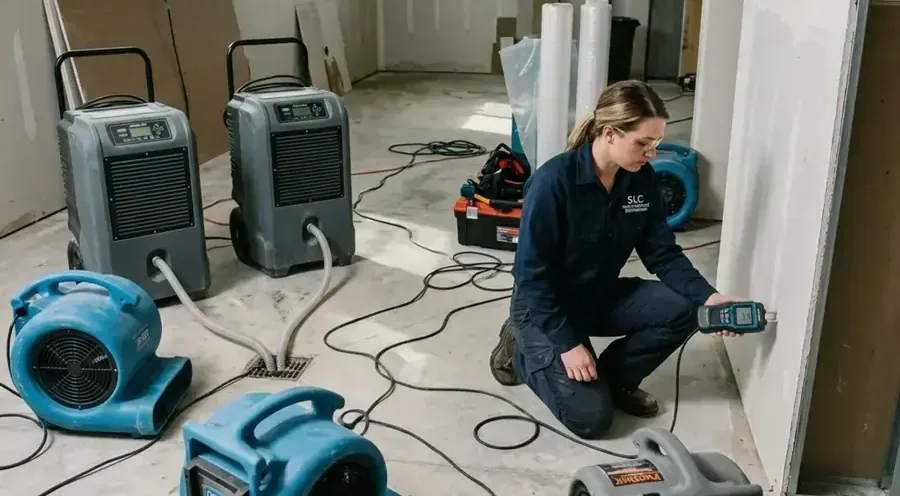
First steps for structural drying
- 1Confirm the source is controlled
Tell the technician whether plumbing, appliance or roof repairs have stopped new water, since an active release can defeat a drying setup even when equipment runs continuously.
- 2Keep equipment settings intact
Leave the arranged equipment operating as instructed and report problems rather than changing controls, opening windows or redirecting air movers without checking the drying plan.
- 3Maintain clear access
Keep belongings away from equipment intake, discharge and monitored wall areas, allowing the crew to repeat readings and inspect the same materials throughout the job.
- 4Ask about the target
Request an explanation of the dry reference and any flooring-specific conditions, so the household understands what measurements must be satisfied before equipment removal and repairs.
What does structural drying cost in Anna, TX?
Structural drying often costs $1,000 to $5,000 for a limited indoor loss. Material density, cavity access, equipment load and monitoring duration drive the total; extraction, demolition and repairs may be separate.
- Small drying zone
- Low remaining water load
- Routine monitoring
- Walls and floor layers
- More equipment capacity
- Repeated access checks
- Dense or layered materials
- Several controlled zones
- Extended documentation
Planning ranges depend on water category, affected square footage, material class and how quickly drying starts. The water damage cost calculator compares scope assumptions; the property inspection sets the work required.
How structural drying proceeds
- 1
Establish baseline readings
The specialist maps wet materials and suitable dry references, recording room conditions and the source history before calculating the equipment and access needed for the assembly.
- 2
Set the drying environment
The crew combines directed air movement with dehumidification, arranging the work zone so moisture can leave materials without spreading contamination or obstructing safe access.
- 3
Track and adjust
Repeated readings show the drying trend at consistent locations, allowing the technician to change equipment placement or open additional access when concealed moisture slows progress.
- 4
Document completion
The contractor records the final material condition and any remaining product tests, providing a clear handoff before reconstruction encloses the previously wet walls or floors.
A dry-looking room can still contain wet building materials. Structural drying addresses the moisture that remains after liquid water extraction and necessary removal. The technician identifies the affected assemblies, establishes reference readings and selects equipment for the actual load instead of placing fans by habit.
Building a drying map in Anna
Near Slayter Creek Park, a loss can affect one enclosed room or travel through several connected assemblies. The map records the rooms and materials, not just a circle around the original puddle. Homes near Sherley Heritage Park receive the same comparison between affected materials and suitable dry references within the property.
- Moisture meters identify wet wood and other materials that require follow-up readings.
- Temperature and humidity measurements describe the air supporting evaporation.
- Inspection openings reveal hidden layers when surface checks cannot explain a stalled area.
Balancing air movement and dehumidification
Air movers help moisture leave exposed surfaces; dehumidifiers remove it from the air. Either tool alone can fall short when the setup ignores wet insulation, blocked cavities or outside air entering the work zone. The drying specialist adjusts the arrangement as readings change, maintaining a controlled space around the materials.
The IICRC S500 standard provides the framework for water-damage restoration. A practical drying plan considers the water category, material class, affected volume and access. Dense or layered materials may need a different approach from exposed wall framing, and the contractor should explain why equipment choices change.
- Equipment stays until the material measurements support removal, rather than leaving on a fixed day.
- Drying logs record repeated locations so the trend remains comparable from visit to visit.
- Unresponsive areas prompt a review of access, hidden moisture and environmental conditions.
Handing a dry assembly to the repair crew
Along West White Street, access instructions help the crew reach the building, but the repair handoff requires a room-specific record. The contractor should identify the final readings, the reference materials and any product-specific tests still needed before floor or wall finishes return. An equipment rental receipt alone cannot supply that evidence.
The EPA flooded-home information covers wet materials and cleanup decisions. The Ready.gov flood information explains immediate safety around water-damaged buildings. Keep the moisture map, daily environmental log and final report with the repair scope so later work does not conceal an unresolved wet area.
Anna structural drying response
ZIP 75409 includes the service area around Natural Springs Park, West White Street and Slayter Creek Park. Describe the affected rooms and safe access when requesting restoration.
See the covered communitiesRelated water damage services
Structural Drying questions
1What is the difference between extraction and drying?
Extraction removes liquid water. Structural drying removes moisture retained inside building materials after that step, using controlled air conditions and repeated measurements to check the remaining load.
2How long does structural drying take?
A contained clean-water loss may take several days, while dense materials or concealed assemblies need longer. The technician uses readings and access conditions to explain progress instead of promising a fixed finish date.
3Why are dehumidifiers needed with fans?
Fans move air across wet materials, but the released moisture must leave the room air. Dehumidifiers remove that load so evaporation can continue under controlled conditions.
4Can the household turn equipment off overnight?
Follow the contractor’s operating instructions and report noise or access concerns. Interrupting equipment changes the drying environment and can slow progress or make readings harder to compare.
5What proves that the materials are dry?
The record should identify measured materials, final readings and suitable dry references. Flooring or adhesive systems may also require specific substrate tests before installation.
6Does 24/7 response include a drying plan?
The initial response assesses the source, hazards and affected materials. The equipment plan follows those findings and changes as extraction, removal and moisture measurements reveal the remaining drying load.
Close the walls after the readings agree
24/7 restoration response builds a drying plan around materials, access and documented moisture trends.