Sewage Backup Cleanup in Anna, TX
Sewage backup cleanup in Anna treats waste-contact water as Category 3 from the start. The mitigation team establishes protective boundaries, removes contaminated porous materials and dries retained structure after cleaning.
(888) 527-9134Sewage indoors? Discuss containment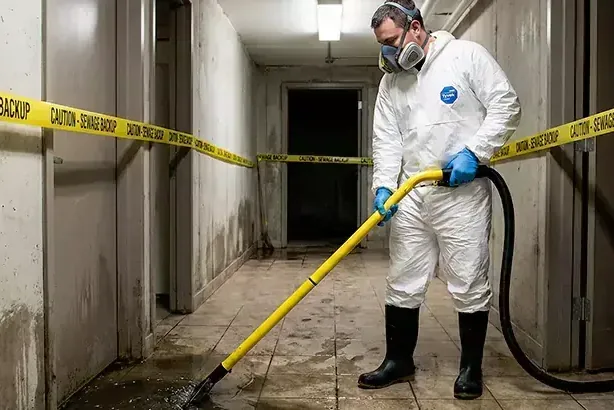
First steps for sewage backup cleanup
- 1Keep the area closed
Prevent children, pets and unprotected occupants from entering the contaminated room, using a dry route that does not carry waste into unaffected spaces.
- 2Stop plumbing use
Avoid flushing toilets or operating water-using appliances while a backup continues, and report whether several fixtures are affected so the source investigation has a clear starting point.
- 3Do not spread the water
Leave household fans and ordinary vacuums out of the work area; moving air or contaminated items without controls can extend exposure into otherwise clean rooms.
- 4Record from a safe location
Photograph visible waste and affected materials without touching them, and retain the plumbing or utility findings alongside the cleanup contractor’s written scope.
What does sewage backup cleanup cost in Anna, TX?
Sewage backup cleanup commonly ranges from $1,500 to $7,000 for a limited indoor event. Extensive porous-material removal, complicated containment and multiple affected rooms can move the total well above that range.
- Controlled access
- Limited porous losses
- Surface cleaning
- Wall and flooring removal
- Product treatment records
- Structural drying
- Expanded containment
- Large disposal scope
- Multiple drying areas
Planning ranges depend on water category, affected square footage, material class and how quickly drying starts. The water damage cost calculator compares scope assumptions; the property inspection sets the work required.
How sewage backup cleanup proceeds
- 1
Establish protective boundaries
The contractor identifies Category 3 exposure, selects task-appropriate protective equipment and sets clean access routes before anyone begins extracting or handling contaminated material.
- 2
Remove water and porous losses
The crew extracts sewage and removes affected absorbent layers to appropriate boundaries, documenting the material condition and keeping disposal routes isolated from clean household areas.
- 3
Clean and treat retained surfaces
The team cleans exposed structural surfaces and applies suitable EPA-registered products according to their labels, including the required dwell time before the next operation.
- 4
Dry the retained structure
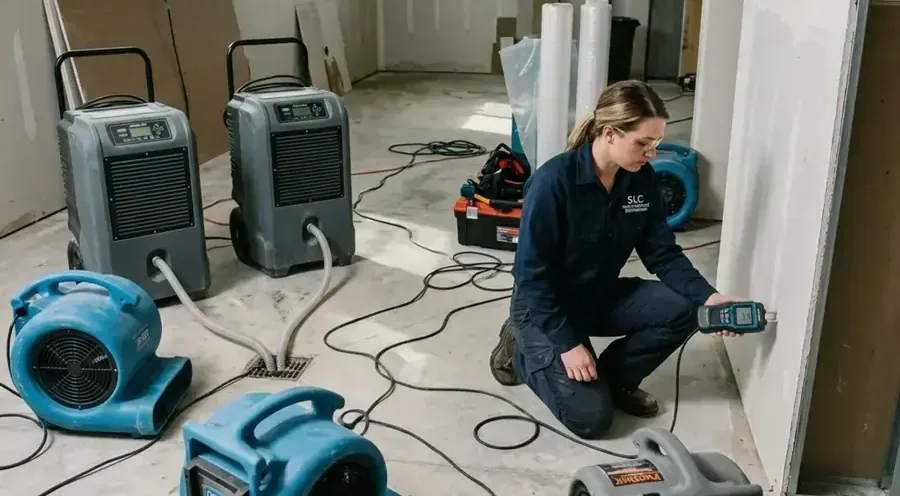
The drying specialist monitors exposed framing and subfloor moisture, recording the trend and final condition before repairs restore the removed walls or flooring.
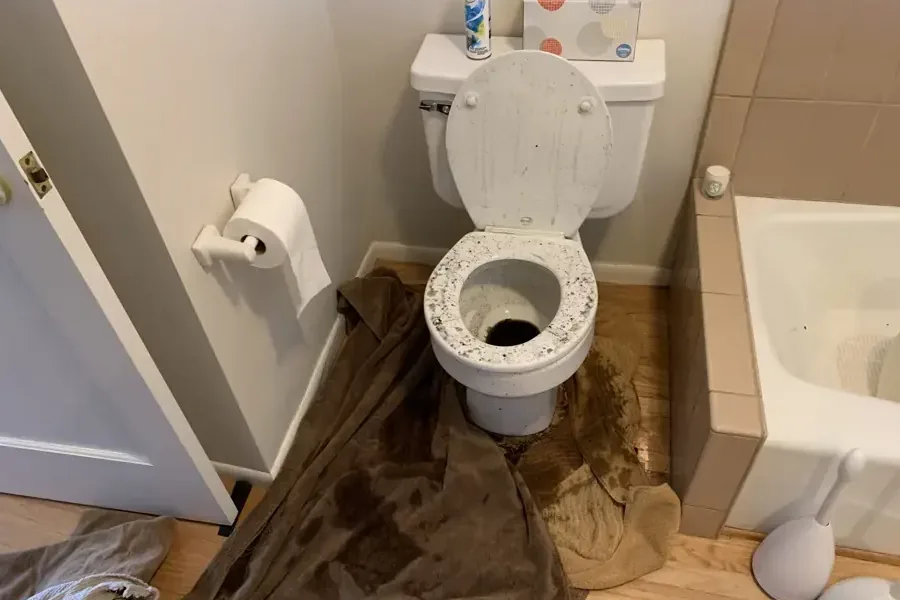
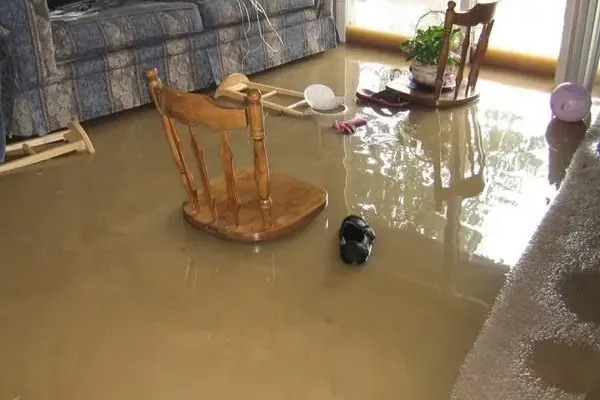
Sewage in an occupied room creates a contact and contamination problem before it becomes a drying problem. Keep people and pets outside the affected area. The mitigation contractor establishes clean and dirty routes, selects protective equipment and coordinates source correction before removing contaminated water and materials.
Sewer reporting and indoor cleanup in Anna
The city provides sewer-backup reporting through SeeClickFix Anna. A property near West White Street or FM 455 should report whether several drains are affected and whether the backup continues while fixtures remain unused. Those observations help the plumber or utility staff investigate the source. Interior cleanup still requires its own assessment.
- The team treats sewage contact as Category 3 regardless of whether the water appears clear.
- Gloves, protective clothing and appropriate eye and respiratory protection depend on the task and exposure.
- Household fans remain off where they could spread contamination into clean rooms.
Removing contamination before drying
Porous materials that contact sewage often cannot remain. The crew evaluates carpet, pad, insulation, wallboard and absorbent contents, then removes affected layers above the visible water edge where contamination requires it. Photographs and measurements record those boundaries before disposal.
The mitigation team cleans retained surfaces before applying an appropriate EPA-registered antimicrobial. The product label sets dilution, application and dwell time. A stronger mixture or a hurried wipe does not improve that process. The contractor controls runoff and keeps debris movement away from unaffected household areas.
- Containment separates the work zone from clean storage and circulation routes.
- Detailed cleaning reaches framing intersections and accessible subfloor surfaces after removal.
- Drying equipment targets retained structural materials only after the contamination work supports it.
Finishing the sewage-loss record
For access near Slayter Creek Park, describe the safe entrance and any restricted rooms. The plumber investigates the sewer failure at the property. Keep the plumbing findings separate from the mitigation scope. A blocked private drain, public sewer issue or fixture problem can require different corrective work even when the indoor cleanup looks similar.
The city sewer page explains municipal reporting. The EPA flooded-building cleanup information covers contaminated water and materials. The final file should contain the source report, exposure photographs, removal inventory, treatment records and drying measurements. Coverage depends on the policy, including any sewer-backup provisions, rather than a promise from the cleanup crew.
Anna sewage backup cleanup response
ZIP 75409 includes the service area around Natural Springs Park, West White Street and Slayter Creek Park. Describe the affected rooms and safe access when requesting restoration.
See the covered communitiesRelated water damage services
Sewage Backup Cleanup questions
1Why is sewage called Category 3 water?
Waste-contact water contains contamination that demands protective cleanup measures. The crew treats it as Category 3 immediately, without waiting for odor, discoloration or a laboratory result to justify precautions.
2Can sewage-soaked carpet stay after cleaning?
Contaminated porous carpet and pad usually require removal. The contractor assesses affected materials and documents disposal boundaries rather than relying on surface treatment to make absorbent layers suitable to remain.
3Should the city be notified?
The city provides a sewer-backup reporting route through SeeClickFix Anna. Report possible public-system issues while arranging plumbing diagnosis and the separate assessment of contamination inside the building.
4Is antimicrobial treatment the entire cleanup?
No. Extraction, porous-material removal and detailed cleaning come first. Any product application follows label instructions and dwell time, and retained building materials still require measured drying afterward.
5Can occupants stay in unaffected rooms?
That depends on contamination extent, safe access and the ability to isolate the work area. The contractor should explain the boundaries and any conditions that make continued occupancy impractical.
6What should a 24/7 sewage request describe?
Give the affected rooms, whether the backup continues and any shared access routes. Mention children, pets and other occupants who need separation from the contaminated area.
Restore clean boundaries before dry finishes
24/7 mitigation support combines source coordination, protective removal, cleaning and documented drying.