Toilet Overflow Cleanup in Princeton
The location of the overflow matters: tank water and bowl contents create different cleanup needs. Keep the bathroom separated while the source, contacted surfaces and hidden moisture around the fixture are assessed.
(888) 527-9134Discuss the bathroom overflow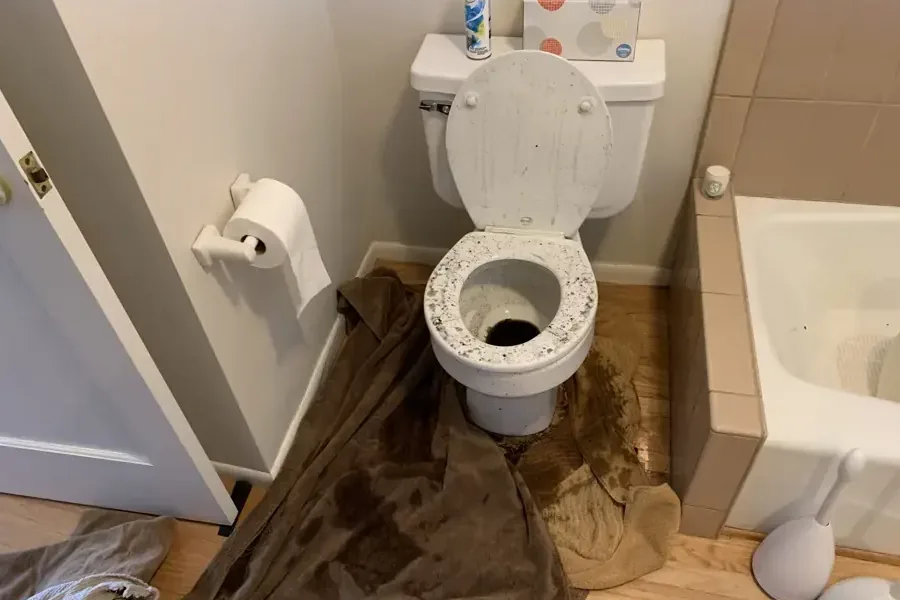
First steps for toilet overflow cleanup
- 1Stop flushing the fixture
Keep the toilet out of service until the blockage or source failure is assessed. Repeated testing can increase the amount of water reaching the floor.
- 2Keep contact contained
Close the bathroom to children and pets. Avoid carrying soaked towels or rugs across dry flooring before their contamination and handling requirements have been established.
- 3Use a safe shutoff
A reachable supply valve can limit incoming water when access is safe. Do not cross contaminated water or touch wet electrical devices to reach it.
- 4Report connected drainage symptoms
Mention other fixtures that gurgle or back up, along with every surface the overflow reached. That account helps separate a fixture problem from a broader wastewater event.
What does toilet overflow cleanup cost in Princeton, TX?
Toilet overflow cleanup in Princeton depends on whether the release came from the tank or bowl, the materials contacted and spread beyond the bathroom. Contamination and concealed floor access change the required work.
- Localized floor water
- Accessible supply source
- Limited material checks
- Controlled waste handling
- Bathroom surface cleaning
- Absorbent contents assessment
- Affected hallway finishes
- Concealed floor access
- Broader cleaning boundary
Planning ranges depend on water category, affected square footage, material class and how quickly drying starts. The water damage cost calculator compares scope assumptions; the property inspection sets the work required.
How toilet overflow cleanup proceeds
- 1
Identify source and exposure
The assessment determines whether tank water or bowl contents escaped and traces the contacted surfaces. Access restrictions and cleaning needs follow that source and material assessment.
- 2
Remove affected water and items
Liquid and exposed absorbent contents are handled appropriately. Material decisions consider contamination, physical condition and whether retained layers can be reached for effective cleaning.
- 3
Clean accessible bathroom surfaces
Cleanable surfaces receive treatment suited to the exposure. Floor edges, fixture surroundings and newly exposed areas are included before drying air moves through the space.
- 4
Check retained assembly moisture
The supporting floor and adjacent wall materials are monitored where affected. Drying progress and any replacement needs are documented before the bathroom repair scope is closed.
A wet bathroom floor needs a source description before cleaning begins. Princeton toilet overflow assessment distinguishes a tank or supply release from water spilling out of the bowl. Contact with waste changes the handling of towels, rugs and other absorbent materials, along with the cleaning required around the fixture and adjoining floor edges.
Stop use and keep the bathroom separated
Repeated flushing can add water to a blocked fixture. Keep the toilet out of use while its drainage problem is assessed, and limit entry into the wet room. An accessible fixture valve may stop supply flow when it can be reached safely, but it does not resolve a blockage or remove contamination already on surrounding surfaces.
- Describe whether the tank, supply connection or bowl released the visible water.
- Keep children and pets outside the bathroom and away from soaked towels.
- Note whether another fixture is backing up when the toilet becomes unusable.
Look beyond the tile surface
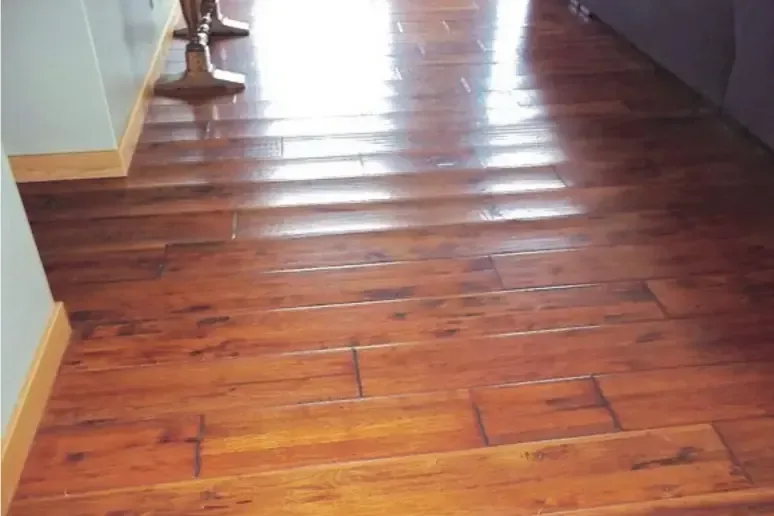
A bathroom in Creekview may have water reaching a hallway threshold, while a property in Abbey Crossing may show moisture at a vanity base. Those possible paths deserve individual inspection. Grout joints, perimeter gaps and the floor layers underneath need assessment for moisture and contamination after water spreads across a tiled bathroom.
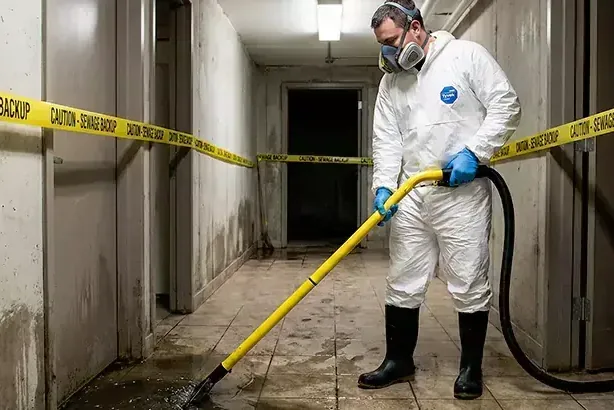
The city warns that wipes and products labeled flushable can clog sewer pipes. Disposal habits matter after the drain problem is addressed, while current cleanup follows the actual exposure. Where wastewater has spread more broadly, sewage backup cleanup explains the need for controlled handling and cleaning before drying begins.
- Assess bathroom rugs and other absorbent contents separately from hard washable surfaces.
- Inspect wall bases and vanity edges where overflow can enter concealed spaces.
- Record the threshold crossing if water reached carpet or wood outside the bathroom.
Restore access after cleaning and material checks
For a home in Cypress Bend, the useful completion questions concern the fixture, cleaned surfaces and retained moisture. Has the drainage problem been addressed? Which materials were removed? Which layers still need drying? Those answers define the remaining work without treating a functioning toilet as the endpoint of building restoration.
Structural drying follows appropriate cleaning of materials that can remain. Flooring or wallboard damaged by exposure may require replacement. The final scope should identify concealed access and any repair requirements before finishes are closed, keeping bathroom use separate from areas still under active cleanup or equipment operation.
Princeton toilet overflow cleanup response
Bathroom overflow assessments serve Princeton homes in Creekview, Abbey Crossing and Cypress Bend. The cleanup boundary follows the water across fixture edges, thresholds and connected floor materials.
The same service nearby: toilet overflow cleanup in Anna, Farmersville, Van Alstyne.
Water damage restoration in Princeton · every town coveredRelated water damage services in Princeton
Toilet Overflow Cleanup questions
1Is a tank leak the same as an overflow?
The source matters. Tank or supply water and bowl contents have different exposure histories, so the assessment identifies what escaped before choosing material handling, cleaning and drying methods.
2Should the toilet be flushed to test it?
Repeated flushing can add water when a blockage remains. Keep the fixture out of use until the source problem has been assessed and safe testing can be coordinated with cleanup.
3Can bathroom rugs be left to air dry?
Absorbent items need an exposure assessment before drying decisions. Rugs contacted by wastewater may require disposal or specialized handling rather than being placed in another room to dry.
4Does a tiled floor prevent hidden damage?
Water can reach gaps, edges and the floor assembly below the finish. Perimeter checks and access where necessary establish whether hidden moisture or contamination remains beneath the visible tile.
5Are flushable wipes suitable for the toilet?
Princeton warns that products labeled flushable can still clog sewer pipes. Keeping wipes out of the fixture avoids adding material that can obstruct drainage and contribute to another backup.
6When can nearby carpet be kept?
Its exposure and condition determine that decision. Carpet contacted by bowl water needs a different assessment from clean supply water, including the backing, pad and supporting floor beneath it.
Clean the overflow path before reopening the room
Discuss tank leakage, bowl contents and affected finishes to establish the right sequence for cleaning, drying and bathroom repair.