Water Damage Restoration in Sherman
A spreading puddle can connect several rooms before its source becomes obvious. Sherman water damage restoration starts by locating that source, checking affected materials and deciding which spaces need immediate protection.
(888) 527-9134Discuss the wet roomsThe first conversation can cover active leakage, affected rooms, access restrictions and any immediate safety concerns.
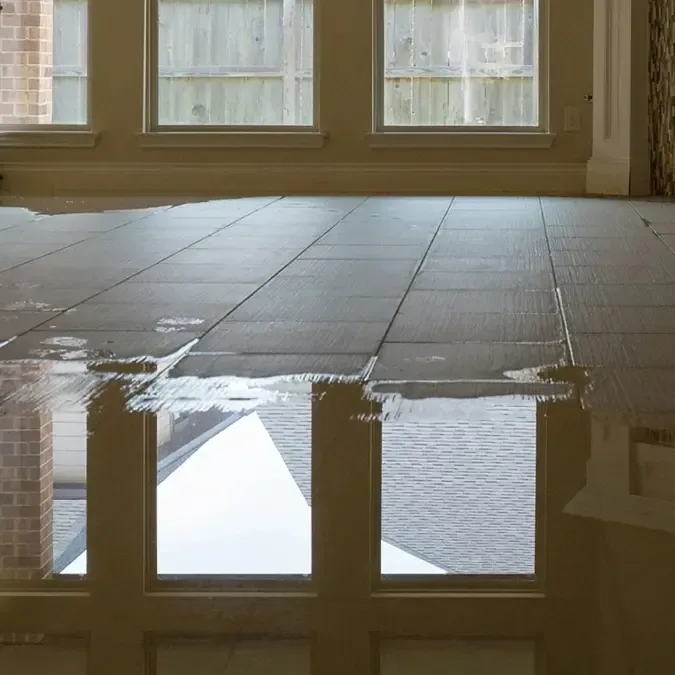
Different leaks need different cleanup decisions
A dishwasher spill, saturated ceiling and sewage overflow each demand a different approach. These services separate the source problem from the materials requiring cleanup and drying.
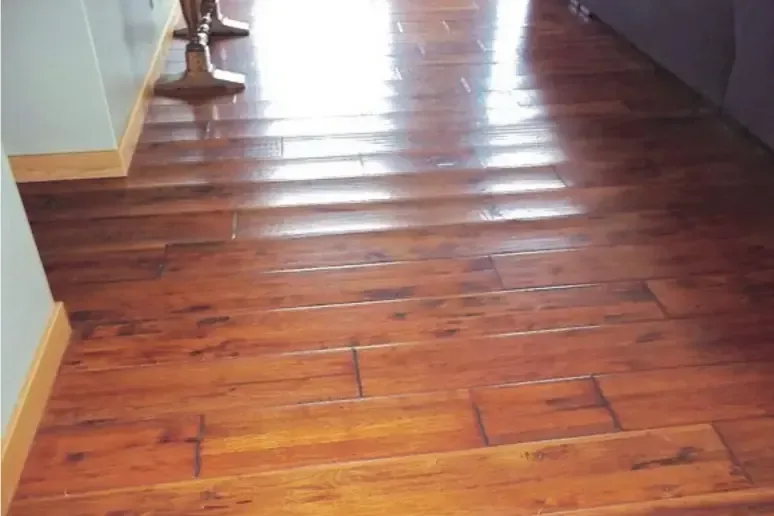
Water Extraction
Remove pooled water before testing what remains within carpet, floor joints and wall edges.
water extraction details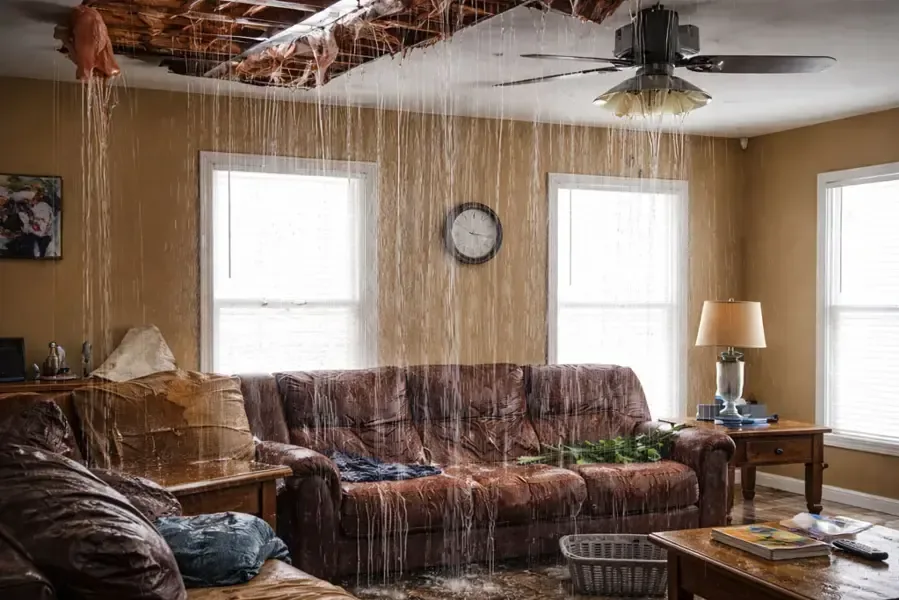
Burst Pipe Water Damage
Follow a sudden supply release through rooms, cavities and the lower edges of partitions.
burst pipe water damage details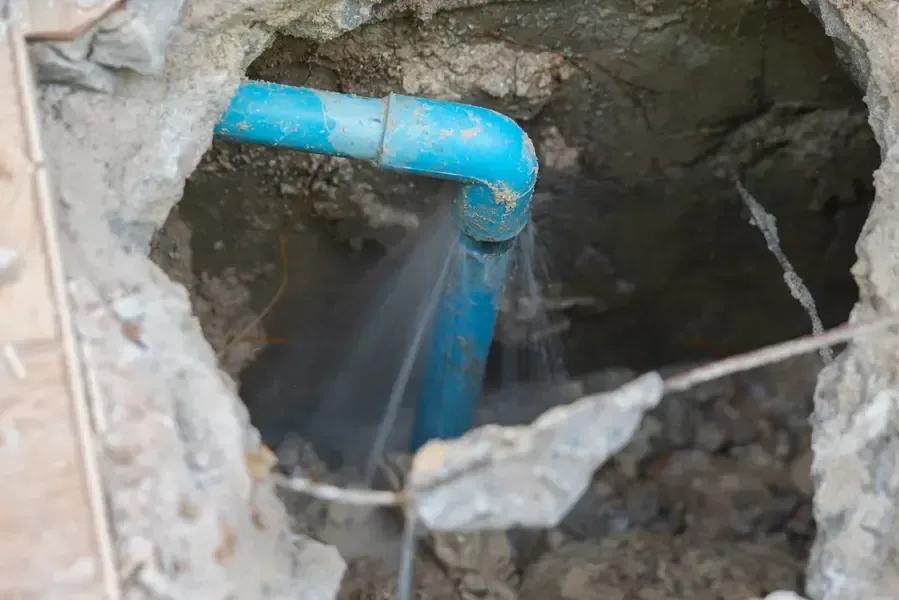
Slab Leak Water Damage
Investigate damp flooring and preserve moisture readings while plumbing repairs address the concealed source.
slab leak water damage details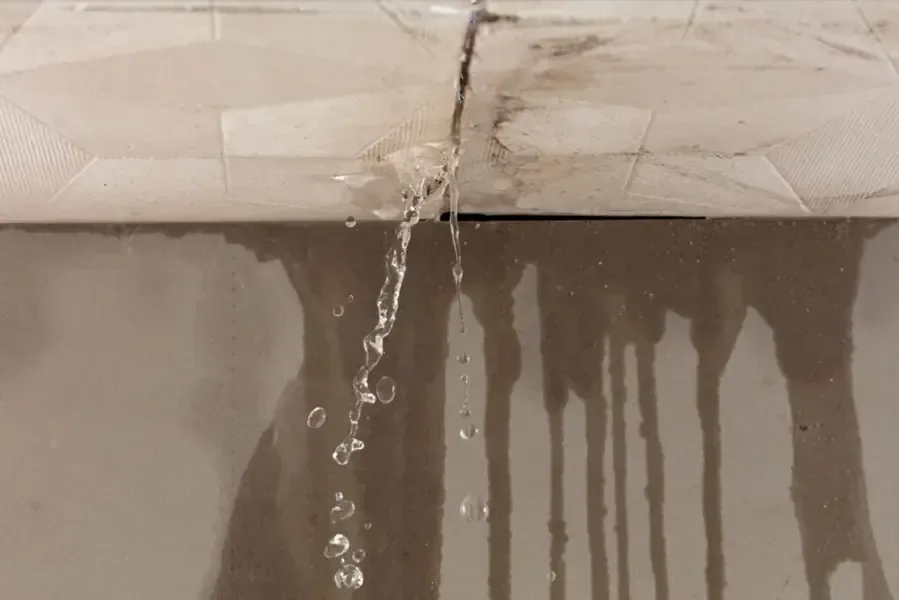
Ceiling Leak Water Damage
Assess overhead sagging, wet insulation and the rooms connected by a ceiling leak.
ceiling leak water damage details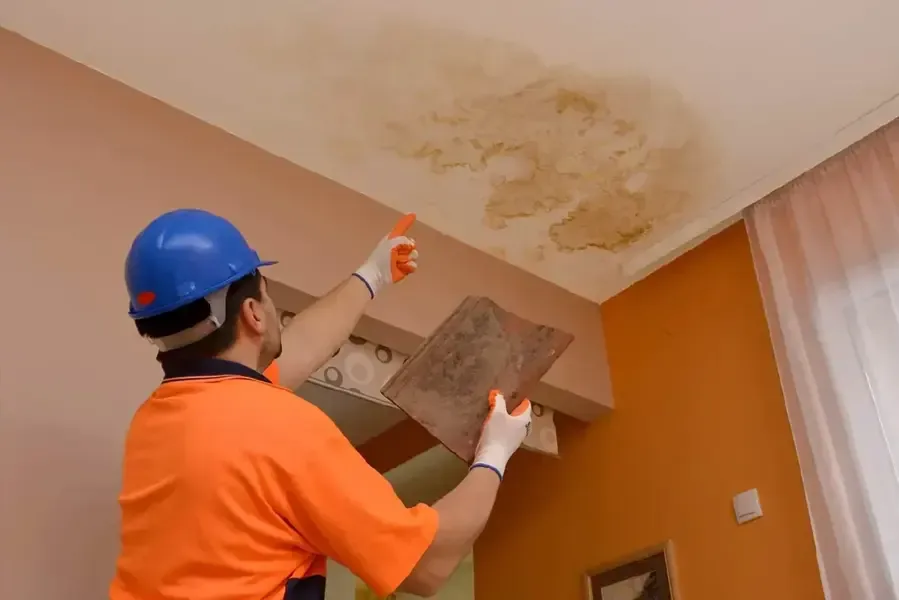
Roof Leak Water Damage
Coordinate rain entry repairs with drying of attic materials and damaged interior finishes.
roof leak water damage details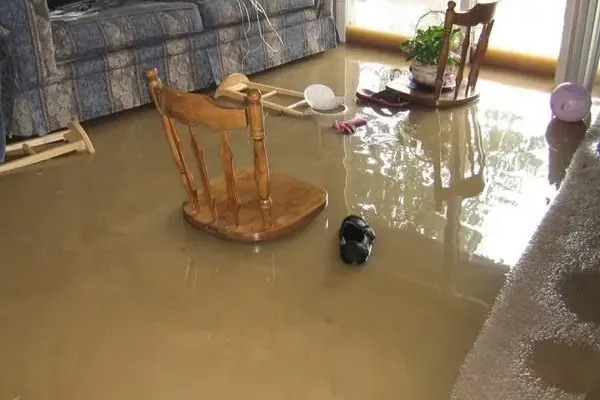
Storm Flood Cleanup
Separate outside floodwater exposure from indoor leaks when planning removal and material disposal.
storm flood cleanup details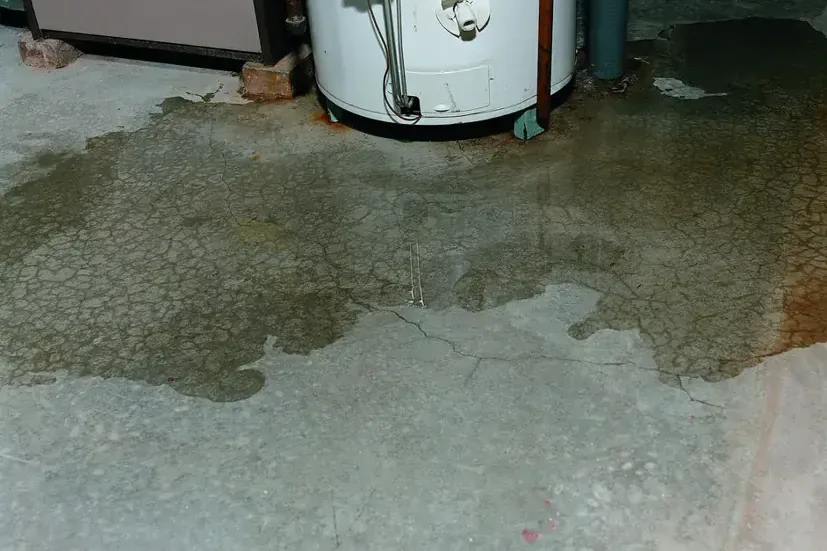
Water Heater Leak Cleanup
Trace tank water beyond the equipment closet into nearby walls, flooring and storage.
water heater leak cleanup details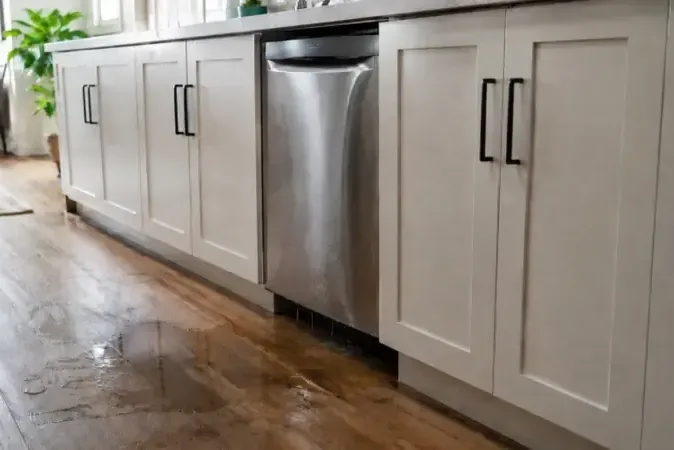
Appliance Leak Water Damage
Inspect concealed kitchen and laundry surfaces after a hose, connection or appliance escapes water.
appliance leak water damage details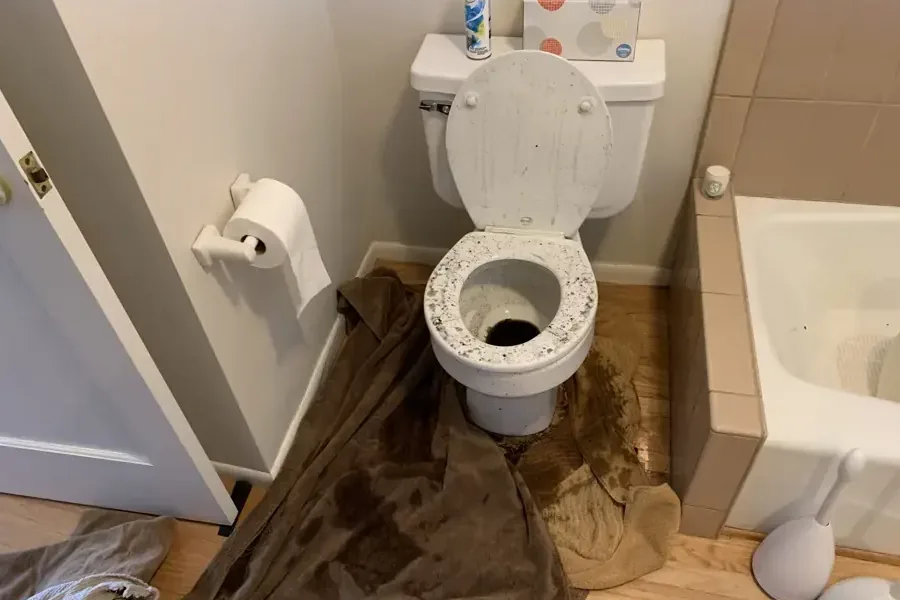
Toilet Overflow Cleanup
Distinguish tank water from bowl contents before choosing bathroom cleaning and removal methods.
toilet overflow cleanup details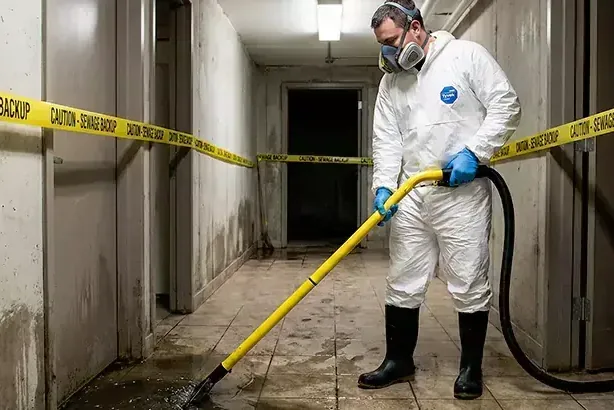
Sewage Backup Cleanup
Isolate contaminated rooms and coordinate drain correction with controlled sewage removal and cleaning.
sewage backup cleanup details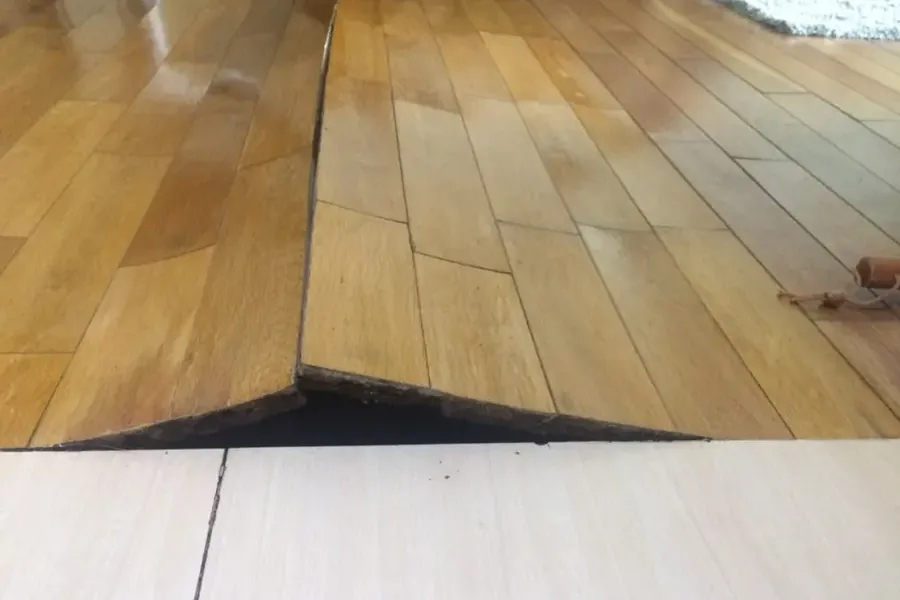
Hardwood Floor Water Damage
Measure boards and supporting layers before deciding whether drying or selective replacement fits.
hardwood floor water damage details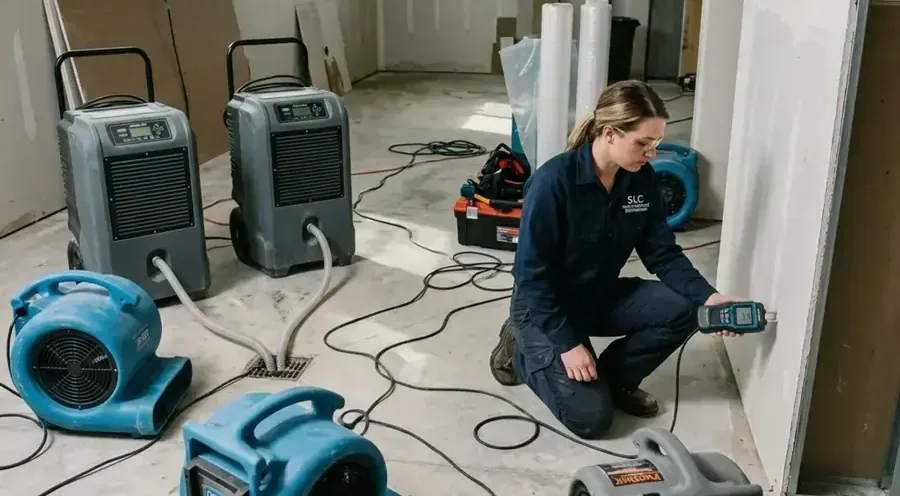
Structural Drying
Track moisture inside wet building assemblies rather than relying on a dry appearance.
structural drying details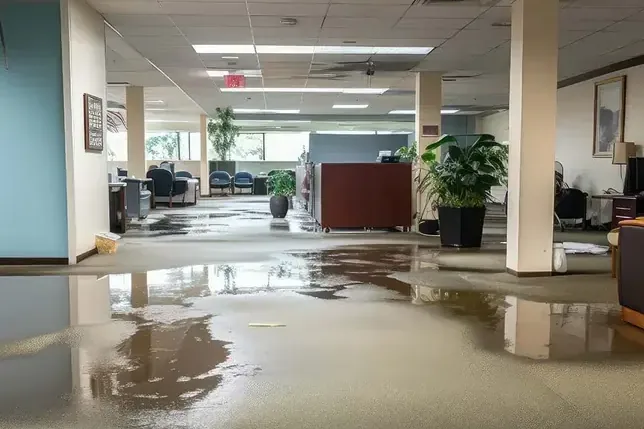
Commercial Water Damage
Organize affected business areas around access, inventory, shared spaces and practical reopening decisions.
commercial water damage details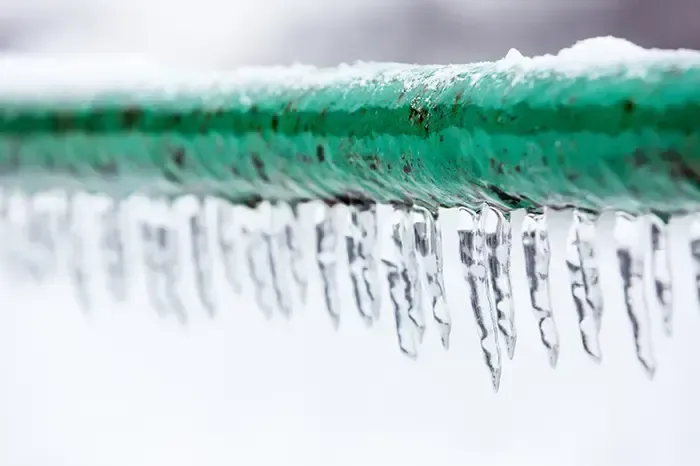
Frozen Pipe Water Damage
Locate thaw releases and inspect hidden pathways before restoring water to damaged plumbing.
frozen pipe water damage details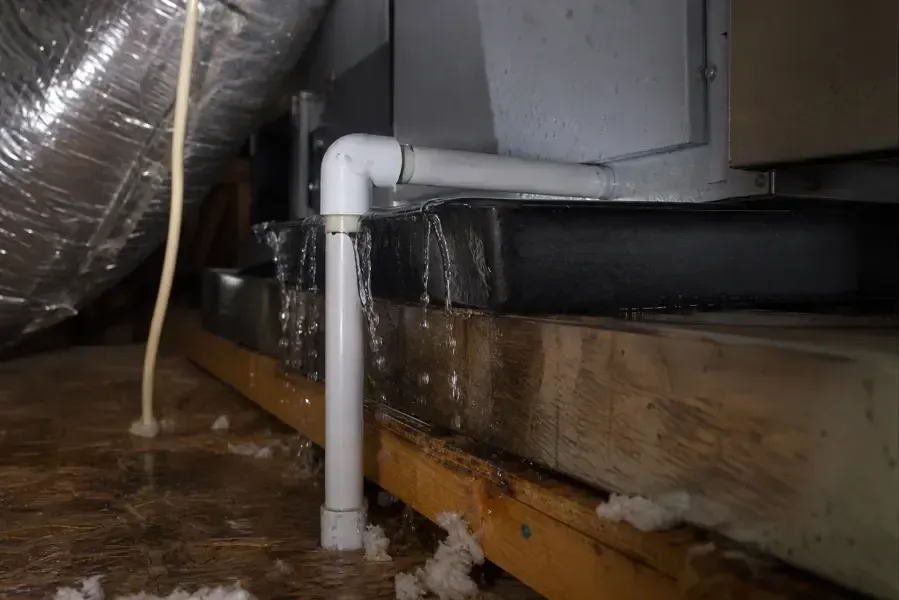
AC Leak Water Damage
Resolve condensate leakage while checking the surrounding platform, insulation, ceiling and wall finishes.
AC leak water damage detailsProtect people and preserve useful information
- 1
Avoid electrical contact
Standing water near outlets or equipment requires an isolated area and qualified electrical assessment.
- 2
Limit the release
A safely accessible fixture valve may stop a localized supply leak before more rooms become wet.
- 3
Keep exits clear
Move dry belongings only through safe paths, leaving swollen ceilings and contaminated rooms undisturbed.
- 4
Photograph visible changes
Capture the source area, affected surfaces and damaged possessions without entering an unsafe wet space.
- 5
Describe the sequence
Record when water appeared, which rooms changed and whether the source has been stopped.
From source control to a dry assembly
Cleanup works best when each stage answers a practical question. The source must be controlled, recoverable materials identified and drying progress measured before decorative repairs conceal the affected area again.
- 1
Inspect the path
Trace water across floor transitions and adjoining rooms, recording visible damage alongside readings from accessible materials.
- 2
Remove accessible water
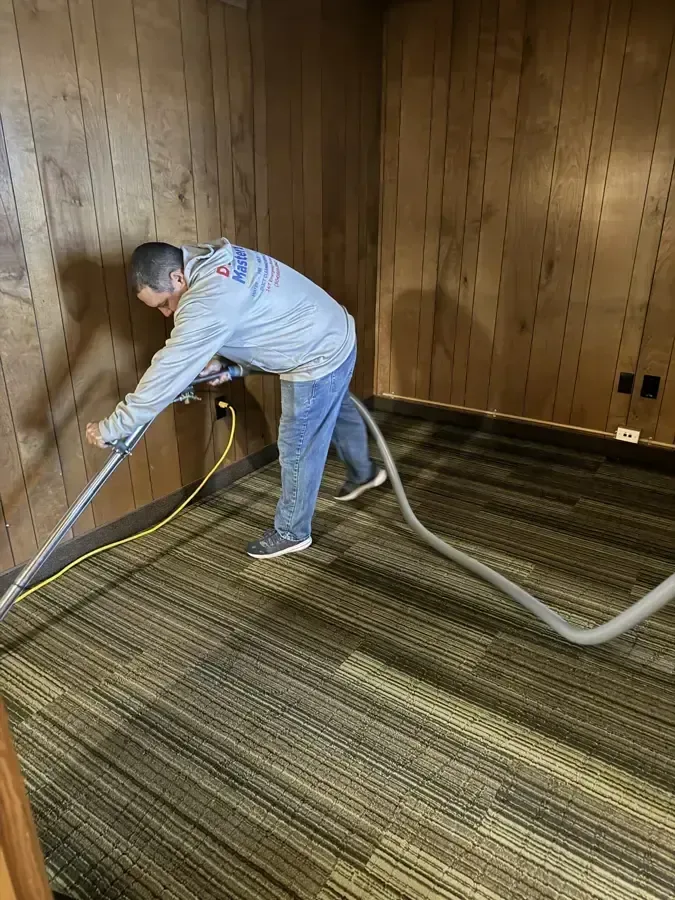
Extraction reduces the liquid burden so later equipment can address moisture held within surfaces and cavities.
- 3
Set drying conditions
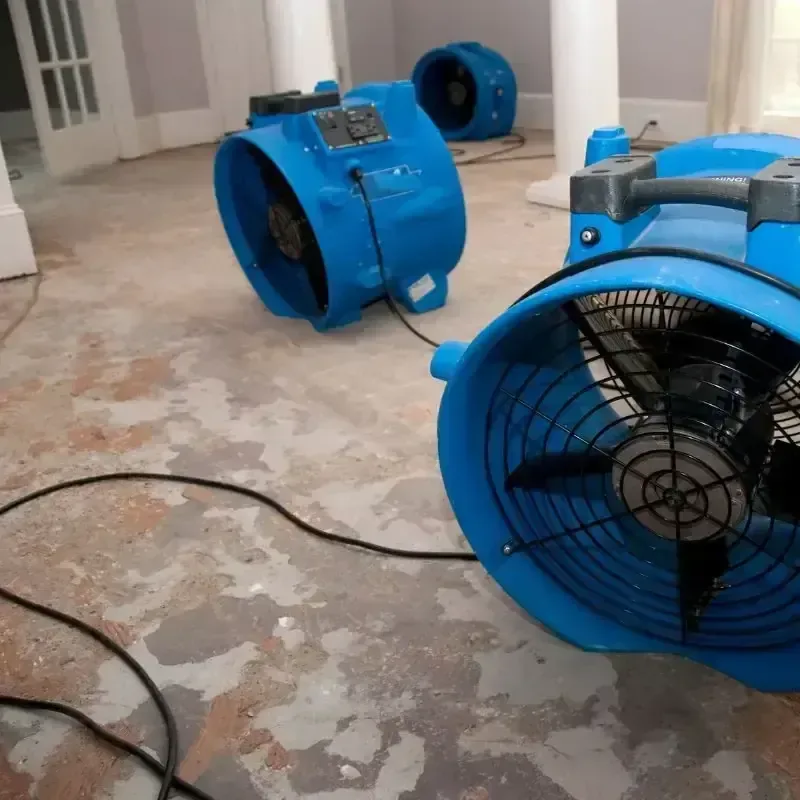
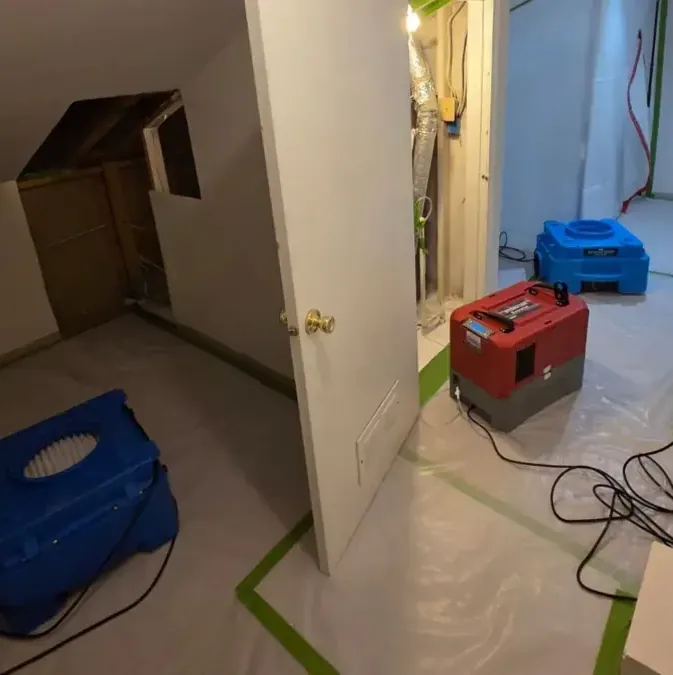
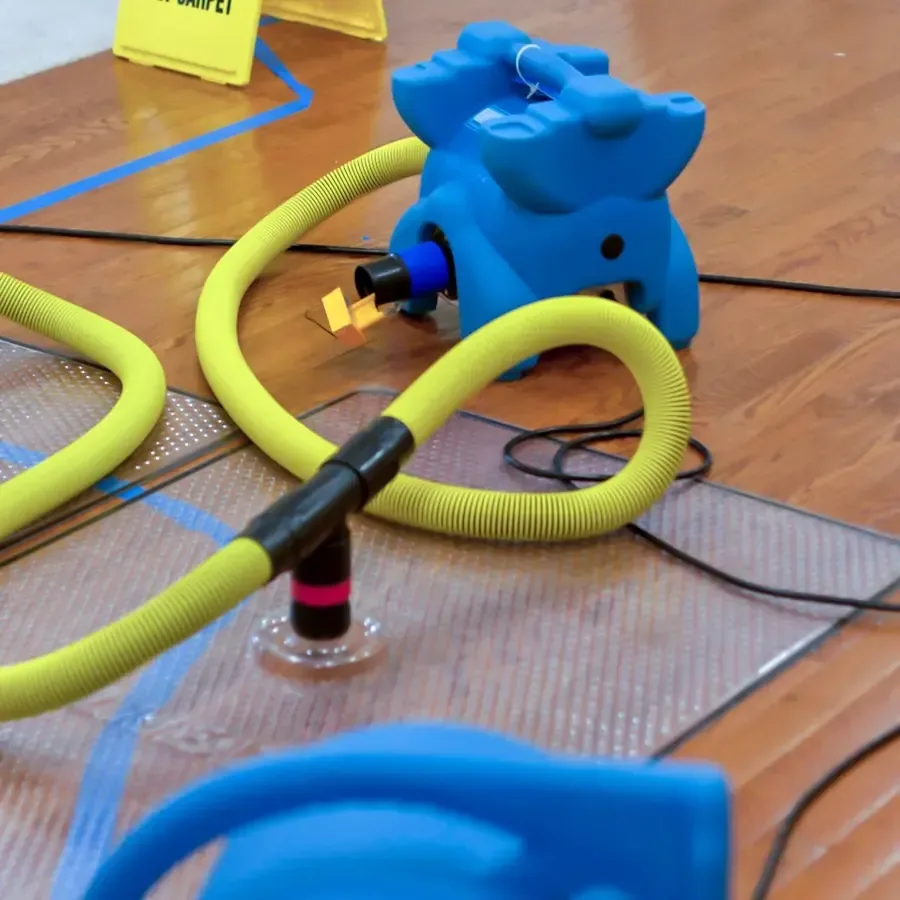
Arrange air movement and moisture removal around the actual assembly, protecting safe access through occupied spaces.
- 4
Confirm the endpoint
Compare final measurements with suitable reference areas and explain remaining repair needs before equipment leaves.
Visible boundaries
Room notes identify the wet area and explain why inspection extends beyond the obvious stain.
Material choices
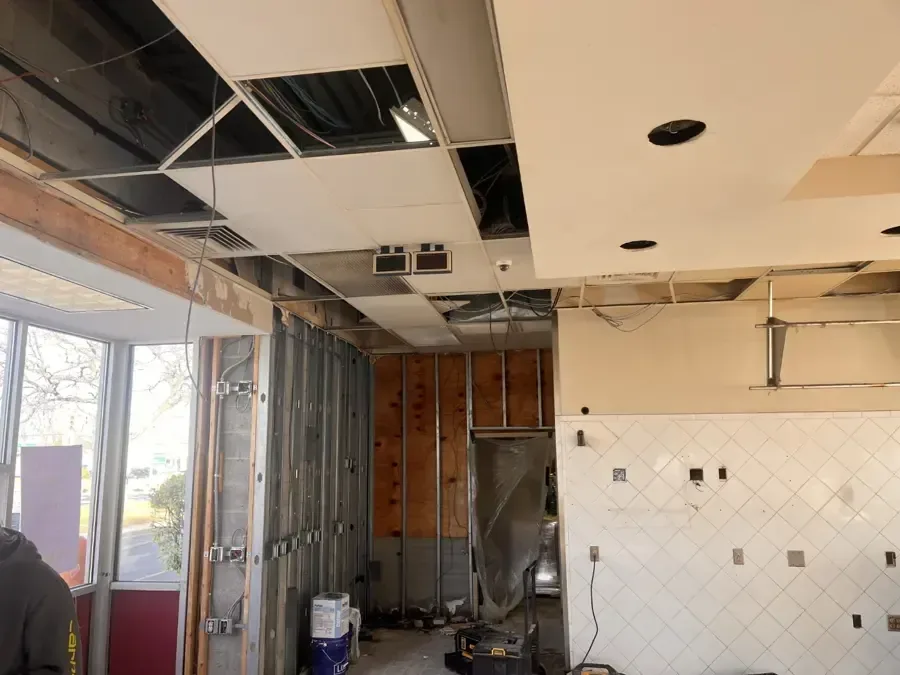
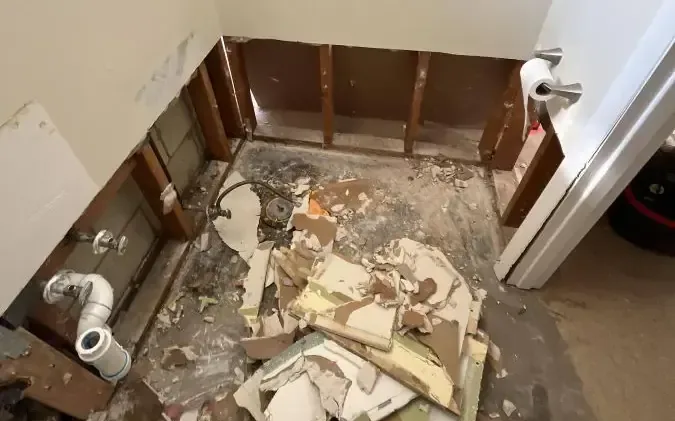
Removal decisions consider contamination, physical damage and whether hidden surfaces can actually be reached.
Progress records
Repeat measurements show whether the chosen drying arrangement is changing moisture inside affected building materials.
Repair handoff
Final observations help the next contractor understand which areas were opened and what remains unfinished.
Understand what each room needs
A useful cleanup scope distinguishes damaged finishes from materials that can dry in place. It also explains access openings, equipment placement and the readings needed before rebuilding can proceed.
Water type matters before equipment starts
Supply release
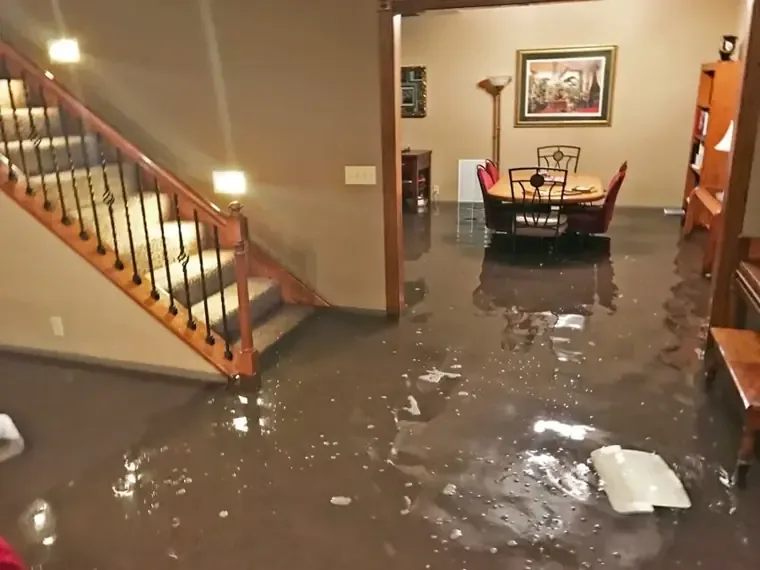
Fresh supply water can still travel beneath flooring and through insulation, so the visible puddle rarely defines the inspection boundary.
Pool removalAppliance discharge
Water from a machine may contain detergent or food residue, changing the cleaning requirements for nearby finishes.
Kitchen cleanupDrain contamination
Sewage requires controlled access, contaminated material decisions and deliberate cleaning before the drying stage can proceed safely.
Drain cleanup optionsWhat affects water damage costs in Sherman?
Sherman cleanup estimates depend on the water source, affected area, material access and contamination. These planning ranges describe different sizes of loss; the inspection determines which tasks belong in the property estimate.
- Accessible wet surfaces
- Localized water removal
- Simple equipment placement
- Several room boundaries
- Concealed material access
- Additional moisture checks
- Broad material removal
- Complex contamination control
- Extended drying setup
Plumbing repairs, roof work and rebuilding may be separate from mitigation. A written scope should distinguish those responsibilities and identify which wet materials are included in the cleanup.
Document the loss as it changes
Photographs become more useful when paired with dates, room names and a description of the suspected source. Coverage questions belong with the insurer, using the policy and actual loss details.
- Photograph the first visible water damage
- Retain source repair invoices and notes
- List affected belongings by room
- Keep mitigation estimates and equipment records
- Record changes before surfaces are opened
When the owner pays directly
A direct payment plan still needs a clear scope. Separate urgent water removal from optional finish replacement so the owner can understand which decisions affect immediate stabilization.
Ask for written explanations of material removal and drying checks. Keeping the same records can simplify later repairs and preserve a useful history of the affected rooms.
Water damage can extend beyond a visible puddle
Cleanup planning across Sherman neighborhoods
Neighborhoods and routes
Postal areas
Other service communities
Describe the building before dispatch planning
Established residential areas and newer communities present different room arrangements. The property description should include the affected floor, available entrance and whether water has crossed into adjoining spaces.
Businesses along Texoma Parkway can also identify stock rooms, customer areas and shared access points. Occupancy and source status help determine the next cleanup conversation.
(888) 527-9134Explain the property accessPlan before you call
Community water-damage coverage
Understand the next cleanup decision
Read water-damage articles about source control, wet materials and the records that support a repair plan.
Where the inspection should look
Sherman combines established housing, newer communities and busy commercial areas. Floodwater and indoor plumbing releases can reach different materials, so the inspection follows the actual water path at each property.
February 2026: Flash flooding stranded vehicles on North Harrison Avenue, while Western Hills Drive residents described runoff entering a yard and passing underneath a house.
- Outside water entry: After street flooding, inspect low entry points and beneath affected floor assemblies, with contamination considered before ordinary drying equipment operates.
- Older interior layers: Downtown Sherman includes pre-1950 homes; altered finishes can conceal wet layers that need inspection before cosmetic repairs cover them.
- Newer community layouts: Heritage Ranch and Austin Landing are newer community options where inspection still follows the individual room arrangement and observed leak.
- Street water clues: The municipal main break guidance identifies running street water and buckled pavement as warning signs requiring a utility report.
- Commercial room connections: Shops around the downtown square may need contents protection and access planning when water travels between customer areas and storage.
Questions after water appears
1Can a dry surface hide wet materials?
Yes. Floor coverings and wall finishes can feel dry while adjoining layers remain damp. Material measurements and accessible cavity checks help determine whether drying equipment is still needed behind the visible surface.
2Does street flooding change the cleanup approach?
Outside water can carry contamination into the building. Access control, cleaning and decisions about absorbent materials come before ordinary drying, with the actual entry path documented for the owner and insurer.
3Should a ceiling stain be painted immediately?
Painting can hide an active moisture problem. The leak source and ceiling condition need assessment first, especially where sagging, soft drywall or wet insulation suggest water remains above the visible finish.
4What information helps with the first conversation?
Useful details include when the problem appeared, whether water is still entering, which rooms are affected and any electrical concerns. Photographs taken from a safe position can clarify the visible condition.
5Are plumbing repairs part of every cleanup estimate?
Source repairs and restoration may involve separate work. The written estimate should identify water removal, material access, drying and rebuilding responsibilities so the owner understands which contractor handles each remaining task.
6Is the whole floor always removed?
No. The decision depends on water type, material condition and access to underlying layers. Swollen or contaminated components may require removal while sound, accessible sections can be assessed for controlled drying.
7How can a business prepare for inspection?
Identify safe entrances, affected stock and any shared rooms or utilities. A manager can describe operating restrictions and prioritize essential spaces while the inspection determines the extent of water migration through the property.
8Will the insurer cover every water loss?
Coverage depends on the policy and circumstances. Owners can provide source information, photographs and repair records to the insurer while retaining a clear estimate of mitigation tasks and separate reconstruction needs.
9Where are floor and ceiling options explained?
The floor recovery page explains board and subfloor assessment. For overhead leaks, the ceiling cleanup page covers damaged finishes, hidden insulation and safe inspection before repairs begin.
Describe what changed first
A brief account of the first stain, puddle or unusual sound helps frame the inspection and identify immediate access concerns.
(888) 527-9134Discuss the first signStart with the source and the affected rooms
A focused conversation can identify current hazards, explain the visible damage and organize the next property assessment steps.