Sewage Backup Cleanup in Princeton
Wastewater on the floor changes how the room can be used and how materials are handled. Keep people separated from the exposure while the drainage source and cleanup boundary are assessed.
(888) 527-9134Discuss wastewater inside the property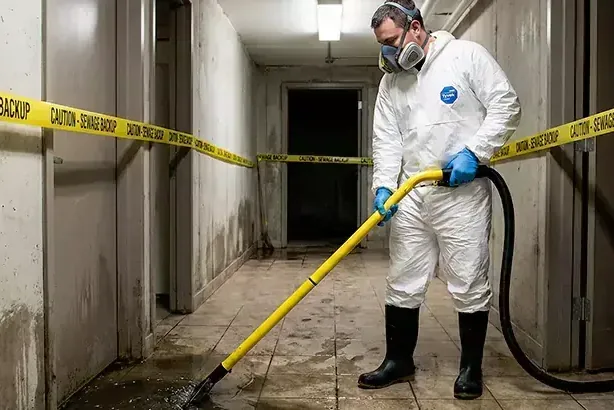
First steps for sewage backup cleanup
- 1Restrict the impacted rooms
Keep occupants and pets away from wastewater and soaked contents. Avoid walking through the area to collect belongings, since footwear can carry contamination into dry spaces.
- 2Limit contributing fixture use
Stop using fixtures connected to the observed backup until the drainage problem is assessed. Report whether water continues rising without any fixture use inside the property.
- 3Preserve safe visual evidence
Photograph the affected space from outside the exposure boundary. Record contaminated contents and the route toward adjoining rooms without moving items through clean living areas.
- 4Describe access and occupancy
Mention occupied rooms, food storage and shared entrances when discussing cleanup. These details help establish a work route and separation plan suited to the building's actual use.
What does sewage backup cleanup cost in Princeton, TX?
Sewage backup cleanup costs in Princeton reflect contamination spread, porous materials and access for cleaning. The written estimate should distinguish drain repair from waste removal, surface treatment, structural drying and replacement of affected finishes.
- Defined work boundary
- Accessible waste recovery
- Localized surface cleaning
- Porous finish removal
- Connected structural access
- Expanded cleaning needs
- Complex contents handling
- Multiple contaminated rooms
- Extensive reconstruction scope
Planning ranges depend on water category, affected square footage, material class and how quickly drying starts. The water damage cost calculator compares scope assumptions; the property inspection sets the work required.
How sewage backup cleanup proceeds
- 1
Establish the contamination boundary
The assessment identifies the source status and contacted materials. Safe routes, affected rooms and dry areas are defined before equipment movement or content handling begins.
- 2
Recover waste and assess contents
Wastewater is removed with suitable equipment. Porous finishes and belongings receive condition-based handling decisions, including removal where cleaning and recovery are not appropriate.
- 3
Clean the exposed surfaces
Retained surfaces and newly opened structural areas are cleaned for the exposure. Edges and contact points receive attention before drying equipment circulates air through the work area.
- 4
Monitor retained structural materials
Moisture readings track the cleaned structure as it dries. The completion scope identifies drain service, remaining reconstruction and any material conditions requiring further access or replacement.
A sewage backup creates a contact problem as well as a moisture problem. Princeton properties need a defined work area that keeps wastewater, affected belongings and cleanup traffic away from dry occupied spaces. The first assessment identifies where the backup emerged, whether it continues and which porous or cleanable surfaces were reached.
Understand the blockage without delaying separation
The city warns that fats, oils and grease can solidify inside pipes and cause sewage backups. Wipes and similar materials can also obstruct drainage, including products marketed as flushable. Those warnings make disposal habits useful prevention topics. During an active event, the immediate tasks remain source assessment and restricting contact with the exposed area.
- Stop using fixtures that appear to add water to the affected drain.
- Keep food, household belongings and pets away from wastewater and cleanup routes.
- Report every backed-up fixture so the drainage assessment has a complete picture.
Make handling decisions material by material
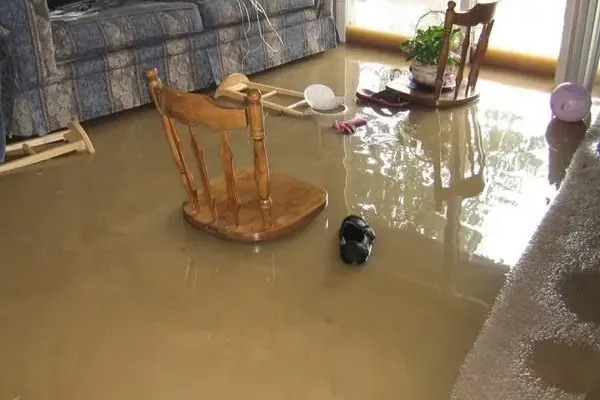
A backup in Monte Carlo may affect a hard bathroom floor, while an event in Lavon Estates could reach carpet through a doorway. The response follows those observed surfaces. Absorbent layers can hold contamination beneath an apparently clean face, so their recovery options differ from solid surfaces that can be accessed and cleaned.
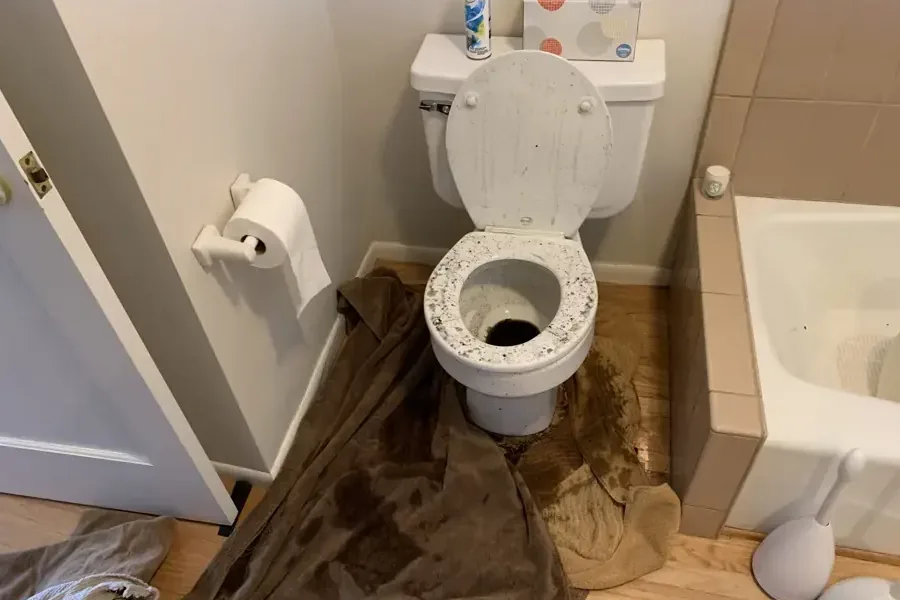
At a property in Winchester Crossing, moving a soaked storage box through a dry hall could extend the cleanup boundary. A controlled handling route prevents that avoidable spread. Toilet overflow cleanup addresses fixture-specific exposure, while a broader backup may involve several rooms, drains and concealed building edges.
- Separate removable contaminated contents from dry possessions before handling begins.
- Inspect floor edges and wall bases where wastewater can enter concealed layers.
- Record material removal decisions and the cleaning access they provide to retained structure.
Clean first, then evaluate the drying response
Air movement belongs after appropriate removal and cleaning, when surfaces that can remain are ready for drying. The structural drying scope identifies wet framing or supporting floor layers exposed during cleanup. Readings then track moisture while the repair plan addresses finishes removed because of contamination or physical damage.
City of Princeton Public Works accepts used cooking oil year-round, offering a disposal option that keeps it out of drains. After the backup is resolved, the property record should separate drain service, contamination cleanup and reconstruction. Any pipe repair or building work requiring inspection should retain the access needed until approval.
Princeton sewage backup cleanup response
Wastewater cleanup planning serves Princeton properties in Monte Carlo, Lavon Estates and Winchester Crossing. Each assessment follows actual exposure, safe access and the condition of affected building materials.
The same service nearby: sewage backup cleanup in Anna, Farmersville, Van Alstyne.
Water damage restoration in Princeton · every town coveredRelated water damage services in Princeton
Sewage Backup Cleanup questions
1Can ordinary fans help before cleanup?
Airflow should follow appropriate removal and cleaning. Running fans across contaminated water or residue can spread material, so equipment use belongs within a controlled cleanup and drying sequence.
2Does drain clearing complete the restoration?
Clearing the obstruction addresses the source. Wastewater already in the building still requires removal, material assessment and cleaning, followed by drying of retained structural layers and necessary finish repairs.
3Why remove a floor covering that looks clean?
Contamination can remain in backing, pad or the supporting assembly. The assessment considers the whole contacted material system rather than relying on the appearance of its exposed surface.
4What should happen to affected storage boxes?
Keep them separated from dry belongings until assessed. Absorbent containers can carry wastewater into another room, so their contents and the handling route need attention before anything is relocated.
5Can cooking grease contribute to another backup?
The city warns that fats, oils and grease can solidify in pipes. Keeping them out of household drains reduces material that can build up and obstruct wastewater movement.
6Which records help explain the cleanup scope?
Safe photographs, the drain-service findings and a list of affected materials help document the event. Removal and cleaning records explain why the restoration work extends beyond the fixture that backed up.
Recover the space after contaminated water
Discuss drain access, affected contents and connected rooms to plan controlled removal, cleaning and the remaining structural drying.