Hardwood Floor Water Damage in Anna, TX
Wet hardwood in Anna needs more than a dry surface. The floor-drying technician checks boards, the subfloor and nearby wall bases, then chooses controlled drying or removal according to condition and exposure.
(888) 527-9134Boards changing? Discuss moisture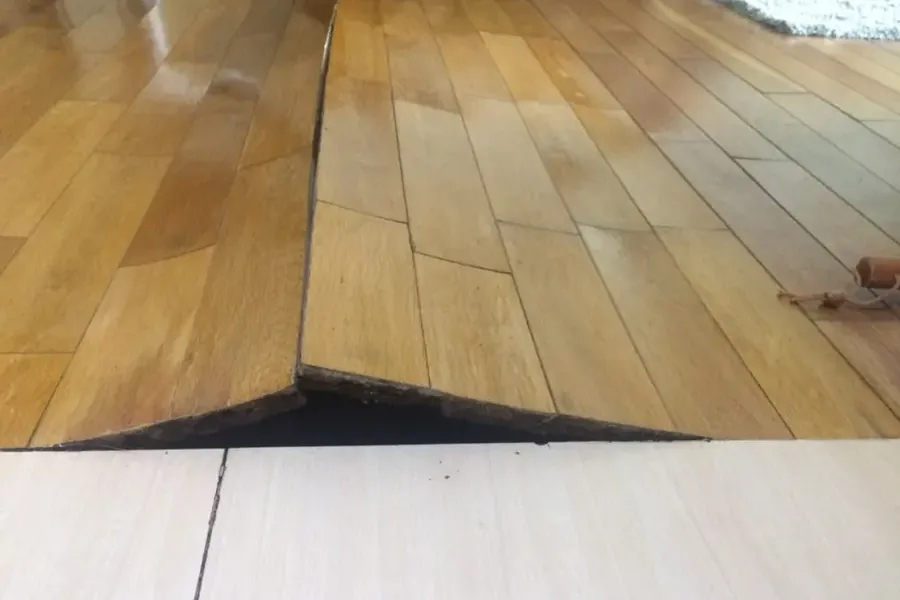
First steps for hardwood floor water damage
- 1Remove safe surface water
Use only safe methods appropriate to the water source, keeping electrical equipment and unprotected occupants away from contaminated or energized wet areas.
- 2Lift loose coverings
Move rugs and dry portable belongings off the affected floor when safe, without dragging heavy furniture across boards that have begun to lift or loosen.
- 3Delay sanding and heat
Do not sand swollen boards or apply concentrated heat before moisture assessment, since the floor needs a material-specific plan rather than an appearance-only correction.
- 4Record visible movement
Photograph cupping, gaps and threshold changes from several safe positions, helping the technician compare the floor’s condition with readings during the drying period.
What does hardwood floor water damage cost in Anna, TX?
Hardwood floor drying commonly ranges from $1,000 to $4,000 for a limited wet area. Access beneath the boards, specialized drying and multiple rooms increase the scope; replacement and refinishing add separate costs.
- Clean-water assessment
- Accessible floor edges
- Basic material tracking
- Specialized extraction
- Subfloor readings
- Controlled room humidity
- Multiple affected rooms
- Selective removal access
- Complex moisture patterns
Planning ranges depend on water category, affected square footage, material class and how quickly drying starts. The water damage cost calculator compares scope assumptions; the property inspection sets the work required.
How hardwood floor water damage proceeds
- 1
Measure both floor layers
The technician compares board and accessible subfloor moisture with dry references, recording the water source and installation details before selecting a recovery method.
- 2
Remove remaining liquid
The crew extracts water from accessible surfaces and edges, then evaluates whether mat systems, targeted airflow or selective removal can reach the moisture beneath.
- 3
Control room conditions
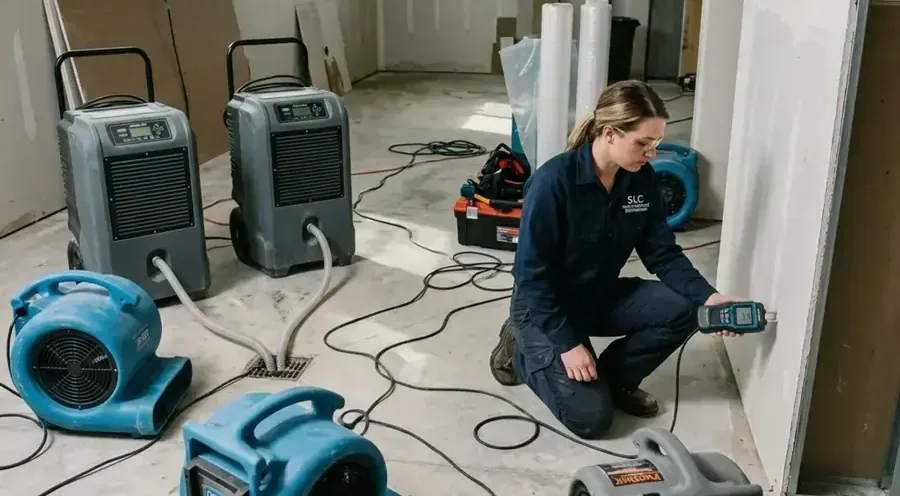
The drying specialist manages humidity and equipment placement while checking the wood’s response, adjusting the plan when readings or visible movement indicate uneven drying.
- 4
Coordinate flooring decisions
The restoration record identifies stable material conditions and remaining concerns, allowing the flooring professional to assess repair or replacement before sanding and finish work begin.
Wood can change shape as it absorbs moisture. Cupped edges, gaps or lifted sections reveal stress, but the visible shape alone cannot show whether a floor is recoverable. The restoration specialist checks the wood type, installation method, contamination and moisture underneath before recommending a drying approach.
Hardwood floor assessment in Anna
A home near Natural Springs Park may have several floor finishes meeting at one doorway. The technician checks those transitions because water can move beneath a finish without leaving an obvious surface trail. At properties near Bryant Park, room photographs should include the wet edge and any changes around cabinets or door casings.
- Readings compare affected boards with suitable dry wood in the same building.
- The crew checks beneath accessible edges and around penetrations for retained moisture.
- Contamination and delamination can rule out materials that otherwise appear structurally intact.
Controlling the moisture difference
Drying needs to address the assembly beneath the boards as well as their top surface. Floor-mat extraction or targeted airflow may suit some clean-water losses, while inaccessible or damaged layers need removal. The contractor explains the limits of each approach before treating restoration as a substitute for replacement.
The drying team manages humidity and monitors how the wood responds. Excessive heat or unplanned changes in room conditions can complicate the floor behavior. The homeowner should leave equipment settings alone and tell the technician about new lifting, loose boards or sounds that suggest a changing condition.
- Moisture measurements track individual areas rather than assigning one reading to the entire floor.
- Subfloor checks help locate water trapped below a finished surface that already feels dry.
- Refinishing waits until the wood has reached an appropriate, stable condition for that work.
Deciding what stays and what returns later
For households near Johnson Park, the practical question is whether the floor assembly can be safely dried and repaired. The answer depends on the material and loss, not a neighborhood label. The restoration contractor supplies moisture records; the flooring professional evaluates replacement, fastening and refinishing requirements.
The EPA water-damage information discusses material recovery after water exposure. The Texas Department of Insurance consumer information supports questions about the repair scope. Save photographs from before any sanding or removal. Early refinishing can erase visible evidence while leaving the underlying moisture imbalance unresolved.
Anna hardwood floor water damage response
ZIP 75409 includes the service area around Natural Springs Park, West White Street and Slayter Creek Park. Describe the affected rooms and safe access when requesting restoration.
See the covered communitiesRelated water damage services
Hardwood Floor Water Damage questions
1Does cupping mean hardwood must be replaced?
Not automatically. The wood type, moisture difference, contamination and physical damage determine recoverability. The technician checks the assembly before the flooring professional recommends repair, refinishing or replacement.
2Why can the surface feel dry while boards remain wet?
Moisture can remain inside the wood or beneath it in the subfloor. Surface touch cannot replace readings from the affected layers and comparable dry reference materials.
3Can sanding begin during drying?
Sanding should wait for an appropriate stable moisture condition. Working on swollen boards too early can create a different shape problem after the wood changes again during drying.
4Are drying mats suitable for every floor?
No. Material type, finish condition, installation and contamination affect suitability. The contractor should explain why a mat system or another access method fits the particular floor assembly.
5What if boards have buckled upward?
Keep traffic off loose or raised sections and request assessment. Buckling can create trip hazards and indicate damage that changes the removal or replacement scope.
6How should a 24/7 floor-loss request be described?
Report the water source, affected rooms and any lifting or cupping. Mention whether water remains pooled so the crew can prioritize removal before detailed floor recovery decisions.
Let measurements lead the floor decision
24/7 water-damage assessment separates recoverable wood from layers that require removal or replacement.