Appliance Leak Water Damage in Princeton
A puddle in front of an appliance may be the last place the leak reached. The floor underneath, cabinet bases and adjoining wall edges need assessment before the visible spill becomes the whole cleanup scope.
(888) 527-9134Discuss the appliance water path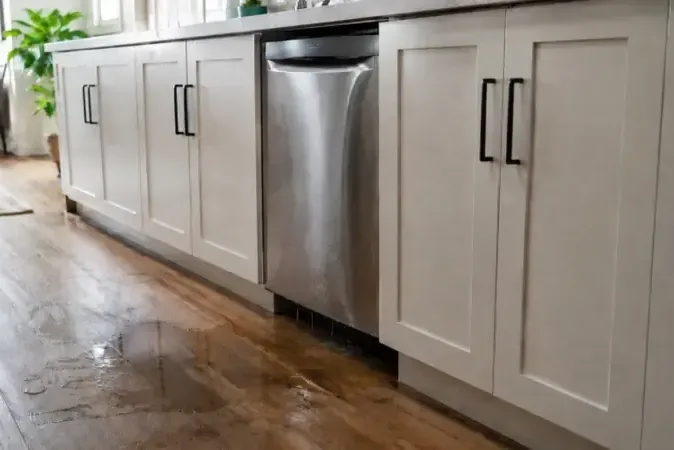
First steps for appliance leak water damage
- 1Pause appliance operation
Stop using the unit and avoid wet plugs or controls. Continued operation can add water before the source and electrical condition have been safely assessed.
- 2Isolate a reachable supply
Close an accessible valve only when it can be reached safely. Do not pull an appliance through standing water simply to search for its connection.
- 3Record when leaking occurs
Note the appliance cycle, visible water path and whether the puddle returns while the unit is idle. These details help distinguish supply and discharge problems.
- 4Keep cabinet evidence visible
Photograph swollen edges, peeling finishes and floor changes before cleanup alters their appearance. Leave fixed components in place until access and removal decisions are made.
What does appliance leak water damage cost in Princeton, TX?
Appliance leak restoration in Princeton depends on cabinet access, floor construction and the water source. A visible spill may conceal additional work beneath fixed units or adjoining finishes.
- Open liquid recovery
- Nearby surface checks
- Limited drying setup
- Toe-space moisture access
- Wet floor layers
- Cabinet condition assessment
- Hidden material saturation
- Broader finish removal
- Complex appliance access
Planning ranges depend on water category, affected square footage, material class and how quickly drying starts. The water damage cost calculator compares scope assumptions; the property inspection sets the work required.
How appliance leak water damage proceeds
- 1
Identify the escaped water
The source assessment distinguishes supply leakage from used appliance water. Contacted surfaces and access conditions establish cleaning needs and the initial boundaries of the loss.
- 2
Arrange safe recess access
Appliance movement and connection handling are coordinated with source service. The exposed recess allows inspection of the floor, rear wall and neighboring cabinet bases.
- 3
Recover liquid and assess layers
Accessible water is removed, then floor coverings and cabinet materials are checked. Findings determine whether selective openings are necessary to reach concealed wet areas.
- 4
Track recovery before reinstallation
Retained materials are dried and rechecked. The handoff records damaged finishes and access requirements so appliance placement does not cover unresolved moisture or unfinished repairs.
The appliance can stop leaking while the floor beneath it remains wet. In Princeton kitchens and laundry spaces, cleanup begins by identifying whether water escaped from a supply connection or a discharge path. That distinction, together with material contact and time, shapes cleaning requirements and the assessment of finishes hidden around the appliance.
Look behind the front edge of the spill
A dishwasher may release water beneath a cabinet before it reaches the open room. A washing machine can wet the wall and floor behind it where access is restricted. Safe movement requires attention to connections and electrical conditions. Pulling the unit abruptly can damage a hose, spread water or conceal useful evidence of the original failure.
- Stop using the affected appliance while its water source and electrical condition are assessed.
- Describe whether the leak appeared during filling, draining or while the appliance was idle.
- Record swollen cabinet edges and changed floor seams as part of the damage report.
Use material condition to decide access
At a home in Whitewing Trails, water under a kitchen unit might reach an adjoining cabinet base. In De Berry Estates, a laundry spill might spread toward a doorway. These examples require actual room measurements and moisture checks. The neighborhood name supplies location, while the assembly and water route determine the restoration work.
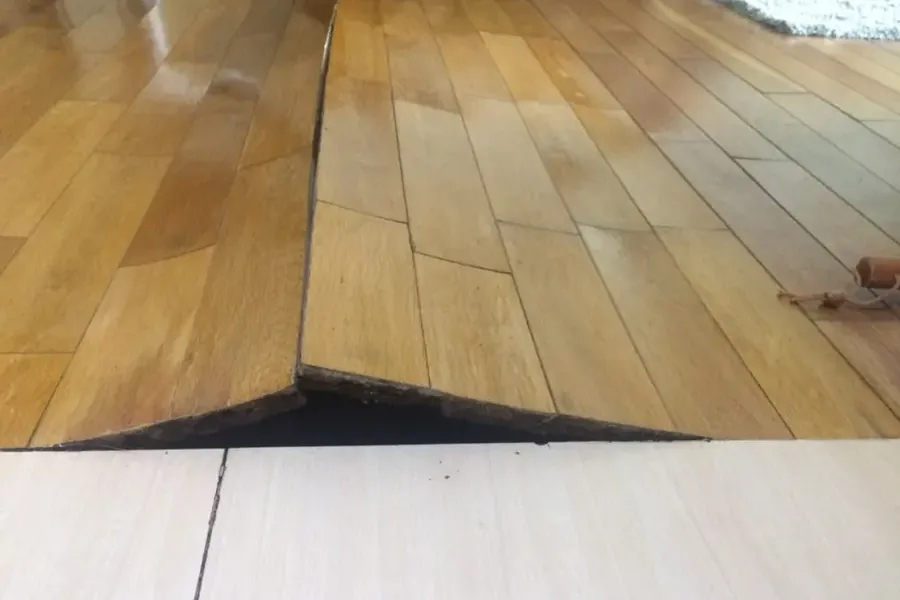
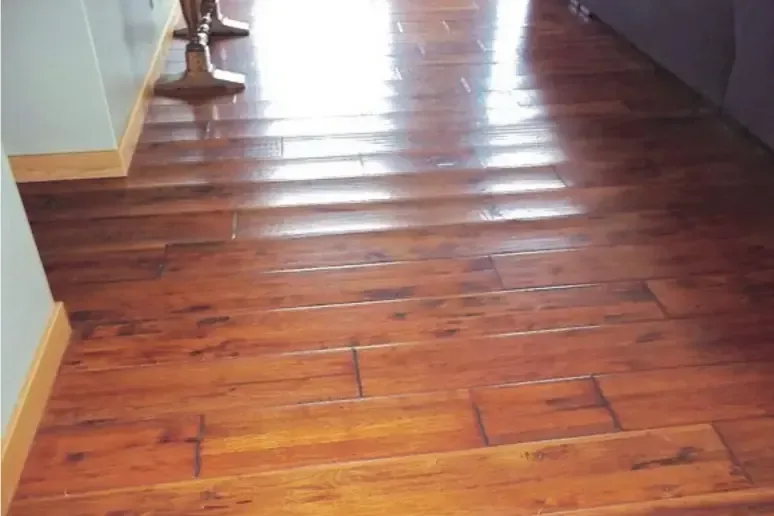
Cabinet toe spaces can restrict drying airflow and hide pooled liquid. Flooring can also hold water between layers after a surface wipe. Where wood boards are affected, hardwood recovery assessment considers both moisture and movement. Other coverings need separate checks for adhesion, backing condition and access to the supporting floor.
- Check cabinet ends and adjoining wall bases for absorption beyond the appliance recess.
- Assess concealed liquid before directing air into a dirty or wet enclosed space.
- Document damaged finish edges that may require replacement even after successful material drying.
Separate appliance service from room recovery
Park Trails owners should receive a clear distinction between repairing the appliance and restoring its surroundings. Princeton lists water or sewer pipe repairs among common permit types. If the proposed work includes a pipe repair, applicable requirements and inspection access should be addressed before the affected finishes are closed.
Water extraction clears accessible liquid, followed by drying that reaches the retained materials. The completion record should identify which cabinet and floor layers remain, what was removed and any reconstruction still needed. A successful appliance cycle is a source-service milestone, not a measurement of the floor beneath it.
Princeton appliance leak water damage response
Appliance water damage assessment serves Princeton homes in Whitewing Trails, De Berry Estates and Park Trails. Cleanup decisions depend on the appliance recess, connected finishes and actual water exposure.
The same service nearby: appliance leak water damage in Anna, Farmersville, Van Alstyne.
Water damage restoration in Princeton · every town coveredRelated water damage services in Princeton
Appliance Leak Water Damage questions
1Should the appliance be pulled out immediately?
Movement should account for electrical safety and connected hoses or pipes. A planned approach exposes the recess without tearing a connection or carrying contaminated water into previously dry areas.
2Is dishwasher water handled like a supply leak?
Used discharge water and clean supply water require different source assessments. The cleanup plan also considers contacted materials and how long moisture remained before choosing removal and cleaning methods.
3Can a cabinet base dry without an opening?
That depends on access, material condition and retained water. The assessment should establish whether airflow and moisture checks can reach the wet area or whether selective access is needed.
4Why is flooring outside the kitchen checked?
Water can pass through seams and doorways into connected rooms. Checking those transitions helps define the wet boundary even when the visible puddle remains close to the appliance.
5Does appliance repair include finish replacement?
Equipment service and building restoration are separate scopes. The written plan should identify damaged flooring, cabinet components and wall materials so necessary repairs remain clear after the appliance works again.
6What if the puddle keeps returning?
A recurring pool indicates that source control or retained water needs further assessment. Record when it reappears and avoid restarting the appliance until the leak and surrounding materials are evaluated.
Reach the moisture beneath the appliance
Discuss cabinet access and adjoining floors to plan cleanup alongside equipment service and the remaining room repairs.