Hardwood Floor Water Damage in Princeton
Raised edges and changed board seams deserve attention before sanding or replacement is chosen. The floor surface, underside and supporting layers need assessment together to establish a workable recovery plan for wet wood.
(888) 527-9134Discuss the changed floorboards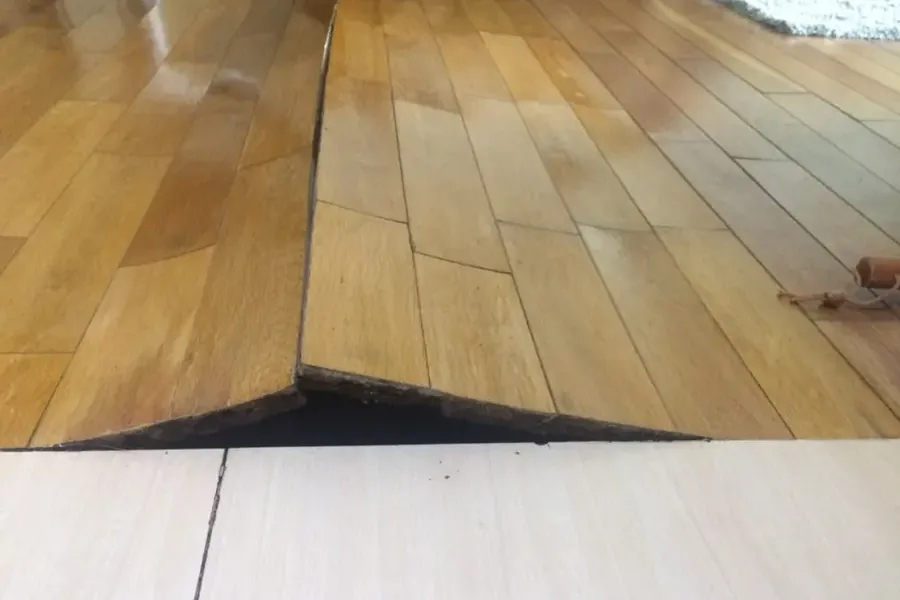
First steps for hardwood floor water damage
- 1Remove the active water source
Stop a safely accessible supply leak and avoid adding cleaning water to the affected floor. Continuing exposure makes it harder to assess the boards' recovery potential.
- 2Lift safe loose coverings
Remove dry rugs or portable items only when access is safe and contamination absent. Photograph affected coverings and leave heavy furniture handling to the access plan.
- 3Record changes in board shape
Note raised edges, new gaps or sections lifting from the support. Keep those observations with the discovery timeline so physical changes can be assessed alongside moisture.
- 4Postpone sanding or coating
Finish work should follow source correction and appropriate drying. Covering or reshaping damp boards can conceal the moisture condition and complicate later decisions about material recovery.
What does hardwood floor water damage cost in Princeton, TX?
Hardwood water damage costs in Princeton depend on the floor assembly, moisture beneath it and physical damage. Targeted recovery requires different access from removing detached boards or repairing a saturated supporting layer.
- Limited board exposure
- Accessible moisture checks
- Targeted drying placement
- Underlying layer assessment
- Broader moisture mapping
- Specialized floor access
- Detached board sections
- Wet supporting materials
- Expanded replacement planning
Planning ranges depend on water category, affected square footage, material class and how quickly drying starts. The water damage cost calculator compares scope assumptions; the property inspection sets the work required.
How hardwood floor water damage proceeds
- 1
Identify floor construction and exposure
The assessment establishes the wood product, underlying layers and water history. Visible movement is documented before selecting a drying method or deciding which sections require access.
- 2
Map surface and concealed moisture
Readings locate the affected boundary and compare it with suitable dry references. Access beneath or beside boards may be needed to assess the supporting assembly.
- 3
Apply suitable floor drying
Where recovery is appropriate, equipment targets retained moisture while the board response is monitored. Damaged or inaccessible layers receive separate removal and replacement decisions.
- 4
Assess the remaining finish condition
After moisture reaches an appropriate condition, the floor is evaluated for residual movement and damage. The handoff distinguishes potential finish work from boards or support materials requiring replacement.
A wood floor can change shape after the visible water has been wiped away. Moisture absorbed through seams and edges can remain beneath the finished face, affecting both boards and their support. Princeton hardwood recovery begins with the water source and the actual floor assembly before choosing drying equipment, removal or refinishing work.
Read the floor as a connected assembly
Raised edges, widened gaps or lifted sections describe physical change, but moisture readings establish where water remains. The assessment should identify the floor layers, attachment method and available access. Furniture and rugs may conceal a wet boundary that extends beyond the initial spill, especially where liquid traveled under a doorway or along a wall.
- Photograph board movement before coverings or furnishings are relocated for access.
- Check adjoining flooring where the same water path crosses a room threshold.
- Assess the supporting surface as well as the exposed board face.
Choose drying around access and material condition
For a home in Princeton Meadows West, a kitchen leak could reach wood flooring in a neighboring room. In Arcadia Farms, the first clue might be a changed seam near a wall. Those examples call for an individual moisture map. They do not determine which wood product or installation method the property contains.
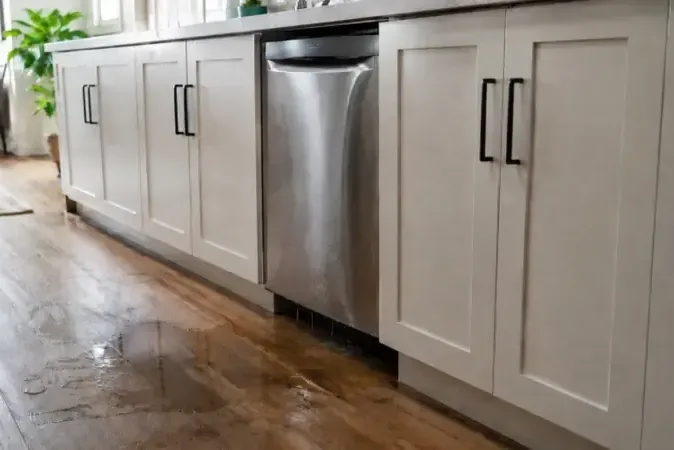
Targeted floor drying can be considered where material condition, contamination and access allow it. Some damaged boards cannot return to service even after moisture decreases. Appliance leak assessment helps where water began under a kitchen unit, while the floor scope follows its spread beneath the visible surface and across connected layers.
- Compare affected readings with suitable dry areas of the same material.
- Identify damaged adhesive, detached sections or splits that drying cannot repair.
- Keep floor coverings off affected areas until their moisture condition is assessed.
Delay cosmetic decisions until the assembly is ready
At a Park Trails property, sanding a changed surface before moisture stabilizes can lead to another finish problem as boards continue moving. The recovery plan should establish an appropriate drying endpoint and then assess the remaining physical condition. Color, surface wear and material damage are separate questions from retained moisture.
Princeton lists most construction and remodeling jobs as requiring permits. Applicable requirements should be considered where the repair involves more than a finish treatment. The structural drying record can support the reconstruction handoff by documenting retained layers, affected boundaries and areas requiring replacement before a new floor finish is installed.
Princeton hardwood floor water damage response
Wood floor assessments cover properties in Princeton Meadows West, Arcadia Farms and Park Trails. Decisions follow the installed material, supporting assembly and observed exposure in each room.
The same service nearby: hardwood floor water damage in Anna, Farmersville, Van Alstyne.
Water damage restoration in Princeton · every town coveredRelated water damage services in Princeton
Hardwood Floor Water Damage questions
1Can raised boards settle after drying?
Some movement can change as moisture decreases, but physical damage and attachment condition matter. The assessment tracks the floor response and identifies boards that still require replacement after drying.
2Why measure below the finished surface?
The face can dry while the underside or supporting layer remains damp. Checking the assembly helps select an appropriate recovery method and prevents finish work from covering retained moisture.
3Should cupped boards be sanded immediately?
Sanding should wait until the moisture condition is appropriate and stable for finish work. Boards can continue changing shape during drying, making early surface correction an unreliable repair decision.
4Can rugs stay over a wet wood floor?
Coverings can restrict evaporation and conceal changes in the boards. Their removal or handling depends on safe access and contamination, followed by assessment of the flooring beneath them.
5Does every wet wood floor need replacement?
Recovery depends on the material, exposure, attachment and damage. Some assemblies support targeted drying, while contamination, splitting or detachment may make removal necessary for a sound repair.
6What records help the flooring repair decision?
Keep photographs of movement, moisture readings and a description of the source. These records distinguish retained water from physical damage and explain which layers remained or were removed during recovery.
Make the repair decision from the whole floor
Discuss moisture beneath the boards and the remaining material condition before selecting drying, refinishing or replacement work.