Storm Flood Cleanup in Anna, TX
Storm flood cleanup in Anna begins with safe entry and the outside-water path. The mitigation team removes standing water, separates contaminated materials and measures the structure before drying equipment is removed.
(888) 527-9134Outside water? Plan the cleanup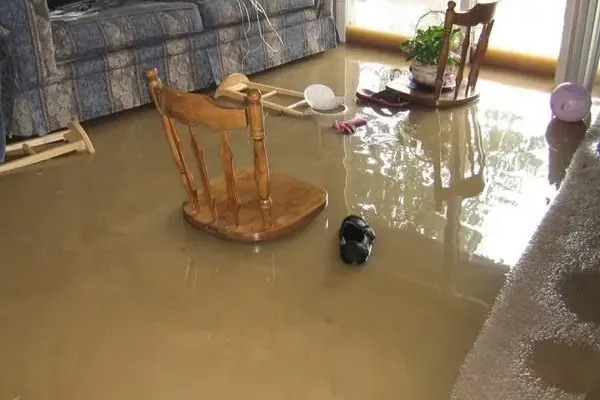
First steps for storm flood cleanup
- 1Wait for safe access
Avoid entering water around electrical equipment or damaged building surfaces, and follow emergency instructions before returning to any area affected by outside flooding.
- 2Keep clean belongings separate
Do not carry wet porous items through dry rooms; establish a clean storage area only when a safe route and the contamination conditions permit it.
- 3Record visible water entry
Photograph thresholds, floor levels and affected contents from dry ground, noting whether water arrived from outdoors, the roof or a backed-up drain.
- 4Report exposure clearly
Tell the cleanup team about soil, sewage odor or other visible contamination, along with the rooms involved and any access restrictions still in place.
What does storm flood cleanup cost in Anna, TX?
Storm flood cleanup commonly starts around $2,500 to $8,000 for a limited building loss. Contaminated materials, broad room coverage and difficult access can increase the cost substantially before reconstruction begins.
- Small affected zone
- Accessible extraction
- Contamination controls
- Porous material removal
- Surface cleaning
- Structural moisture tracking
- Broad contamination
- Multiple drying zones
- Large removal scope
Planning ranges depend on water category, affected square footage, material class and how quickly drying starts. The water damage cost calculator compares scope assumptions; the property inspection sets the work required.
How storm flood cleanup proceeds
- 1
Assess hazards and category
The mitigation team inspects the source route and contamination conditions, then sets protective measures and room boundaries before any pumping or material handling begins.
- 2
Extract and remove
The crew pumps pooled water and removes affected porous materials that cannot remain, documenting the condition and keeping waste separate from clean household paths.
- 3
Clean retained surfaces
Accessible structural surfaces receive appropriate cleaning and product treatment, followed by controlled drying equipment selected for the water load and remaining material assemblies.
- 4
Measure the dry-out
The technician records temperature, humidity and material readings over time, confirming readiness for repairs from the drying trend rather than a calendar deadline.
Water crossing a doorway from outdoors can carry soil and other contaminants into rooms that normally stay clean. Treat that entry differently from a contained supply-pipe leak. The response team first checks access, electrical hazards and the source path, then plans removal without spreading dirty water into unaffected spaces.
Assessing storm water in Anna
Natural Springs Park has a man-made pond, and the city maintains parkland around Slayter Creek Park. Those features give local context, but the inspection focuses on the actual water route at the property. Tell the crew whether water crossed a threshold, came through the roof or rose through a drain; those observations change the response.
- Photographs from a safe position should show the entry point and the affected room edges.
- The crew considers contamination before selecting extraction tools and material-removal boundaries.
- Standing water near power equipment or unstable surfaces keeps an area closed until assessed.
Removing wet layers without spreading contamination
The mitigation crew establishes clean access routes and separates removed material from belongings that remain dry. Porous layers affected by contaminated floodwater often need removal rather than an attempt to dry them in place. The contractor records the removal height and condition of materials before the debris leaves the building.
Cleaning and any appropriate EPA-registered antimicrobial application follow the product instructions, including contact time. Drying starts with accessible assemblies and a setup suited to the remaining moisture load. Air movers should not blow dirty water or debris into clean rooms.
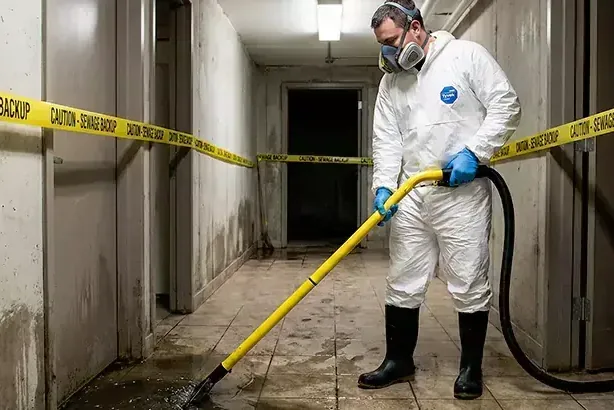
- Protective equipment matches the contamination and tasks inside the work area.
- Extraction removes pooled water before detailed cleaning of accessible surfaces.
- Daily readings document how framing and other retained materials respond to dehumidification.
Separating outside flooding from roof leakage
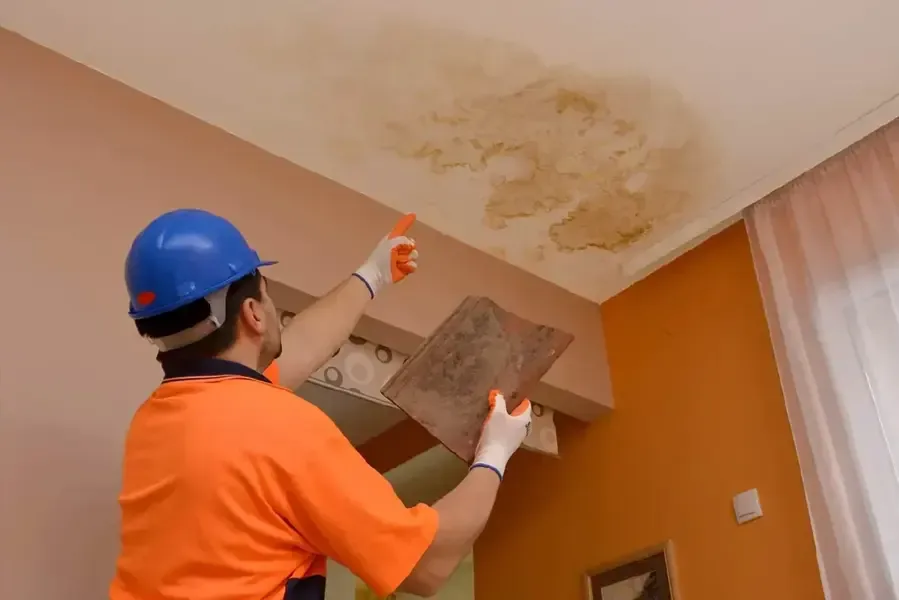
Along West White Street, an indoor stain after a storm could come from several entry routes. The restoration team documents the route instead of assuming all storm-related damage has the same cause. The distinction also matters when the homeowner reviews insurance: outside flooding and sudden interior water damage can fall under different coverage.
The FEMA flood information explains the role of flood insurance. The EPA flooded-home cleanup information addresses cleaning and wet-material decisions. Keep water-entry photographs, affected-area measurements and itemized work records together. A clear record supports review without promising payment or a fixed restoration timeline.
Keep the entry route in the claim record
Photograph water at the threshold and the first affected room from a safe location. The contractor records outside-water exposure, cleaning boundaries and removed materials before the dry-out changes the scene. Keep those records with any roof or drain findings so different entry routes remain separate. Ask the insurer which policy applies to the documented cause and which inspection steps should occur before disposal. The work scope should distinguish contaminated-material removal, retained-surface cleaning and structural drying, with the photographs and daily measurements supporting each item.
Anna storm flood cleanup response
ZIP 75409 includes the service area around Natural Springs Park, West White Street and Slayter Creek Park. Describe the affected rooms and safe access when requesting restoration.
See the covered communitiesRelated water damage services
Storm Flood Cleanup questions
1Is outside floodwater treated as clean water?
No. Water that enters from outside can carry contaminants even when it looks clear. The restoration team assesses the source and exposure before choosing extraction, cleaning and removal methods.
2Can a household run fans before cleanup?
Avoid blowing air across contaminated water or debris. The crew first establishes safe work boundaries and completes necessary removal and cleaning before directing airflow through the drying area.
3Does every storm loss need flood insurance?
The entry route and policy terms matter. Rain entering through roof damage and surface floodwater may receive different treatment; the insurer should explain the applicable coverage for the documented cause.
4What belongings should be saved for documentation?
Photograph affected items and keep a written inventory before disposal when safe. Follow insurer instructions about inspection while avoiding storage of contaminated material in clean occupied rooms.
5How is the final drying decision made?
The technician compares retained-material readings with suitable dry references and records progress. Measured moisture results show when wall framing and concealed floor layers are ready for repairs.
6What helps a 24/7 storm cleanup request?
Describe the water entry route, current depth, affected rooms and whether access is safe. The response team plans around those conditions and any continuing weather or emergency restrictions.
Start flood recovery with safe boundaries
24/7 restoration response separates contaminated areas, removes pooled water and measures the remaining structural moisture.