Structural Drying in Princeton
The water can be gone from the floor while the building still needs drying. Readings from the affected materials establish where moisture remains and whether the equipment setup is reaching those layers.
(888) 527-9134Discuss the remaining wet materials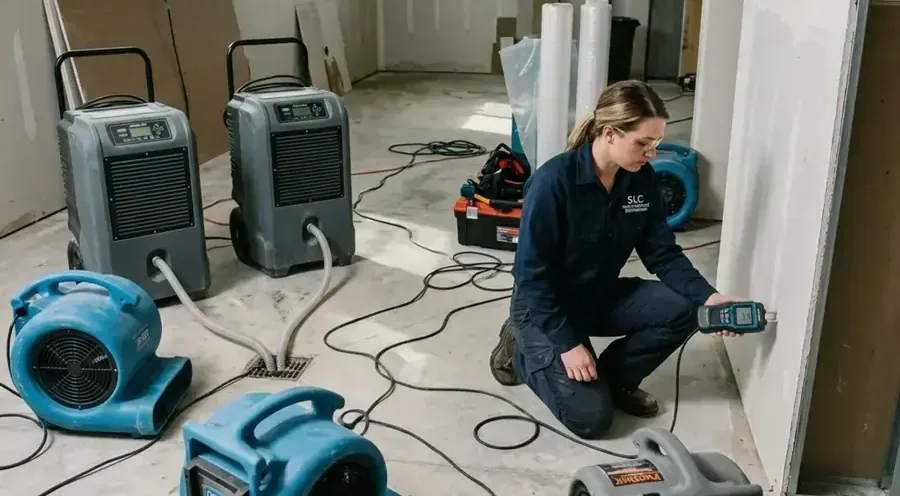
First steps for structural drying
- 1Confirm the source status
Describe whether the pipe, appliance or exterior opening has been repaired or isolated. A continuing release must be addressed so drying work can make measurable progress.
- 2Keep the drying area accessible
Leave planned access to affected walls and floors clear. Moving storage against equipment or covering opened materials can interfere with airflow and prevent consistent moisture checks.
- 3Discuss occupancy and equipment needs
Explain which rooms remain occupied and where power or access is restricted. The setup should account for safe routes while maintaining the conditions needed by affected materials.
- 4Request a material-based handoff
Ask which materials are being measured and what condition is needed before repair. The completion record should connect the drying result to the assemblies that will be enclosed.
What does structural drying cost in Princeton, TX?
Structural drying costs in Princeton depend on access, material depth and how the wet assembly responds. Open framing needs a different setup from concealed floor layers or several connected cavities requiring repeated checks.
- Exposed wet surfaces
- Defined monitoring area
- Straightforward equipment placement
- Connected wall cavities
- Multiple material types
- Expanded moisture monitoring
- Restricted structural access
- Deep retained saturation
- Adjusted drying configuration
Planning ranges depend on water category, affected square footage, material class and how quickly drying starts. The water damage cost calculator compares scope assumptions; the property inspection sets the work required.
How structural drying proceeds
- 1
Build the initial moisture map
The assessment locates affected materials and establishes reference readings. Findings distinguish open wet surfaces from concealed layers needing access before an effective drying setup is possible.
- 2
Set equipment for the assembly
Air movement and dehumidification are arranged around the materials that remain. Electrical capacity, room access and clean work boundaries are considered alongside the moisture load.
- 3
Measure response and adjust
Repeated readings show how individual materials respond. Equipment positions or access methods can change when the record indicates an area is not progressing as expected.
- 4
Document readiness for the next trade
The endpoint is assessed against appropriate dry conditions and physical material quality. Remaining inspections, finish damage and reconstruction tasks are identified before equipment is removed and openings close.
Drying is a material task, not simply a room full of fans. Princeton properties need access to wet layers, suitable air conditions and measurements that show how the structure responds. A wall face can feel dry while framing or insulation behind it remains wet, so the plan must connect the equipment to the actual moisture location.
Establish what can remain and what needs access
Source control and appropriate cleaning come before the drying setup. The assessment then identifies recoverable materials and any layers that obstruct evaporation or inspection. An opening should have a clear purpose: expose wet framing, remove damaged insulation or reach an otherwise inaccessible floor edge. Material condition determines how much access is necessary.
- Identify wet assemblies separately rather than treating every room surface as equally affected.
- Record initial readings and suitable dry references for the materials being monitored.
- Keep air paths clear of storage and furniture that block the equipment's intended reach.
Adjust the setup when readings call for it
A property in De Berry Estates may need attention to a wall cavity, while a home in Trails At Riverstone may have retained floor moisture. These examples require different equipment placement and access. Dehumidification manages water vapor in the drying space while air movement helps evaporation from exposed surfaces within that controlled environment.
Readings taken consistently show whether the setup is effective. A slow response can point to a covered wet layer, continuing source or insufficient access. The next action should address that condition. Water extraction may still be needed where liquid remains beneath materials instead of relying on airflow to handle a concealed pool.
- Recheck areas near the original wet boundary as adjoining materials respond to drying.
- Investigate inconsistent readings rather than extending equipment operation without a clear reason.
- Record setup changes alongside the material response so the drying history remains understandable.
Coordinate drying completion with inspection access
Princeton requires work subject to permit inspections to stay exposed until approval. For a property in Whitewing Trails, reconstruction should therefore account for both the material endpoint and applicable inspection access. A dry assembly can still need an inspection before closure, while inspection approval alone does not measure retained moisture.
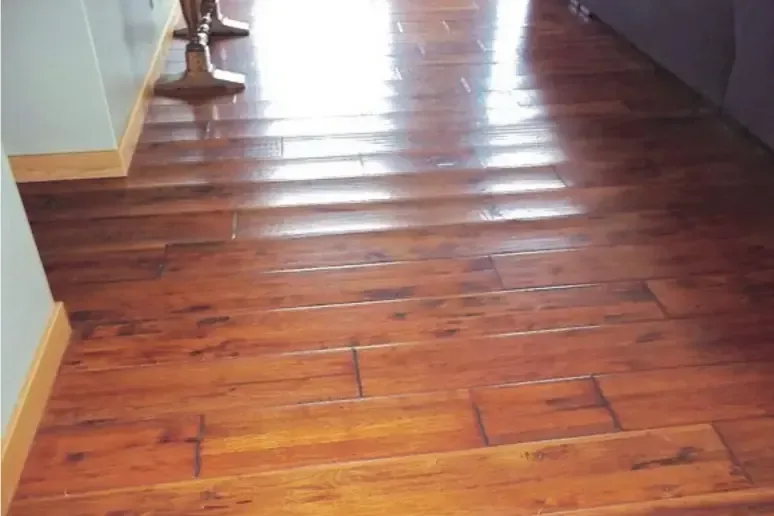
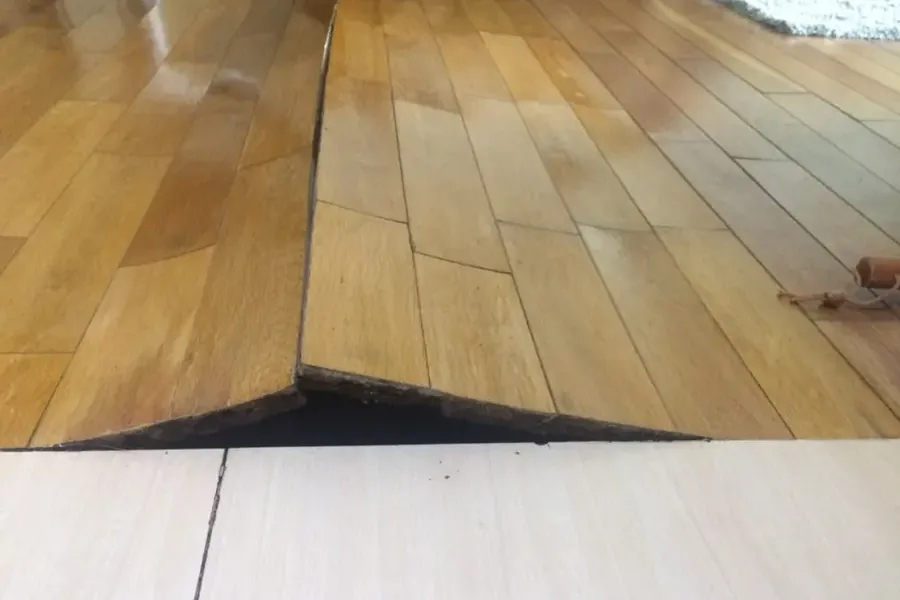
The handoff identifies recovered materials, remaining damage and openings ready for the next trade. Where wood flooring is involved, floor condition assessment separates moisture recovery from permanent board movement. That distinction keeps final repairs focused on the condition of the building rather than an assumed drying deadline.
Princeton structural drying response
Structural drying serves Princeton properties including De Berry Estates, Trails At Riverstone and Whitewing Trails. Equipment and monitoring are selected for each building's affected materials and available access.
The same service nearby: structural drying in Anna, Farmersville, Van Alstyne.
Water damage restoration in Princeton · every town coveredRelated water damage services in Princeton
Structural Drying questions
1Why measure materials instead of room air alone?
Room conditions describe the drying environment, while material readings show retained moisture in the structure. Both matter because favorable air conditions can coexist with damp layers hidden behind a finish.
2Can the equipment be switched off overnight?
Equipment changes should be discussed with the drying team because the setup depends on controlled conditions. Interruptions can affect the material response and make the monitoring record harder to interpret.
3Does every cavity need to be opened?
Access depends on material condition and the ability to reach retained moisture. Some areas can dry with limited intervention, while obstructed or damaged layers require openings for effective recovery.
4What if readings stop improving?
The assessment should investigate the cause, including hidden water, restricted access or a continuing leak. The next step is an informed adjustment to the setup or scope based on that finding.
5Is a dry wall ready to close immediately?
The assembly also needs appropriate physical condition and any required inspection access completed. City requirements keep inspectable work exposed until approval, so the reconstruction handoff must account for both.
6Can drying repair swollen or separated finishes?
Drying removes retained moisture from suitable materials. It cannot reverse every physical change, so damaged trim, flooring or wallboard still needs a separate assessment for replacement or finish repair.
Use material readings to plan the repair handoff
Discuss the access, equipment and inspection steps needed before walls, ceilings or floors are covered with replacement finishes.