Water Extraction in Anna, TX
Water extraction in Anna starts with stopping the source and clearing safe access. The extraction crew removes pooled water, checks soaked floor layers and prepares the rooms for controlled drying.
(888) 527-9134Water pooling? Discuss extraction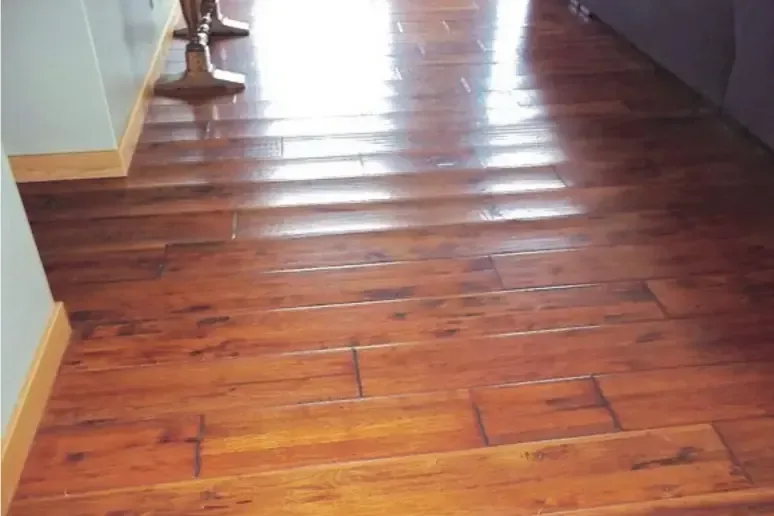
First steps for water extraction
- 1Stop the release
Close the accessible water supply when safe, and keep people away from wet outlets or equipment until an appropriate professional checks the electrical risk.
- 2Keep a clear route
Move small dry belongings out of the access route without walking through contaminated water; leave heavy or unstable items for the response team to assess.
- 3Record the spread
Take pictures from dry ground and note which rooms became wet first, so the technician can compare the water path with the inspection findings.
- 4Describe the water
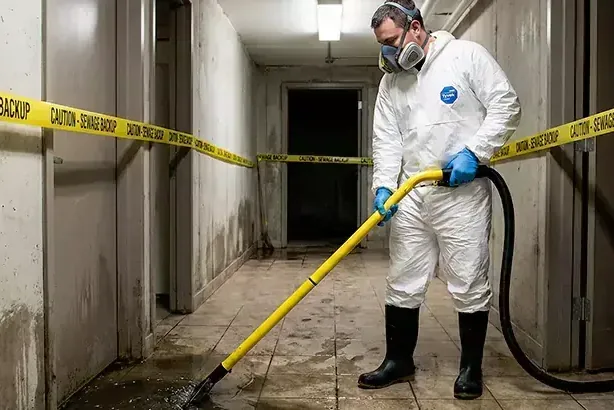
Report whether the source is a pipe, appliance, drain or exterior flooding, and mention any odor or waste before the crew selects extraction equipment.
What does water extraction cost in Anna, TX?
Water extraction commonly falls around $500 to $3,500 for a limited indoor loss. Deeper water, several rooms, contaminated materials and a delayed drying start increase the scope; drying and reconstruction may add separate costs.
- Accessible floor
- Limited wet footprint
- Clean source assessment
- Carpet and pad work
- Repeated extraction passes
- Adjoining material checks
- Deep or contaminated water
- Restricted access
- Extensive material removal
Planning ranges depend on water category, affected square footage, material class and how quickly drying starts. The water damage cost calculator compares scope assumptions; the property inspection sets the work required.
How water extraction proceeds
- 1
Inspect the wet footprint
The technician checks the source, water category and adjoining materials, then marks the affected area before selecting a removal method suited to the room.
- 2
Remove the liquid load
The extraction crew pumps deeper pools and works floor surfaces in controlled passes, checking carpet pad and low spots for water that remains behind.
- 3
Set the drying zone
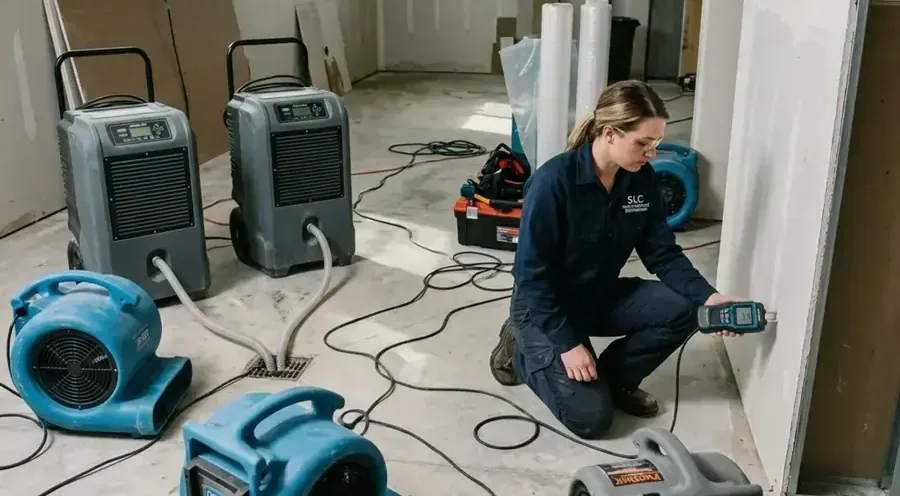
The drying team arranges air movement and dehumidification around the remaining moisture, while separating clean rooms from work areas and keeping access routes usable.
- 4
Verify the result
The contractor compares later readings with dry reference materials and records the trend, so equipment removal follows measured progress rather than a dry-looking surface.
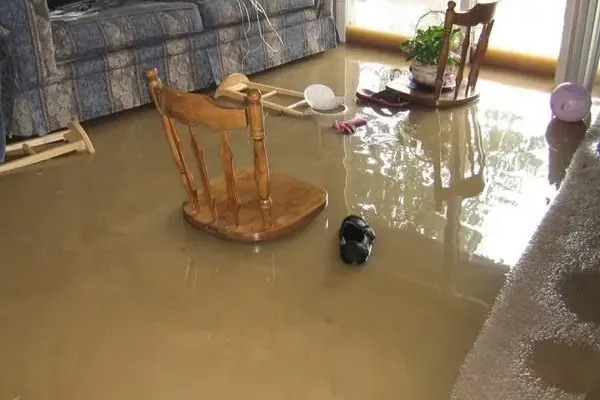
A puddle gives only part of the picture. Water can pass under a baseboard, soak carpet padding and collect beneath cabinets before the visible edge stops moving. The extraction crew measures that hidden spread before choosing a pump, wand or weighted extractor. Quick removal reduces the liquid load that dehumidifiers must handle afterward.
Water extraction in Anna starts at the source
Households along West White Street and FM 455 can describe the nearest cross street and the affected entrance when arranging access. A leaking supply pipe requires a shutoff and plumbing repair; rainwater entering at a threshold requires a different source-control plan. Natural Springs Park is south of that corridor, but a nearby park or pond never substitutes for inspecting how water entered the building.
- The crew records the apparent source, the rooms involved and whether water has contacted waste.
- Electrical hazards and unstable ceilings determine which areas remain closed during removal.
- Carpet seams, doorway transitions and cabinet bases receive checks beyond the visible puddle.
Removing water from carpet and hard floors
A surface pass leaves moisture behind when pad or underlayment holds water. The technician compares extraction methods with the floor construction and the contamination category. Recoverable clean-water carpet may receive weighted passes, while contaminated porous layers need removal. Hard floors require attention at joints and edges, where water can escape beneath an apparently dry finish.
The drying team records readings before and after extraction. Those readings help size the dehumidification load and identify areas that need opening. The crew protects furniture feet and separates dry belongings from wet materials so traffic does not spread the loss into another room.
- Water depth and access determine whether pumping precedes detailed extraction.
- Vacuum tools lift water that towels and household machines cannot reach within carpet layers.
- Daily moisture checks follow the remaining wall and floor load after standing water disappears.
Keeping the next stage accountable
Properties near Slayter Creek Park receive the same room-by-room assessment as other addresses in ZIP 75409. The restoration contractor documents wet materials, removal decisions and equipment placement before reconstruction starts. The claim file should distinguish extraction from demolition and drying so the scope stays readable.
The EPA flood cleanup information explains why contaminated floodwater changes material decisions. Ready.gov flood safety covers immediate hazards around flooded buildings. An indoor pipe loss and outside floodwater should not share a cleanup plan simply because both leave a wet floor.
Anna water extraction response
ZIP 75409 includes the service area around Natural Springs Park, West White Street and Slayter Creek Park. Describe the affected rooms and safe access when requesting restoration.
See the covered communitiesRelated water damage services
Water Extraction questions
1Is extraction enough to finish a water loss?
Usually not. Extraction removes liquid water, while drying removes moisture held inside building materials. The technician checks wall bases, subfloor layers and cabinets before deciding what equipment remains.
2Can household vacuums remove the water?
An ordinary household vacuum creates an electrical hazard around water. Professional extraction equipment handles liquid loads, and the crew first checks whether the room is safe to enter.
3Does wet carpet always need replacement?
The water category, elapsed exposure and carpet construction determine that decision. Clean-water carpet may be recoverable; sewage-contact pad and other contaminated porous layers require a different removal plan.
4How does the crew find water under flooring?
Moisture meters compare wet areas with dry references. Thermal imaging can help locate patterns, but the technician verifies suspicious areas with material readings and selective access where necessary.
5What should go in the claim file?
Source photographs, affected-room measurements, extraction records, moisture maps and equipment logs make the work traceable. The insurer decides coverage under the actual policy, not the amount of visible water.
6Is water extraction available overnight?
24/7 water-damage response treats active flooding as urgent. Safe access, the source and the current workload determine scheduling; no fixed arrival time is promised before those details are assessed.
Standing water needs a clear removal plan
24/7 restoration response starts with the source, the water category and the rooms that need extraction.