Frozen Pipe Water Damage in Anna, TX
Frozen pipe damage can release water when a blocked pipe begins to thaw. Anna restoration teams assess the resulting wet rooms after safe shutoff, then extract water and dry the affected wall and floor assemblies.
(888) 527-9134Thaw leak? Discuss the damage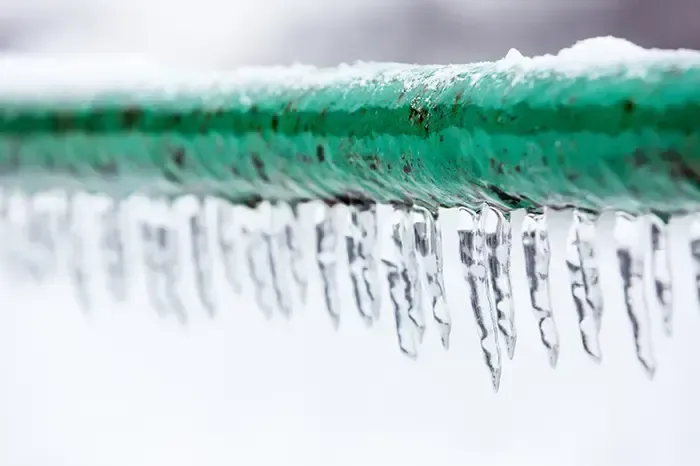
First steps for frozen pipe water damage
- 1Shut off water safely
Use the known accessible shutoff when pipes freeze or a thaw leak appears, keeping away from wet electrical areas and avoiding unfamiliar controls in unsafe spaces.
- 2Avoid open flames
Do not use a torch or other open flame to thaw a pipe; arrange appropriate plumbing assessment and describe the affected fixtures and any visible damage.
- 3Check from dry areas
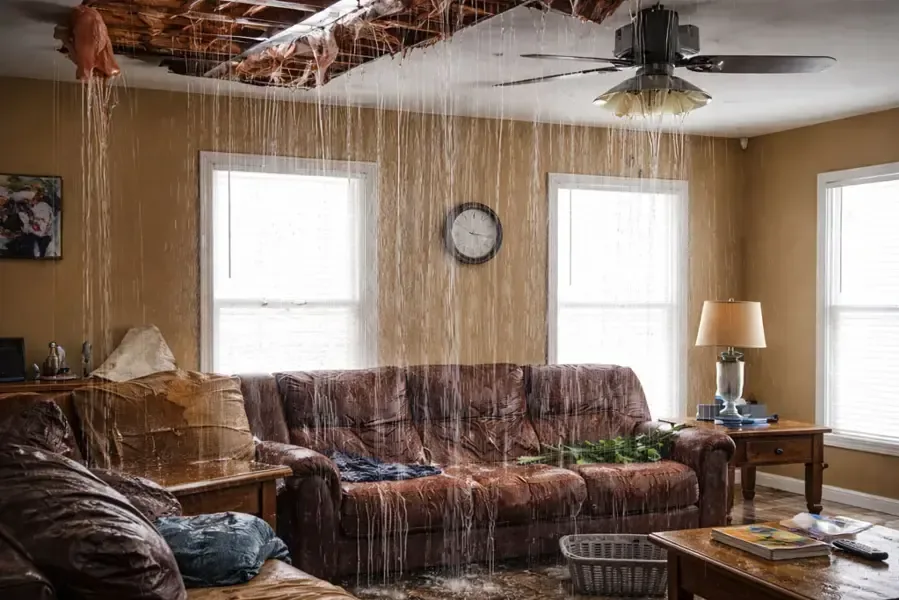
Look for new ceiling drips, wet wall bases or floor patches as conditions change, without opening unstable surfaces or entering rooms with electrical concerns.
- 4Give clear access references
Natural Springs Park sits south of West White Street, also FM 455. Use those references to explain the safe approach while reporting the wet room, shutoff status and when the thaw release appeared.
What does frozen pipe water damage cost in Anna, TX?
Frozen pipe water-damage cleanup commonly ranges from $1,200 to $5,500. Several breaks, wet ceilings and concealed insulation increase the scope; plumbing repair and final rebuilding are separate work items.
- Source isolated
- Limited extraction
- Accessible material checks
- Insulation removal
- Controlled cavity drying
- Several monitored rooms
- Broad water spread
- More access openings
- Larger drying load
Planning ranges depend on water category, affected square footage, material class and how quickly drying starts. The water damage cost calculator compares scope assumptions; the property inspection sets the work required.
How frozen pipe water damage proceeds
- 1
Review the source history
The technician compares the reported freeze and thaw sequence with plumbing findings, then maps water spread through accessible walls, ceilings and floors around the failed section.
- 2
Extract the thaw release
The crew removes pooled water and checks absorbent floor layers, limiting further spread while the plumber confirms source repair and safe return of the supply.
- 3
Expose and dry cavities
Necessary openings reveal saturated insulation and framing, allowing controlled air movement and dehumidification to reach materials that would remain wet behind intact finishes.
- 4
Verify the remaining structure
Repeated readings show the material response and final drying condition, supporting repair decisions after the source and the escaped-water damage have each been addressed.
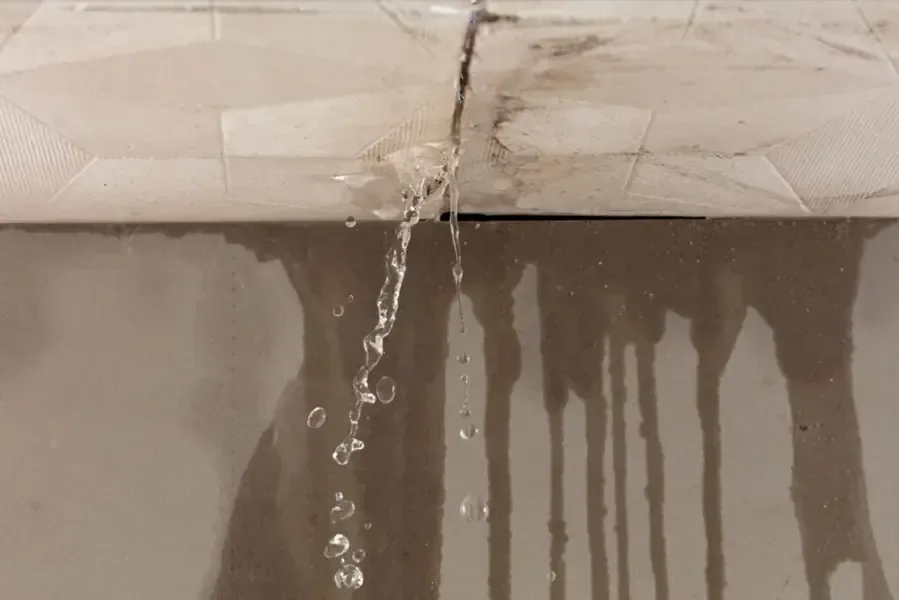
A frozen section can restrict flow before a damaged pipe starts leaking visibly. As temperatures change and water moves again, a split may release into a wall, ceiling or floor cavity. The household should avoid open-flame thawing and arrange professional source assessment rather than treating restored faucet flow as proof that the system is sound.
Freeze-related pipe checks in Anna
In Collin County, the first useful report is which fixtures lost water and when indoor dampness appeared. For a home accessed from US 75, identify the dry entrance and the shutoff location before responders unload equipment. Near Natural Springs Park, check accessible room edges from a safe doorway and leave concealed pipe testing to the plumber. The Texas Department of Insurance recommends shutting off water when pipes freeze to limit leakage after thawing.
- A plumber checks the affected supply system and tests repairs before normal use resumes.
- The restoration technician follows moisture from the pipe route into nearby building materials.
- Wet electrical areas and unstable ceilings remain closed while the hazards receive assessment.
Drying the water released during thaw
A concealed freeze break can wet several assemblies before the household sees a puddle. The extraction crew checks the room below and the far side of a wall where water might have traveled. Wet insulation can keep framing damp even when the exposed floor begins to dry.
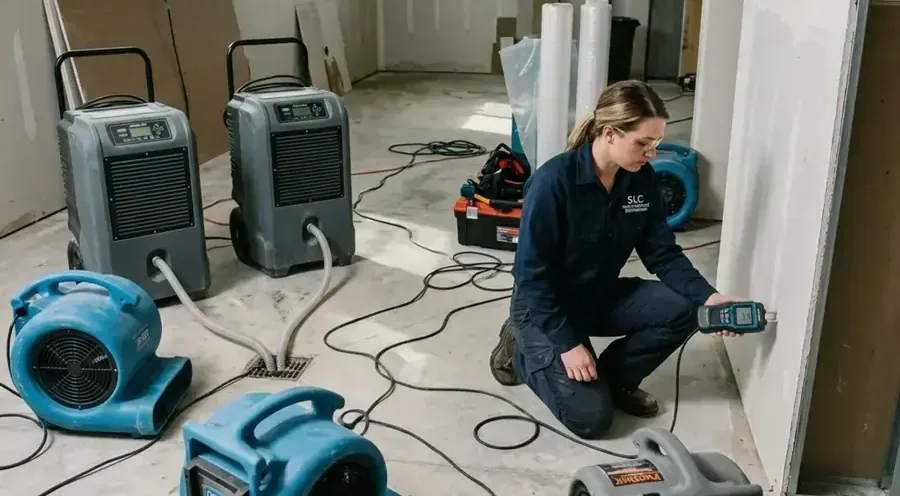
The team removes accessible water and evaluates damaged layers before arranging dehumidification. Equipment setup must fit the actual temperature, moisture load and access. The technician records the same material locations over time so progress remains comparable, especially where closed cavities respond more slowly than open floor surfaces.
- Source-control records explain where the break occurred and when the release stopped.
- Moisture maps include wall bases, adjoining closets and lower rooms along the water path.
- Controlled openings expose wet layers that cannot dry through intact finishes alone.
Recording a thaw loss without guessing the cause
For a property near Geer Park, describe low flow, a visible split or dampness that appeared after a temperature change before anyone opens the wall. Those observations belong in the loss record, while the plumber identifies the actual failure. Avoid replacing that diagnosis with an assumption about pipe age or material based on the property location.
The Texas winter pipe precautions explain shutoff and policy questions. The Ready.gov winter-weather information covers broader cold-weather safety. Keep heating and shutoff information with photographs, plumbing findings and drying logs. The insurer reviews the policy and circumstances; the restoration contractor documents the resulting water damage.
Anna frozen pipe water damage response
ZIP 75409 includes the service area around Natural Springs Park, West White Street and Slayter Creek Park. Describe the affected rooms and safe access when requesting restoration.
See the covered communitiesRelated water damage services
Frozen Pipe Water Damage questions
1Can a frozen pipe leak only after thawing?
Yes. Ice can restrict flow while a split remains concealed. When water moves again, the damaged section can release into surrounding materials, so renewed flow does not replace inspection.
2Should water be shut off when pipes freeze?
The Texas Department of Insurance recommends shutoff to limit leakage after thawing. Use a known safe shutoff location and arrange professional help when access or electrical conditions make that unsafe.
3Can a homeowner use a torch to thaw a pipe?
Do not use an open flame. A plumbing professional should assess safe thawing and the condition of the affected section, especially where the pipe is concealed or near damaged materials.
4Why check rooms below the break?
Water can follow gravity through ceiling and wall cavities before appearing on a lower floor. The restoration map should include those connected assemblies even if the visible break is elsewhere.
5Does insurance always cover freeze damage?
Coverage depends on policy terms and circumstances, including any required protective measures. Keep the source diagnosis, photographs and heating or shutoff details available for the insurer’s review.
6What should a 24/7 thaw-leak request include?
Report the current water flow, shutoff status and affected rooms. Mention any sagging ceiling or wet electrical equipment so the response team can plan a safe assessment.
Watch the structure after the pipe thaws
24/7 restoration response tracks escaped water and documents the drying work beyond the repaired break.