Roof Leak Water Damage in Anna, TX
Rain entering an Anna roof can wet the attic before a ceiling stain appears. The restoration team checks insulation and framing beneath the entry path, then dries the interior after roof source control.
(888) 527-9134Rain indoors? Discuss attic drying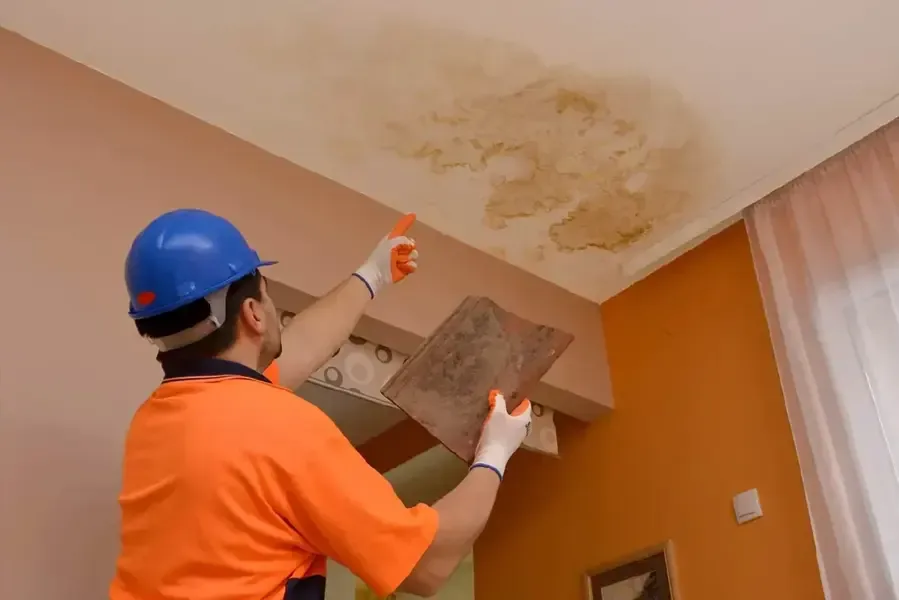
First steps for roof leak water damage
- 1Stay off the roof
Do not climb onto a wet or damaged roof; report the interior symptoms and let the roofing professional decide how to inspect and secure the exterior.
- 2Close the affected room
Keep people away from sagging ceiling material and wet fixtures, using a dry route to move portable belongings only if the room remains safe.
- 3Capture the timing
Note when rain began entering and which ceiling showed water first, preserving photographs that help the roofer and restoration team compare their findings.
- 4Arrange interior assessment
Ask for attic and ceiling moisture checks after source control, since the absence of a fresh drip does not show whether insulation or framing has dried.
What does roof leak water damage cost in Anna, TX?
Interior cleanup after a roof leak typically ranges from $1,000 to $4,500. Wet attic insulation, ceiling removal and several affected rooms expand the restoration work; roofing repairs and finish replacement are priced separately.
- Limited rain entry
- Accessible inspection
- Small material opening
- Insulation removal
- Framing moisture checks
- Controlled interior protection
- Several ceiling areas
- Complex attic access
- Larger drying arrangement
Planning ranges depend on water category, affected square footage, material class and how quickly drying starts. The water damage cost calculator compares scope assumptions; the property inspection sets the work required.
How roof leak water damage proceeds
- 1
Trace the entry path
The technician compares interior stains with accessible attic readings and the roofer’s source findings, identifying the materials affected along the water route.
- 2
Remove damaged insulation
The crew opens necessary areas and removes wet material that cannot remain, protecting occupied rooms below while exposing framing for a measured dry-out.
- 3
Control the drying air
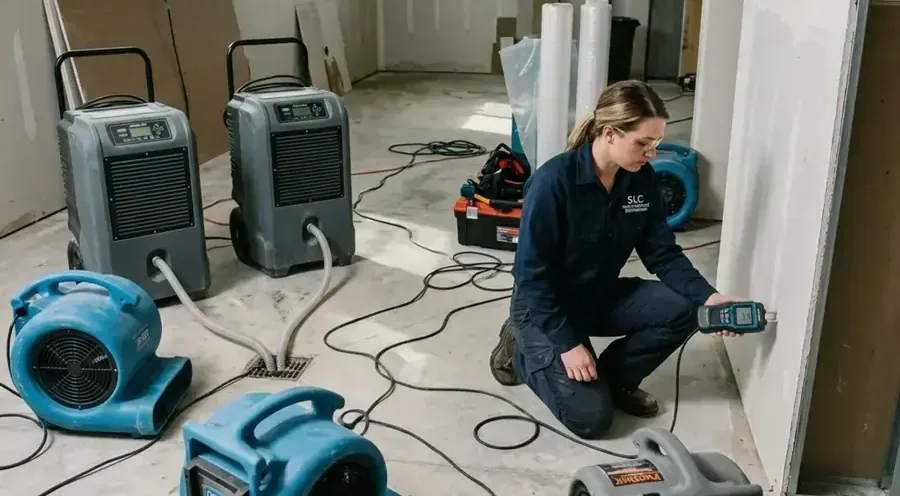
The drying team sets equipment for the affected space and checks moisture trends, adjusting access or airflow when a hidden area stops responding.
- 4
Coordinate reinstatement
The contractor documents final readings and remaining repairs so insulation, ceiling finishes and roof-related work proceed in a clear sequence after the water source is controlled.
Roof water does not always fall straight down. A leak at flashing, underlayment or a roof penetration can follow a rafter and emerge elsewhere. The roofer identifies and corrects the exterior entry point. The mitigation team handles the water that has already reached insulation, ceiling material and the rooms below.
Following roof water into Anna interiors
Properties near Johnson Park and Geer Park need the same careful distinction between exterior repair and indoor drying. A roof patch can stop fresh rain while insulation remains saturated beneath it. The household should describe the stained room and the weather conditions when the drip appeared, without climbing onto a wet roof to inspect it.
- The technician checks attic access and structural safety before entering the roof space.
- Wet insulation, darkened framing and ceiling marks help trace the moisture path.
- Photographs connect the interior damage to the source findings supplied by the roofer.
Drying below the repaired roof
Attic conditions require more than placing a fan under the stain. Insulation can hold water against wood and obstruct airflow, while ceiling layers limit evaporation from below. The drying contractor decides which materials need removal and where controlled access will allow the remaining assembly to dry.
Dehumidification and air movement should suit the actual enclosed area. The crew monitors readings at the roof-path framing and ceiling intersections rather than relying on the appearance of one exposed surface. When several rooms show stains, the moisture map helps distinguish separate entry routes from one traveling leak.
- Damaged ceiling panels come out under a protected work area, not over occupied furniture.
- Equipment cords and condensate routes stay out of household circulation paths.
- Drying records identify the material checks that precede new insulation and ceiling repair.
Storm records and the repair sequence
Along US 75, an address description helps arrange access but says nothing about roof condition. The inspection must establish that condition at the building. Save the first interior photographs, the roofer’s explanation and the drying log. Those records distinguish rain entry, resulting damage and work already completed.
The National Weather Service safety information covers severe-weather precautions. Ready.gov flood safety addresses water-related building hazards. Neither a weather warning nor a stain establishes insurance coverage; the policy and the documented cause govern that decision. The contractor can supply a measured scope without promising the insurer’s outcome.
Anna roof leak water damage response
ZIP 75409 includes the service area around Natural Springs Park, West White Street and Slayter Creek Park. Describe the affected rooms and safe access when requesting restoration.
See the covered communitiesRelated water damage services
Roof Leak Water Damage questions
1Is roof repair included in interior drying?
Roof source repair and water-damage restoration are separate tasks. The roofer addresses the exterior entry point, while the restoration crew evaluates and dries the affected interior materials.
2Why did a stain appear after the rain stopped?
Water can remain in insulation or move along framing before reaching the ceiling surface. The timing of the stain helps the inspection but does not locate the entry point by itself.
3Can attic insulation dry without removal?
The insulation type, saturation and contamination determine the decision. The crew may need to remove damaged insulation to expose wet wood and create a reliable airflow path.
4Should windows stay open during dehumidification?
Follow the drying team’s setup instructions. Uncontrolled outside air can change temperature and humidity and reduce the effectiveness of equipment sized for an enclosed drying zone.
5What roof-leak records should be kept?
Retain initial photographs, roof inspection findings, repair receipts, moisture maps and equipment logs. These documents explain the cause and resulting damage for the insurer and later repair contractor.
6Can a roof leak receive 24/7 attention?
Active interior water intrusion is urgent. Describe ceiling stability, electrical concerns and safe access when requesting help; exterior work also depends on weather and safe roof conditions.
The roof patch is one part of recovery
24/7 restoration support checks wet attic and ceiling layers before insulation and finishes return.