Commercial Water Damage in Anna, TX
Commercial water damage in Anna requires a clear work boundary and a practical access plan. The mitigation team removes water, documents affected materials and separates drying areas from safe business circulation.
(888) 527-9134Business wet? Discuss access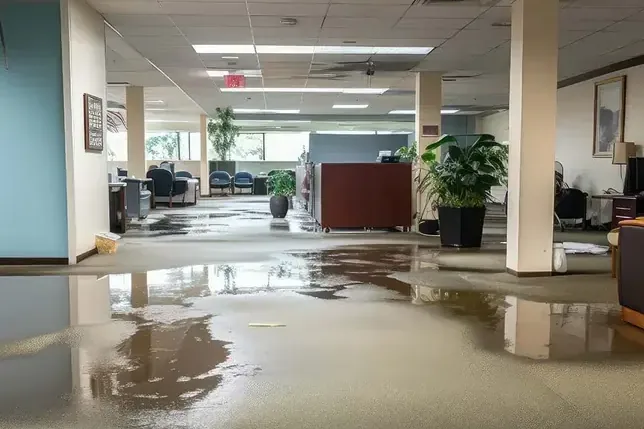
First steps for commercial water damage
- 1Restrict unsafe access
Close affected public and staff areas when water, unstable material or electrical concerns make access unsafe, and keep a clearly identified dry route for authorized responders.
- 2Name the building contact
Identify the person who can authorize access, explain utilities and coordinate with tenants or management, avoiding conflicting instructions while the response team assesses the loss.
- 3Protect records and inventory
Move dry portable records or stock only through safe routes, and photograph wet items before disposal when the insurer’s instructions and contamination conditions allow it.
- 4Describe operational constraints
Report shared walls, restricted rooms, delivery access and essential equipment, helping the contractor plan the work around the building’s actual safety and access requirements.
What does commercial water damage cost in Anna, TX?
Commercial water mitigation can range from $2,000 to $10,000 for a limited loss. Building size, contamination, access restrictions and multiple drying zones can raise the scope significantly, with reconstruction and business losses considered separately.
- Defined wet area
- Accessible water source
- Limited material removal
- Controlled work routes
- Multiple moisture zones
- Detailed daily records
- Broad affected footprint
- Restricted equipment access
- Extensive drying capacity
Planning ranges depend on water category, affected square footage, material class and how quickly drying starts. The water damage cost calculator compares scope assumptions; the property inspection sets the work required.
How commercial water damage proceeds
- 1
Survey the occupied building
The contractor reviews the source, hazards and affected uses, then marks wet assemblies and establishes boundaries between work areas and any safely usable spaces.
- 2
Extract and protect access
The crew removes standing water and damaged layers while maintaining controlled equipment routes, documenting conditions before the work changes the appearance of the loss.
- 3
Dry by measured zones
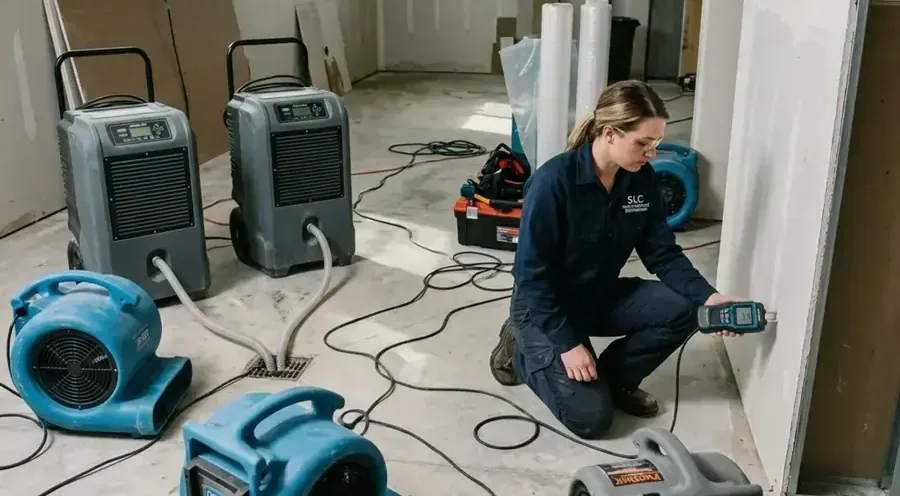
The specialist sets air movement and dehumidification for each affected assembly, recording readings and adjusting the layout when material response or access needs change.
- 4
Provide a repair handoff
The final record identifies dry materials, unresolved building-system issues and remaining finish work, giving management a clear basis for coordinating repairs and occupancy decisions.
A business water loss affects more than the visible floor. Customer access, stored stock, electrical systems and neighboring occupancies can all change the cleanup plan. The restoration contractor identifies which areas can remain safely separate from the work and which need closure while extraction and material removal proceed.
Commercial water response in Anna
US 75 and West White Street help describe access to the property, while the actual building layout determines equipment routes. A delivery entrance may suit extraction better than a public doorway, but the crew first checks hazards and the need to protect clean spaces. The business contact should identify restricted rooms and any shared utility areas.
- The response team establishes a point of contact for building access and work approvals.
- Photographs and an affected-area inventory preserve the condition of stock and finishes.
- Shared walls and adjoining rooms receive checks where water may have moved beyond the original tenancy.
Separating operations from the drying zone
A property near Sherley Heritage Park may contain customer areas, storage and staff facilities with different access needs. The contractor evaluates those spaces individually rather than assuming that an apparently dry route is ready for occupancy. Wet electrical equipment, contaminated water and unstable finishes require specialist assessment before normal use resumes.
The drying crew sets controlled zones around retained materials and plans cords, hoses and condensate discharge away from safe circulation. Some losses allow staged work; others require broader closure. The decision follows building conditions and the tasks involved, not a promise that every business can remain open.
- Extraction and removal priorities protect access to the source and the affected building systems.
- Moisture mapping distinguishes wet partitions and floor layers from unaffected areas.
- Daily records explain changes to equipment, containment and the available work footprint.
Creating a usable commercial loss file
Near FM 455, a service request should include building use, safe entrances and the current water source. The contractor documents building damage, while the owner or manager records stock and business records according to insurer instructions. Keeping those responsibilities clear helps prevent missing information when several people manage the incident.
The Ready.gov business preparedness information supports continuity planning. The EPA flooded-building information explains material and contamination considerations. The restoration handoff should identify moisture results and remaining repair restrictions. Business interruption and property coverage depend on the policy and insurer review, separately from the cleanup contractor’s findings.
Organize the property and inventory records
Management should keep an affected-room inventory alongside the contractor’s material map and equipment logs. Separate building finishes, business equipment and stock so the loss file identifies who owns each item and what condition the photographs show. Preserve source-repair findings and access restrictions with the daily work record. The insurer may ask for additional documentation before disposal or replacement decisions. Restoration measurements explain the building work, while the business maintains its own financial and operating records for any separate interruption claim. Neither set of documents replaces the other.
Anna commercial water damage response
ZIP 75409 includes the service area around Natural Springs Park, West White Street and Slayter Creek Park. Describe the affected rooms and safe access when requesting restoration.
See the covered communitiesRelated water damage services
Commercial Water Damage questions
1Can a business stay open during drying?
Sometimes, if safe areas can remain separated from the work. Contamination, electrical hazards, unstable finishes and required access can make closure necessary; the contractor assesses those conditions before proposing staged work.
2Who should authorize the restoration scope?
The property owner or authorized manager should identify the decision maker and any tenant responsibilities. Clear approval and access contacts help the contractor document the work without conflicting instructions.
3Does the crew document damaged inventory?
The restoration file records affected areas and material conditions. The business should also maintain its own inventory and insurer-required records for stock, equipment and operational losses.
4Why check neighboring units or rooms?
Water can travel through shared walls, ceiling cavities and floor assemblies. Inspection beyond the visible wet area helps identify moisture that could remain outside the first work zone.
5What establishes readiness for repairs?
Material readings and the documented drying target support the restoration handoff. Electrical, structural or building-system issues may require separate clearance before an area returns to use.
6What helps a 24/7 commercial request?
Provide the building use, source status, affected areas and safe entrance, together with the authorized contact. Mention shared occupancies and any equipment or records at immediate risk.
A clear work boundary supports recovery
24/7 commercial response organizes access, extraction and documented drying around the affected building conditions.