Frozen Pipe Water Damage in Princeton
A cold-weather plumbing problem can become visible only when flow returns. A thaw-related leak needs safe source control and checks through the surrounding wall, ceiling or floor before the affected rooms can move toward repair.
(888) 527-9134Discuss water appearing after a thaw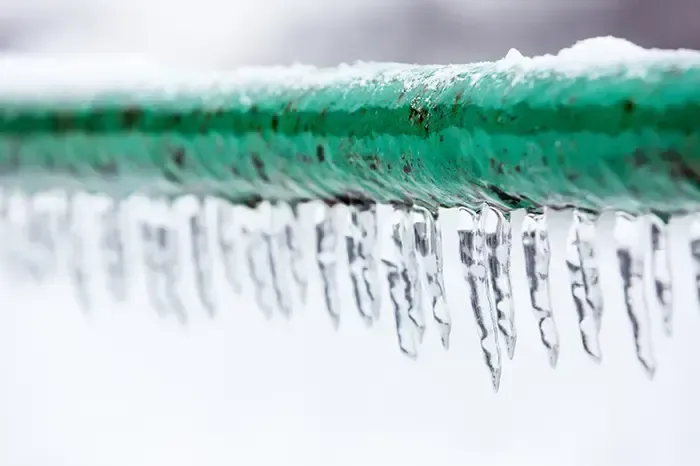
First steps for frozen pipe water damage
- 1Identify safe shutoff access
Locate the known supply valve without entering wet electrical areas or unstable rooms. Report if cold conditions or the building layout prevent safe access to source control.
- 2Avoid improvised heating methods
Do not use open flames or approach wet electrical equipment to thaw plumbing. Source assessment and safe testing should account for the installation and the possibility of concealed damage.
- 3Record the thaw sequence
Note reduced flow, when service returned and when moisture first appeared. Photographs from safe positions help connect later ceiling or floor damage with the observed plumbing event.
- 4Check newly affected spaces
As conditions change, report fresh drips or damp areas beyond the first leak. The restoration boundary may need adjustment when a concealed release becomes visible in another room.
What does frozen pipe water damage cost in Princeton, TX?
Frozen pipe restoration in Princeton depends on where thawing reveals water and how far it travels. Concealed releases, overhead insulation and several affected assemblies expand the work beyond an accessible local leak.
- Defined source area
- Accessible liquid removal
- Limited finish damage
- Wet insulation access
- Framing moisture checks
- Connected cavity drying
- Separate leak pathways
- Broad material removal
- Expanded repair coordination
Planning ranges depend on water category, affected square footage, material class and how quickly drying starts. The water damage cost calculator compares scope assumptions; the property inspection sets the work required.
How frozen pipe water damage proceeds
- 1
Assess plumbing status and access
The initial assessment records source control, thaw conditions and safe routes. Visible damage and the plumbing-service findings establish where material checks should begin inside the building.
- 2
Trace each observed release
Moisture is followed through adjoining wall, ceiling and floor assemblies. Separate damp areas are documented so the scope accounts for all observed damage rather than only the first opening.
- 3
Remove water and expose wet layers
Accessible liquid is recovered and damaged finishes are assessed for selective removal. The goal is safe access to retained materials that need drying after source repair.
- 4
Monitor recovery before reconstruction
Readings track the response of exposed materials. The repair handoff distinguishes source protection work, required inspection access and finish replacement from the completed interior drying tasks.
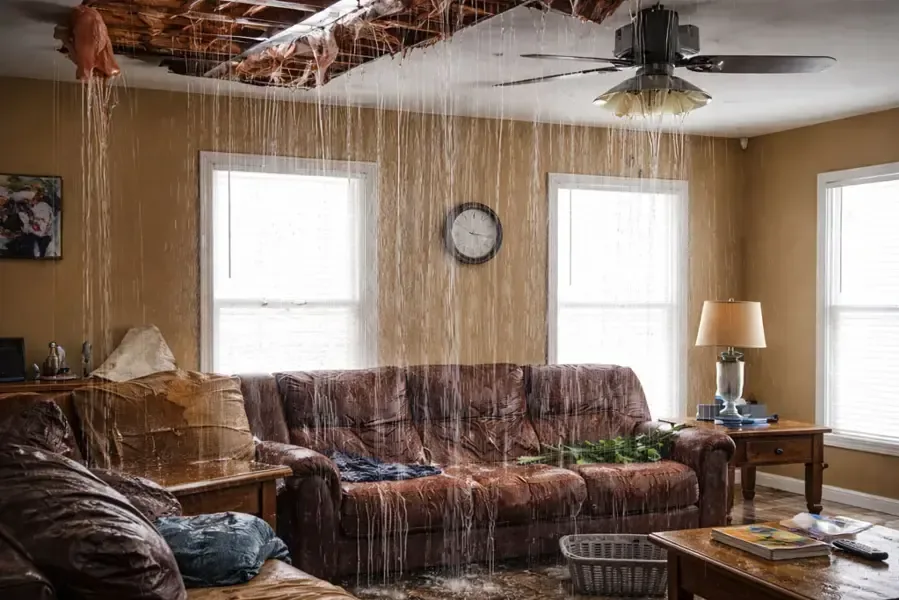
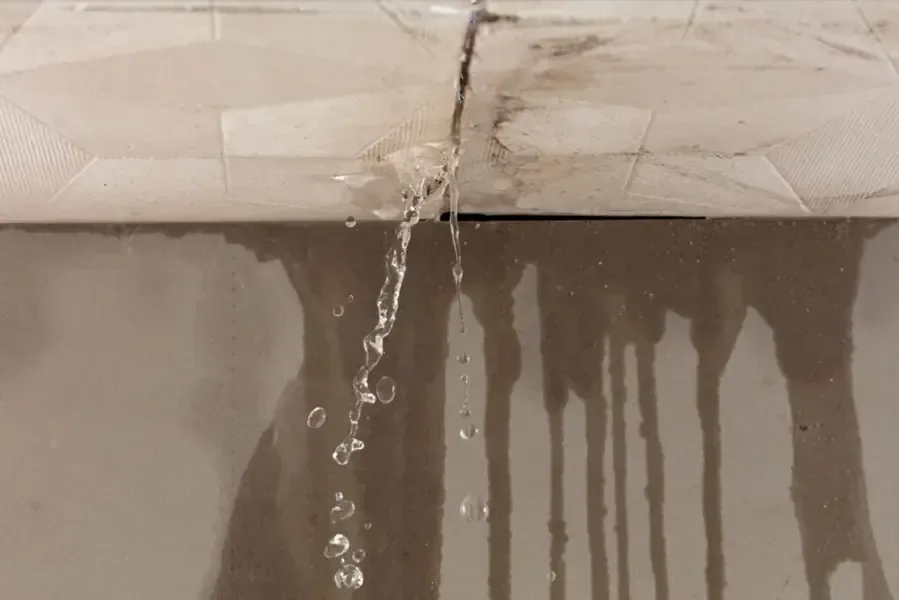
A quiet pipe during a freeze can begin releasing water as it thaws. The first visible sign might be a ceiling drip, a damp cabinet base or water along a wall. Princeton frozen pipe cleanup therefore needs a source assessment that accounts for changing conditions, followed by inspection of the materials around the affected plumbing.
Prepare for water flow to return
February 22, 2022: Princeton published a regional freezing rain and sleet advisory. February 24, 2022: the city's update warned of overnight refreezing and urged pipe protection. Those preparation steps include knowing the shutoff location and keeping a safe route available before cold weather creates a plumbing problem inside the building.
- Report reduced flow and visible leakage without attempting to heat plumbing with an open flame.
- Keep access to a known shutoff clear where it can be reached from dry ground.
- Watch affected rooms for newly appearing moisture as water service and normal flow return.
Check the building around each damaged section
A property in Winchester Crossing may reveal a leak inside a wall, while a home in Creekview may show water at the ceiling below exposed plumbing. These examples highlight why the actual installation needs inspection. The source repair should identify the damaged section, and the restoration scope should trace the water into connected building materials.
Frozen plumbing can be difficult to assess while flow remains restricted. Safe plumbing service determines source control and testing. Once a release is found, burst pipe cleanup addresses the liquid and wet assemblies left behind. Insulation, framing and floor layers need their own assessment rather than being assumed dry when the pipe stops leaking.
- Check nearby plumbing access areas for separate signs of wetness after the initial repair.
- Document overhead stains and wall-base moisture that appear at different stages of the thaw.
- Keep the repair opening available for material drying and any applicable inspection needs.
Separate protection work from interior restoration
For a home in Lavon Estates, source repair may be followed by recommendations about exposed piping or cold-air entry. Those tasks reduce vulnerability at the installation, while structural drying handles moisture already absorbed into the building. The written plan should make each responsibility clear and identify physically damaged finishes that need replacement.
Princeton lists water pipe repairs among common permit types. Where inspection requirements apply, the relevant work must remain exposed until approval. Coordinate that access with material measurements before reconstruction closes a wall or ceiling. A thawed pipe and restored fixture flow are useful observations, followed by checks that establish the condition of the surrounding structure.
The final record should preserve the discovery sequence, source-service findings and moisture observations. That account helps explain why damage discovered after warmer conditions can still require targeted removal and drying across several materials.
Princeton frozen pipe water damage response
Thaw-related water damage assessment serves Princeton properties in Winchester Crossing, Creekview and Lavon Estates. The scope follows observed leaks, actual plumbing access and the affected building materials.
The same service nearby: frozen pipe water damage in Anna, Farmersville, Van Alstyne.
Water damage restoration in Princeton · every town coveredRelated water damage services in Princeton
Frozen Pipe Water Damage questions
1Can a pipe begin leaking after temperatures rise?
A damaged section can release water as the plumbing thaws and flow returns. Watch for new moisture and report changes so the source assessment and drying boundary can be updated.
2Should an exposed pipe be heated with a flame?
Open flames are not an appropriate thawing method. Safe source service should assess the plumbing and surrounding materials, including electrical conditions and the possibility that water will escape during testing.
3Why does a repaired pipe need an open wall?
The surrounding assembly may still need drying or inspection. Access should remain available for those tasks before reconstruction covers the framing and any work subject to applicable approval requirements.
4What if several rooms show damage at different times?
Document when each wet area appeared. Concealed pathways or separate releases can produce delayed signs, and the assessment should trace each observed area instead of assuming the first leak explains everything.
5Does normal fixture flow mean the damage is resolved?
Restored flow describes the plumbing operation. Water already inside walls, ceilings or floor layers needs separate moisture checks and a recovery plan before the affected building finishes are repaired.
6What cold-weather preparation helps after cleanup?
Identify accessible shutoffs and have exposed plumbing protection assessed. The city's winter advisories included pipe protection advice, and preparation should reflect the actual installation and access conditions at the property.
Follow the release through the affected structure
Discuss wet cavities, delayed drips and source-service findings to plan drying and repair access before the building finishes are closed.