Water Damage Restoration in Howe
A wet room can hide a larger problem beneath its floor or behind its walls. Restoration starts by finding the source, removing accessible water and measuring where moisture has traveled through the building.
(888) 527-9134Discuss the wet roomsThe first conversation covers the leak, affected materials and safe access before a cleanup plan takes shape.
The cleanup follows the water source
A broken supply pipe, overflowing drain and rain soaked ceiling need different decisions. These service pages explain the materials, access and cleanup choices involved in each situation.
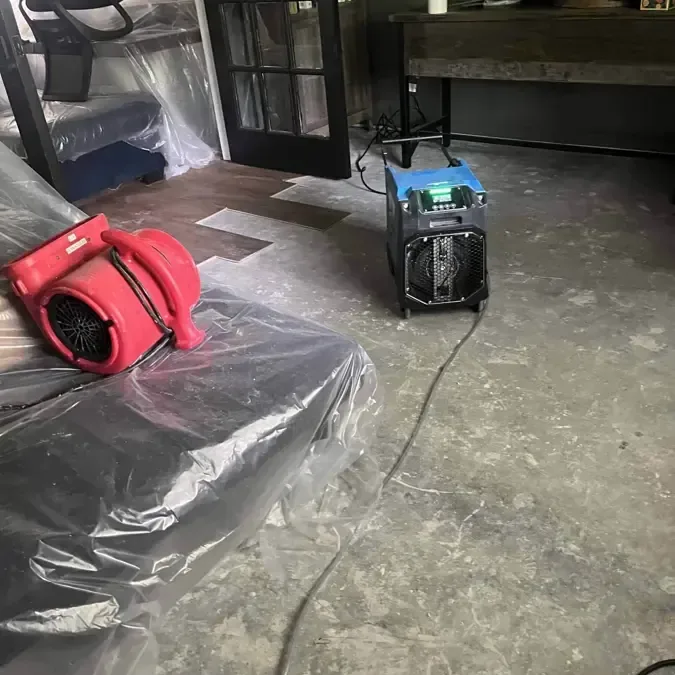
Water Extraction
Standing water needs removal before moisture beneath carpet, flooring and wall edges can be assessed.
water extraction details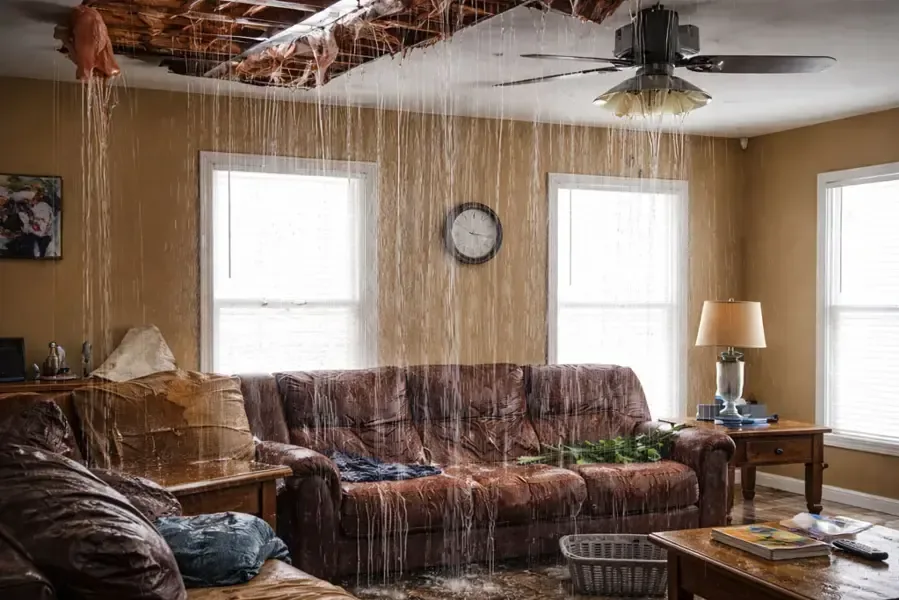
Burst Pipe Water Damage
A sudden pipe break can send water through connected rooms and hidden wall openings.
burst pipe water damage details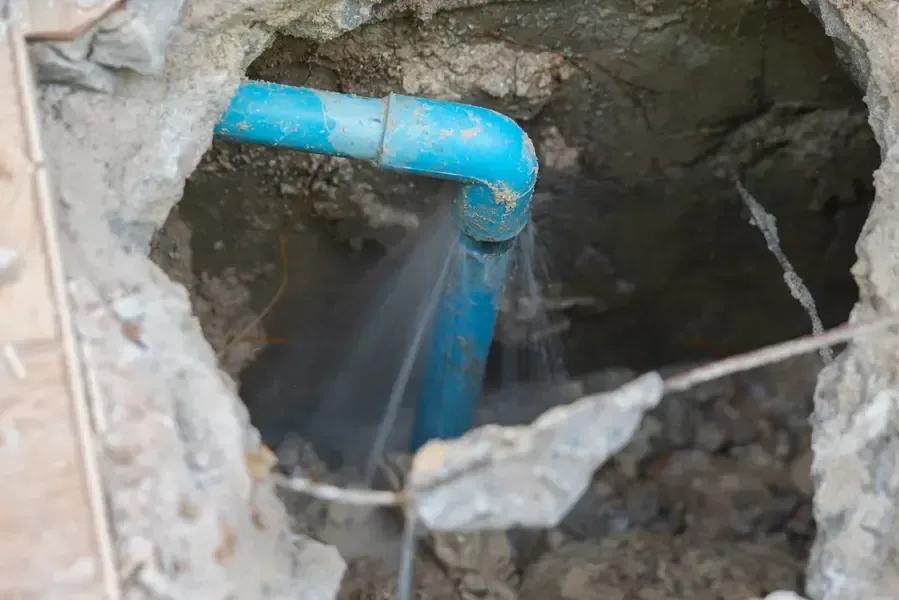
Slab Leak Water Damage
Persistent floor moisture calls for leak location and assessment of the layers above concrete.
slab leak water damage details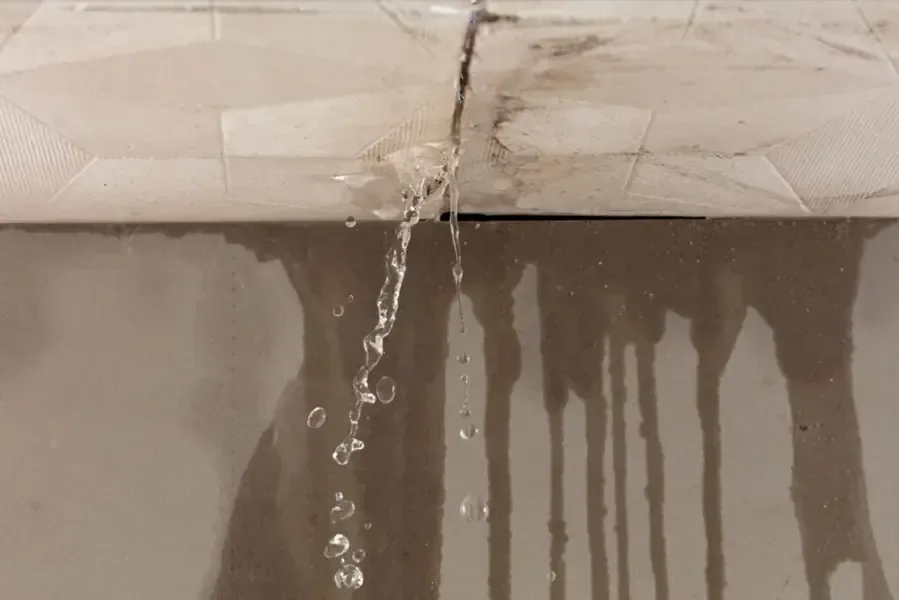
Ceiling Leak Water Damage
Soft overhead materials require controlled access before stained surfaces receive any cosmetic attention.
ceiling leak water damage details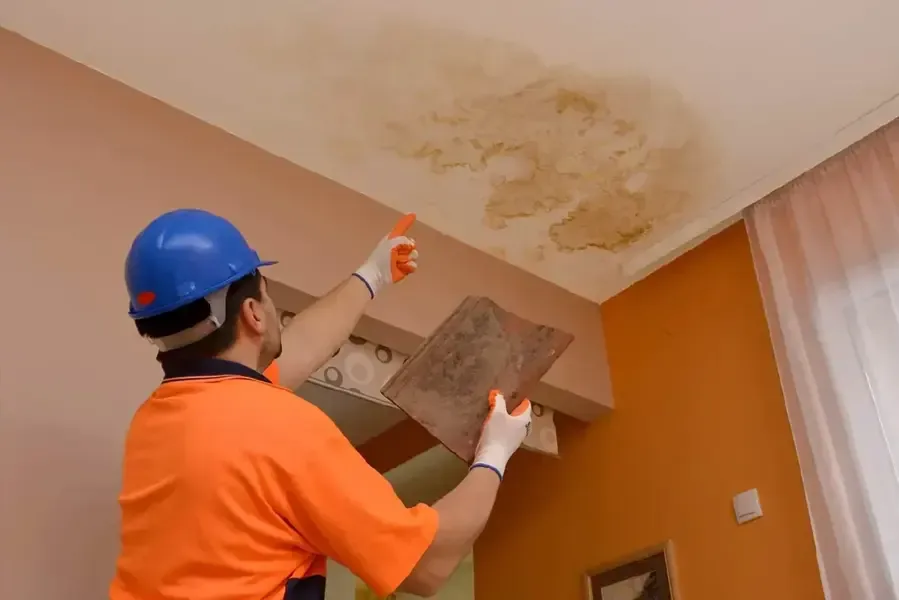
Roof Leak Water Damage
Rain entering overhead can wet insulation and framing beyond the visible ceiling mark.
roof leak water damage details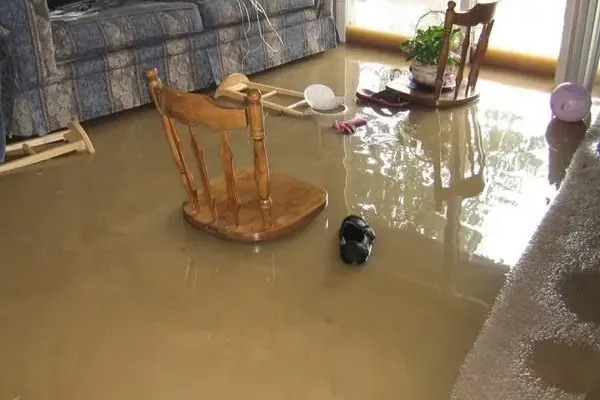
Storm Flood Cleanup
Outside water brings a cleanup problem that starts with entry routes and contaminated materials.
storm flood cleanup details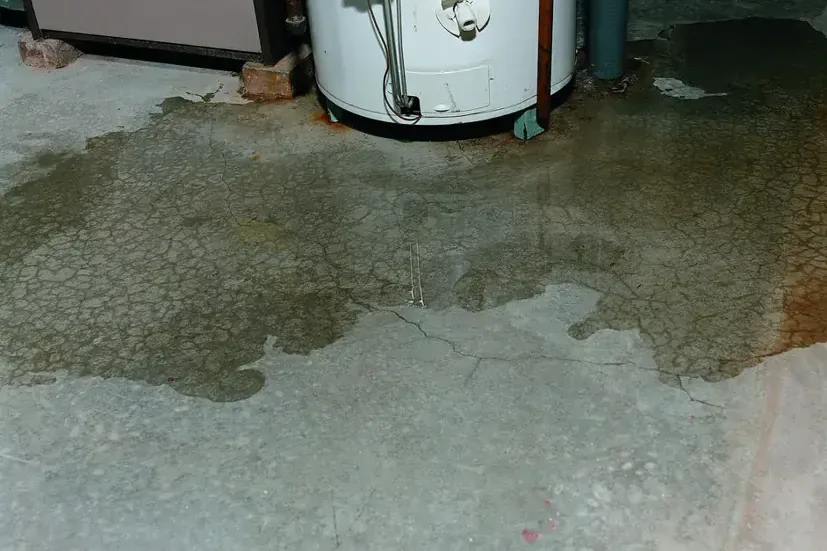
Water Heater Leak Cleanup
Tank area puddles may extend into a closet base, adjoining flooring and wall cavities.
water heater leak cleanup details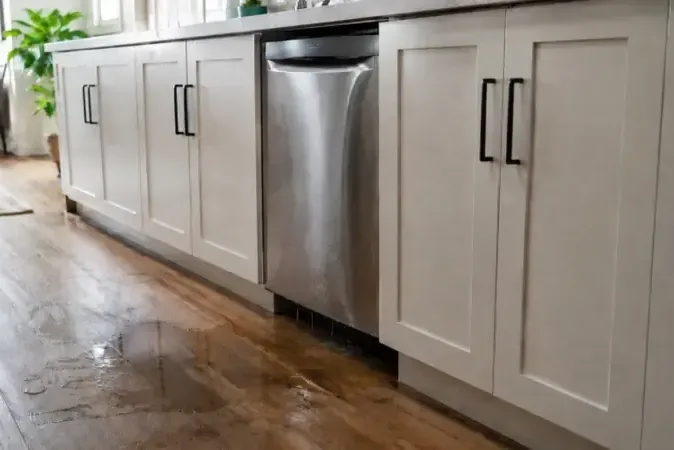
Appliance Leak Water Damage
Dishwasher and washer leaks often leave moisture behind cabinets after visible puddles disappear.
appliance leak water damage details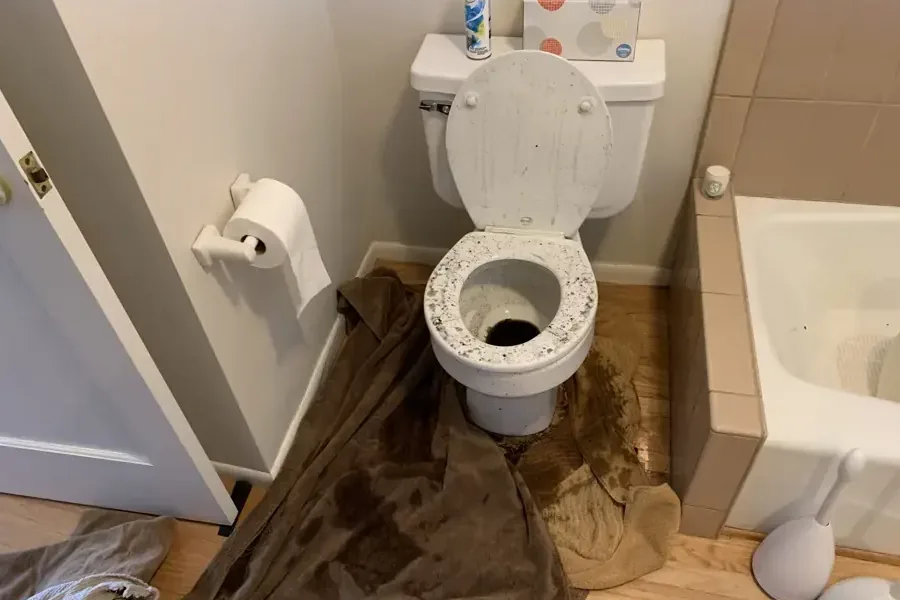
Toilet Overflow Cleanup
The overflow source determines whether bathroom materials need drying, cleaning or controlled removal.
toilet overflow cleanup details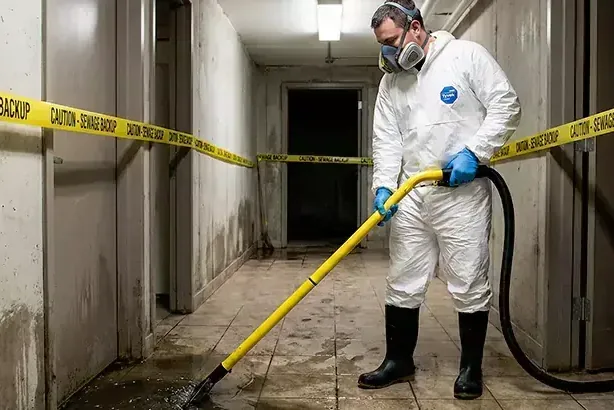
Sewage Backup Cleanup
Drain waste requires restricted access, extraction and a clear plan for affected porous finishes.
sewage backup cleanup details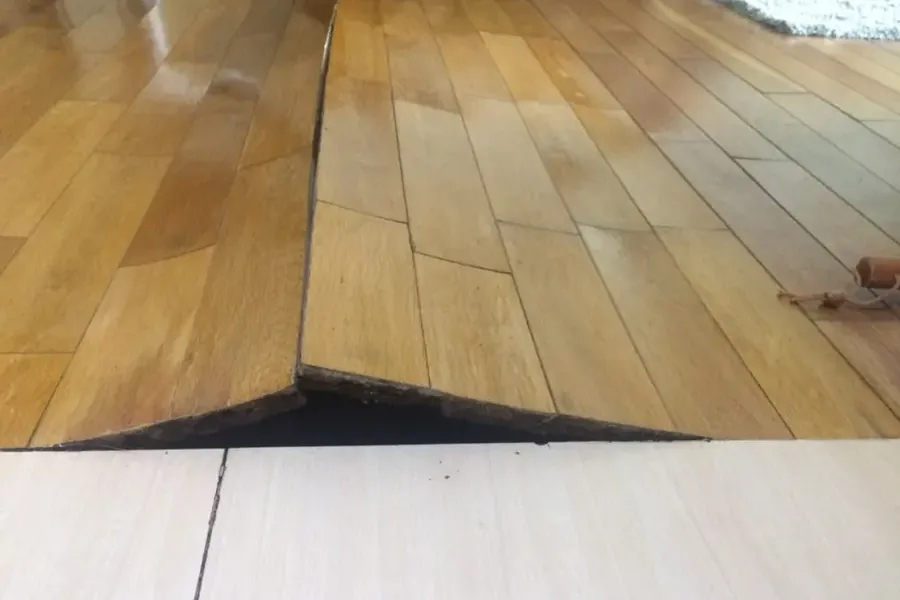
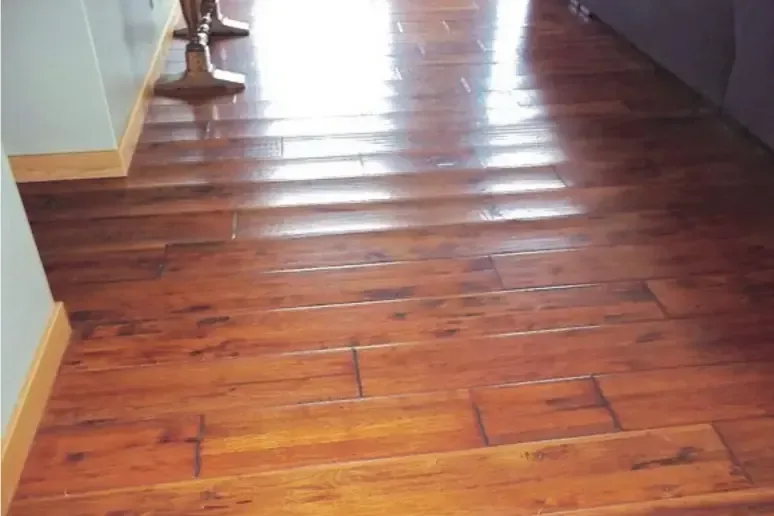
Hardwood Floor Water Damage
Raised edges and changed board shapes need moisture measurements before sanding decisions begin.
hardwood floor water damage details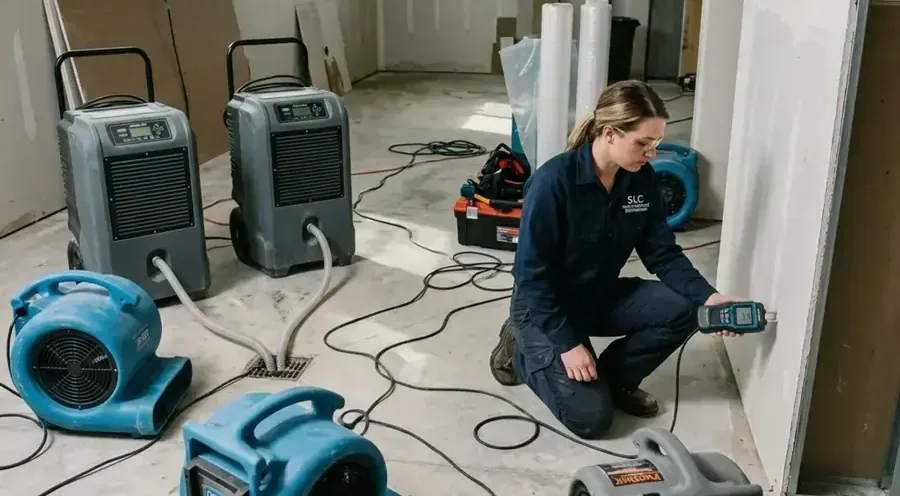
Structural Drying
Measured moisture in framing and cavities directs equipment placement and the eventual stopping point.
structural drying details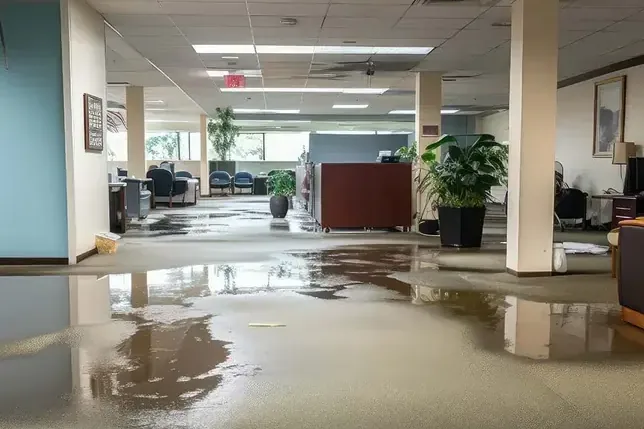
Commercial Water Damage
Wet business premises need coordinated access, contents protection and practical decisions about occupied areas.
commercial water damage details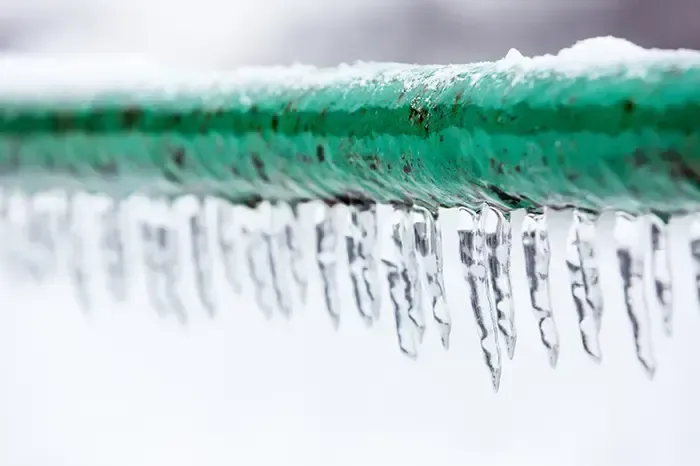
Frozen Pipe Water Damage
Thawing plumbing can release water into concealed spaces after a period of cold weather.
frozen pipe water damage details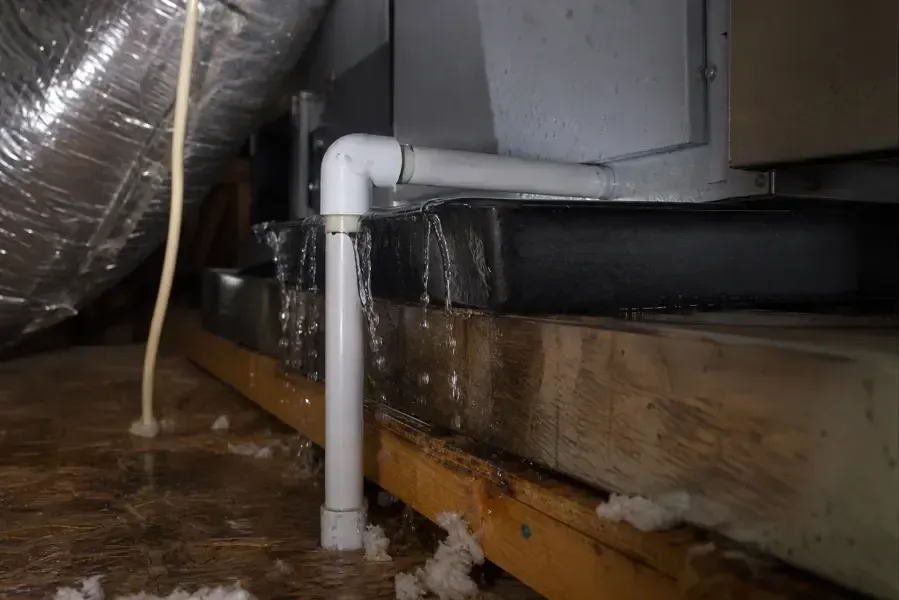
AC Leak Water Damage
Condensate escaping an air handler can saturate supporting materials before a drip becomes noticeable.
AC leak water damage detailsMake the affected area easier to assess
- 1
Keep access safe
Standing water near outlets or a sagging ceiling needs isolation before anyone enters the affected area.
- 2
Stop an accessible source
A reachable shutoff can limit a plumbing release when approaching the valve is safe.
- 3
Protect movable belongings
Dry possessions can be moved away from spreading water without crossing contaminated or electrically unsafe surfaces.
- 4
Record the visible change
Photographs of water, affected rooms and damaged finishes preserve a useful record before cleanup alters the scene.
- 5
Describe the discovery
The discovery time and last normal use help explain how a hidden leak may have developed.
A sequence with clear decision points
Removing visible water is an early step. The full process follows moisture into affected layers, establishes drying conditions and checks those materials again before equipment is removed or finishes are closed.
- 1
Define the wet boundary
Inspection follows the source into adjoining spaces and compares suspect materials with an appropriate dry reference.
- 2
Choose the cleanup method
Water condition and material damage determine extraction, cleaning, protective separation and any necessary removal before drying.
- 3
Adjust equipment placement
Air movement and dehumidification are directed at exposed wet surfaces while readings track changes inside the affected assembly.
- 4
Document the endpoint
Final checks record material condition and identify repairs that remain before the room returns to normal use.
Material condition
Flooring, wallboard and insulation are evaluated individually because a surface can cover a wet assembly.
Access planning
Openings should expose the affected area while keeping unaffected rooms and stored belongings protected during the work.
Documented progress
Repeated readings explain how the building responds and help identify pockets that need a different drying approach.
Practical handoff
A final record connects completed cleanup with remaining plumbing, roofing or finish work needed at the property.
Look beyond the puddle
Restoration depends on what absorbed water, how that water entered and whether the source has stopped. A clear scope separates recoverable finishes from materials that need access, removal or replacement.
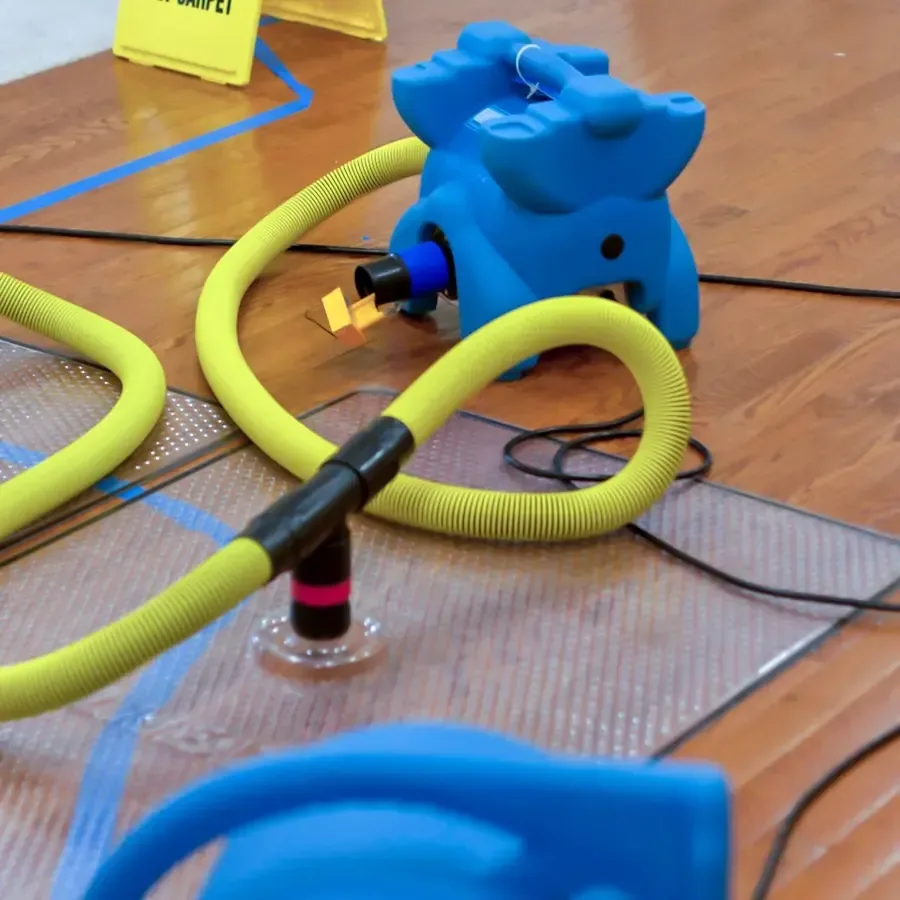
The origin changes the cleanup approach
Supply water
A supply release needs its duration and contact with surrounding materials assessed before a recovery plan is selected.
Remove pooled waterAppliance discharge
Water leaving an appliance may carry residues and spread under fixed cabinets, changing the cleaning and access requirements.
Inspect appliance spreadSewage intrusion
Waste from a backed up drain requires separation from clean areas and evaluation of materials that absorbed contamination.
Address drain wasteWhat affects water damage costs in Howe?
Cleanup costs depend on the wet area, the water source and access beneath finishes. A compact release can require more work when cabinets, insulation or layered flooring conceal moisture that cannot dry from the room.
- Accessible wet surfaces
- Limited removal
- Simple equipment placement
- Adjoining room checks
- Cavity access
- Several drying positions
- Layered material removal
- Complex moisture paths
- Broader cleaning needs
These planning ranges describe cleanup scope rather than a property quotation. Source repair, replacement finishes and unusual access should be identified separately in a written estimate.
Make the damage understandable
A claim record is easier to follow when photographs, discovery notes and cleanup decisions describe the same affected areas. The insurer determines coverage under the property's particular policy terms.
- Photograph the source before it changes
- Save receipts for necessary protective work
- Record when the damage was discovered
- Keep the written drying scope together
- Ask which damaged items need documentation
When payment comes directly from the owner
A self funded project benefits from separating cleanup, source correction and finish repairs in writing. That helps the owner compare scopes that might otherwise describe different work.
Questions about equipment, removal and measurements should be settled before work proceeds. Price offers little information when estimates cover different materials or omit concealed moisture.
Access, removal and drying inside affected rooms
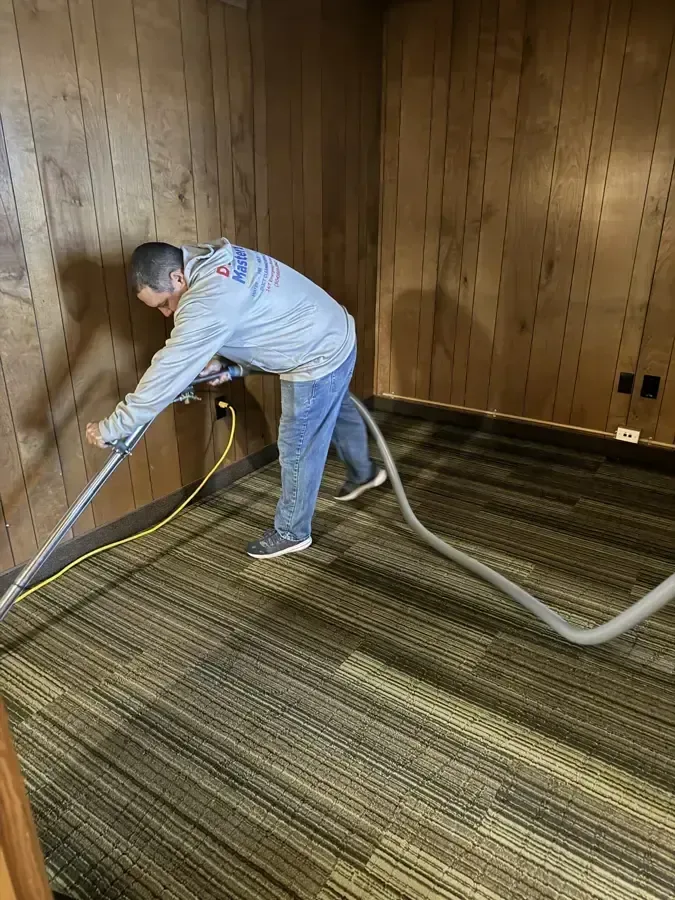
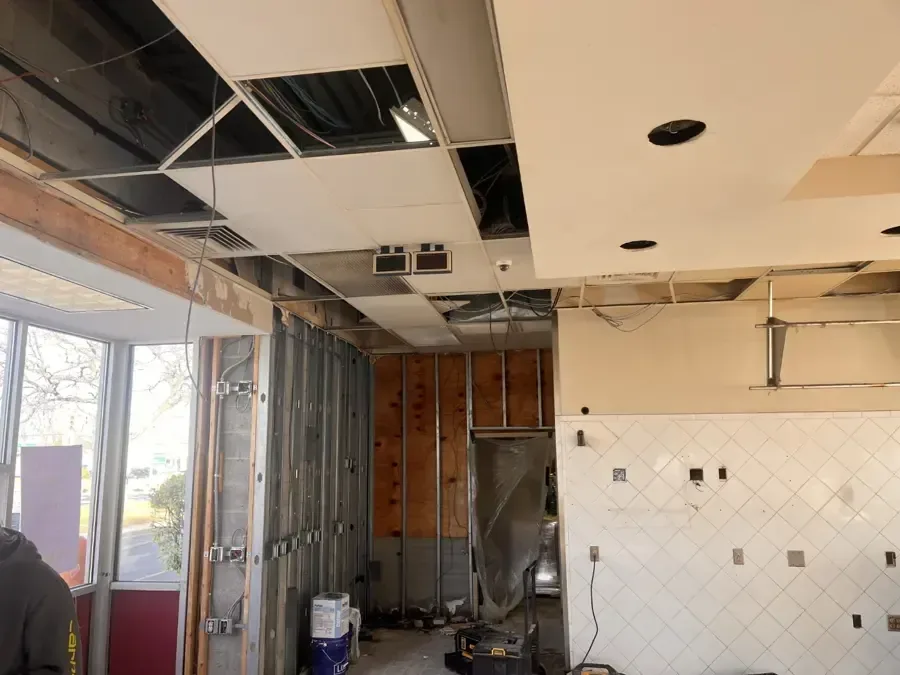
Describe the property and the affected rooms
Town road connections
Town ZIP
Other service communities
A useful first description saves confusion
Howe sits at the junction of U.S. Highway 75, State Highway 5 and Farm Road 902. Property access details help explain where equipment can enter and where water has spread.
The water extraction page explains pooled water removal. For damp framing after extraction, structural drying describes moisture checks and equipment decisions.
(888) 527-9134Describe the property accessPlan before you call
Community water-damage coverage
Understand the next cleanup decision
Read water-damage articles about source control, wet materials and the records that support a repair plan.
Separate the source from the damage
Howe is a town in southern Grayson County. Inside an affected property, the immediate task is to trace water through rooms and materials so the cleanup addresses its full spread.
June 14, 2025: KXII reported that Howe issued a boil notice after a large water leak was repaired. Drinking water instructions and interior cleanup require separate attention.
- Pipe releases: A shutoff can stop additional supply water, but flooring and wall cavities still need assessment after the repair is complete.
- Overhead moisture: Ceiling stains deserve inspection above the finish, especially where insulation can retain water and sagging materials create an overhead hazard.
- Drain overflow: Repeated fixture use can enlarge a backup. Keeping people away from affected flooring limits contact while the drainage problem is assessed.
- Cold weather preparation: The Texas Department of Insurance advises leaving heat on when a house is left before a freeze and shutting water off when pipes freeze.
- Repair coordination: The City of Howe Permit Department can answer questions about repair requirements while the cleanup scope identifies wet materials and access needs.
Questions after water appears
1What should happen while water is still spreading?
An accessible supply shutoff may limit a plumbing leak. People should stay outside areas with electrical hazards or unstable overhead materials while the source and safe entry are assessed.
2Can flooring remain wet after the puddle disappears?
Yes. Water can enter seams, backing and subfloor layers that room air cannot reach easily. Material readings and inspection beneath edges help establish whether additional access is needed.
3Does every ceiling stain come from the roof?
No. Plumbing above the room and condensate from cooling equipment can also cause overhead moisture. The inspection should establish the entry route before a ceiling repair hides the affected cavity.
4Why does the condition of the water matter?
The source and its contact with materials affect cleaning decisions. Drain waste and outside flood water require a different approach from a newly discovered release from a supply pipe.
5Can damaged materials be photographed before removal?
Photographs are useful when they can be taken safely. Images showing the source, affected finishes and contents help connect the written cleanup scope with the condition present when damage was discovered.
6Is a repaired pipe the end of restoration?
Pipe repair stops the release. The building may still contain absorbed moisture in framing, insulation or flooring, so cleanup and drying decisions continue after plumbing work has resolved the leak.
7Who answers questions about local repair requirements?
The City of Howe Permit Department is the contact for repair requirement questions. For the published inspection sequence, a sewer inspection must pass before a Public Works inspection can be requested.
8What determines how long drying equipment stays?
Equipment remains tied to material response and the drying plan. Repeated measurements help show whether moisture is decreasing and whether a concealed pocket needs additional access or a different approach.
9Can the cleanup estimate separate different work?
A useful scope distinguishes water removal, cleaning, drying and material removal from source repair and finish replacement. That detail lets the owner understand which parts of recovery the estimate covers.
A clear description helps
The source, discovery time and wet rooms help frame the next decision. Mention ceiling movement or unsafe electrical access immediately.
(888) 527-9134Describe today's water damageStart with the source and wet materials
A description of the release and affected rooms helps turn an uncertain water problem into a practical cleanup plan.