Burst Pipe Water Damage in Princeton
A broken supply pipe can wet several building layers before the flow stops. The restoration plan follows the release through cavities, ceilings and adjoining rooms rather than ending at the plumbing repair.
(888) 527-9134Discuss the pipe release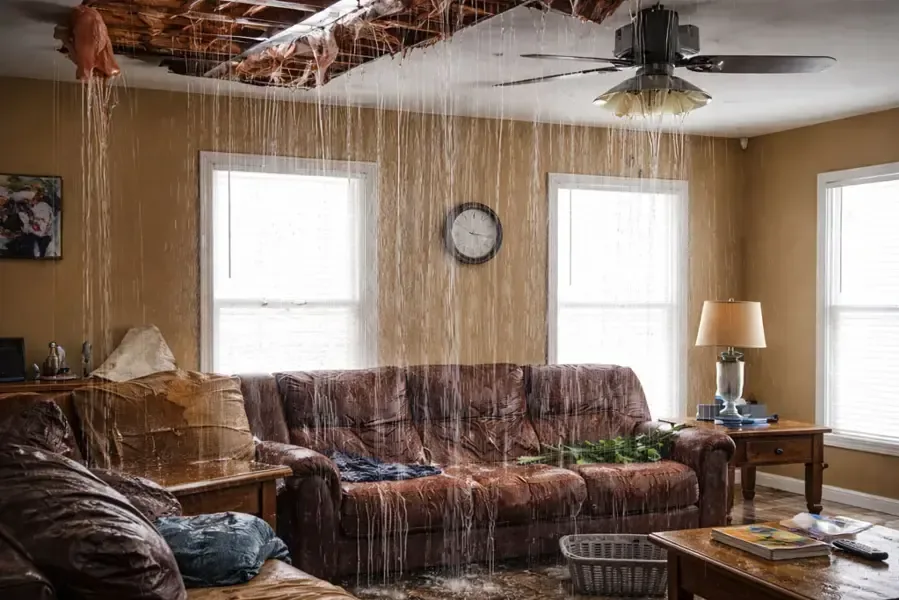
First steps for burst pipe water damage
- 1Locate a safe shutoff
Close an accessible supply valve only when the route avoids wet electrical equipment and unstable overhead materials. Report a continuing release if safe shutoff is unavailable.
- 2Leave unstable rooms empty
Keep people out from beneath sagging ceilings or heavily soaked fixtures. Water held above a finish can change its weight and stability even after flow stops.
- 3Document the release path
Photograph the broken-pipe area from a safe position, then record adjoining wet rooms. Include ceiling drips and floor edges that show how the water traveled.
- 4Separate repairs from cleanup
Ask for the source repair and building drying needs to be identified separately. A repaired fitting does not remove moisture already absorbed by the surrounding materials.
What does burst pipe water damage cost in Princeton, TX?
Burst pipe restoration in Princeton is shaped by the path of the release. An open room can be straightforward to reach, while saturated partitions, overhead insulation and adjoining floors require broader access and monitoring.
- Visible liquid removal
- Accessible wet finishes
- Focused drying area
- Shared cavity access
- Connected floor exposure
- Expanded moisture checks
- Multiple wet assemblies
- Overhead material removal
- Complex reconstruction coordination
Planning ranges depend on water category, affected square footage, material class and how quickly drying starts. The water damage cost calculator compares scope assumptions; the property inspection sets the work required.
How burst pipe water damage proceeds
- 1
Trace the plumbing event
Source status, water pathways and room access establish the initial scope. The assessment includes spaces adjoining the visible break and surfaces below overhead releases.
- 2
Remove retained liquid
Standing water is recovered where access permits. Wet finishes are evaluated for stability, contamination and whether selective removal is needed to reach underlying materials.
- 3
Dry exposed building layers
Equipment placement follows the wetted framing and cavities. Readings from affected materials show progress and indicate whether access or airflow needs adjustment during the work.
- 4
Coordinate closure decisions
Drying records and required inspections inform the reconstruction handoff. Physically damaged finishes are listed separately from materials that reached an appropriate moisture condition.
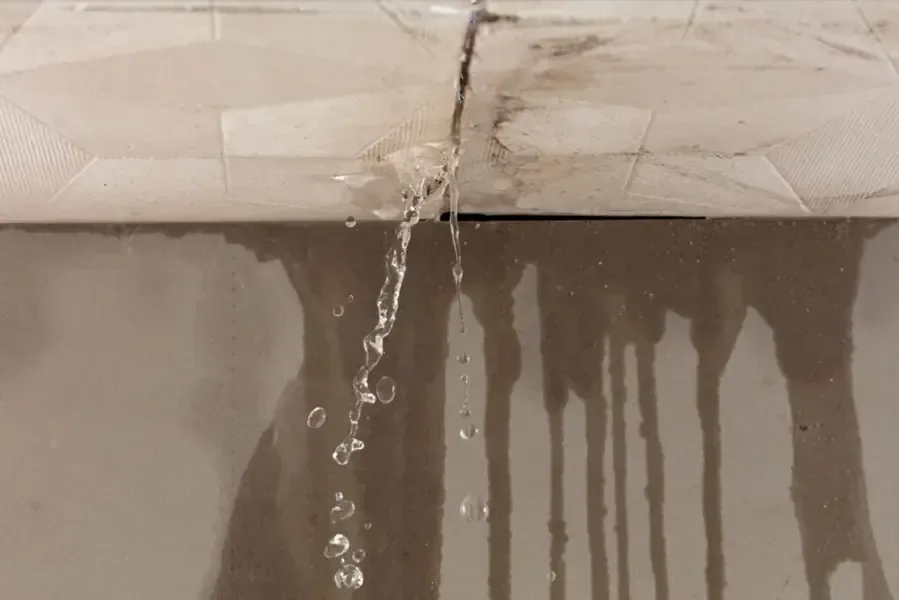
The sound of escaping water may be easier to locate than the damage it leaves behind. A pipe inside a wall can discharge into insulation, run along framing and emerge at a doorway in another room. Princeton burst pipe restoration starts by separating the source repair from the task of finding and drying those connected wet materials.
Source control creates a workable starting point
An accessible shutoff can limit the release when the approach is dry and safe. A valve beside electrical equipment or beneath a sagging ceiling requires a different response. Once the flow is controlled, a plumbing repair addresses the failed component while the restoration assessment follows water already absorbed into the surrounding building assembly.
- Record where the release first appeared and where water later emerged from adjoining surfaces.
- Keep softened ceiling areas clear until their stability and the wet layers above are assessed.
- Describe the valve position and any continuing flow so the source status is clear.
Winter preparation starts before a pipe breaks
February 24, 2022: Princeton warned of overnight refreezing and urged pipe protection. Locating shutoffs and identifying exposed plumbing before cold weather makes the initial response easier if a leak develops. Protection needs depend on the actual installation, including pipes in unconditioned areas and openings that expose plumbing to cold air.
A home in Arcadia Farms and a property in Monte Carlo may have different shutoff access and pipe routes. The useful details are the fixture involved, where the sound is strongest and which rooms show moisture. Those observations help the assessment follow the building instead of assuming that every home in a neighborhood has the same arrangement.
- Inspect wet insulation separately from framing because it can prevent effective access to saturated surfaces.
- Check the opposite wall face when water has escaped inside a shared interior partition.
- Include the floor below an overhead pipe break even if water stopped dripping earlier.
Keep the repair opening useful through drying
The city lists water pipe repairs among common permit types. Work requiring inspection must remain accessible until approval. A useful repair sequence accounts for those requirements while keeping wet framing reachable. Closing the opening as soon as the pipe is fixed can hide moisture and interfere with the checks needed before reconstruction proceeds.
Properties in Whitewing Trails can use the same practical sequence: establish a safe source shutoff, document affected rooms, and identify the remaining material work. Water extraction handles pooled liquid, while ceiling damage assessment addresses overhead materials where the release crossed levels. A written scope should show how those tasks connect and distinguish plumbing invoices from mitigation and finish replacement.
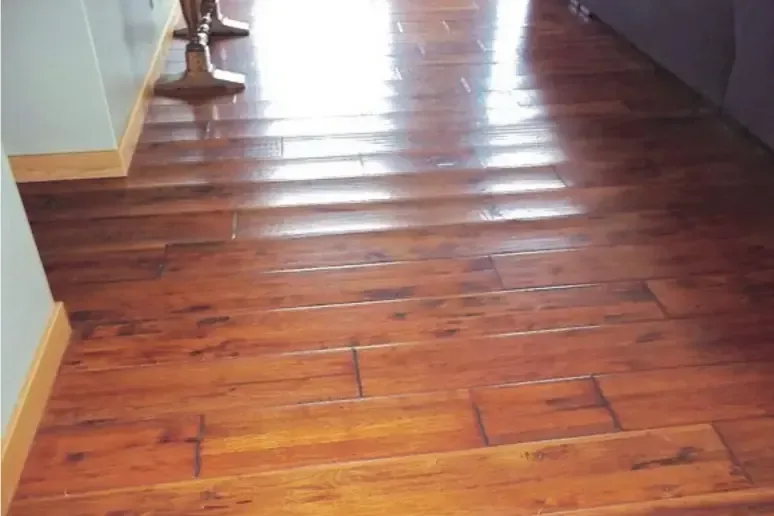
The last inspection should consider both moisture and physical damage. Swollen trim, separated flooring or softened wallboard may need repair even after the assembly has dried. Documenting those conditions makes the transition from emergency cleanup to reconstruction easier to understand and keeps cosmetic work from hiding unresolved damage.
Princeton burst pipe water damage response
Pipe-loss assessments in Princeton include properties in Arcadia Farms, Monte Carlo and Whitewing Trails. The scope follows the actual release path and the materials found wet inside each building.
The same service nearby: burst pipe water damage in Anna, Farmersville, Van Alstyne.
Water damage restoration in Princeton · every town coveredRelated water damage services in Princeton
Burst Pipe Water Damage questions
1Does shutting the valve finish the emergency work?
It controls the supply release when the correct valve is closed, but water can remain above ceilings and beneath floors. The next assessment identifies retained liquid and unstable materials.
2Should the wall opening be patched after pipe repair?
Keep the opening available for necessary drying and inspection. City requirements call for work subject to permit inspections to remain exposed until approval, and wet framing needs assessment before enclosure.
3Why is a nearby room being checked?
Escaped water can follow framing or floor edges beyond the pipe location. Checking connected spaces establishes a practical drying boundary and identifies damage that is not obvious beside the repair.
4Can a burst pipe affect insulation overhead?
Yes. Water inside a ceiling cavity can saturate insulation before dripping becomes visible. Its condition and accessibility help determine whether removal is needed to expose the framing for drying.
5What should be saved for an insurance discussion?
Keep safe photographs, discovery notes, source-repair invoices and mitigation records. An itemized account of wet materials and necessary work helps explain the event while the insurer evaluates policy coverage.
6Does cold weather preparation matter after this repair?
The repaired pipe and other exposed plumbing should be assessed for protection needs. Locating shutoffs and addressing cold-air exposure helps make a future leak easier to identify and control.
Follow the water beyond the break
Describe the plumbing location, connected wet surfaces and access concerns to plan the remaining removal and drying work.