Water Extraction in Princeton
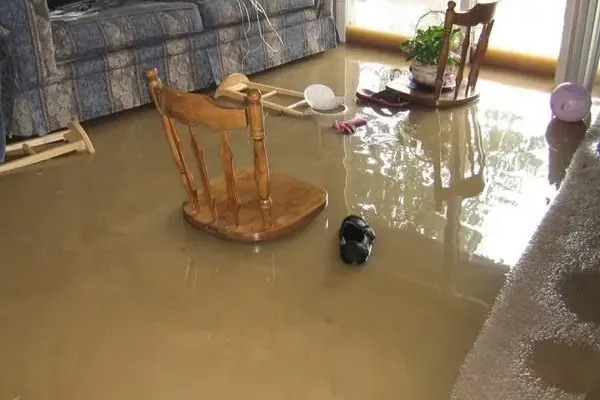
Standing water conceals the floor beneath it. Removal starts with safe access and source identification, then follows the liquid into thresholds, carpet backing and other places a surface pass can miss.
(888) 527-9134Discuss pooled water removal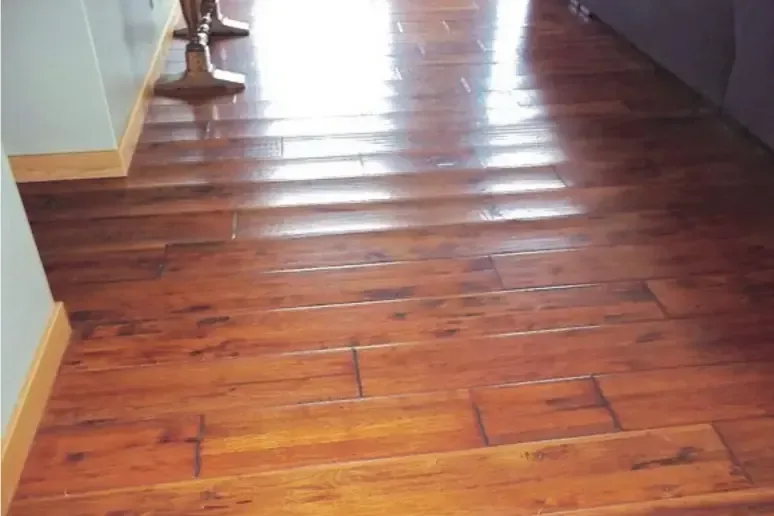
First steps for water extraction
- 1Keep feet on dry ground
Avoid walking through the pool to reach appliances or outlets. Report electrical equipment in contact with water before anyone moves tools into the room.
- 2Stop a reachable source
An accessible supply valve can limit a plumbing release when approached safely. Outside entry and blocked drains require different source-control decisions before extraction begins.
- 3Move vulnerable dry items
Lift unaffected portable belongings away from the wet perimeter if the route is safe. Leave heavy furniture and contaminated contents for an organized handling plan.
- 4Describe the wet boundary
Note every affected doorway and floor transition. Photos taken from a dry position help explain where water traveled before its visible depth began decreasing.
What does water extraction cost in Princeton, TX?
Princeton water extraction costs depend on water volume, access and the layers holding moisture. Floor coverings, contamination and the need to move contents can expand a removal task beyond the visible pool.
- Open floor access
- Limited liquid
- Simple tool placement
- Connected wet spaces
- Carpet recovery
- Perimeter moisture checks
- Difficult equipment access
- Concealed pools
- Additional material handling
Planning ranges depend on water category, affected square footage, material class and how quickly drying starts. The water damage cost calculator compares scope assumptions; the property inspection sets the work required.
How water extraction proceeds
- 1
Assess entry and access
The assessment identifies water origin, safe equipment routes and the finishes involved. Areas under furniture or beside fixed cabinetry receive attention before removal limits are set.
- 2
Recover accessible liquid
Extraction tools are selected for the floor surface and available access. Repeated passes address retained liquid rather than stopping when the first pool disappears.
- 3
Locate concealed pockets
Edges, pad and adjacent wall materials are checked for residual saturation. Findings determine whether selective removal is needed to reach areas that tools cannot access.
- 4
Establish the drying scope
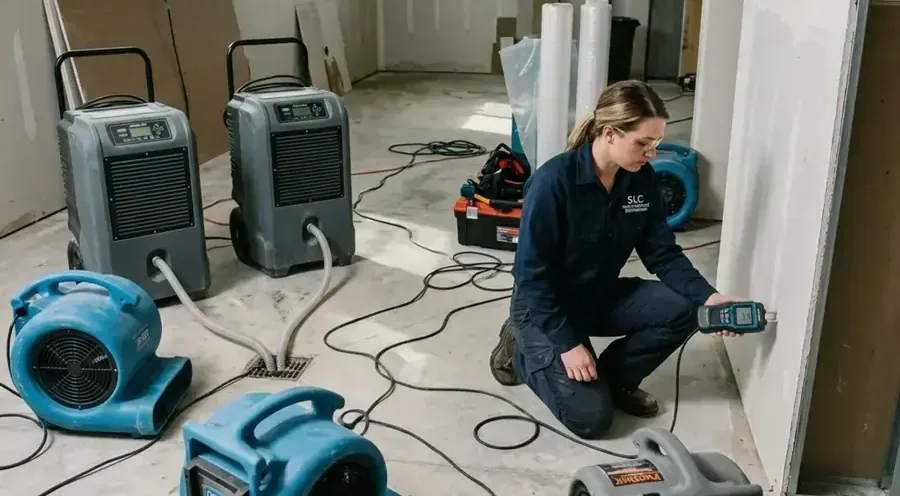
Moisture observations are recorded after extraction. The drying plan identifies materials to retain, areas needing further access and the next measurements that will show progress.
A room can look dramatically better after water removal while its floor system still holds moisture. In Princeton, the initial assessment separates the visible pool from water absorbed into carpet, wood, wallboard and cabinet bases. That distinction keeps the extraction visit focused on the full wet area, including adjoining rooms where no puddle remains.
Different origins change the removal plan
The municipal storm drainage system empties untreated into Lavon Lake. Drinking water supplied in the area is treated through the North Texas Municipal Water District. An indoor supply leak and outside runoff therefore need different contamination assessments. The cleanup approach follows the actual source, contact history and materials encountered inside the affected property.
- Identify whether water entered through a doorway, plumbing connection or another visible opening.
- Keep foot traffic out of pooled water until electrical and contamination hazards are assessed.
- Record wet transitions between rooms so extraction continues beyond the deepest visible accumulation.
Follow water beyond the open floor
At a property in Abbey Crossing, a spill may travel beneath a threshold before an adjoining room looks wet. That example calls for checking the transition, not assuming a neighborhood-specific building layout. Carpet backing, pad and floor seams each offer different places for liquid to remain after the accessible surface has been extracted.
Water can also collect beneath furnishings that limit tool access. Safe relocation exposes the floor perimeter and helps establish which belongings need separate attention. Where flooring has lifted or softened, extraction alone cannot restore its physical condition. The assessment should explain what can remain and where access to underlying layers is needed.
- Evaluate carpet and pad separately because their retained water and recovery options can differ.
- Inspect baseboard edges for moisture extending into wallboard above the original floor puddle.
- Track liquid beneath fixed cabinets before deciding the surrounding floor is ready to dry.
Connect removal with the remaining work
Tickey Creek empties into the lake, but the property's entry pathway determines whether storm cleanup belongs in the scope. Sediment and outside contamination require their own handling before equipment circulates air through affected rooms.
After liquid is removed, structural drying addresses retained moisture. The handoff should identify wet materials, inaccessible areas and the readings needed to track recovery. A cleared floor is a useful milestone, followed by evidence that the affected building layers are approaching an appropriate dry condition.
Princeton water extraction response
Water removal planning covers Princeton properties including Abbey Crossing and Park Trails. Share room access, floor materials and the source so the extraction scope addresses the actual loss.
The same service nearby: water extraction in Anna, Farmersville, Van Alstyne.
Water damage restoration in Princeton · every town coveredRelated water damage services in Princeton
Water Extraction questions
1Is pumping enough for soaked carpet?
Pumping clears pooled water, but carpet and pad may retain liquid. Their condition and contamination determine whether further extraction, lifting or removal is needed before the floor underneath can dry.
2Should fans run before water removal?
Equipment use follows an assessment of electrical safety and contamination. Standing water needs removal, and dirty surfaces need appropriate cleaning before airflow is introduced across the affected materials.
3Can water reach rooms without a puddle?
Yes. Floor seams and wall edges can carry moisture into adjoining spaces. Readings along those transitions help locate the boundary when the visible water remains concentrated in another room.
4Does outside water need separate handling?
Runoff can bring sediment and contaminants into the building. The source assessment determines cleaning and removal requirements, including whether affected porous materials can remain as part of the recovery plan.
5What happens to heavy furniture?
The condition of the room and each item determines safe handling. Furniture may need controlled relocation or protection so floor access improves without spreading water or damaging dry belongings.
6When is the removal stage finished?
Accessible liquid should be recovered and remaining wet layers identified. The next scope then addresses retained moisture, damaged finishes and any concealed areas requiring access before drying can be completed.
Clear the water and locate what remains
Discuss which rooms are affected, whether the flow continues and what flooring lies beneath the standing water.