Storm Flood Cleanup in Princeton
Outside water brings a different cleanup problem into the home. Sediment, contamination and saturated finishes must be addressed together before drying equipment can help the remaining structure recover from the flood exposure.
(888) 527-9134Discuss outside water entry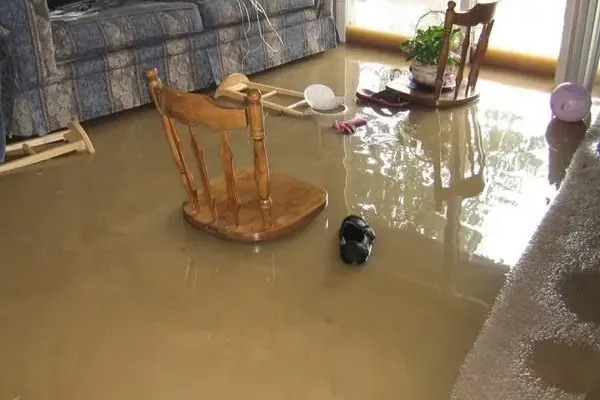
First steps for storm flood cleanup
- 1Wait for safe building access
Avoid floodwater and affected electrical areas. Entry should follow a safety assessment, particularly where outside water has reached outlets, equipment or concealed building spaces.
- 2Limit contact with residue
Keep footwear, pets and movable belongings from carrying sediment into dry rooms. Occupants should avoid handling soaked porous materials until an appropriate cleanup plan is established.
- 3Photograph the entry evidence
Capture exterior openings, interior water marks and affected belongings from safe locations. The record helps explain where outside water entered and which materials it contacted.
- 4Describe possible renewed entry
Report continuing runoff, blocked drainage or an opening still exposed to weather. Interior recovery planning needs to account for water that could return during the work.
What does storm flood cleanup cost in Princeton, TX?
Storm flood cleanup in Princeton varies with contamination, deposited sediment and the number of saturated assemblies. Removal and cleaning requirements can be extensive even where the visible water depth was limited.
- Localized sediment removal
- Defined exposure area
- Accessible surface cleaning
- Connected contaminated surfaces
- Porous material removal
- Expanded drying zones
- Broad structural access
- Complex contents handling
- Multiple wet assemblies
Planning ranges depend on water category, affected square footage, material class and how quickly drying starts. The water damage cost calculator compares scope assumptions; the property inspection sets the work required.
How storm flood cleanup proceeds
- 1
Define exposure and work zones
The assessment records water origin, affected materials and safe routes. Clean and impacted areas are separated before equipment or contents move through the building.
- 2
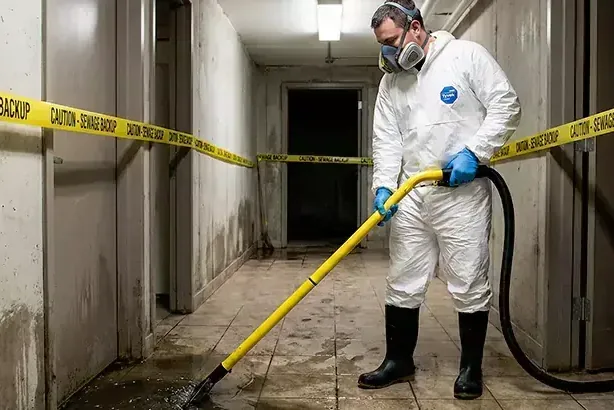
Recover water and sediment
Accessible liquid and deposited debris are removed using methods suited to the contamination. Porous finishes receive individual decisions about removal, handling and retained material access.
- 3
Clean the exposed structure
Surfaces that can remain are cleaned appropriately before drying airflow is introduced. The work includes edges and concealed contact areas uncovered during material removal.
- 4
Measure the drying response
Retained structural materials are monitored as they dry. Records identify remaining repairs and support a reconstruction handoff that accounts for access and applicable floodplain requirements.
Water entering through an exterior opening can carry soil and other contaminants into wall edges, floor coverings and furniture. Princeton storm cleanup therefore starts with the origin and route of the water, including whether more entry is possible. A room that has drained still needs assessment of residue and the building layers that absorbed the floodwater.
Use property information to plan the response
Sister Grove Creek is identified in the city's floodplain information. Princeton also provides interactive floodplain maps and directs residents to FEMA's Flood Map Service Center. Those tools support property-specific planning. Inside a damaged building, the cleanup scope follows observed water contact, sediment deposits and the condition of the actual materials involved.
- Stay outside moving water and rooms where electrical safety has not been established.
- Keep children and pets away from damp contents and surfaces exposed to outside water.
- Record the entry opening and visible high-water marks from a safe dry position.
Remove residue before directing drying airflow
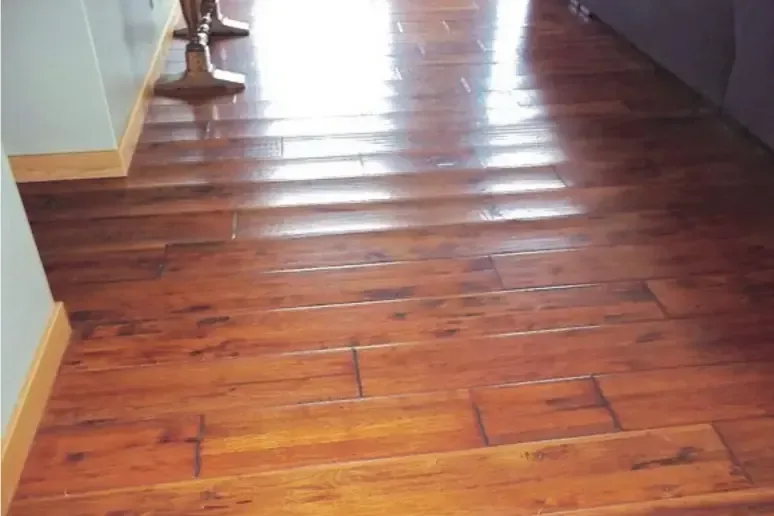
The municipal separate storm sewer system drains untreated to Lavon Lake. Tickey Creek also empties into the lake. Outside water entering a property needs a contamination-aware assessment regardless of how clear it appears. Flooring, wallboard and stored belongings can require different handling because absorbent layers and cleanable solid surfaces respond differently to flood contact.
Recovery begins with safe access and removal of liquid, followed by assessment of sediment and damaged finishes. A floor covering may conceal residue beneath its backing even after its top looks clean. The scope should explain which materials require removal, which surfaces need cleaning and where structural access is necessary before drying equipment circulates air.
- Inspect beneath removable coverings where sediment can remain against the supporting floor.
- Separate affected contents from dry storage to prevent tracking residue into clean rooms.
- Document removal decisions by material condition and exposure rather than a blanket room label.
Rebuild with drainage and inspection needs in view
The city warns that debris can obstruct storm drains and notes that impervious surfaces increase runoff during rain. Once conditions permit safe access, property drainage concerns deserve attention alongside interior repair planning. A blocked exterior opening or altered runoff route should be described during the assessment so future source-control work can be considered separately.
Princeton requires permits for development in a floodplain, and applicable reconstruction needs should be addressed before changes begin. The interior sequence connects water extraction with cleaning and then structural drying. It also identifies damaged finishes, retained framing and any required inspection access before the opened building assemblies are enclosed again.
A useful completion record preserves photographs of the original exposure, the materials removed and the readings from the structure that remains. That record helps distinguish emergency cleanup from drainage improvements or reconstruction and explains why the recovery scope may extend beyond the rooms that held the deepest visible water.
Princeton storm flood cleanup response
Storm cleanup assessments serve Princeton properties throughout the community. Sister Grove Creek and Lavon Lake provide drainage context; the work scope follows each building's actual water entry and exposure.
The same service nearby: storm flood cleanup in Anna, Farmersville, Van Alstyne.
Water damage restoration in Princeton · every town coveredRelated water damage services in Princeton
Storm Flood Cleanup questions
1Is clear-looking floodwater safe to handle?
Outside water needs a contamination assessment even when it looks clear. The cleanup plan considers the entry route and contacted materials, with controlled access and suitable handling before surfaces are dried.
2Where can an owner check floodplain information?
The city provides interactive floodplain maps and directs residents to FEMA's Flood Map Service Center. A property-specific check helps with planning permitted development and reconstruction involving floodplain requirements.
3Can drying start while sediment remains?
Deposited material and contaminated surfaces need appropriate cleanup first. Introducing airflow too early can spread residue, so removal, cleaning and drying should follow a sequence suited to the exposure.
4Must furniture be moved into a dry room?
Affected contents should be assessed before relocation. Moving dirty or soaked items through clean areas can extend the cleanup boundary, so the handling route and staging area matter.
5What if outside water has already drained away?
Remaining residue and absorbed moisture still require assessment. Check the floor system, wall bases and contents that were in contact with water even when there is no pool left to extract.
6Does repair work need floodplain permission?
Princeton requires permits for development in a floodplain. The proposed work should be assessed against applicable requirements before reconstruction, alongside the material drying and inspection needs inside the building.
Address what the floodwater left behind
Discuss affected surfaces, stored belongings and the route water took through the building to define cleaning and drying priorities.