Appliance Leak Water Damage in Anna, TX
An appliance leak can send water beneath cabinets before it reaches open flooring. Anna mitigation teams inspect supply connections, floor layers and concealed edges after the appliance source is safely isolated.
(888) 527-9134Appliance spill? Trace the water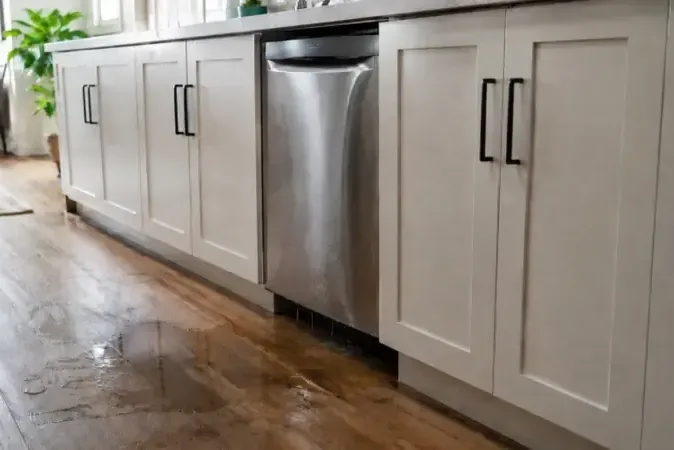
First steps for appliance leak water damage
- 1Stop using the appliance
Cancel operation only from a dry safe location, and avoid reaching through water to unplug equipment or operate a valve hidden behind it.
- 2Identify the release
Tell the response team whether water came from a supply hose, the appliance body or a drain cycle, and note any detergent or dirty discharge.
- 3Leave heavy movement to the crew
Do not drag a connected appliance across a wet floor; safe disconnection and controlled movement help prevent damaged hoses, electrical exposure and additional floor scratches.
- 4Clear dry belongings
Move accessible dry items away from the affected cabinet or laundry area while leaving wet materials available for photographs and the technician’s condition assessment.
What does appliance leak water damage cost in Anna, TX?
Appliance leak cleanup generally ranges from $600 to $3,500. Hidden cabinet moisture, contaminated discharge and flooring removal increase the work; appliance repair or replacement is a separate item.
- Limited wet footprint
- Source controlled
- Surface extraction
- Toe-kick access
- Layered floor checks
- Targeted dehumidification
- Several material assemblies
- Damaged cabinet components
- Broader removal needs
Planning ranges depend on water category, affected square footage, material class and how quickly drying starts. The water damage cost calculator compares scope assumptions; the property inspection sets the work required.
How appliance leak water damage proceeds
- 1
Inspect concealed edges
The technician checks the appliance footprint, toe-kick spaces and adjoining wall bases, mapping the wet area before planning extraction or cabinet access.
- 2
Remove released water
The extraction crew clears surface water and assesses saturated floor layers, separating materials affected by used discharge from items exposed only to clean supply water.
- 3
Create practical drying access
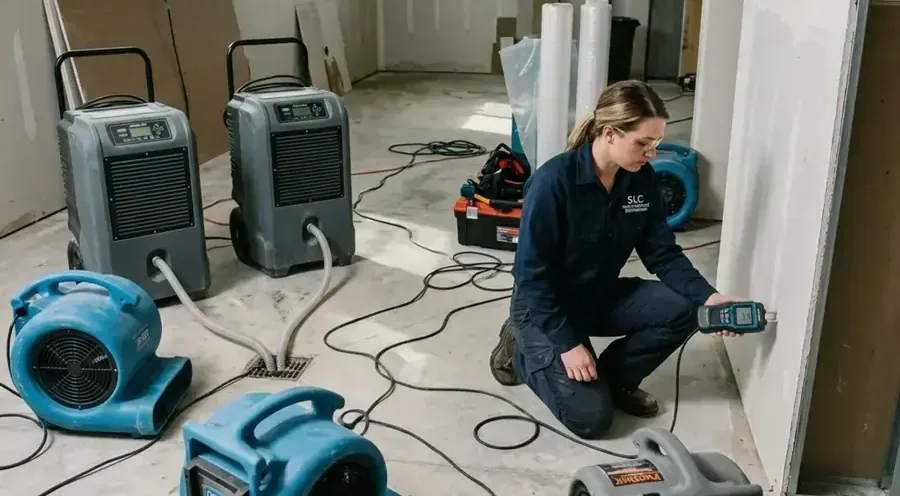
The team opens necessary cabinet or trim areas and places drying equipment around daily access needs, checking that air reaches the actual wet materials.
- 4
Verify appliance-area recovery
Material readings and source-repair confirmation establish the handoff, so the appliance returns only after safe operation and the surrounding dry-out have each been checked.
A dishwasher discharge, washing-machine hose failure and refrigerator supply leak leave different water paths. The response team identifies the source and exposure before deciding whether materials can dry in place. Water beneath a cabinet or appliance can remain hidden even after the accessible floor has been mopped.
Appliance leaks behind Anna cabinets
In homes near Bryant Park, the inspection follows the appliance connection into the surrounding floor and wall assemblies. Near Johnson Park, the same type of machine may sit against different cabinets or flooring. The room construction matters more than the appliance brand when planning extraction and drying access.
- Supply-water releases and used appliance discharge receive separate contamination assessments.
- Toe-kick openings and cabinet ends help the technician inspect concealed moisture.
- Appliance movement follows safe disconnection and protection of the floor underneath.
Drying kitchens and laundry spaces
Cabinet bases can create enclosed pockets where ordinary room airflow has little effect. The contractor decides whether limited access will expose recoverable materials or whether swollen components require removal. A dry cabinet door cannot show the condition of its base, backing or the wall behind it.
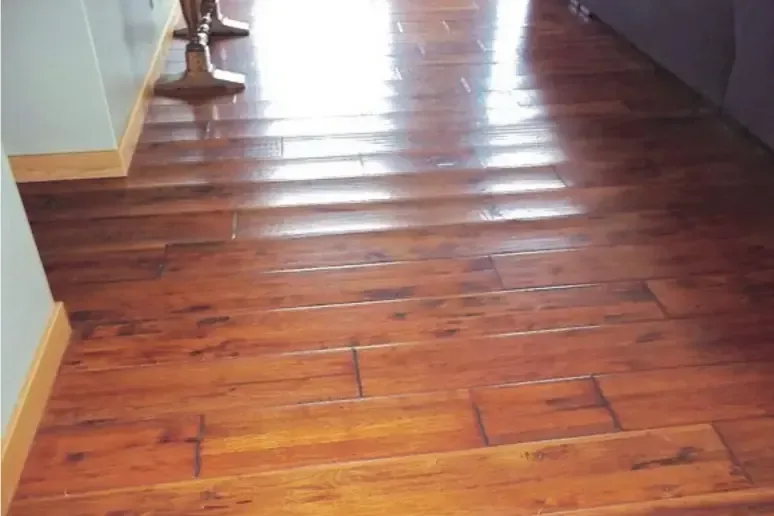
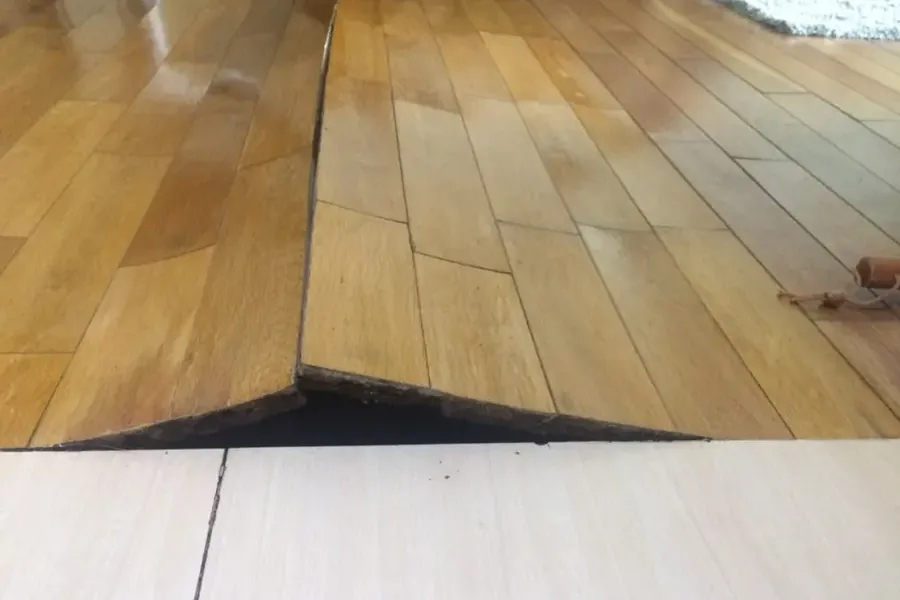
The extraction crew removes accessible water before equipment begins the evaporation stage. The technician checks thresholds where tile, wood and other finishes meet, because water can cross beneath those surfaces. Drying records should identify each affected layer and the readings used to judge progress.
- Wet pad or underlayment needs its own evaluation instead of borrowing a reading from the top finish.
- Equipment placement preserves access to safe food storage and household circulation routes.
- Supply and drain repairs must hold before the appliance returns to normal use.
Preventing a small leak from becoming a hidden loss
Along FM 455, describe which appliance released water and whether it was operating at the time. That information helps distinguish an active supply connection from a drain-cycle release. The service technician diagnoses the appliance; the restoration contractor records the resulting damage around it.
The EPA WaterSense leak checks cover household water-loss awareness. The Texas Department of Insurance consumer information helps with policy questions after a sudden event. Keep photographs of the connection, affected cabinets and drying setup. Ask the insurer to explain the coverage for appliance replacement and building repairs separately.
Anna appliance leak water damage response
ZIP 75409 includes the service area around Natural Springs Park, West White Street and Slayter Creek Park. Describe the affected rooms and safe access when requesting restoration.
See the covered communitiesRelated water damage services
Appliance Leak Water Damage questions
1Can a dishwasher leak require cabinet removal?
Sometimes. The cabinet construction, swelling and access to wet areas determine the scope. The contractor checks the base and backing before deciding whether limited openings can support drying.
2Is washing-machine discharge clean water?
The crew assesses its source and contents rather than assuming it is clean. Used wash water can contain detergent and contaminants that change cleaning and material decisions.
3What if the floor looks dry after mopping?
Water may remain under the appliance or beneath floor finishes. Moisture checks at edges and adjoining materials help locate what a surface cleanup cannot show.
4Should the appliance be replaced immediately?
An appliance professional should diagnose the failure. Restoration work addresses escaped water, and the floor and cabinets beneath it still need moisture checks before the drying work ends.
5Can a refrigerator supply leak affect another room?
Yes. A small continuous release can travel under flooring or through a shared wall base. Describe nearby staining or swelling even if the visible leak is confined to the kitchen.
6What details help a 24/7 appliance-loss request?
Name the appliance, whether flow has stopped and any electrical concerns. Report affected rooms and cabinet areas so the team can plan safe access and appropriate water removal.
Check underneath before the appliance returns
24/7 restoration assessment follows water into cabinet bases, wall edges and hidden flooring layers.