Appliance Leak Water Damage in Sherman
A machine can hide its own leak beneath cabinetry or a nearby floor covering. Sherman appliance cleanup examines those concealed contact surfaces after the connection, hose or appliance problem has been isolated.
(888) 527-9134Discuss water beneath an appliance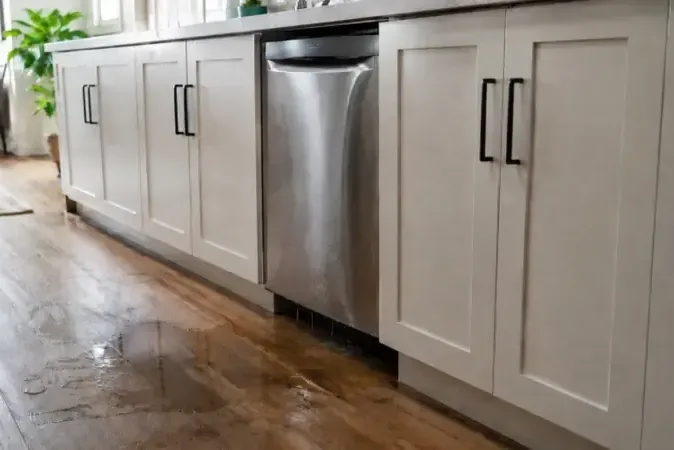
First steps for appliance leak water damage
- 1Stop use of the affected appliance
Continued operation can add water or discharge to concealed surfaces. Arrange safe isolation appropriate to the equipment and leave wet electrical connections to qualified personnel.
- 2Describe the cycle and first sign
Note whether water appeared during filling, washing or draining and where swelling or pooling was noticed. Those observations help the repair technician investigate the source.
- 3Keep the machine movement planned
Avoid pulling equipment across a wet floor or stressing attached connections. Safe access behind the appliance may require coordinated disconnection before restoration inspection can proceed.
- 4Photograph cabinetry and floor changes
Record swollen edges, lifted joints and affected stored items before removal. The condition record supports decisions about cleaning, drying and replacement of the surrounding room materials.
What does appliance leak water damage cost in Sherman, TX?
Appliance leak mitigation costs in Sherman depend on concealed access, cabinet damage and affected flooring. The ranges below describe restoration needs; appliance servicing and replacement components should remain separately identified.
- Open floor access
- Limited extraction work
- Localized edge checks
- Toe kick access
- Wet finish assessment
- Targeted material drying
- Hidden assembly damage
- Broader surface removal
- Complex equipment coordination
Planning ranges depend on water category, affected square footage, material class and how quickly drying starts. The water damage cost calculator compares scope assumptions; the property inspection sets the work required.
How appliance leak water damage proceeds
- 1
Identify discharge and affected assembly
The assessment connects the appliance problem with flooring, cabinetry and nearby walls, recording the water source and the materials that actually received moisture.
- 2
Coordinate access behind the equipment
Disconnection and movement are planned around equipment safety and fragile finishes. Inspection then reaches the concealed footprint and connected edges that ordinary surface cleanup misses.
- 3
Evaluate cleaning and recovery options
Water type and physical condition determine whether panels, underlayment or trim can remain. Retained surfaces receive the cleaning and drying access appropriate to their exposure.
- 4
Confirm conditions before reinstallation
Moisture observations and repair boundaries are documented before equipment or replacement finishes cover the area, keeping appliance service work separate from the restoration completion record.
The first visible sign of an appliance leak may be a swollen cabinet edge rather than water around the machine. Sherman includes established housing and newer residential communities, so inspection needs to identify the actual kitchen or laundry assembly. The machine's footprint alone rarely provides a complete boundary for the damage assessment.
Find the concealed contact surfaces
Westwood Village is an established neighborhood, while Heritage Ranch and Shepherd's Place are newer community options. At an affected property in any of these areas, water can reach cabinet bases, flooring seams and nearby partitions. The relevant details are how the room is assembled and where moisture readings change.
- Check the toe kick and nearby cabinet panels when a dishwasher leak disappears beneath the visible kitchen floor.
- Inspect accessible wall bottoms behind laundry equipment after the source has been safely isolated and movement coordinated.
- Document whether the released water came from a supply connection or from used appliance discharge.
Expose the edge without damaging the room
Moving an appliance can strain connections or scratch already weakened flooring. Access should be planned around safe disconnection and the condition of surrounding finishes. Removable trim or panels may reveal trapped moisture, while damaged cabinet components can require a different decision from the solid surfaces beside them.
Detergent, food residue or other discharge contents can change cleaning requirements. The restoration scope should reflect that source information rather than treating every appliance spill as identical. A small recurring leak may also wet enclosed layers repeatedly, leaving damage that looks minor from the open center of the room.
- Cabinet swelling should be assessed for physical damage as well as moisture remaining behind the finish.
- Floor transitions into adjoining rooms need checks when water has traveled beneath continuous coverings or thresholds.
- Replacement equipment should not conceal the access needed to inspect and dry the wet surfaces behind it.
Separate machine repair from finish recovery
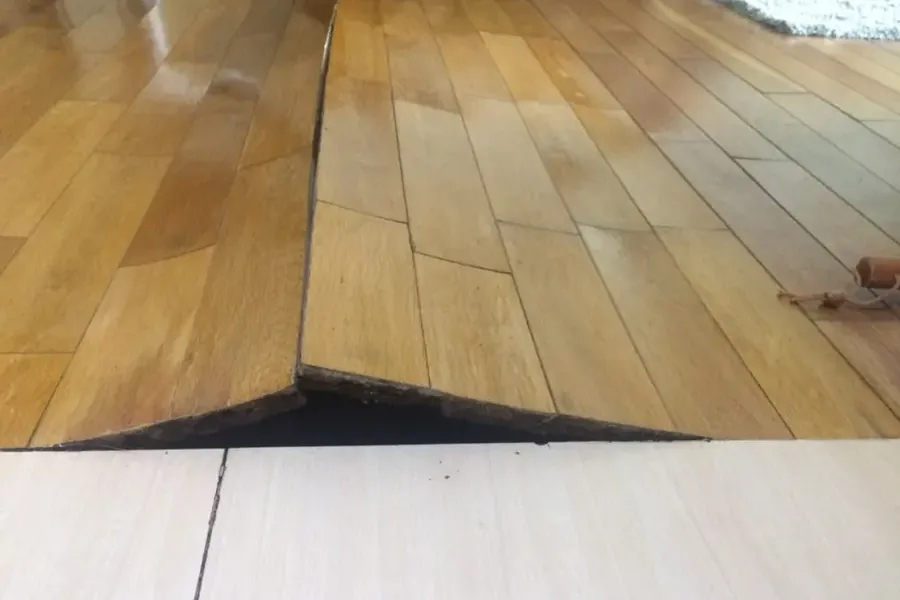
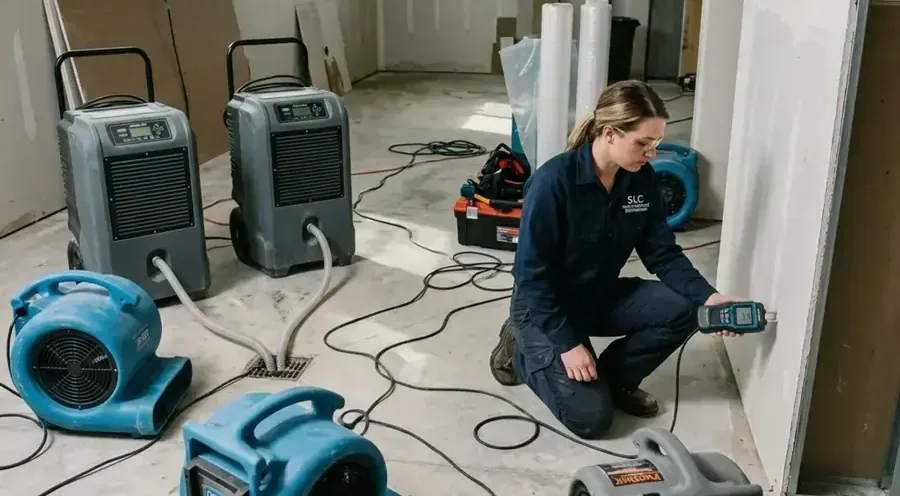
A repaired hose can stop the release while the cabinet base remains wet. Wood floor assessment addresses affected boards and supporting layers. For enclosed room materials, drying verification helps determine whether the retained assembly is ready for replacement trim or equipment.
The owner should receive a record of the source description, access openings and material decisions. That makes the sequence clear for the appliance technician and repair contractor, especially when the machine must remain disconnected while the surrounding kitchen or laundry surfaces are cleaned, dried or rebuilt.
Sherman appliance leak water damage response
Appliance leak assessments include Austin Landing and Pecan Grove, with kitchen or laundry layout, machine access and the condition of surrounding finishes defining the restoration scope.
The same service nearby: appliance leak water damage in Anna, Howe, Van Alstyne.
Water damage restoration in Sherman · every town coveredRelated water damage services in Sherman
Appliance Leak Water Damage questions
1Can a dishwasher leak reach the next room?
Water can follow floor joints or travel beneath continuous coverings. Inspection should include the doorway and adjoining floor edge when the observed moisture pattern extends beyond the kitchen.
2Why does the source water matter?
Supply water and used appliance discharge can require different cleaning decisions. Detergent or food residue may affect which materials can be recovered and how exposed surfaces are treated.
3Should the appliance be pulled out immediately?
Movement needs safe disconnection and attention to wet flooring. Stressed connections or damaged surfaces can complicate the loss, so access behind the machine should be coordinated carefully.
4Can swollen cabinet panels dry flat again?
Drying does not necessarily reverse physical swelling or separation. Cabinet components need a condition assessment to distinguish recoverable surfaces from damaged sections requiring replacement after moisture control.
5Will a repaired hose solve hidden dampness?
The hose repair stops new water. Existing moisture behind cabinets or under flooring still needs inspection and may require selective openings, cleaning or targeted drying before reinstallation.
6What should be documented before replacement?
Photographs of the machine area, source repair notes and moisture observations help explain the damage. Include cabinet and floor removal boundaries before new equipment or finishes conceal them.
Inspect behind the machine before replacing finishes
Source details and the affected cabinetry help shape a practical access and drying plan for the room.