Water Heater Leak Cleanup in Sherman
A tank area can look contained while water spreads under a closet wall. Sherman water heater cleanup examines the equipment space, neighboring flooring and stored belongings after the appliance has been safely isolated.
(888) 527-9134Describe the tank area spill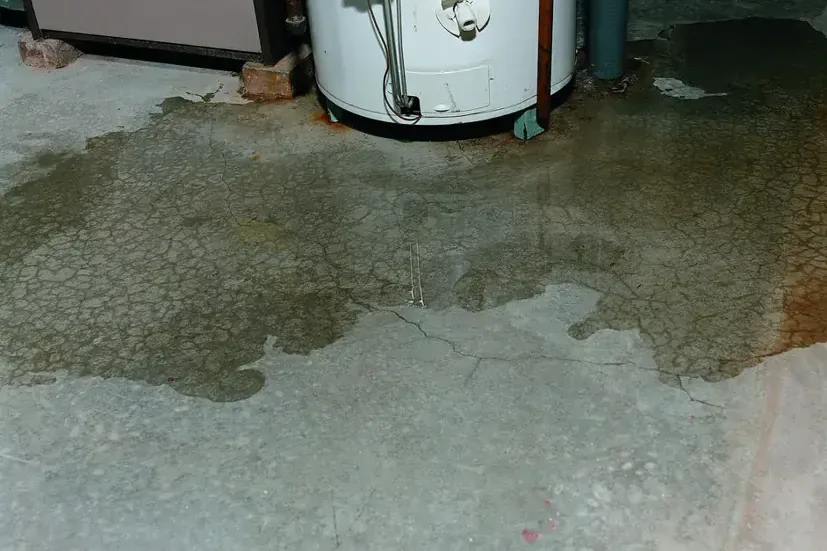
First steps for water heater leak cleanup
- 1Avoid wet equipment controls
Leave appliance isolation to appropriate personnel when power, hot water or source conditions create uncertainty. Keep occupants away from the wet tank area until access is assessed.
- 2Note where the water escaped
Describe pooling at the base, water beyond the doorway and affected belongings. The route outside the closet can be more important than the visible depth beside the heater.
- 3Create access through dry areas
Move unaffected storage only when it can be reached safely. Leave soaked materials documented and available for assessment before disposal or equipment replacement conceals the affected surfaces.
- 4Coordinate repair and drying access
Explain whether replacement is already scheduled. The installer and restoration assessment need a practical sequence so the support area and nearby wall bottoms can be inspected and dried.
What does water heater leak cleanup cost in Sherman, TX?
Sherman water heater cleanup costs reflect how far water moved beyond the tank and which surfaces remain wet. These ranges describe mitigation; appliance repair, replacement and new room finishes should be separated in the estimate.
- Accessible equipment floor
- Limited pooled liquid
- Basic edge inspection
- Connected floor coverings
- Wet wall bottoms
- Additional drying access
- Enclosed material saturation
- Multiple affected surfaces
- Coordinated replacement access
Planning ranges depend on water category, affected square footage, material class and how quickly drying starts. The water damage cost calculator compares scope assumptions; the property inspection sets the work required.
How water heater leak cleanup proceeds
- 1
Identify source and room boundaries
The assessment records the equipment location, isolation status and spread into adjacent rooms, distinguishing appliance work from the building materials requiring cleanup.
- 2
Remove water and inspect edges
Extraction addresses accessible liquid while floor joints, storage bases and wall bottoms are checked for retained moisture outside the apparent tank area.
- 3
Dry accessible retained surfaces
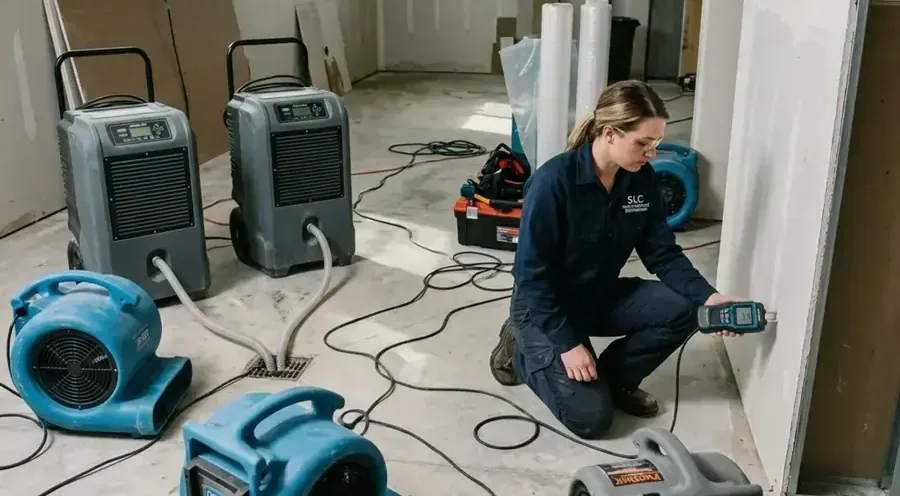
Affected coverings and finishes are evaluated for condition and access. Drying equipment targets recoverable materials while preserving the space needed for separate appliance work.
- 4
Record the replacement handoff
Notes identify dried surfaces, removed finishes and any remaining access requirements so tank replacement and cosmetic repairs can proceed in an understandable sequence.
Water collected beside a heater can escape beneath a door, behind stored boxes or into the bottom of a nearby wall. In Sherman, the cleanup scope should start at the tank but continue through every affected boundary. A small equipment space may connect to a much larger floor area outside it.
Make the equipment area accessible safely
Pecan Grove is an established residential area, and Austin Landing is a newer community option. At either setting, the heater's actual installation and energy source determine safe isolation needs. Appliance or plumbing personnel should address the equipment while restoration inspection focuses on escaped water, wet finishes and access for later replacement.
- Keep clear of hot water and equipment controls when the source condition or electrical safety is uncertain.
- Describe the tank location and any visible pooling beyond the equipment room before arranging the assessment.
- Retain photographs of wet stored items and floor edges before dry belongings are relocated for access.
Trace the spill outside the closet
Water may sit under shelving or reach adjoining carpet without forming a deep pool around the tank. The inspection should compare floor edges, wall bottoms and adjacent rooms rather than treating the closet door as the damage boundary. Access behind the appliance may improve when source repair work is coordinated.
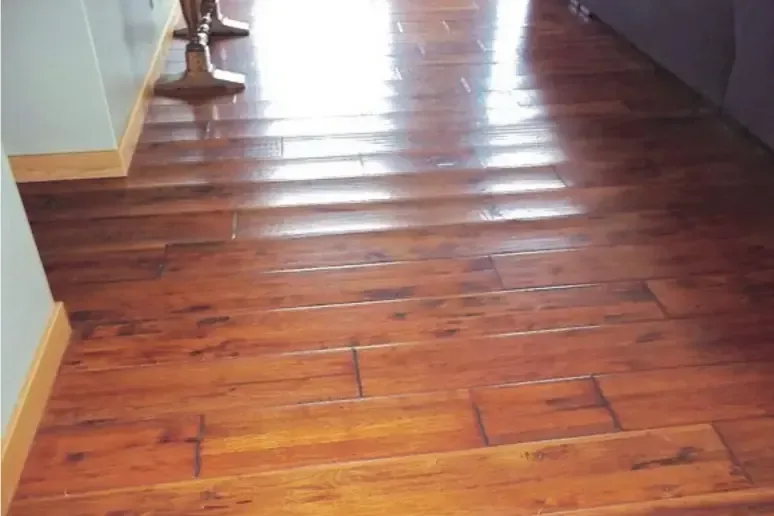
In Westwood Village, the same inspection follows the individual room arrangement. If a closet opens into a bedroom, the carpet edge and pad deserve attention. If the floor is hard surfaced, joints and nearby trim can still conceal moisture. Finish condition and water contact determine which materials remain suitable for drying.
- Swollen shelving and cabinet bases may require removal when they obstruct wet surfaces or have lost their shape.
- Absorbent items stored against a wall can keep that surface damp after the surrounding liquid has been extracted.
- Equipment replacement should leave enough access to assess and dry the affected support area and surrounding finishes.
Coordinate replacement with a dry room
Liquid extraction can reduce standing water while the source is being addressed. The remaining assembly may need controlled structural drying, especially at enclosed wall bottoms or beneath adjoining coverings. Those surrounding materials still need assessment after the new tank is installed.
A clear handoff identifies the appliance work separately from the restoration tasks. Notes should show where water traveled, what was removed and which readings support the drying decision. The owner can then coordinate replacement finishes and equipment access around the condition of the space rather than the disappearance of the puddle.
Sherman water heater leak cleanup response
Water heater cleanup planning includes Heritage Ranch and O'Hanlon Ranch, with the tank location, adjoining room surfaces and equipment replacement access considered during the initial assessment.
The same service nearby: water heater leak cleanup in Anna, Howe, Van Alstyne.
Water damage restoration in Sherman · every town coveredRelated water damage services in Sherman
Water Heater Leak Cleanup questions
1Is replacing the heater enough?
Replacement addresses the appliance. Water already held in nearby flooring, trim and wall bottoms requires a separate assessment to determine whether removal or controlled drying is necessary.
2Why check outside the equipment closet?
Water can pass beneath the doorway or adjoining partition. Carpet pad, floor joints and storage bases may remain wet beyond the area where the tank originally leaked.
3Can stored boxes stay beside the tank?
Wet boxes can hold moisture against nearby surfaces and obstruct access. Their condition should be documented before handling, with dry storage moved only through a safe route.
4Should a homeowner operate wet heater controls?
Wet equipment and uncertain electrical conditions require appropriate professional attention. The source and energy isolation should be handled safely before anyone works around the tank or standing water.
5When should a new tank be installed?
Installation timing should account for safe source repair and access to wet supporting surfaces. Coordination helps prevent the new equipment from concealing an area still needing inspection or drying.
6What changes the cleanup estimate?
The affected area, adjacent finishes, concealed moisture and access around the appliance shape the scope. Appliance repair and replacement should be identified separately from restoration charges.
Check what the tank water reached
The appliance location and adjacent wet surfaces help organize removal, drying access and the repair handoff.