Slab Leak Water Damage in Sherman
A damp floor edge deserves investigation even when no puddle appears. Sherman slab leak cleanup pairs plumbing diagnosis with measurements of flooring, surrounding trim and materials affected by concealed water migration.
(888) 527-9134Discuss moisture beneath the floor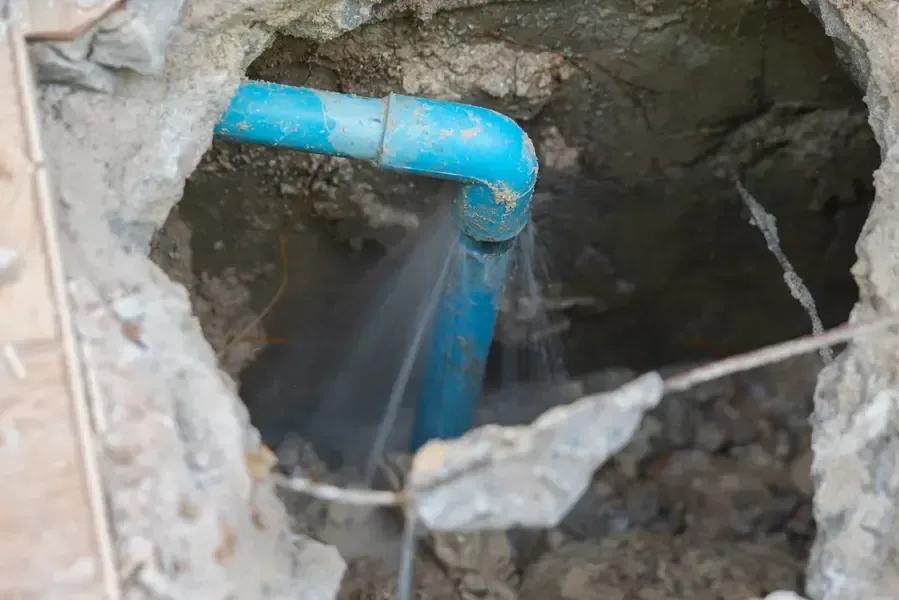
First steps for slab leak water damage
- 1Record the recurring damp area
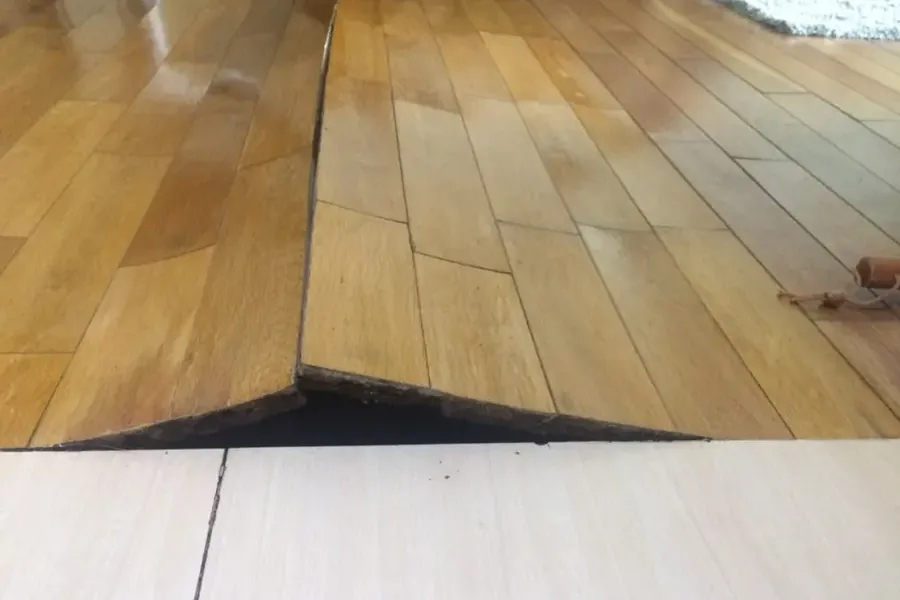
Mark affected rooms in notes and photograph changes in flooring or trim. Include whether the area becomes wet again after ordinary surface drying.
- 2Arrange diagnosis of the source
A plumbing assessment determines the location and condition of the suspected release. Avoid treating a damp patch alone as a complete explanation of the problem.
- 3Preserve access around wet edges
Move dry storage away from the affected wall and floor boundary when safe. Leave damaged finish materials available for inspection rather than covering them.
- 4Hold replacement flooring decisions
Wait for source control and material assessment before ordering cosmetic repairs. The visible surface may conceal wet layers requiring access, drying or selective replacement first.
What does slab leak water damage cost in Sherman, TX?
Sherman slab leak mitigation costs depend on floor access, moisture spread and the layers requiring attention. These ranges describe restoration scope; plumbing diagnosis, pipe repair and replacement finishes need separate written clarification before work proceeds.
- Limited finish exposure
- Accessible damp edges
- Focused material readings
- Underlayment condition checks
- Adjacent wall assessment
- Selective flooring removal
- Broad assembly access
- Multiple connected rooms
- Complex material recovery
Planning ranges depend on water category, affected square footage, material class and how quickly drying starts. The water damage cost calculator compares scope assumptions; the property inspection sets the work required.
How slab leak water damage proceeds
- 1
Map floor and wall readings
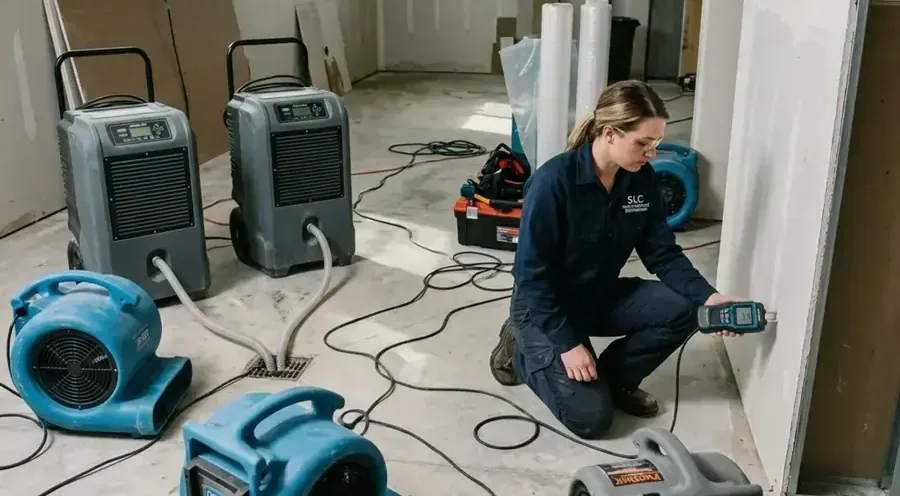
Inspection records the moisture pattern across accessible surfaces, including transitions, trim and cabinet edges that could extend beyond the most noticeable damp area.
- 2
Coordinate with plumbing findings
The repair location is compared with the mapped damage, helping distinguish source access work from the additional openings needed to assess the wet assembly.
- 3
Expose or dry retained layers
Material condition and drying access determine what can remain. Equipment is arranged around reachable surfaces, with measurements checking whether concealed moisture is responding.
- 4
Define the flooring handoff
Completion notes identify retained materials, open repair areas and final moisture observations so the flooring contractor can assess readiness for the selected replacement finish.
A floor that repeatedly darkens or feels damp needs a source investigation before new covering is installed. In Sherman, an inspection can begin with a moisture map of the affected room and its boundaries. Plumbing diagnosis then establishes whether a concealed supply release is contributing water beneath or alongside the finished floor.
Separate the wet floor from the pipe repair
Pecan Grove and Heritage Ranch are distinct residential settings, but the relevant starting point is the floor assembly inside the affected property. Tile, wood, underlayment and nearby cabinetry respond differently to water. Recording the actual layers avoids making a removal decision based only on the surface stain.
- Compare damp transitions with nearby dry reference areas rather than treating every discolored patch as active leakage.
- Photograph trim swelling and flooring changes before opening a section for plumbing access or material assessment.
- Keep the source repair opening documented so later contractors understand which finishes were disturbed during access.
Check the spread along concealed edges
A release can move toward wall bases or beneath cabinets where ordinary air movement has little effect. The restoration assessment considers those edges alongside the plumber's findings. An opening used to reach a pipe may expose only a portion of the wet assembly, leaving additional moisture beneath surrounding finishes.
Austin Landing is another newer community in the city. At a home there, the relevant questions remain specific: which rooms show moisture, where the readings change and whether the water source has stopped. The inspection should explain any proposed flooring removal in terms of access, damage or retained moisture.
- Cabinet plinths can conceal damp surfaces that remain inaccessible after the visible floor has been wiped dry.
- Doorway transitions may connect several floor coverings, each requiring its own assessment of damage and recovery options.
- Affected wall bottoms should be included when moisture has reached trim, drywall or the surrounding framing.
Rebuild after the drying question is settled
Floor recovery decisions may involve retaining sound boards, exposing underlying layers or replacing damaged sections. The appropriate choice depends on condition and access. Structural moisture control provides the measurement framework for materials that remain after source correction.
The completion record should connect the initial moisture pattern with the final readings and repair boundaries. New flooring should follow suitable substrate conditions and the requirements of the intended finish system. Covering a damp assembly can hide the unresolved portion of the loss and complicate the next repair.
Sherman slab leak water damage response
Slab leak restoration planning reaches Westwood Village and Shepherd's Place, with inspection based on the actual flooring, adjacent wet materials and the plumbing diagnosis at each property.
The same service nearby: slab leak water damage in Anna, Howe, Van Alstyne.
Water damage restoration in Sherman · every town coveredRelated water damage services in Sherman
Slab Leak Water Damage questions
1Does a damp floor always mean a slab leak?
No. Several sources can wet flooring. Plumbing diagnosis and the observed moisture pattern help establish the source before repairs or extensive removal are planned for the affected room.
2Why measure trim beside the floor?
Water beneath a finish can reach wall bottoms and cabinetry. Those connected materials may require drying or access even when the main floor surface is already exposed.
3Can the plumber's opening also dry the room?
It may expose part of the affected assembly, but surrounding layers can remain enclosed. Moisture readings help determine whether additional access or a different drying approach is needed.
4Should new flooring cover a small damp patch?
Replacement should follow source correction and suitable substrate conditions. A small visible patch can connect to a wider concealed moisture area beneath the surrounding floor covering.
5Is every slab leak cleanup priced alike?
No. Flooring type, concealed spread, cabinet access and the amount of damaged material affect the scope. Plumbing repairs and reconstruction should be distinguished from mitigation charges.
6What records help the flooring contractor?
Useful records include the original moisture map, source repair location, materials removed and final readings. They explain the repair boundary and support an informed assessment before installation begins.
Resolve the moisture beneath the finish
Floor type, recurring dampness and nearby trim changes help frame the next inspection and source repair discussion.