Toilet Overflow Cleanup in Sherman
Water from a toilet tank and water rising from its bowl create different cleanup decisions. Sherman overflow restoration begins by identifying the release, restricting affected access and tracing where bathroom water traveled afterward.
(888) 527-9134Describe the bathroom overflow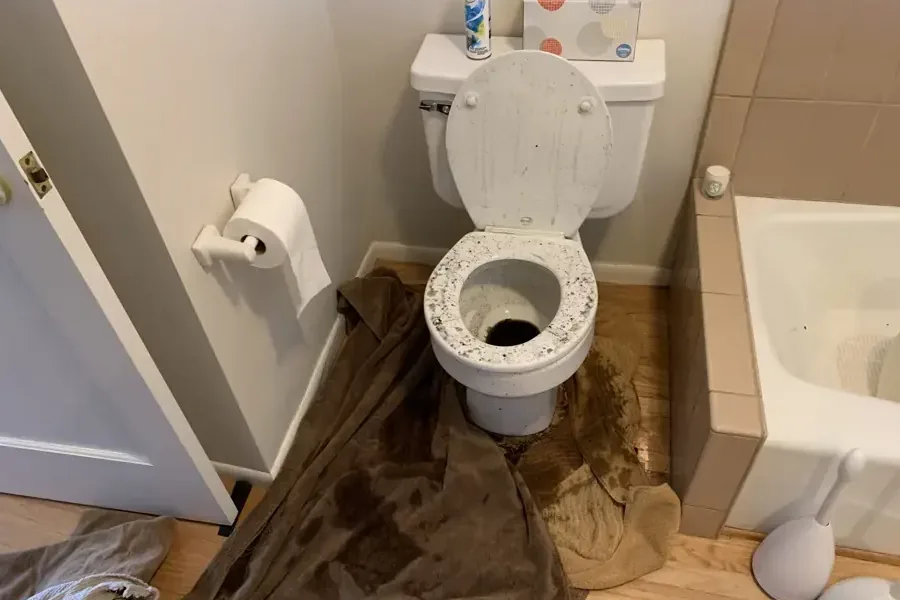
First steps for toilet overflow cleanup
- 1Stop repeated flushing and fixture use
Additional water can enlarge the affected area. A safely reachable fixture valve may limit a tank supply release, while a drain problem needs separate plumbing attention.
- 2Restrict the wet bathroom entrance
Keep occupants and pets out of the affected room. Avoid carrying soaked towels or mats through clean spaces before the water source and handling needs are assessed.
- 3Describe the origin of the overflow
State whether water escaped from the tank, supply connection or bowl, and mention other drains behaving unusually. Those details influence both plumbing investigation and cleanup precautions.
- 4Record where the water reached
Photograph the doorway, vanity base and any adjoining floor covering from a safe dry location. Preserve notes about lower rooms if water appeared through the ceiling beneath.
What does toilet overflow cleanup cost in Sherman, TX?
Toilet overflow cleanup in Sherman varies with the release source, contamination and rooms reached. These ranges distinguish limited supply water from more involved bathroom exposure, with drain repair and replacement finishes clarified separately.
- Limited floor contact
- Accessible water removal
- Localized moisture checks
- Controlled material handling
- Vanity exposure assessment
- Detailed surface cleaning
- Adjoining room exposure
- Concealed floor moisture
- Expanded drying boundaries
Planning ranges depend on water category, affected square footage, material class and how quickly drying starts. The water damage cost calculator compares scope assumptions; the property inspection sets the work required.
How toilet overflow cleanup proceeds
- 1
Classify the fixture release
Inspection distinguishes supply leakage from bowl overflow and records the contacted rooms, establishing appropriate access boundaries and cleaning considerations before equipment is arranged.
- 2
Assess porous and concealed materials
Floor edges, vanity components and neighboring coverings are checked for contamination and trapped moisture, with removal decisions tied to their actual exposure and condition.
- 3
Clean retained accessible surfaces
Controlled liquid removal and necessary disposal precede cleaning. Equipment and waste routes are planned to protect unaffected rooms from contact with wet materials.
- 4
Dry and document the boundary
Remaining assemblies are measured during drying, and the final record identifies cleaned surfaces, removed finishes and separate plumbing or reconstruction tasks still requiring attention.
A bathroom floor can appear washable while water has already crossed beneath trim or into an adjoining carpet edge. In Sherman, overflow inspection should establish whether the release came from the tank, supply connection or bowl. That distinction shapes handling precautions and the decision about absorbent materials beyond the fixture.
Keep the spill from spreading through traffic
O'Hanlon Ranch and Pecan Grove are established residential areas. At an affected home, occupants should stay out of the wet bathroom until the source and exposure are assessed. Footwear, towels and moved belongings can carry contamination into cleaner rooms when bowl water is involved.
- Stop using the affected fixture and describe any water rising from other drains before additional flushing occurs.
- Keep children and pets away from the room and avoid carrying soaked bathroom items through unaffected spaces.
- Photograph the visible spread from a dry position, including the doorway and nearby storage bases.
Inspect beyond the hard bathroom surface
Tile does not make every part of a bathroom impermeable. Water can reach joints, the base of a partition or a vanity panel. Inspection needs to identify the actual assembly and the depth of access required. Contaminated porous components may need controlled removal instead of ordinary room drying.
Heritage Ranch is a newer community option in the city. In any affected property there, the room arrangement determines whether water reaches a closet, hallway or lower level. A drain repair can resolve the fixture problem while leaving the surrounding building materials in need of cleaning and moisture assessment.
- Vanity toe kicks and absorbent side panels should be checked where the spill reached their lower edges.
- Carpet at the bathroom threshold requires an exposure assessment rather than an assumption that extraction alone is sufficient.
- Accessible ceiling areas below an upstairs bathroom may need inspection when water has passed through the floor assembly.
Leave a clear cleaning and drying record
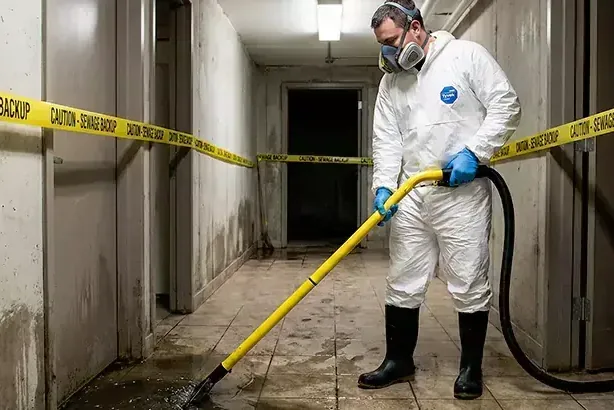
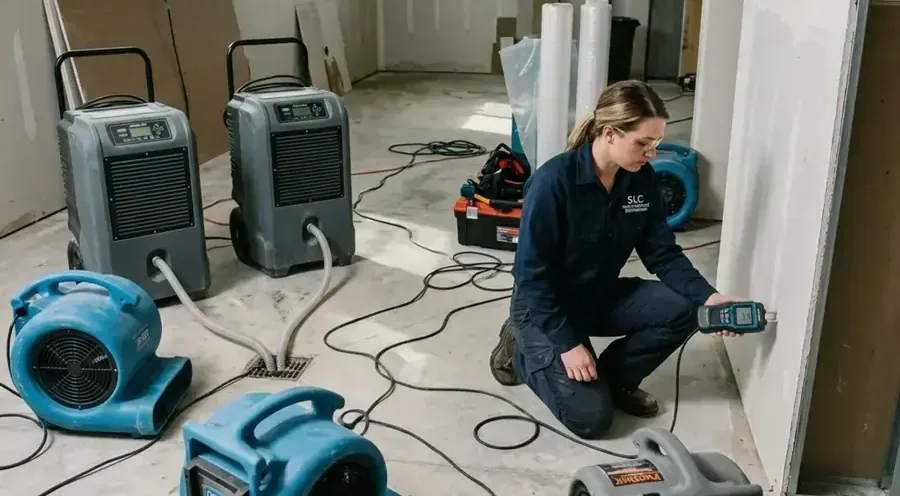
If the release is part of a broader drain event, sewage cleanup addresses the contaminated building scope. After necessary removal and cleaning, material drying checks retained surfaces. Each stage should follow the actual exposure rather than the size of the visible puddle.
Completion notes should identify the source description, rooms contacted and materials removed. The record helps explain why a bathroom with a small visible spill may still need attention at concealed edges or the adjoining room, and gives the repair contractor a usable boundary for replacing affected finishes.
Sherman toilet overflow cleanup response
Toilet overflow restoration planning includes Westwood Village and Shepherd's Place, with source identification, adjoining floor contact and safe room access shaping the assessment at each home.
The same service nearby: toilet overflow cleanup in Anna, Howe, Van Alstyne.
Water damage restoration in Sherman · every town coveredRelated water damage services in Sherman
Toilet Overflow Cleanup questions
1Is every toilet leak contaminated?
A clean tank supply release differs from bowl water or a drain backup. The source and contacted materials need assessment before cleaning methods and removal decisions are selected.
2Should another flush test the blockage?
Repeated flushing can add water to the room. Stop using the affected fixture and have the drain condition assessed rather than enlarging the spill during informal testing.
3Can bathroom towels finish the cleanup?
Towels may collect visible water but leave moisture beneath trim or inside flooring layers. Bowl exposure also requires contamination assessment, so surface absorption alone does not complete restoration.
4Why inspect an adjoining bedroom carpet?
Water can cross the bathroom threshold and soak the backing or pad. Its source and contact determine whether that carpet assembly can be recovered or requires removal.
5Does the vanity need replacement?
The answer depends on exposure, swelling and access for cleaning and drying. Some surfaces may remain, while damaged or contaminated absorbent components need a different treatment decision.
6Can the room reopen once it looks clean?
Visible cleanliness is only part of the assessment. The source, contaminated material decisions and moisture remaining in retained assemblies should be addressed before normal use resumes.
Trace the spill beyond the bathroom tile
Doorway wetness, vanity damage and any water below the bathroom help define the needed cleanup assessment.