Sewage Backup Cleanup in Sherman
A sewage backup changes how people, equipment and belongings move through a building. Sherman cleanup begins with restricted access and drain source coordination before contaminated surfaces and concealed wet materials are addressed.
(888) 527-9134Discuss contaminated room cleanup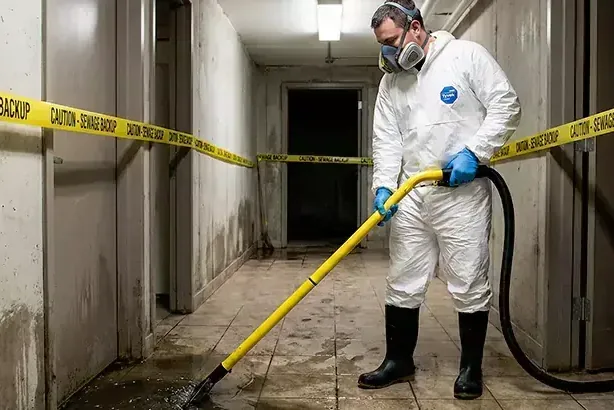
First steps for sewage backup cleanup
- 1Restrict entry to affected spaces
Keep occupants, pets and visitors outside rooms touched by sewage. Do not carry wet contents through cleaner areas while the exposure and handling requirements remain unassessed.
- 2Limit additional wastewater discharge
Stop using affected fixtures and describe any other drains backing up. Plumbing or utility reporting should address the source while restoration planning addresses the exposed indoor materials.
- 3Preserve an accessible loss record
Take photographs only from a safe dry position. Note contacted rooms and belongings without opening contaminated storage or handling absorbent items before the cleanup assessment.
- 4Plan safe building access
Identify an entrance that avoids the spill and explain shared corridors or occupied rooms. Those details help organize equipment movement and protect unaffected portions of the property.
What does sewage backup cleanup cost in Sherman, TX?
Sherman sewage cleanup estimates depend on contamination spread, porous material exposure and safe removal access. These ranges describe building mitigation needs; drain repairs, contents replacement and reconstruction should be clearly separated when the written scope is prepared.
- Restricted room access
- Localized sewage removal
- Accessible surface cleaning
- Porous material disposal
- Connected cavity access
- Expanded cleaning boundaries
- Extensive contaminated contents
- Complex debris routes
- Multiple drying areas
Planning ranges depend on water category, affected square footage, material class and how quickly drying starts. The water damage cost calculator compares scope assumptions; the property inspection sets the work required.
How sewage backup cleanup proceeds
- 1
Establish the exposure boundary
The assessment maps sewage contact, source status and safe movement routes, then separates building materials from contents requiring their own condition and handling decisions.
- 2
Remove liquid and unsuitable materials
Controlled extraction and disposal address contaminated water and unrecoverable porous components. Work areas and debris routes are arranged to reduce contact with unaffected surfaces.
- 3
Clean the retained contact areas
Accessible surfaces receive cleaning appropriate to their material and exposure. Inspection confirms access to edges and cavities before replacement components can hide them again.
- 4
Dry and document remaining assemblies
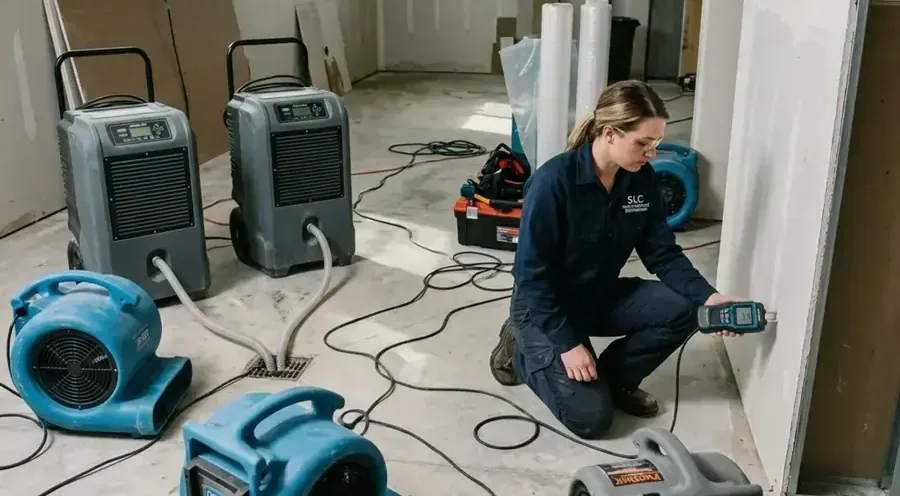
Moisture measurements track retained building materials after cleaning. Completion notes identify removal boundaries, source repair status and the remaining reconstruction work needed before normal occupancy.
When sewage enters an occupied room, the initial boundary should include every surface it contacted and the routes people might use to cross the area. In Sherman, municipal emergency water and wastewater reporting is separate from utility billing. Property drain diagnosis and building cleanup also need clearly identified responsibilities from the beginning.
Separate the utility report from indoor recovery
The City of Sherman operates Post Oak Wastewater Treatment Plant, which treats domestic, commercial and industrial wastewater. For an individual indoor backup, plumbing investigation identifies the immediate source problem. Restoration inspection documents the rooms and materials exposed, including any spread into storage, adjoining flooring or enclosed wall bottoms.
- Stop using affected fixtures when continued discharge could add sewage to the building and enlarge the contaminated area.
- Keep occupants and animals away from the spill, including rooms reached by tracked or flowing contaminated water.
- Record the visible extent from a safe dry location without handling soaked contents or entering restricted spaces.
Make a material specific cleanup decision
Businesses along Texoma Parkway may have different exposure concerns for stock, equipment and customer areas. The cleanup scope should distinguish those contents from the building itself. Porous materials that cannot be effectively cleaned may need controlled removal, while suitable retained surfaces require access for deliberate cleaning before drying.
Odor is not a complete map of contamination. Inspectors need to follow the water path and evaluate contacted materials even where the room looks less affected. Equipment routes and debris handling should protect cleaner areas, especially when the contaminated room shares a corridor or entrance with occupied spaces.
- Absorbent wall bottoms and floor underlayers need exposure assessment when sewage has reached their concealed edges.
- Stored goods should be documented before removal so disposal decisions remain connected to the room inventory.
- Cleaning access must reach retained contact surfaces rather than leaving residues behind new trim or replacement panels.
Close the contaminated phase before rebuilding
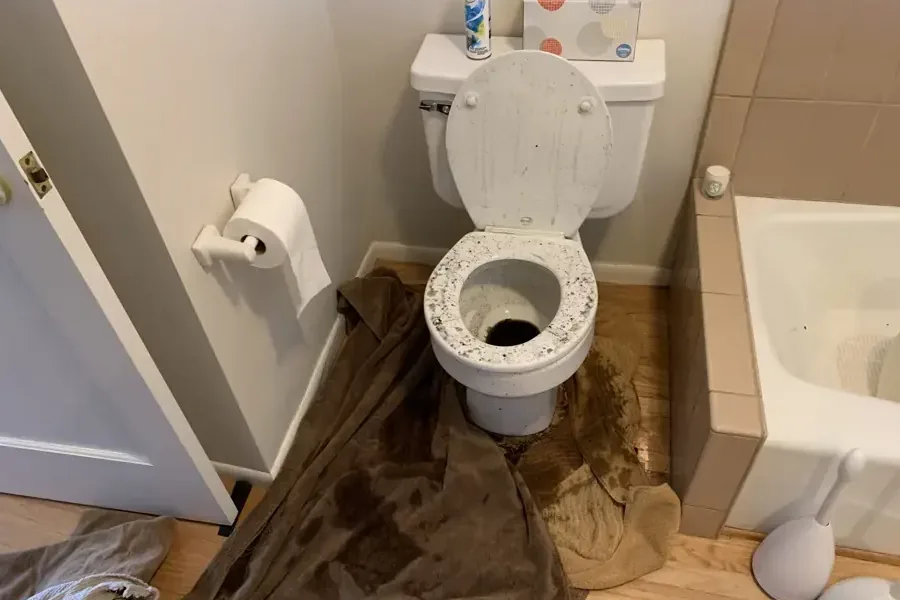
A localized fixture event may also be explained on the toilet overflow page. After necessary disposal and cleaning, structural drying addresses moisture inside retained materials. These stages should remain distinguishable in the work record, with the drain repair status recorded separately.
The final handoff identifies affected rooms, removal boundaries and surfaces retained after cleaning. Moisture observations explain the drying endpoint, while unresolved source work or inaccessible areas remain explicit repair items. That gives the owner a practical basis for arranging replacement finishes and deciding how affected spaces return to use.
Sherman sewage backup cleanup response
Sewage cleanup discussions include Downtown Sherman and Westwood Village, with safe entrances, contaminated material exposure and drain source status establishing the assessment priorities for each property.
The same service nearby: sewage backup cleanup in Anna, Howe, Van Alstyne.
Water damage restoration in Sherman · every town coveredRelated water damage services in Sherman
Sewage Backup Cleanup questions
1Can occupants walk through a small backup?
Even a limited spill can contaminate footwear and nearby surfaces. Restrict access and arrange assessment rather than using the affected room as a route to other occupied spaces.
2Does a cleared drain complete restoration?
Clearing the drain addresses the source problem. Sewage already in flooring, wall bottoms or contents still requires separate removal, cleaning and moisture assessment before recovery is complete.
3Can contaminated carpet simply be extracted?
Porous materials exposed to sewage may be unsuitable for recovery. The inspection considers contamination, backing and underlying layers rather than relying only on visible liquid removal from the surface.
4Is the smell enough to locate all damage?
No. The water path and material contact establish the exposure boundary. Areas with little noticeable odor may still require attention if sewage flowed or was tracked into them.
5Why are clean traffic routes important?
Equipment, footwear and discarded materials can transfer contamination. A planned route helps keep unaffected rooms separate while removal, cleaning and drying proceed within the affected portion of the building.
6What belongs in the completion record?
The record should identify contacted rooms, discarded materials, cleaned surfaces and drying observations. It should also distinguish remaining drain repairs from reconstruction of finishes removed during the cleanup.
Restore access through controlled cleanup stages
The source status and extent of contact help organize removal, cleaning and the later drying assessment.