Water Extraction in Sherman
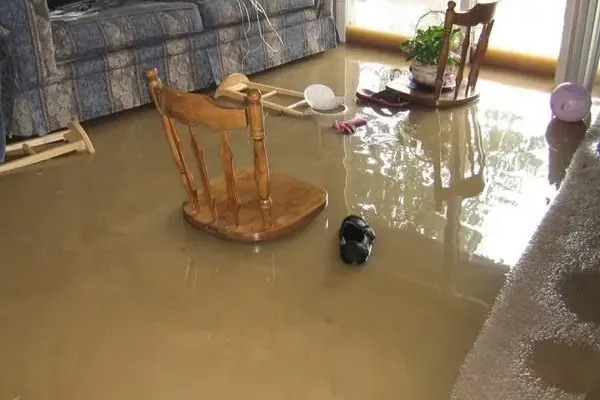
The deepest puddle is only part of a water loss. Extraction in Sherman should also account for liquid held in carpet, floor transitions and the concealed edges of adjoining rooms.
(888) 527-9134Arrange pooled water removal
First steps for water extraction
- 1Keep people off wet flooring
Avoid crossing standing water where outlets, power cords or unstable floor coverings are present. Establish a dry approach for the initial inspection.
- 2Stop further entry where safe
An accessible fixture shutoff can limit a supply release. Floodwater entry needs a different assessment, especially while surrounding exterior areas remain submerged.
- 3Record the visible water boundary
Photograph doorways, floor transitions and affected contents from safe positions. Note which rooms became wet first and whether the water level changed.
- 4Leave concealed pockets accessible
Keep movable dry storage away from inspection areas. Wet carpet, cabinetry and wall edges need assessment before possessions or new finishes cover them again.
What does water extraction cost in Sherman, TX?
Sherman extraction costs reflect the depth and spread of water, access to affected rooms and the surfaces holding moisture. The following ranges support planning; cleaning, disposal and drying requirements determine the complete mitigation scope.
- Accessible floor area
- Limited liquid removal
- Simple equipment route
- Multiple room thresholds
- Soaked floor coverings
- Additional boundary checks
- Difficult equipment access
- Extensive pooled water
- Complicated material handling
Planning ranges depend on water category, affected square footage, material class and how quickly drying starts. The water damage cost calculator compares scope assumptions; the property inspection sets the work required.
How water extraction proceeds
- 1
Classify source and access
The assessment identifies supply water, appliance discharge or outside entry, then establishes safe equipment routes and surfaces that need protection during removal.
- 2
Extract by surface type
Accessible water is removed with equipment appropriate to the floor and depth, with attention to carpet saturation and pooling beneath movable contents.
- 3
Inspect the remaining moisture
Floor joints, wall bases and nearby rooms are checked after extraction. Persistent readings help distinguish drying needs from areas requiring additional material access.
- 4
Explain the follow through
The owner receives a description of cleaning, removal and drying tasks, including inaccessible spaces and separate source repairs that still need coordination.
February 2026: Flash flooding in Sherman stranded vehicles and damaged some properties. North Harrison Avenue had vehicles caught in high water, and residents on Western Hills Drive described runoff underneath a house. Those different water paths illustrate why removal planning starts with the entry route, affected elevation and safe access to the wet area.
Determine what the pump is removing
A broken supply pipe and runoff entering through a doorway require different handling. The inspection identifies the source before equipment crosses dry rooms. Outside water can leave sediment and contamination behind after the visible pool disappears. A clear room record separates water removal from cleaning, disposal and subsequent drying work.
- Floor drains, thresholds and adjoining closets deserve inspection when pooled water changes direction or depth.
- Carpet can retain substantial liquid even after the surrounding hard floor appears clear of standing water.
- Electrical equipment and submerged outlets require qualified assessment before power supplies support extraction or drying machinery.
Follow the wet edge beneath finishes
Pecan Grove is among the city's established residential areas. At an affected home, room layout matters more than the neighborhood label: a low transition can carry water into a bedroom while a cabinet toe kick conceals another pocket. Measurements help establish which materials need removal and which adjacent surfaces remain suitable for drying.
Extraction tools are selected for the surface and access available. A wand can address wet carpet, while pooled water may require different equipment. Furniture feet, stored boxes and absorbent trim are examined separately because clearing the walking surface does not necessarily remove water held against those materials.
- Document surfaces before moving belongings so photographs retain a useful connection to the original wet area.
- Separate contaminated contents from items that can move safely into an unaffected storage space.
- Recheck floor edges after removal to identify persistent moisture that needs further access or equipment.
Make removal the beginning of recovery
The handoff to material drying depends on remaining moisture, not the absence of a puddle. Air movement and dehumidification should suit the exposed materials. Where outside water entered, storm cleanup also addresses the cleaning and removal decisions that extraction alone cannot complete.
A written account should identify the source, rooms extracted, materials removed and areas still inaccessible. That record helps owners compare the proposed drying scope with what actually happened inside the building, and helps repair contractors understand why some floor edges or wall sections remain open.
Sherman water extraction response
Extraction planning includes Westwood Village and O'Hanlon Ranch, with property access, affected flooring and the current water source described before equipment placement is considered.
The same service nearby: water extraction in Anna, Howe, Van Alstyne.
Water damage restoration in Sherman · every town coveredRelated water damage services in Sherman
Water Extraction questions
1Does pumping finish the water damage work?
Pumping clears accessible liquid. Materials can still retain moisture afterward, so floor layers, wall edges and absorbent contents need assessment before the cleanup can move toward repairs.
2Can extraction save wet carpet?
The answer depends on water source, carpet condition and access to the backing and pad. Contaminated or damaged components may need removal even when the surface looks recoverable.
3Should belongings move before inspection?
Dry items may move through a safe route. Wet or contaminated belongings should remain separated until their condition and handling needs are assessed and documented.
4Why check rooms without visible puddles?
Water can cross beneath thresholds or wick into adjoining materials. Readings along the boundary help identify that migration before drying equipment is positioned or surfaces are closed.
5Is outside water handled differently?
Yes. Floodwater can introduce sediment and contamination, changing protective measures, cleaning methods and which porous materials remain suitable for drying in place after liquid removal.
6What supports an extraction estimate?
A useful estimate identifies affected rooms, floor surfaces, access constraints and the water source. It separates extraction from material disposal, structural drying and any later reconstruction work.
Clear a path toward material recovery
Removal planning starts with safe entry, the water source and a record of the surfaces holding liquid.