Structural Drying in Sherman
A comfortable room can still contain wet framing or enclosed floor layers. Structural drying in Sherman uses material measurements, suitable access and controlled air conditions to track what remains after visible water removal.
(888) 527-9134Discuss retained building moisture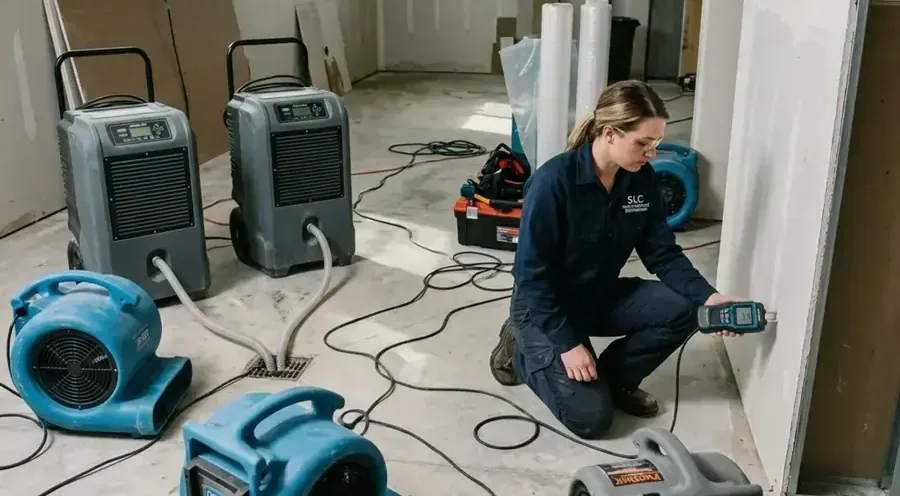
First steps for structural drying
- 1Confirm the source is addressed
Describe any continuing drips, damp recurrence or pending source repairs before drying begins. New water entry can obscure progress and change the equipment or access plan.
- 2Keep the planned air paths clear
Avoid stacking belongings beside equipment or against wet walls. Clear paths help air reach the intended surfaces and preserve safe movement through occupied parts of the building.
- 3Discuss operating concerns promptly
Noise, heat or access problems should be raised with the restoration contact before equipment is moved or stopped. Changes can affect the drying arrangement and measurement history.
- 4Hold closure until materials are assessed
Replacement trim, flooring and drywall should follow the drying findings. Covering a wet surface can remove the access needed to inspect it and complete the recovery work.
What does structural drying cost in Sherman, TX?
Structural drying costs in Sherman reflect the wet assemblies, access requirements and equipment arrangement. These planning ranges depend on measured conditions, with material removal, source correction and reconstruction distinguished in the written scope.
- Exposed wet surfaces
- Straightforward equipment placement
- Repeatable reference readings
- Connected material layers
- Selective cavity access
- Multiple monitoring locations
- Difficult surface access
- Extensive assembly saturation
- Coordinated drying adjustments
Planning ranges depend on water category, affected square footage, material class and how quickly drying starts. The water damage cost calculator compares scope assumptions; the property inspection sets the work required.
How structural drying proceeds
- 1
Establish a material moisture map
The assessment identifies wet assemblies and suitable comparison locations, recording where readings can be repeated and where concealed surfaces require additional access before effective drying.
- 2
Arrange air movement and dehumidification
Equipment placement follows the exposed materials, safe power availability and room layout. The setup aims to remove moisture while maintaining practical access around the affected area.
- 3
Measure response and adjust access
Repeated observations show whether retained materials are responding. Slow or uneven changes prompt assessment of concealed moisture, blocked airflow or unresolved entry rather than assumptions about completion.
- 4
Document the final material condition
The closing record connects the original wet areas with final readings, retained components and repair boundaries, supporting the next contractor's assessment before finishes close the assembly again.
Drying equipment should answer a specific question: which retained materials are wet, and can the arrangement reach them? Sherman includes pre-1950 homes around Downtown Sherman as well as mid-century houses and later established neighborhoods. Different assemblies can hold moisture in different places, making access and repeatable measurements more useful than a universal equipment timetable.
Define the materials that remain
Westwood Village is an established residential neighborhood, while Heritage Ranch is a newer community option. At an affected property, the inspection records actual framing, finishes and floor layers. Sound materials may be suitable for drying, while damaged or contaminated components require separate removal or cleaning decisions before the drying setup is finalized.
- Map the wet boundary using accessible material readings instead of relying only on the stain or original puddle.
- Identify enclosed surfaces that room air cannot reach, including insulation contact areas and layers beneath floor coverings.
- Record suitable dry reference locations so the endpoint reflects the materials being assessed in that building.
Match the air conditions to the assembly
Air movement helps moisture leave exposed surfaces, while dehumidification removes moisture from the drying environment. Neither tool replaces the need to reach the affected material. A closed cavity may require selective access, and an absorbent layer beneath a hard finish can respond differently from exposed framing nearby.
Equipment changes should follow measurements and access findings. If a section remains wet while surrounding areas improve, the inspection can consider trapped moisture, continuing source entry or an obstructed surface. The owner should receive a practical explanation of any adjustment rather than an unexplained extension of equipment placement.
- Keep air pathways open around equipment so furniture or storage does not obstruct the intended drying arrangement.
- Coordinate equipment operation with safe electrical capacity and clear walking routes through any occupied portion of the building.
- Retest comparable material locations to distinguish actual progress from readings taken on a different layer or surface.
Use measurements to support the repair handoff
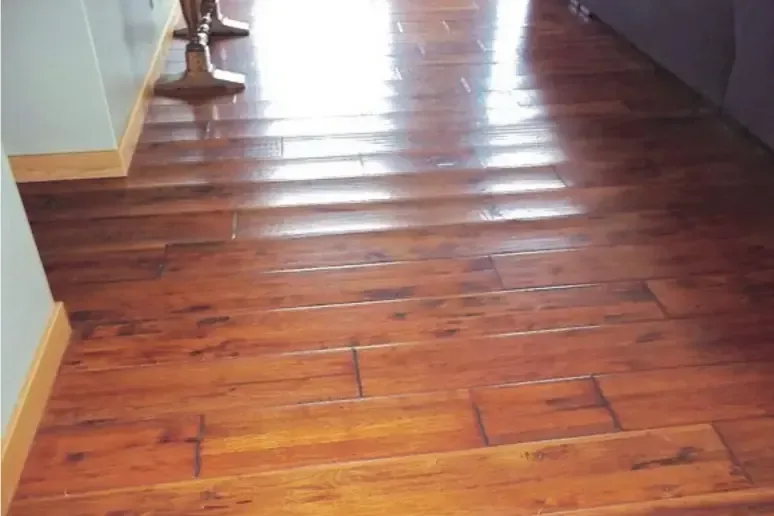
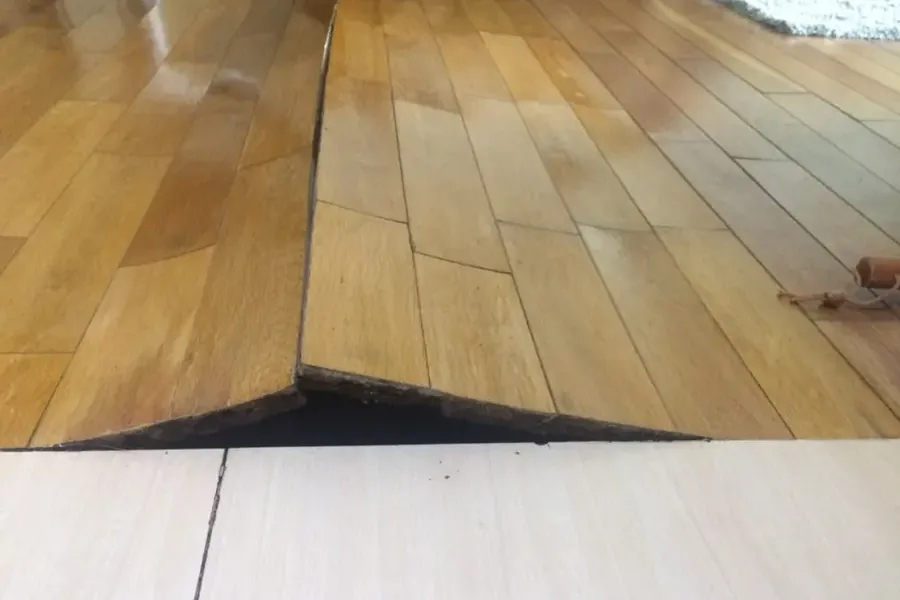
Initial extraction removes accessible liquid before this stage. Where boards are affected, hardwood recovery adds flooring-specific condition decisions. Structural drying then provides a record of the retained assembly that repair contractors can use when planning closure or replacement finishes.
The endpoint should be explained through material condition, reference observations and remaining limitations in access. Final notes identify what was dried, what was removed and any source or reconstruction work still outstanding. That record is more useful than judging completion solely by how warm the room feels or how loud the equipment sounds.
Sherman structural drying response
Structural drying assessments include Pecan Grove and Shepherd's Place, with material construction, concealed access and the extent of retained moisture defining the equipment and monitoring plan.
The same service nearby: structural drying in Anna, Howe, Van Alstyne.
Water damage restoration in Sherman · every town coveredRelated water damage services in Sherman
Structural Drying questions
1Is a dry feeling room enough?
No. Room comfort and surface feel do not describe moisture inside every layer. Material readings and accessible cavity observations help determine whether retained assemblies still need drying.
2Why is equipment placed in an adjoining room?
Water may have reached connected surfaces beyond the original puddle. The moisture map can identify those areas and explain why the drying arrangement extends through a doorway or partition.
3Can occupants move the air movers?
Equipment placement affects air delivery to wet surfaces. Access or comfort concerns should be discussed before changes so the arrangement can be adjusted while preserving the intended drying work.
4Why do some wall sections need openings?
Enclosed wet surfaces may receive little useful airflow. Selective access can expose retained materials, allow insulation assessment and make repeatable moisture checks possible where a closed finish obstructs them.
5Does every material dry at the same pace?
No. Thickness, construction and access influence moisture removal. Readings across the actual materials help explain different responses and determine whether the equipment or access approach needs adjustment.
6What confirms readiness for repairs?
Source status, suitable material readings and a documented repair boundary support the decision. The intended replacement finish may have additional installation requirements for the contractor to assess.
Measure the assembly before closing the repair
A material map and clear access plan make equipment decisions and the final repair handoff easier to understand.