Frozen Pipe Water Damage in Sherman
A frozen section can conceal a break until water moves through it again. Sherman thaw damage cleanup starts with safe plumbing isolation, then follows any released water into cavities, ceiling layers and adjacent floor assemblies.
(888) 527-9134Discuss water released during thawing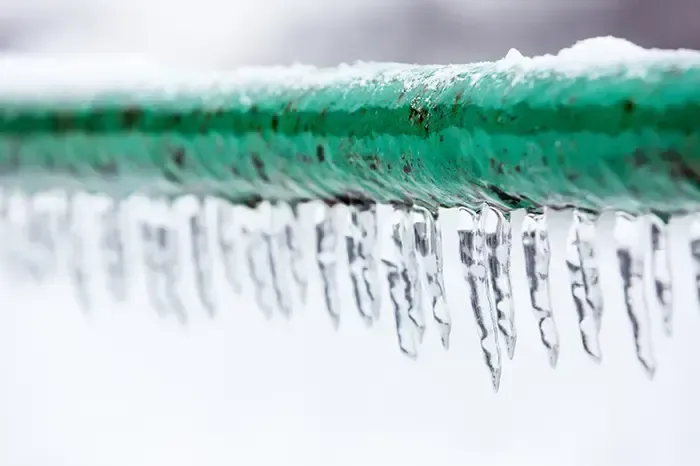
First steps for frozen pipe water damage
- 1Arrange safe plumbing isolation
A suspected frozen or damaged section needs appropriate assessment before flow is restored. Use only a safely accessible shutoff and leave uncertain source conditions to plumbing personnel.
- 2Avoid improvised thawing methods
Do not apply open flame or uncontrolled heat near pipes and building materials. Keep the area accessible for a safe source assessment rather than attempting a hazardous thaw.
- 3Track newly appearing water separately
Note the order of drips, stains and puddles as conditions change. Several locations may need inspection even if the first visible release has already been stopped.
- 4Protect rooms beneath affected ceilings
Keep people away from sagging finishes and wet electrical fixtures. Photograph visible changes only from safe positions while the source and overhead condition are assessed.
What does frozen pipe water damage cost in Sherman, TX?
Frozen pipe cleanup costs in Sherman depend on release locations, wet insulation and concealed spread. These planning ranges cover mitigation scope, while plumbing repair and replacement room finishes should be identified separately in writing.
- Limited floor saturation
- Accessible source area
- Focused drying equipment
- Wet insulation access
- Enclosed framing assessment
- Selective finish removal
- Separate release locations
- Connected room damage
- Complex drying coordination
Planning ranges depend on water category, affected square footage, material class and how quickly drying starts. The water damage cost calculator compares scope assumptions; the property inspection sets the work required.
How frozen pipe water damage proceeds
- 1
Connect plumbing findings with room damage
The assessment records source isolation and the locations where water emerged, then checks connected ceilings, wall cavities and floor edges for the actual extent of the release.
- 2
Stabilize accessible water and finishes
Standing liquid is removed after safe access is established. Wet insulation and damaged finishes are assessed for selective removal or openings needed to reach retained building materials.
- 3
Dry the affected retained assemblies
Equipment addresses exposed recoverable surfaces, with material readings tracking progress. Areas that remain enclosed or show continued moisture require further access or source assessment as appropriate.
- 4
Document source and restoration endpoints
The final account distinguishes plumbing repair from drying results and reconstruction needs, preserving a clear record of affected areas and materials before replacement finishes close the inspected assembly.
The moment a pipe begins flowing again can reveal damage that was not visible while it remained frozen. For a Sherman property with a thaw release, the first tasks are to isolate the affected plumbing and identify every place water appeared. A stopped drip at one location should not replace inspection of the connected system.
Keep thawing and supply restoration controlled
Westwood Village and O'Hanlon Ranch are established in-town neighborhoods. An affected house needs a plumbing assessment based on the installation present, including inaccessible sections and the route to a safe shutoff. Open flames or improvised heating near building materials create additional hazards and should not be used to address frozen plumbing.
The owner can describe changes in flow, sounds of running water and the sequence of new stains. Those observations help the plumbing professional investigate the release while restoration inspection maps the rooms and materials reached. Supply restoration should be coordinated with the source repair rather than used as an informal test of the building.
- Record each new drip or damp area separately so multiple release locations remain visible in the loss account.
- Keep occupants away from wet electrical fittings and ceilings that swell after water begins moving through the system.
- Describe any plumbing sections that remain inaccessible so the source assessment includes those limitations from the beginning.
Look for water released into cavities
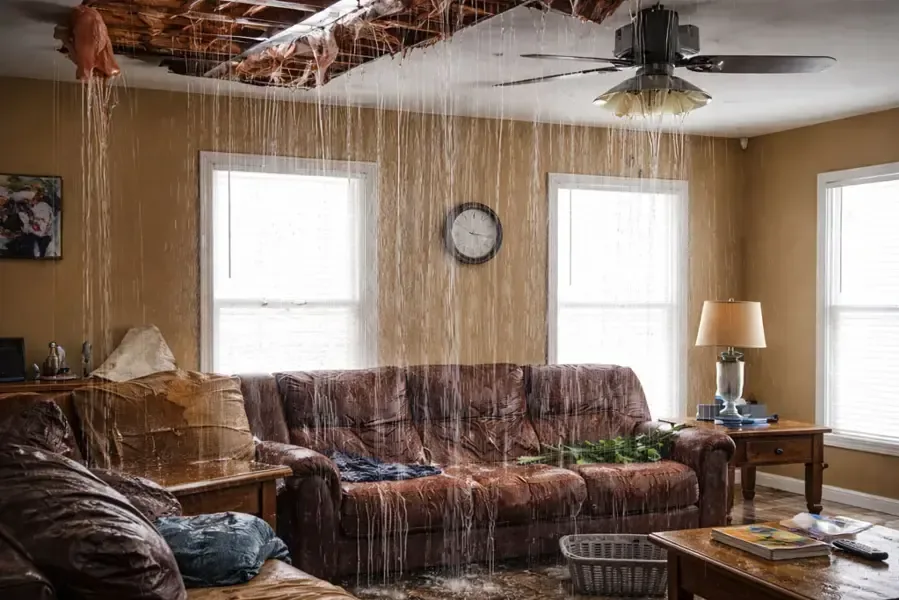
Heritage Ranch is a newer community option in the city. At an affected property there, the inspection follows the actual pipe route and room arrangement. A thaw release above a ceiling can wet insulation before reaching the room, while a lower wall break can saturate floor edges and nearby cabinets.
Visible water removal helps expose the remaining problem, but enclosed layers can stay wet afterward. Selective openings may be needed to inspect insulation and framing. Those openings should be justified by condition or access, with photographs preserving the damaged area before source repairs and material removal change its appearance.
- Inspect adjoining closets and wall bottoms when water disappears beneath trim or emerges away from the suspected pipe.
- Compare accessible material readings with dry reference locations rather than assuming a cold surface is necessarily saturated.
- Keep source repair records together with the room moisture map so plumbing and restoration decisions remain connected.
Move from thaw response to building recovery
Burst pipe restoration explains the wider cleanup path after a sudden supply release. For affected overhead assemblies, ceiling leak cleanup addresses safe access and wet insulation. Each connected area needs a condition assessment before equipment placement and repair planning are finalized.
The repair handoff should identify the source correction, materials removed and retained assemblies that were dried. It should also describe any unfinished access openings or separate plumbing work. This keeps the end of the freeze event distinct from the completion of interior recovery, where moisture measurements and material condition remain the practical decision points.
Sherman frozen pipe water damage response
Thaw damage assessments include Pecan Grove and Shepherd's Place, with plumbing access, release locations and the building layers reached by escaped water determining the cleanup scope.
The same service nearby: frozen pipe water damage in Anna, Howe, Van Alstyne.
Water damage restoration in Sherman · every town coveredRelated water damage services in Sherman
Frozen Pipe Water Damage questions
1Can a frozen pipe leak only after thawing?
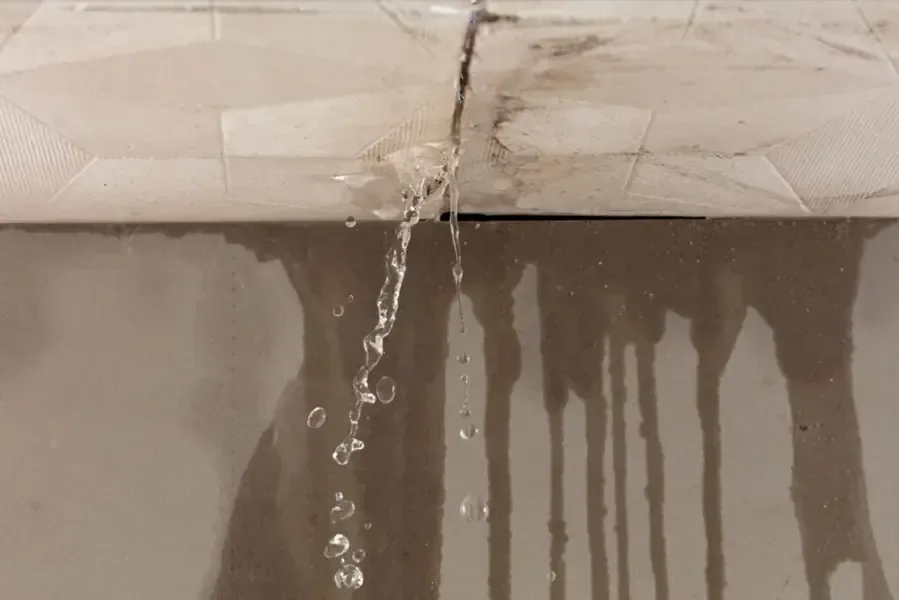
A damaged section may release water when flow returns. Plumbing assessment and safe isolation are needed before restoring pressure, especially when new stains or dripping appear during the thaw.
2Does stopping one leak settle the whole inspection?
Other connected areas may still need assessment. Recording separate drips and room changes helps the plumbing and restoration inspections identify the actual extent of the release rather than one visible exit.
3Should a homeowner use flame to thaw a pipe?
Open flame near plumbing and building materials creates additional hazards. Appropriate plumbing personnel should assess the frozen section and determine a safe approach to source control and repair.
4Why can insulation stay wet after the puddle is gone?
Insulation can retain water above a ceiling or inside a wall. Its condition and access need separate assessment after accessible liquid has been removed from the occupied room.
5Can cold surfaces affect a moisture assessment?
Surface conditions need interpretation alongside appropriate material readings and reference areas. A useful assessment identifies the actual assembly rather than relying only on touch or the appearance of condensation.
6When can the damaged room be repaired?
Source correction and suitable conditions in retained materials come first. The drying record should identify remaining openings and replacement needs so reconstruction follows the actual recovery of the affected assembly.
Check the building after plumbing flow returns
Separate observations of drips, stains and affected rooms help organize the source repair and concealed moisture inspection.