Storm Flood Cleanup in Sherman
Floodwater leaves more than a wet floor behind. Sherman storm cleanup considers the entry path, sediment, exposed belongings and contaminated materials before establishing a safe sequence for removal, cleaning and controlled drying.
(888) 527-9134Discuss outside water entry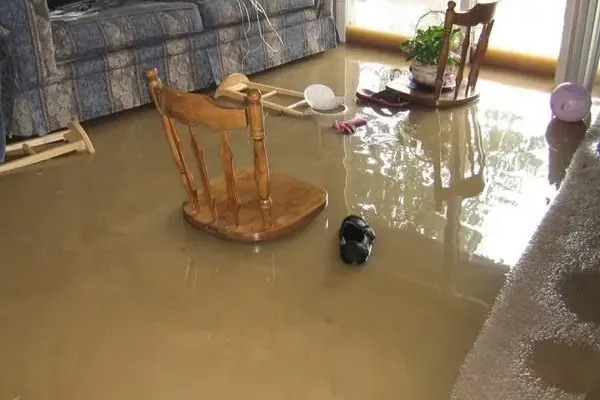
First steps for storm flood cleanup
- 1Wait for safe building access
Avoid entering floodwater around electrical equipment or uncertain flooring. The return to an affected room should follow an assessment of current access and utility conditions.
- 2Record the entry from dry ground
Photograph exterior water marks and accessible openings when safe. Include which rooms were reached and whether water remains beneath an affected portion of the building.
- 3Separate wet and dry belongings
Leave flood contacted items apart from unaffected possessions. Moving contaminated contents through clean rooms can expand the cleanup area and complicate later disposal decisions.
- 4Keep loss details organized
List affected contents by room and retain photographs before removal. Written notes about entry, sediment and visible damage help explain the proposed cleanup scope.
What does storm flood cleanup cost in Sherman, TX?
Sherman flood cleanup estimates depend on contaminated area, sediment, affected materials and access beneath or inside the building. These planning ranges vary with the removal, cleaning and drying tasks documented during inspection.
- Localized water contact
- Accessible sediment removal
- Limited finish disposal
- Connected contaminated areas
- Contents handling needs
- Multiple drying zones
- Broad material damage
- Complicated access routes
- Substantial cleaning scope
Planning ranges depend on water category, affected square footage, material class and how quickly drying starts. The water damage cost calculator compares scope assumptions; the property inspection sets the work required.
How storm flood cleanup proceeds
- 1
Assess exposure and safe routes
The inspection identifies the outdoor entry path, contacted surfaces and access restrictions, then plans how equipment and debris can move through the property.
- 2
Extract and remove unsuitable materials
Liquid removal is coordinated with decisions about contaminated porous materials. Controlled handling opens retained assemblies without treating every wet item as equally recoverable.
- 3
Clean accessible retained surfaces
Sediment and residues are addressed before the drying arrangement is finalized. The method follows material condition and exposure, including adjoining surfaces reached by the floodwater.
- 4
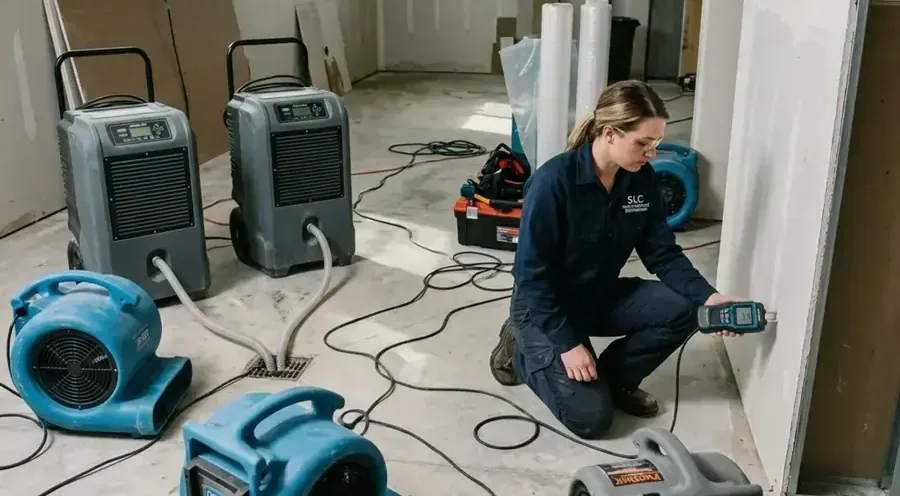
Measure the retained assembly
Drying progress is documented across the remaining materials, with inaccessible areas and repair needs clearly identified before reconstruction or normal use of affected rooms resumes.
February 2026: Sherman flash flooding stranded vehicles and caused water damage to some properties. North Harrison Avenue had vehicles stuck in high water. On Western Hills Drive, residents described runoff entering a yard and passing underneath a house. Street flooding and water beneath a building present different access and inspection problems during cleanup.
Document the route from outdoors
Flood restoration begins by identifying where water entered and the surfaces it contacted. A doorway, low opening or affected space beneath a floor may each require a different approach. The inspection records sediment, water marks and damaged contents while keeping people away from uncertain electrical conditions or structurally unsafe areas.
Sherman officials have described retention and detention ponds in new developments as a way to hold runoff temporarily. At an affected property, cleanup still follows the observed entry and spread. The room record should connect exterior observations with interior damage so source conditions and material decisions remain understandable later.
- Keep photographs of visible entry points and water marks without walking through hazardous exterior or interior floodwater.
- Separate items touched by floodwater from dry belongings before any movement through unaffected rooms is considered.
- Describe water below a floor as a separate access issue when arranging the building assessment.
Remove contamination as well as liquid
Clear-looking water can still require contamination precautions when it entered from outside. Absorbent finishes, insulation and belongings need condition-specific decisions. Controlled removal protects cleaner spaces and exposes retained materials for cleaning. The owner should receive a reason for each disposal decision rather than a single undifferentiated demolition allowance.
Businesses along Texoma Parkway may also need an inventory record that distinguishes stock, fixtures and building materials. Customer areas, storage and staff routes can require different access restrictions. Cleaning equipment and removed debris should travel along a planned route to reduce contact with unaffected areas of the property.
- Cleaning needs can continue after extraction because sediment and residues remain against floors, wall bottoms and contents.
- Porous materials with contamination or physical damage may be unsuitable for recovery through air movement alone.
- Protected staging areas help keep salvaged contents separate from debris awaiting removal from the affected building.
Establish a measured recovery boundary
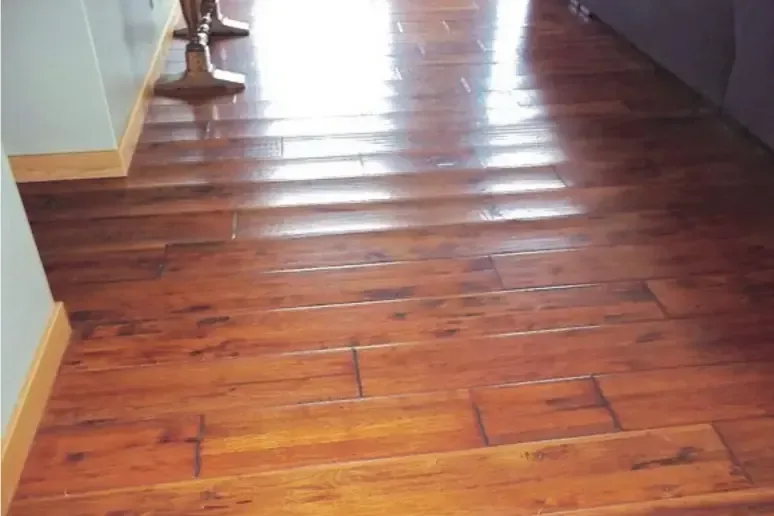
Accessible water removal is one part of the sequence. Once cleaning and removal decisions are addressed, building drying focuses on retained materials. Readings should include connected surfaces and any safely accessible layers below the original entry area, rather than only the middle of the flooded room.
The closing record should identify the flood path, materials discarded, surfaces cleaned and assemblies still awaiting repair. Owners can pair that record with photographs and source observations for insurance discussions. Rebuilding follows the actual condition of the retained assembly, with separate attention to any exterior drainage or entry repair needs.
Sherman storm flood cleanup response
Flood cleanup planning includes properties in Pecan Grove and Northwest Sherman, with observed entry routes, affected contents and safe access determining the scope at each building.
The same service nearby: storm flood cleanup in Anna, Howe, Van Alstyne.
Water damage restoration in Sherman · every town coveredRelated water damage services in Sherman
Storm Flood Cleanup questions
1Does outdoor water need different handling?
Yes. Floodwater can carry sediment and contamination. Cleanup considers exposure and material condition before choosing cleaning methods, removal boundaries or an ordinary drying arrangement inside the affected building.
2Can a household fan dry a flooded room?
Air movement alone does not remove contamination or trapped debris. The room first needs assessment of its source, safe access and materials requiring cleaning or controlled removal.
3Should wet belongings be thrown away immediately?
Unsafe items should not be handled casually. Where safe, photographs and a room inventory can preserve the loss record before condition assessments and disposal decisions are made.
4Why inspect beneath an affected floor?
Water can remain in connected layers or accessible spaces below the visible room. Those locations may require separate removal and drying measures after the walking surface appears clear.
5Does new development drainage prevent every loss?
Property cleanup follows actual water entry and damage. Drainage features do not replace inspection of the building, its low openings and the materials reached during a flood.
6When is reconstruction ready to begin?
Source conditions, necessary cleaning and retained material moisture must be assessed first. The drying record and removal boundary then support a clear handoff to the repair contractor.
Plan cleanup around the actual exposure
Entry points, sediment and the rooms reached provide a useful starting account for the property assessment.