Roof Leak Water Damage in Sherman
Rainwater may pass through an attic before a ceiling shows its first stain. Sherman roof leak restoration connects the entry investigation with inspection of insulation, framing and finishes along that interior route.
(888) 527-9134Discuss rain inside the building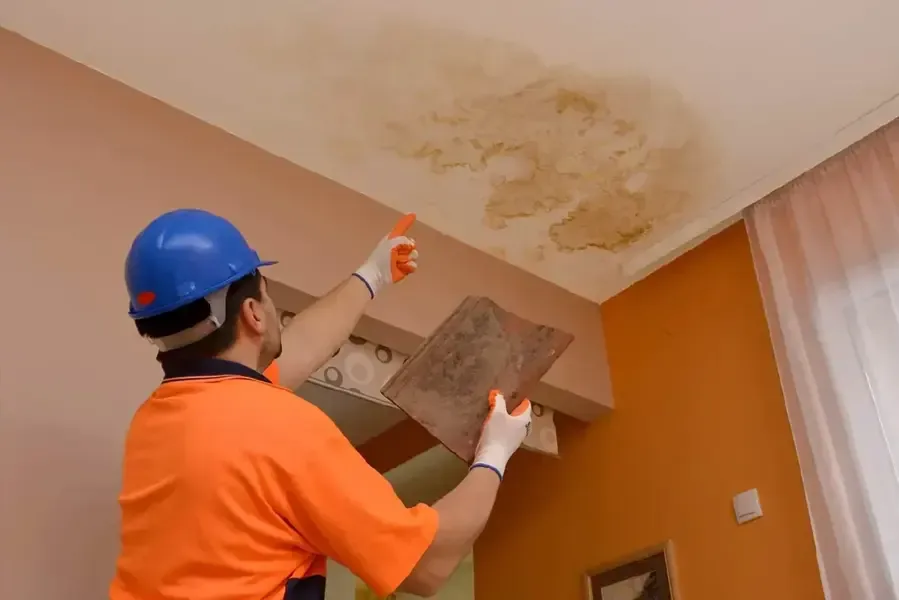
First steps for roof leak water damage
- 1Track the rain and stain timing
Note when the stain changes and whether dripping continues after rainfall stops. Photograph the ceiling from a safe area to preserve the visible sequence.
- 2Keep occupants below clear areas
Avoid seating or storage beneath unstable finishes. Wet electrical fixtures and bulging drywall require restricted access until appropriate professionals assess the room condition.
- 3Coordinate exterior source assessment
Arrange roofing attention for the suspected entry while describing interior damage separately. Wet attic layers need material checks after the visible dripping has stopped.
- 4Retain the affected material record
Document visible insulation, ceiling and wall damage as access becomes available. Keep the source repair description with restoration notes before replacement finishes close the assembly.
What does roof leak water damage cost in Sherman, TX?
Roof leak mitigation in Sherman is shaped by attic access, wet insulation and the interior area reached by rain. These ranges describe cleanup and drying considerations; exterior roof repairs and finish replacement require separate scope clarification.
- Localized interior staining
- Accessible wet materials
- Limited drying equipment
- Insulation condition decisions
- Framing moisture checks
- Connected ceiling access
- Extensive interior spread
- Multiple concealed surfaces
- Complex access arrangements
Planning ranges depend on water category, affected square footage, material class and how quickly drying starts. The water damage cost calculator compares scope assumptions; the property inspection sets the work required.
How roof leak water damage proceeds
- 1
Relate entry to room damage
Inspection connects roofing findings with interior staining and accessible attic moisture, identifying the affected assembly rather than assuming the drip marks the exterior opening.
- 2
Assess layers above the finish
Insulation, framing and the back of ceiling materials are examined where safely accessible. Condition and retained moisture determine the need for selective openings or removal.
- 3
Control the interior drying environment
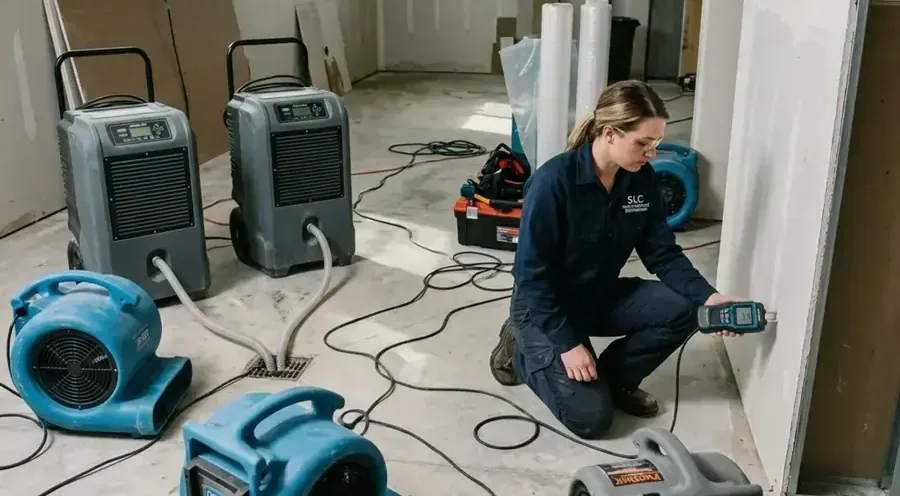
Air movement and dehumidification address exposed recoverable materials after source control. Repeat readings indicate whether hidden contact surfaces need a change in the approach.
- 4
Outline the remaining repair work
The handoff distinguishes roof repair status, drying observations and replacement needs, so ceiling and insulation work follows a documented assessment of the affected interior materials.
A ceiling stain that changes during rain can help establish the timing of a roof leak, but the roofing opening may sit elsewhere above it. Sherman has a humid subtropical climate. Interior restoration needs to identify the materials wetted by the actual event and coordinate their drying with correction of the exterior entry point.
Connect the roof finding with interior damage
In Downtown Sherman, pre-1950 houses form part of the housing mix. At any affected house, attic access and the layers above the occupied room shape the inspection. A roofing assessment identifies exterior repair needs, while interior observations show where water has collected, traveled or soaked into absorbent materials.
- Record whether staining changes during rainfall and which ceiling or upper wall areas become visibly wet.
- Leave attic entry to suitable personnel when wet decking, electrical hazards or uncertain walking surfaces limit safe access.
- Protect the room below without placing occupants beneath sagging drywall or loose overhead finish materials.
Address insulation and hidden contact surfaces
Heritage Ranch and Shepherd's Place are newer community options in the city. A newer setting still calls for a property-specific inspection of the roof leak route. Water may collect against insulation or pass along framing, leaving wet surfaces outside the boundary of the first visible interior stain.
Insulation that holds water can obstruct drying of adjoining materials. The assessment should identify which layers remain serviceable and which need removal for condition or access reasons. Wet wall tops, closet ceilings and trim joints deserve attention when rainwater has traveled beyond the most obvious room.
- Compare accessible framing readings with suitable dry reference locations before deciding that overhead materials are ready for closure.
- Keep source repair photographs with the interior record so the entry point and damaged rooms remain connected.
- Check furnishings and flooring beneath drips after the ceiling condition has been made safe for access.
Finish the interior after source correction
Overhead restoration addresses unstable finishes and wet layers below the attic. Where framing remains damp, structural drying tracks its response to equipment. Those tasks should be coordinated with the roofer so recurring entry does not saturate newly exposed or repaired materials.
The final work record separates exterior correction from the interior drying result. It should identify retained framing, insulation removed and finishes awaiting replacement. This gives the repair contractor a clear description of the open assembly and helps the owner understand which tasks remain before the room returns to normal use.
Sherman roof leak water damage response
Roof leak cleanup discussions include Austin Landing and Westwood Village, with exterior source status, attic accessibility and the affected interior rooms considered together during planning.
The same service nearby: roof leak water damage in Anna, Howe, Van Alstyne.
Water damage restoration in Sherman · every town coveredRelated water damage services in Sherman
Roof Leak Water Damage questions
1Can the roof leak be away from the stain?
Yes. Rainwater can travel along concealed surfaces before entering the room. The roof inspection and interior moisture map should be connected rather than relying on stain position alone.
2Is an attic inspection always safe for an owner?
Wet surfaces, wiring and uncertain footing can make access unsafe. Appropriate personnel should assess those conditions before anyone enters the affected overhead area to inspect damage.
3Does a roof patch dry the insulation?
A source repair limits new entry. Insulation already holding water still needs a separate condition assessment and may require removal to reach and dry adjacent materials.
4Why check nearby closet ceilings?
Water can move beyond the open room into enclosed spaces. Closets and upper wall corners may conceal damp finishes that receive little air movement during ordinary room drying.
5Can ceiling paint go on after rain stops?
Painting should follow source correction and suitable material conditions. The end of rainfall does not remove water retained in ceiling layers, insulation or the framing above.
6What belongs in the repair handoff?
Source repair notes, opened ceiling areas, insulation decisions and moisture observations should travel together. They help the next contractor understand what was affected and what still requires replacement.
Connect exterior repairs with interior recovery
Attic access, stain timing and affected room details help define the next steps for drying and repair coordination.