Sewage Backup Cleanup in Van Alstyne
A returning drain changes the priorities inside a wet room. Restricted access, source diagnosis and controlled handling come before drying so wastewater residue and exposed materials do not spread through unaffected areas.
(888) 527-9134Discuss wastewater inside the property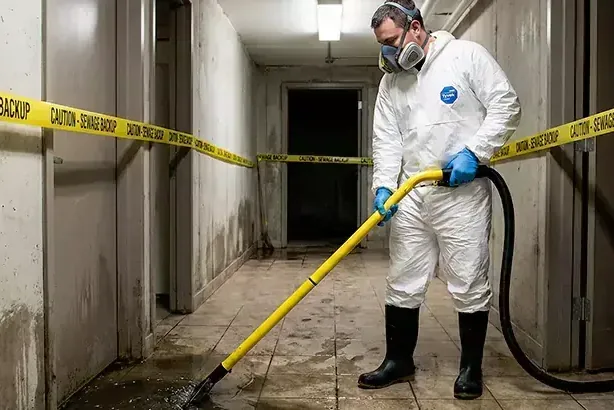
First steps for sewage backup cleanup
- 1Keep occupants outside the exposure
The affected room should remain separate from everyday activity. Children, pets and unnecessary foot traffic need another route while wastewater source and cleanup decisions are made.
- 2Avoid adding more wastewater
If fixture use contributes to the backup, further use should pause pending diagnosis. A plumbing professional can assess the affected drain system and appropriate source correction.
- 3Report public utility symptoms
Suspected public wastewater issues can be raised with Public Works, with after hours emergencies received by VAPD Dispatch. Interior contamination still needs its own assessment and cleanup plan.
- 4Document without entering the room
Photographs from a dry safe position can show the initial boundary. Exposed belongings should remain separated until handling, cleaning or disposal decisions are established for their materials.
What does sewage backup cleanup cost in Van Alstyne, TX?
Sewage backup cleanup in Van Alstyne depends on contamination spread, porous material removal and access to retained surfaces. Estimates should show protective handling, extraction, cleaning and drying distinctly from drain repair and the replacement of damaged finishes.
- Restricted room exposure
- Accessible surface cleaning
- Limited porous removal
- Floor and wall contact
- Additional removal handling
- Connected cleaning areas
- Extensive contaminated finishes
- Difficult concealed access
- Expanded drying scope
Planning ranges depend on water category, affected square footage, material class and how quickly drying starts. The water damage cost calculator compares scope assumptions; the property inspection sets the work required.
How sewage backup cleanup proceeds
- 1
Define the contaminated work area
The crew establishes affected rooms, access controls and a removal route. The source status and the materials contacted by wastewater shape the protective approach before extraction begins.
- 2
Remove liquid and unsuitable finishes
Wastewater is extracted and exposed porous materials are assessed. Selective removal reaches contaminated layers that cannot be adequately cleaned while covered by flooring, trim or other finishes.
- 3
Clean accessible retained surfaces
Appropriate methods address residue on materials suitable to remain. The inspection checks edges and cavities so a visibly clear floor does not conceal an unfinished contamination pocket.
- 4
Dry and document remaining materials
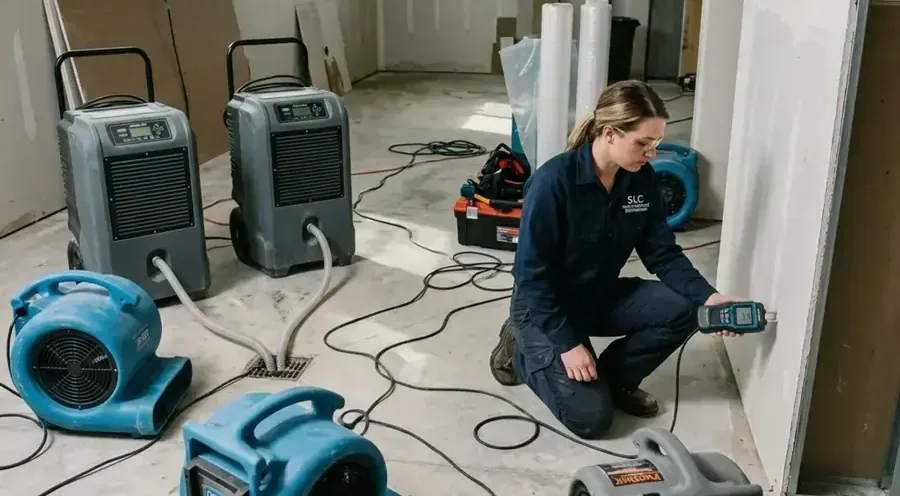
After preparation, equipment manages moisture in retained assemblies. Measurements and material condition records support the repair plan, along with confirmation that the cause of the wastewater return is addressed.
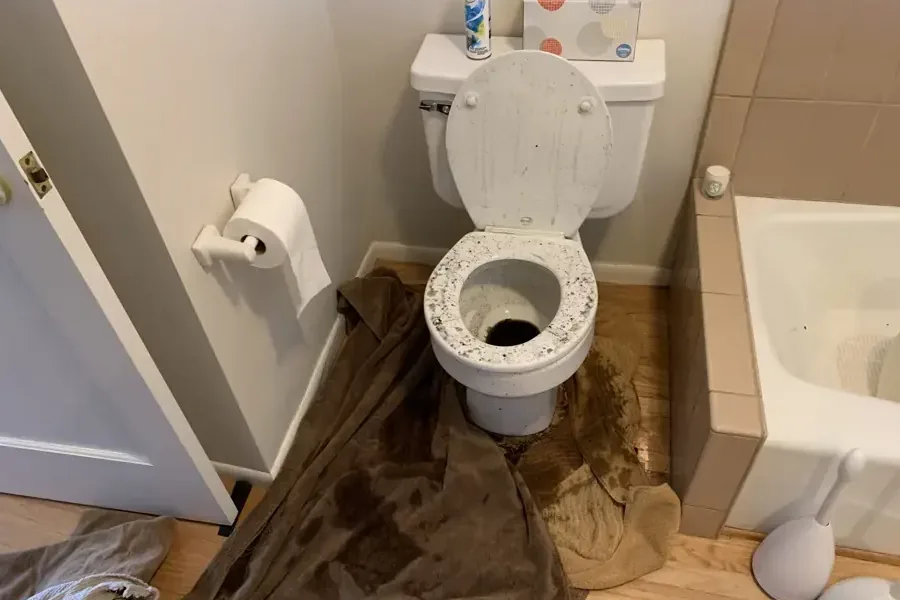
Sewage inside a Van Alstyne property requires more than removing a visible pool. Wastewater can contact floor edges, wall bases and stored belongings, leaving a cleanup boundary larger than the initial puddle. Restricting traffic helps preserve unaffected rooms while the source and material exposure are assessed.
Report the drainage problem and assess the building
Public Works handles wastewater collection and treatment, and VAPD Dispatch receives after hours water and sewer emergencies. A suspected public system issue should be reported through the appropriate channel. The indoor cleanup remains a separate task, with plumbing diagnosis identifying the cause of any private drain problem.
Location descriptions may use SH 5, FM 121 or US 75. The first building details should identify the lowest affected fixture, rooms receiving wastewater and whether flow continues. Occupants should avoid unnecessary fixture use when it adds to the return and keep children and pets away from the exposure.
- Soft floor coverings can hold wastewater below the visible surface and require a removal decision.
- Wall bases and cabinet backs may hide contamination where ordinary surface cleaning cannot reach.
- Contents moved through a clean room can expand the affected handling area.
Choose retention based on cleanability and condition
Porous finishes exposed to sewage often need removal to reach cleanable underlying surfaces. Retained hard materials require appropriate cleaning, and inaccessible pockets need deliberate access. The crew should explain these decisions so the owner can understand why an intact looking finish may still be unsuitable to leave installed.
A fixture limited release may be discussed through toilet overflow cleanup, while broader sewage exposure requires a room by room boundary. Photographs and an item list should document affected belongings before removal. Protective measures should also consider the route used to carry discarded materials out of the building.
Dry what remains after contamination work
Cleaning prepares the retained assembly for a useful drying assessment. Structural drying can then address absorbed moisture in accessible materials with controlled evaporation and recorded readings. Odor reduction or a visibly clean floor cannot substitute for those material checks.
- Keep the removal list connected to the rooms and materials actually exposed.
- Identify any closed cavity that still prevents adequate cleaning or moisture assessment.
- Schedule replacement finishes after source correction and the retained assembly condition are documented.
The final scope should connect the drain diagnosis, contamination work and drying endpoint. This makes the handoff to repairs clearer and helps prevent a repaired drain from being mistaken for a completed building cleanup.
Van Alstyne sewage backup cleanup response
Van Alstyne sewage assessments begin with affected fixtures and the indoor exposure boundary. Property access and continuing wastewater flow help coordinate the cleanup discussion with appropriate plumbing or public utility reporting.
The same service nearby: sewage backup cleanup in Anna, Howe, Sherman.
Water damage restoration in Van Alstyne · every town coveredRelated water damage services in Van Alstyne
Sewage Backup Cleanup questions
1Can a household vacuum remove sewage?
Ordinary household equipment is unsuitable for sewage handling. The exposure needs appropriate protective measures, extraction methods and cleaning decisions that also account for contaminated porous finishes and contents.
2Who receives an after hours utility report?
VAPD Dispatch receives after hours water and sewer emergencies. Public Works handles wastewater collection and treatment, while cleanup inside a damaged property requires a separate building assessment and work scope.
3Does a cleared drain finish the problem?
Clearing the drain addresses flow, but wastewater may remain in floor layers or wall cavities. Cleaning, material removal and drying decisions still need to follow the actual indoor exposure.
4Why remove a finish that looks intact?
Sewage can penetrate porous materials or remain behind a covering. A material may retain its shape while preventing adequate cleaning of the layers underneath or holding contamination within itself.
5Can belongings be carried into another room?
Exposed contents need controlled handling so residue is not transferred to clean areas. Their material and condition determine whether cleaning, isolated storage or disposal is the appropriate next step.
6When does ordinary drying equipment become useful?
Drying should follow contamination assessment and suitable removal and cleaning. The remaining structure can then be measured and dried without treating untreated wastewater exposure as a simple clean water spill.
Connect drain correction with building cleanup
A controlled assessment defines removal, cleaning and retained material drying before replacement finishes conceal the affected floor and wall assemblies.