Burst Pipe Water Damage in Van Alstyne
A split supply pipe can keep feeding a wall cavity while water appears elsewhere. The cleanup starts by stopping that release, then tracing the path through ceilings, partitions and adjoining floor layers.
(888) 527-9134Discuss a spreading pipe release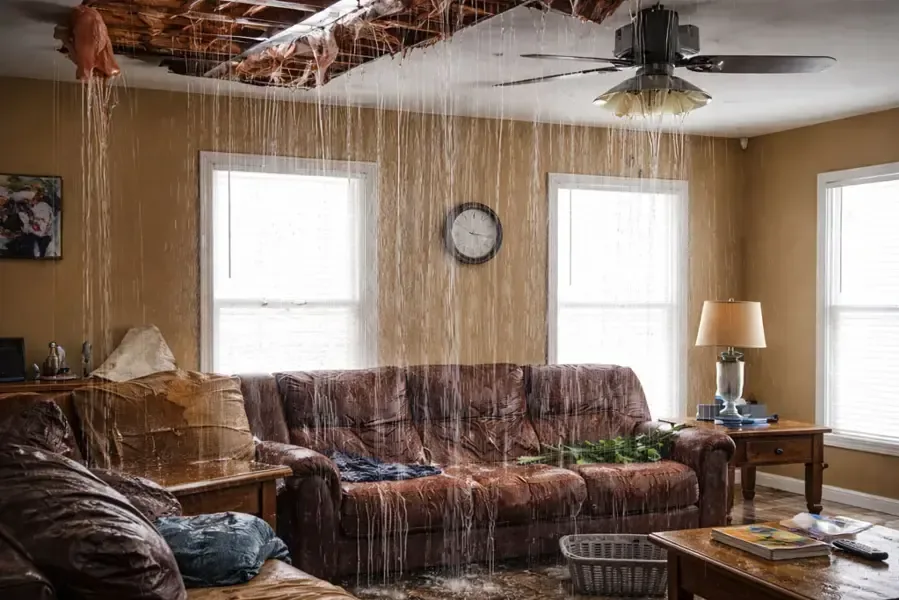
First steps for burst pipe water damage
- 1Locate a safe shutoff
A reachable valve can limit the release if the route is dry and safe. Occupants should avoid reaching through pooled water or unstable ceiling debris.
- 2Separate people from hazards
Keep access clear around wet fixtures and sagging panels. Children and pets need another route while electrical concerns and overhead stability receive appropriate assessment.
- 3Note the release pattern
Record the first affected room and any later stains or pooling nearby. These observations help trace a concealed path without disturbing wet building materials.
- 4Coordinate repair and cleanup
Explain whether plumbing repair is scheduled or complete. The extraction crew needs to know if water remains active before equipment placement and cavity drying begin.
What does burst pipe water damage cost in Van Alstyne, TX?
Burst pipe cleanup in Van Alstyne can range from a contained room loss to concealed damage across several assemblies. The estimate should distinguish plumbing correction from extraction, access openings, retained material drying and subsequent finish replacement.
- Accessible wet finishes
- Limited floor pooling
- Simple drying setup
- Connected cavity moisture
- Selective insulation removal
- Multiple equipment positions
- Broad concealed spread
- Complex access requirements
- Additional moisture monitoring
Planning ranges depend on water category, affected square footage, material class and how quickly drying starts. The water damage cost calculator compares scope assumptions; the property inspection sets the work required.
How burst pipe water damage proceeds
- 1
Map the connected loss
Inspection follows the pipe location toward wet ceilings, wall bases and floor transitions. Readings help separate affected assemblies from surfaces that remained dry nearby.
- 2
Remove collected liquid
Extraction reduces pooling below the break and water held in accessible coverings. Contents are protected or relocated so remaining moisture can be assessed.
- 3
Reach obstructed materials
Selective removal gives access to soaked insulation or enclosed cavities when needed. The opening plan should support drying and preserve sound, recoverable finishes.
- 4
Track the response
Measurements are repeated at identified locations. Drying equipment is adjusted when a material stalls, and finish work follows the documented condition of retained layers.
The loudest symptom of a burst pipe may be water striking a ceiling, but the longest water path can run sideways inside a partition. For a Van Alstyne property, the first assessment should connect the damaged plumbing with every room that received its release. Stopping the pipe prevents new damage; it does not remove the water already absorbed.
Distinguish the utility from the private failure
Public Works handles water utility operations and quality. The city receives treated surface water from North Texas Municipal Water District, with Greater Texoma Utility Authority managing the delivery system. A broken pipe inside a property requires its own shutoff and plumbing diagnosis. Water appearing inside walls needs a building cleanup scope alongside that repair.
US 75, SH 5 and FM 121 are useful location references when describing the property. The important interior details are where the first noise or drip appeared, whether the supply has been shut off and which fixtures or rooms lost normal use. These observations help direct the inspection toward the concealed pipe and its surrounding materials.
- A safe shutoff limits additional release before anyone tries to expose the damaged section.
- Wet electrical devices and bulging overhead panels require restricted access around the affected room.
- Photos of the initial spread help connect ceiling stains with pooling on the floor below.
Inspect beyond the opening made for repair
A plumber may need only a small opening to replace a damaged section. Restoration can require a wider moisture investigation because water travels along framing and collects at lower edges. Insulation, cabinet bases and layered floors deserve individual checks. Removing an intact looking finish should follow a clear access or material condition reason.
The ceiling water damage page addresses the safety and drying questions raised when a release reaches overhead materials. Where liquid has pooled below, water extraction reduces the amount available to soak farther into the building. These tasks can overlap once safe access is established.
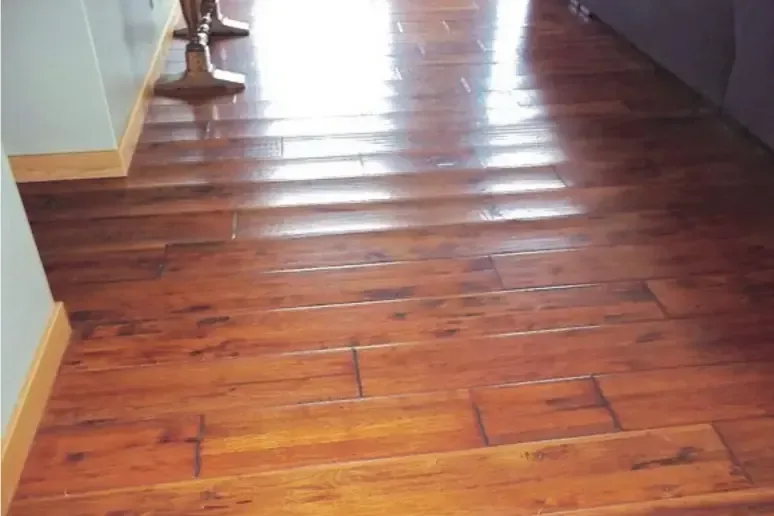
- Doorway transitions can reveal water crossing into an adjoining room beneath a continuous covering.
- Wall bases can remain saturated after the upper repair opening feels dry to the touch.
- Fixed shelving can hide damp finishes and obstruct the airflow needed for retained materials.
Keep the plumbing result and drying result separate
A repaired pipe should be checked by the appropriate plumbing professional before normal operation resumes. The restoration record then follows moisture in the affected building assemblies. Equipment needs to reach the wet layers, and follow up readings should show whether those layers are responding or need another access decision.
Replacing trim or closing a wall too early can hide moisture that still requires attention. The final scope should record which materials were removed, what remained and how the drying endpoint was assessed. This gives the owner a clearer basis for scheduling finish repairs after the release itself has been corrected.
Van Alstyne burst pipe water damage response
For a Van Alstyne pipe release, the location conversation can use ZIP 75495 and the nearest major corridor before focusing on shutoff status and affected interior rooms.
The same service nearby: burst pipe water damage in Anna, Howe, Sherman.
Water damage restoration in Van Alstyne · every town coveredRelated water damage services in Van Alstyne
Burst Pipe Water Damage questions
1Does a repaired pipe mean restoration is finished?
The repair stops the source. Absorbed water may remain in framing, insulation and flooring, so the building still needs moisture checks before openings are closed or finishes replaced.
2Why did water appear away from the break?
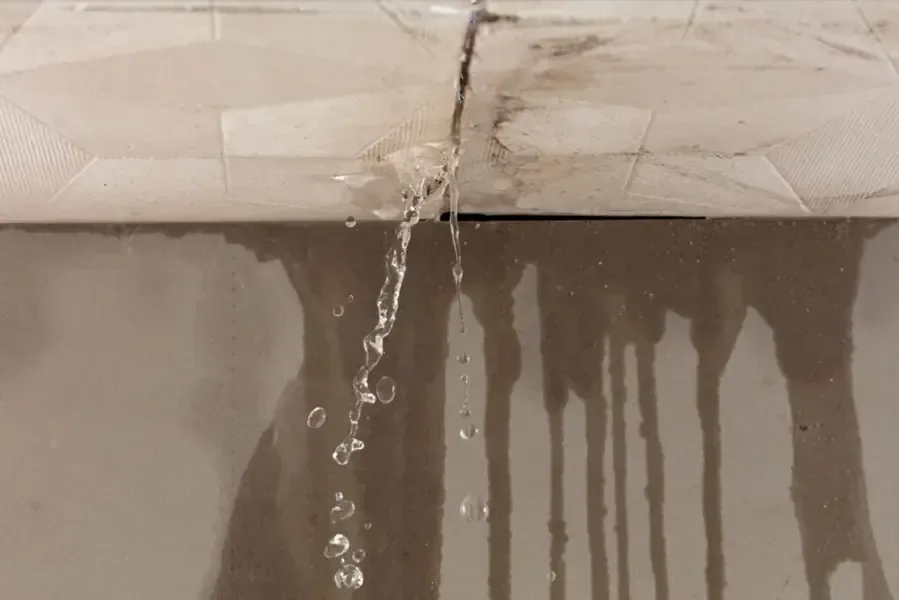
A concealed release can follow framing and collect at a lower edge. The visible drip may mark an exit point rather than the exact location of the damaged pipe.
3Should a ceiling be opened immediately?
Only after stability and electrical exposure have been assessed. A professional access decision considers trapped water, softened panels and the location of people or contents underneath the affected area.
4Can the public utility repair an indoor pipe?
Public Works manages public water operations. A private plumbing failure needs the appropriate property repair arrangement, while a restoration crew addresses extraction and the wet building materials left behind.
5Are all damp wall finishes removed?
Removal depends on contamination, physical condition and whether the cavity can dry effectively. Meter readings and access needs help identify a selective scope instead of an automatic full room removal.
6What documents help explain the work?
Useful records include the plumbing diagnosis, initial photographs, affected room map and moisture readings. An itemized cleanup scope also separates extraction and drying from later wall or flooring repairs.
Follow the release through the building
A focused assessment connects the plumbing repair with extraction, access needs and a practical drying plan for the affected materials.