Hardwood Floor Water Damage in Van Alstyne
Raised board edges tell only part of a wet floor story. Measurements through the wood and supporting layers help distinguish a drying opportunity from damage that requires selective removal or eventual replacement of the finish.
(888) 527-9134Discuss changes in wet boards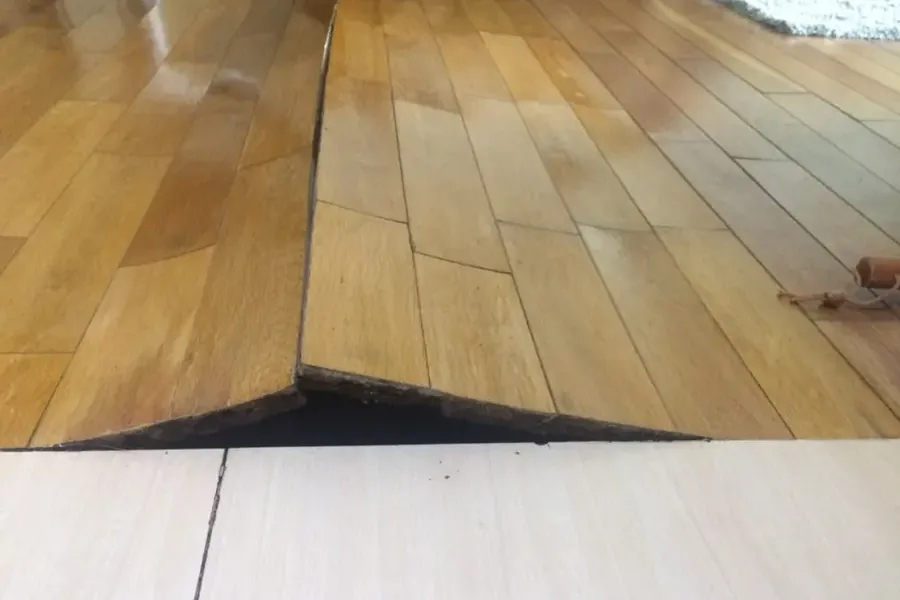
First steps for hardwood floor water damage
- 1Keep traffic off lifted sections
Raised or loosened boards can create unstable footing. Occupants should use another route while the floor condition and safe access for assessment are established.
- 2Identify the original water source
Describe the release and whether it has been corrected. The source and contact history help determine whether retaining the wood is appropriate before targeted drying is considered.
- 3Move surface coverings carefully
Dry rugs and lightweight belongings may be moved where access is safe. Heavy furniture and water exposed items need handling that avoids further damage to softened or lifted boards.
- 4Record changes in board shape
Photographs of cupping, gaps or buckling preserve the initial condition. Note where changes appear relative to thresholds and the original leak so concealed spread can be assessed.
What does hardwood floor water damage cost in Van Alstyne, TX?
Hardwood cleanup in Van Alstyne depends on the affected layers, drying access and physical condition of the boards. A scope should distinguish moisture work from refinishing or replacement, with any recovery limits explained before equipment placement begins.
- Limited board exposure
- Accessible dry references
- Simple moisture monitoring
- Specialized floor access
- Underlying layer checks
- Controlled room humidity
- Extensive board distortion
- Selective material removal
- Complex substrate moisture
Planning ranges depend on water category, affected square footage, material class and how quickly drying starts. The water damage cost calculator compares scope assumptions; the property inspection sets the work required.
How hardwood floor water damage proceeds
- 1
Compare the affected layers
The inspection considers board type, substrate and installation condition. Moisture readings in affected and suitable dry areas establish a basis for assessing the extent of water absorption.
- 2
Evaluate retention and access
Physical damage, contamination and attachment condition shape the recovery decision. Selective opening may be needed where covered layers prevent useful assessment or block an effective drying path.
- 3
Apply a targeted drying approach
Suitable retained flooring receives equipment matched to its construction and moisture condition. Humidity control supports evaporation while readings track both the visible wood and accessible underlying materials.
- 4
Hand off the finish decision
The final record identifies remaining distortion, material condition and moisture results. A flooring professional can use that information when planning sanding, localized replacement or a broader finish repair.
A wood floor in Van Alstyne may begin changing shape after the standing water has disappeared. Board edges can rise as moisture conditions vary through the assembly. An assessment should consider the source, duration of exposure and supporting layers before deciding whether targeted drying is practical or damaged sections need removal.
Read the whole floor assembly
US 75, SH 5 and FM 121 provide straightforward property location references. Inside the home, the important boundaries are flooring transitions, fixed cabinetry and the edges of the wet area. A continuous finish can carry water into an adjoining room while the first visible distortion appears near the original release.
- Readings in affected wood need comparison with appropriate dry reference materials in the building.
- The substrate may remain wet even when the exposed board surface feels dry underfoot.
- Lifted sections can create a trip hazard and should stay outside normal walking routes.
Choose a drying method that reaches the moisture
Where material condition and exposure allow retention, targeted systems can help pull moisture from a wood floor. Their usefulness depends on the assembly and access, not simply the area of visible cupping. Adhesive condition, enclosed layers and contamination can limit recovery even when the upper boards still look presentable.
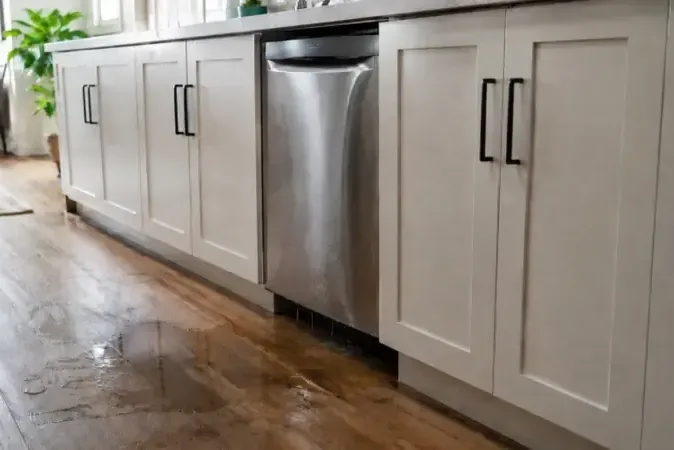
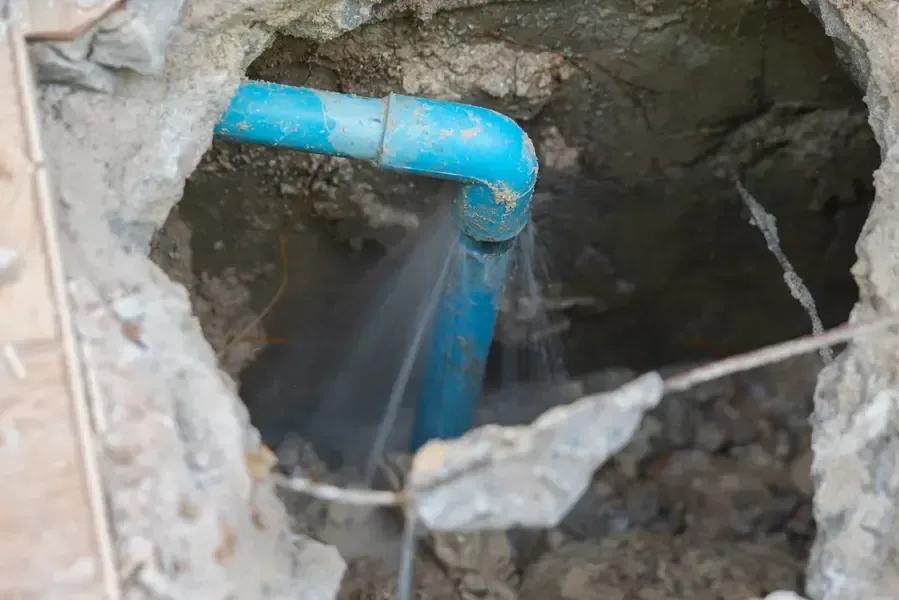
A kitchen source may connect with appliance leak cleanup, while moisture rising around a plumbing repair below concrete belongs with slab leak assessment. Identifying the source helps define the affected layers and prevents drying work from continuing while water still enters.
- Document the initial board shape and condition before equipment changes the appearance.
- Inspect under rugs and furnishings that may conceal a larger affected floor boundary.
- Explain any selective lifting needed to assess or expose a wet supporting layer.
Delay finish decisions until the condition settles
Sanding a floor while moisture differences remain can produce an unsuitable result as the boards continue changing. The flooring professional should use material condition and appropriate moisture information to plan refinishing or replacement. Restoration records help show the drying response and which sections could not reasonably be retained.
A good handoff identifies the source correction, measurement locations and remaining physical damage. That record separates a moisture problem from a finish problem. Owners can then plan the next flooring work around the actual assembly rather than assuming that removal of the puddle restored the boards.
Van Alstyne hardwood floor water damage response
Van Alstyne hardwood assessments focus on the affected floor system and connected rooms. Property access, covering transitions and the reported source help define which areas need measurements and condition checks.
The same service nearby: hardwood floor water damage in Anna, Howe, Sherman.
Water damage restoration in Van Alstyne · every town coveredRelated water damage services in Van Alstyne
Hardwood Floor Water Damage questions
1Does cupping always mean replacement?
Cupping signals a moisture imbalance, but recovery depends on construction, exposure and physical condition. Measurements and inspection help determine whether drying is reasonable or damaged sections need replacement.
2Can a floor feel dry while its base is wet?
Yes. The surface can lose moisture before the substrate or enclosed layers. A useful assessment compares multiple locations and materials instead of relying on touch or the absence of pooling.
3Should cupped boards be sanded immediately?
Refinishing should follow an appropriate moisture and condition assessment. Sanding while the assembly is still changing can leave an unsuitable surface once the wood responds to later drying.
4Do drying mats work on every installation?
Their suitability depends on the flooring system and the ability to move moisture from affected layers. Adhesion problems, contamination or severe distortion can change the recommended approach.
5Why inspect flooring in the next room?
Water can move beneath a continuous finish and cross thresholds. Adjacent readings help locate that spread, including areas where visible board distortion has not appeared at the time of inspection.
6What should the flooring repair handoff include?
The record should identify wet areas, drying results and remaining damage. Source correction and any removed sections also help the flooring professional plan replacement or refinishing around the actual condition.
Measure beneath the visible board damage
The assessment can distinguish targeted drying options from sections that need removal and provide a clearer basis for later finish work.