Commercial Water Damage in Van Alstyne
A wet business floor affects more than finishes. Access routes, equipment, stored goods and adjoining occupants all need consideration while the source is stopped and the affected rooms receive extraction and moisture assessment.
(888) 527-9134Discuss the affected business rooms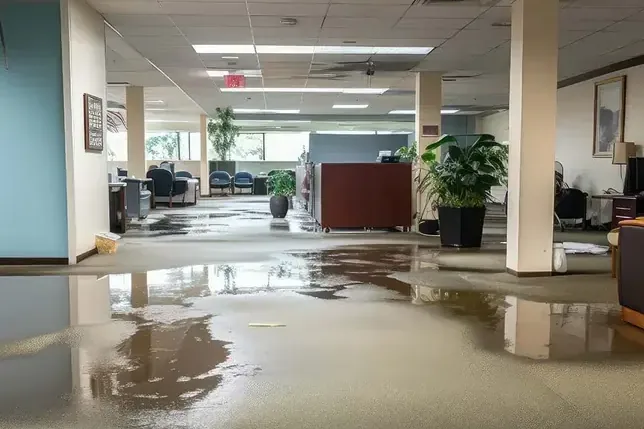
First steps for commercial water damage
- 1Identify the decision contact
An authorized property representative should coordinate access, source repair and contents handling. The first description should identify any tenant or building manager who controls entry to affected spaces.
- 2Keep staff outside unsafe areas
Wet electrical equipment, unstable ceilings and contaminated water can restrict access. Staff should avoid retrieving belongings through affected rooms until the appropriate safety and cleanup boundaries are established.
- 3Record rooms and critical contents
List the wet spaces and note equipment, documents or stored goods within them. Photographs taken safely can support the initial scope and later condition decisions for those items.
- 4Explain operating and entry constraints
Describe locked areas, access hours and routes used by occupants. These details help the crew arrange assessment and equipment positions around the building's safe movement and access needs.
What does commercial water damage cost in Van Alstyne, TX?
Commercial cleanup in Van Alstyne depends on affected rooms, contents handling and access to connected assemblies. A written estimate should identify operating constraints and distinguish extraction, removal, cleaning and drying from source repairs and the replacement of finishes.
- Limited room exposure
- Accessible wet finishes
- Simple contents protection
- Shared assembly checks
- Coordinated room access
- Multiple drying zones
- Extensive material handling
- Restricted equipment routes
- Broader monitoring needs
Planning ranges depend on water category, affected square footage, material class and how quickly drying starts. The water damage cost calculator compares scope assumptions; the property inspection sets the work required.
How commercial water damage proceeds
- 1
Map the loss with the contact
The inspection connects source findings, affected rooms and access responsibilities. Moisture readings and contents observations establish the scope across visible and concealed areas of the building.
- 2
Extract and protect the work area
Water removal proceeds with controlled contents handling and safe equipment routes. Contamination concerns or unstable materials receive appropriate attention before ordinary drying is introduced to the affected spaces.
- 3
Manage connected drying zones
Equipment is arranged for the wet assemblies, including partitions and floor layers. Repeated readings distinguish improving areas from sections that require further access or a change in approach.
- 4
Document the return to ordinary use
The handoff identifies completed drying areas and remaining repairs. Source correction and contents records help the property representative coordinate further work with affected occupants.
When water enters a Van Alstyne business, the cleanup plan needs to fit the building as well as the loss. A wet corridor can restrict movement to rooms that remain dry. Equipment and stored goods may need protection before extraction starts. The first conversation should identify an authorized contact who can coordinate access and decisions.
Define access and responsibility before moving contents
FM 121 runs east to west through the city and SH 5 runs north to south. Grayson College operates a south campus in the city, adding to the local community setting. For an individual business property, practical access information includes entry controls, loading arrangements and rooms that require a designated representative to unlock.
Shared walls, adjoining suites and connected service spaces can expand the inspection beyond the room where water first appeared. The scope should distinguish who authorizes work, who controls the source repair and which occupants need information about access restrictions. Clear responsibility prevents an unresolved decision from leaving wet materials inaccessible.
- Electrical equipment and powered workstations need assessment before staff attempt to retrieve or reconnect them.
- Stored documents and goods should be handled according to their material and water exposure.
- Safe passage around drying equipment must account for people using the unaffected parts of the building.
Organize extraction around the affected assemblies
Open floor water may be removed quickly, while partitions and covered floor layers retain moisture. A room map should connect visible damage with readings in adjoining spaces. Fixed counters, shelving and cabinetry can obstruct access, so their movement or selective opening should have a clear reason tied to inspection and drying.
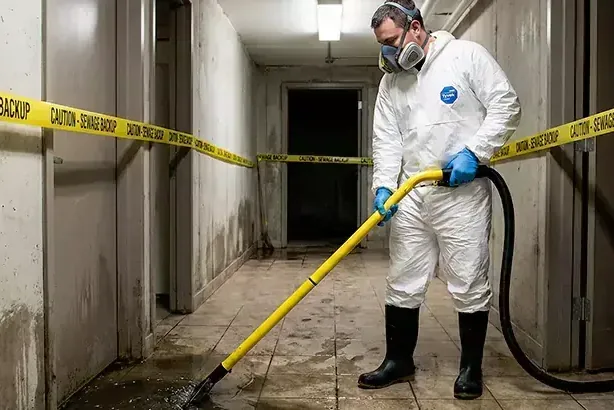
The water extraction service addresses bulk removal from accessible surfaces. If wastewater is involved, sewage cleanup introduces contamination controls before ordinary drying. The business cleanup plan should state the source and exposure conditions rather than assume every wet room can receive the same treatment.
- Label affected rooms consistently in photographs, moisture records and the estimate.
- Track contents moved out of a wet area so their location and condition remain clear.
- Identify work zones that need restricted access while damaged finishes are removed or cleaned.
Plan the repair handoff around usable space
Drying equipment placement should support the wet materials while respecting the safe circulation plan. Measurements show whether each assembly is responding and whether additional access is needed. The property contact should receive updates that explain scope changes and distinguish completed areas from those still under assessment.
Restoring ordinary use depends on safety, material condition and the remaining repair work. A written handoff can identify where equipment has been removed, what finishes still need replacement and which source corrections have been completed. This gives the business a practical basis for coordinating the next stage without treating a cleared floor as the end of every task.
Van Alstyne commercial water damage response
Van Alstyne commercial assessments consider the property contact, room access and connected wet assemblies. Corridor references and entry arrangements help coordinate inspection while the building condition determines the actual cleanup scope.
The same service nearby: commercial water damage in Anna, Howe, Sherman.
Water damage restoration in Van Alstyne · every town coveredRelated water damage services in Van Alstyne
Commercial Water Damage questions
1Who should authorize commercial cleanup work?
The business or property representative with appropriate authority should coordinate the scope. Building managers or other occupants may also control access to shared spaces needed for inspection and drying.
2Can unaffected rooms stay in use?
That depends on safe access, electrical conditions and contamination controls. The work plan should identify usable areas and restricted zones instead of assuming the entire building has one condition.
3Why inspect an adjoining suite?
Water can follow shared partitions or continuous floor layers. Access to connected spaces may be needed to establish the wet boundary and prevent an untreated pocket beyond the first room.
4Does moving equipment damage the loss record?
Photos and an item location record can preserve useful details before safe movement occurs. Contents handling should be coordinated so protection and access do not erase the starting condition.
5What makes commercial drying documentation useful?
Consistent room names, measurement locations and equipment records connect the estimate with the work. They also identify which assemblies have reached the planned endpoint and which still need attention.
6Are replacement finishes part of the same estimate?
The scope should state that clearly. Extraction, removal, cleaning and drying can be separated from rebuilding so the property representative understands the remaining work and responsibility for each stage.
Organize the loss by rooms and responsibilities
A coordinated assessment can connect extraction, contents decisions and measured drying with the building's safe access needs and remaining repair work.