Roof Leak Water Damage in Van Alstyne
A roof drip can stop when rainfall ends while the attic stays wet. Interior cleanup follows the rain path through insulation, framing and ceiling finishes after safe weather protection and source repair are arranged.
(888) 527-9134Discuss rain inside the ceiling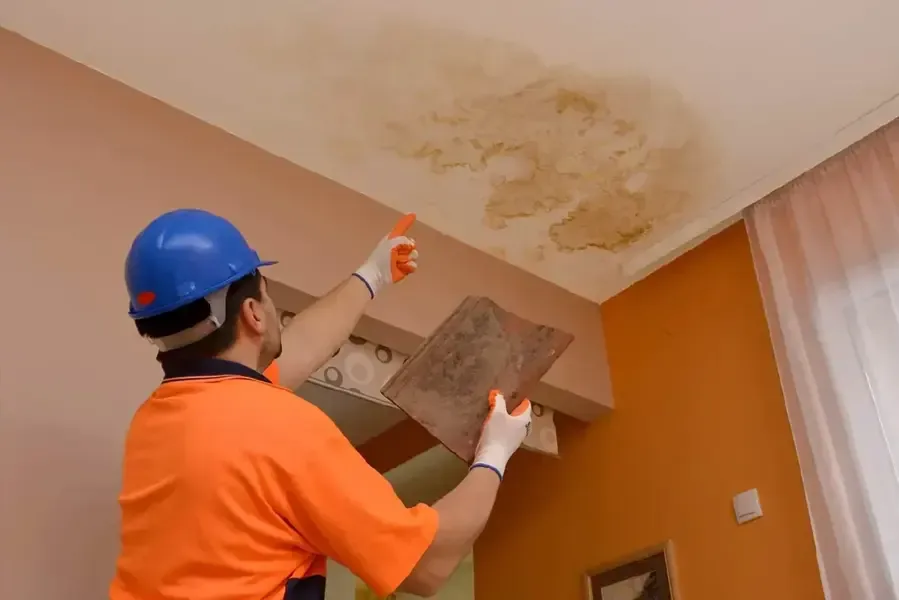
First steps for roof leak water damage
- 1Stay below a safe ceiling
Keep occupants away from bulging panels and wet fixtures. An overhead leak should be described from stable ground instead of investigated by climbing onto furniture or attic framing.
- 2Arrange rain entry control
Explain whether the roof is still admitting water and whether a roofing professional has assessed it. Temporary protection and permanent correction need a clear responsible party.
- 3Move accessible dry contents
Belongings outside the hazard area can be moved from the expected drip path. Wet or heavy items need handling suited to their condition and safe access.
- 4Document the rainfall connection
Note when rain and dripping occurred, then photograph visible marks. A record of changing stains helps the assessment follow water beyond the first room where it appeared.
What does roof leak water damage cost in Van Alstyne, TX?
Roof leak cleanup in Van Alstyne varies with attic access, saturated insulation and the rooms reached below. Interior estimates should separate removal and drying from roofing correction, replacement insulation and decorative repairs after moisture conditions are suitable.
- Accessible overhead patch
- Limited finish removal
- Localized drying arrangement
- Wet insulation handling
- Framing moisture checks
- Affected room surfaces
- Connected ceiling cavities
- Difficult attic access
- Expanded material removal
Planning ranges depend on water category, affected square footage, material class and how quickly drying starts. The water damage cost calculator compares scope assumptions; the property inspection sets the work required.
How roof leak water damage proceeds
- 1
Connect exterior and interior findings
The assessment links the reported roof problem with interior moisture readings. Access restrictions, unstable panels and the condition of attic insulation shape the initial cleanup scope.
- 2
Address saturated overhead materials
Wet finishes or insulation are removed selectively where condition and access require it. Retained framing is exposed enough to permit inspection and an effective drying approach.
- 3
Dry affected rooms and cavities
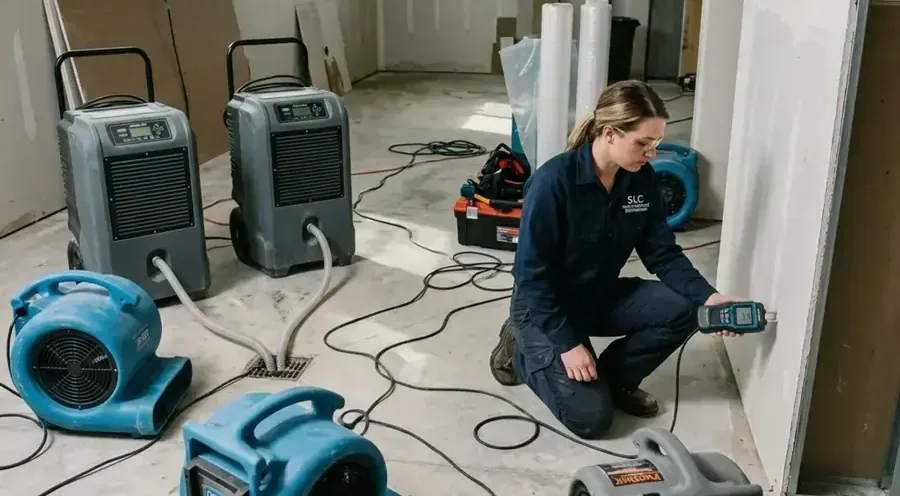
Humidity control and directed airflow support evaporation from accessible materials. The equipment arrangement includes lower surfaces when dripping water has spread into flooring or adjacent walls.
- 4
Prepare the repair handoff
The drying record identifies retained materials and their final condition. Roofing correction and interior readiness should both be addressed before replacement insulation and decorative finishes conceal the assembly.
Rain that enters a roof can spread along framing before reaching the room below. A Van Alstyne homeowner may notice a ceiling ring while insulation overhead holds much of the water. Interior restoration needs to account for that hidden load as well as the damaged paint or panel visible from the floor.
Arrange access without crossing unsafe surfaces
FM 121, SH 5 and US 75 help describe where the property sits. Once inside, attic entry, ceiling height and the position of wet electrical fixtures determine the inspection approach. Occupants should avoid climbing onto the roof or stepping across attic surfaces to follow a drip.
- A roofing professional can address temporary protection and the work needed to correct rain entry.
- Sagging ceiling sections require a separate stability assessment before activity resumes underneath them.
- Photographs from a dry room can preserve the visible pattern without entering the attic.
Check the insulation before closing the ceiling
Wet insulation can conceal both the direction and extent of a roof release. Its condition, contamination and drying practicality determine whether it can remain. Removing affected material may expose damp framing farther from the visible stain, so the inspection should extend along the water path instead of ending at a neat repair opening.
The ceiling leak service explains decisions about softened panels and overhead fixtures. If water has reached the room floor, the scope also needs extraction and surface checks there. A roof repair and an interior dry out solve different parts of the same incident.
- Record the roof repair status so a new entry event can be distinguished from retained moisture.
- Inspect wall tops and adjoining ceiling bays when readings suggest lateral water travel.
- Keep attic storage away from wet materials and the equipment access route where safe.
Measure progress after the weather clears
Dry outdoor weather does not automatically dry a concealed ceiling assembly. Air circulation and humidity control must reach the wet materials that remain. Structural drying uses repeated readings to show whether the exposed framing and surrounding finishes are responding to the chosen arrangement.
Before replacement insulation or ceiling finishes are installed, the scope should establish suitable conditions in the retained assembly. The record can include source repair findings, areas opened and moisture trends. That sequence helps avoid hiding a wet pocket behind fresh board after the visible drip disappears.
Van Alstyne roof leak water damage response
Van Alstyne roof leak cleanup planning includes attic entry, ceiling condition and the roofing repair status. The property location helps arrange access while the interior water path defines the work.
The same service nearby: roof leak water damage in Anna, Howe, Sherman.
Water damage restoration in Van Alstyne · every town coveredRelated water damage services in Van Alstyne
Roof Leak Water Damage questions
1Why is the stain away from the roof opening?
Water can run along roof framing and drip at another point. Interior inspection follows the wet path rather than assuming that the ceiling mark sits directly below the entry.
2Does roof repair remove attic moisture?
It controls new entry but leaves absorbed water behind. Insulation, framing and ceiling finishes need a separate condition assessment and drying plan after the roofing work is arranged.
3Can a homeowner walk into the wet attic?
Wet electrical equipment, limited footing and softened ceiling materials create hazards. The attic should be accessed by appropriate professionals with a clear plan for safe inspection and material handling.
4Is every ceiling stain removed with the panel?
Some sound panels may remain after suitable drying, while weakened sections need replacement. The material decision should follow inspection rather than the appearance of the stain alone.
5Will drying equipment reach through insulation?
Insulation can restrict access to wet framing and retain water. The crew should assess whether removal or another access arrangement is needed for the affected assembly to dry effectively.
6What belongs in a roof leak cleanup record?
Useful details include the source findings, affected attic areas, removal decisions and moisture trend. These connect the exterior correction with interior drying and the later replacement of finishes.
Account for the moisture above the room
An interior assessment follows the roof release through insulation and framing, then establishes the drying work needed before overhead finishes are restored.