Frozen Pipe Water Damage in Van Alstyne
A pipe that stopped flowing can begin leaking as ice thaws. The safe response combines supply control and professional plumbing assessment with checks for water entering wall cavities, ceilings and floor layers as circulation returns.
(888) 527-9134Discuss water appearing during a thaw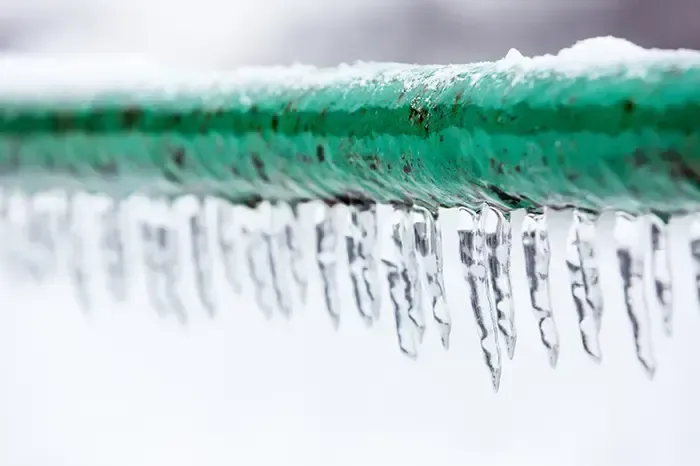
First steps for frozen pipe water damage
- 1Arrange safe supply control
A reachable shutoff can limit an active release when the route is safe. A plumbing professional should assess inaccessible or uncertain valves and the affected frozen pipe section.
- 2Avoid improvised high heat
Open flames and uncontrolled heating can create additional hazards around plumbing and finishes. The thawing approach should be selected by an appropriate professional who can also respond to a new leak.
- 3Watch for newly appearing water
From safe areas, note fresh dripping, pooling or stains as conditions change. Report those observations together with any earlier loss of flow so concealed releases receive attention.
- 4Keep repair access documented
Photographs of the opened cavity and damaged pipe can connect source findings with the wet materials. Dry belongings should stay away from the work route while inspection and extraction proceed.
What does frozen pipe water damage cost in Van Alstyne, TX?
Frozen pipe cleanup in Van Alstyne depends on concealed spread and access after the thaw release. Estimates should distinguish plumbing correction from extraction, wet material removal and the monitored drying needed before wall or ceiling repairs.
- Contained pipe area
- Accessible moisture checks
- Limited finish opening
- Wet insulation handling
- Connected cavity access
- Additional drying positions
- Broad hidden spread
- Several material types
- Expanded monitoring scope
Planning ranges depend on water category, affected square footage, material class and how quickly drying starts. The water damage cost calculator compares scope assumptions; the property inspection sets the work required.
How frozen pipe water damage proceeds
- 1
Establish the changing source condition
The crew coordinates with plumbing findings to determine whether water still enters. Safe access and newly wet rooms define the initial inspection and extraction priorities.
- 2
Trace release through connected materials
Readings follow dampness from the pipe opening into insulation, wall bases and flooring. Newly revealed areas are documented so the scope includes more than the visible plumbing repair location.
- 3
Remove water and expose wet pockets
Extraction handles pooling while unsuitable or obstructing materials receive selective removal. Access should support practical drying of retained framing and floor layers without unnecessary disturbance of sound finishes.
- 4
Verify drying after source correction
Equipment is adjusted around the wet assemblies. Follow up measurements connect the plumbing correction with material readiness before walls and ceilings are closed.
A freeze related pipe problem in Van Alstyne can change as thawing progresses. A section that appeared quiet may release water when flow resumes. The building assessment should account for that changing source condition, with plumbing control arranged before a wet cavity is treated as a stable drying area.
Avoid forcing the thaw with unsafe heat
Occupants should not use a torch or other open flame on frozen plumbing. A plumbing professional can assess the affected section and arrange an appropriate thaw and repair approach. Safe supply isolation limits the amount of water available to escape if a split opens while the system is being checked.
Public Works handles city water utility operations, while private building plumbing needs its own diagnosis. US 75, SH 5 and FM 121 are useful references for arranging property access. Inside, the relevant details include lost flow, the location of visible ice and the rooms where dripping or dampness appears as conditions change.
- A previously dry ceiling can develop a new drip when a concealed section begins releasing water.
- Several symptoms should be reported together so diagnosis does not stop at the first accessible break.
- Wet outlets and softened overhead materials require safe access decisions before inspection proceeds nearby.
Follow the water after the pipe is exposed
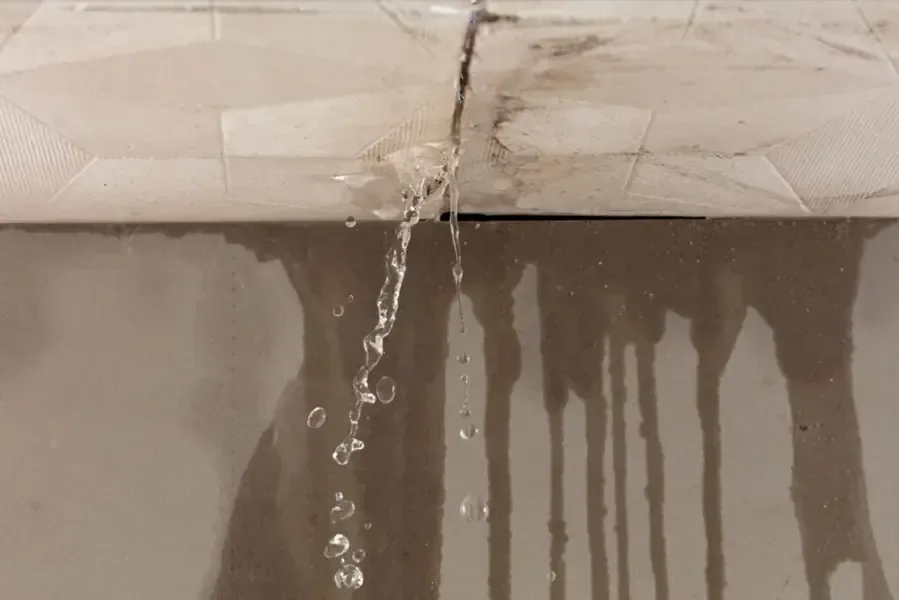
Opening a wall for repair can reveal wet insulation or framing that extends beyond the plumbing access point. Cleanup should trace the moisture boundary rather than use the repair opening as its limit. Floors and adjoining partitions need checks where water has drained downward or crossed under a continuous finish.
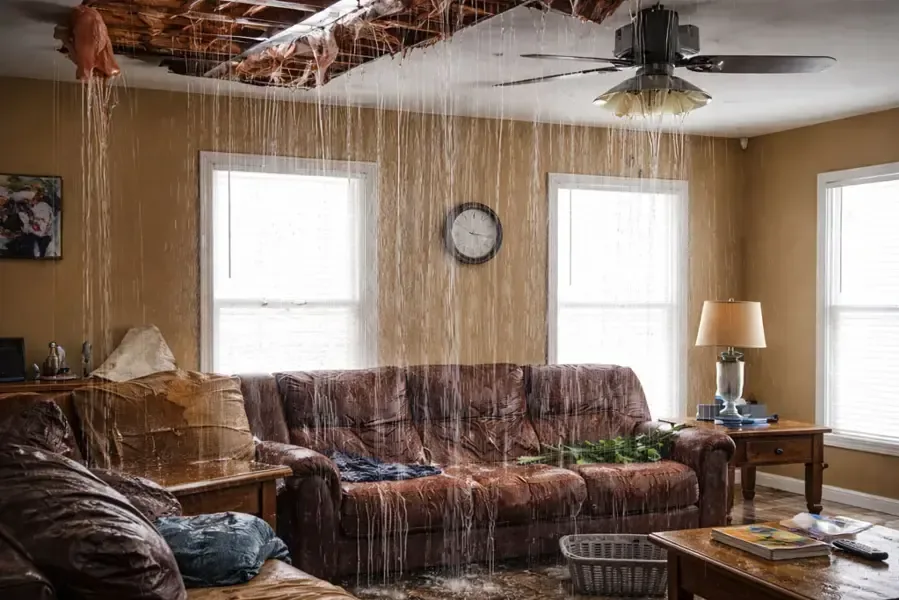
The burst pipe service explains how a supply release spreads through building assemblies. Where a thaw release has reached overhead finishes, ceiling leak cleanup addresses panel stability and the space above the room. Source repair and interior drying should remain clearly coordinated.
- Photograph wet insulation and exposed framing before removal changes the view inside the cavity.
- Record the plumbing repair status with any new dampness observed afterward.
- Inspect floor edges beneath the damaged pipe even when the main pooling occurred elsewhere.
Dry under stable building conditions
Once the release is controlled, extraction reduces the accessible liquid and drying equipment addresses absorbed moisture. The setup should account for room conditions and the ability to reach the wet assembly. Readings at repeatable points show whether retained materials are responding or require another access decision.
Finish replacement follows the condition of the building layers, not simply restored water flow at a faucet. A clear handoff identifies repaired plumbing, removed finishes and final moisture findings. This helps connect the thaw incident with the work still needed before walls and ceilings are closed.
Van Alstyne frozen pipe water damage response
Van Alstyne freeze related cleanup planning considers current flow, safe access and newly wet rooms. Property location and plumbing repair findings help coordinate an assessment of concealed material exposure after thawing.
The same service nearby: frozen pipe water damage in Anna, Howe, Sherman.
Water damage restoration in Van Alstyne · every town coveredRelated water damage services in Van Alstyne
Frozen Pipe Water Damage questions
1Can a frozen pipe leak only after thawing?
Yes. Ice can temporarily restrict flow through a damaged section. As it melts, water may escape into a cavity, so changing symptoms deserve prompt plumbing assessment and moisture inspection.
2Should a torch be used on frozen plumbing?
An open flame is unsafe around building materials and plumbing. Appropriate professional assessment should establish a controlled approach that accounts for access, source isolation and the possibility of a new release.
3Why check more than the first pipe opening?
Water can travel beyond the opening used for repair, and reported symptoms may involve other concealed areas. The restoration boundary should follow moisture readings and observed spread through the building.
4Does restored faucet flow show the building is dry?
Flow indicates a plumbing condition, not the moisture content of nearby finishes. Wall cavities, insulation and flooring need separate assessment after the source has been corrected and accessible water removed.
5Can wet insulation stay behind the repaired wall?
Its condition and the ability to dry the surrounding assembly determine that decision. Material removal may be needed to reach retained framing and prevent moisture from remaining trapped behind new finishes.
6What should be recorded after a thaw release?
The record should connect the plumbing diagnosis with affected rooms, exposed materials and drying readings. New symptoms after repair also deserve documentation so remaining source or moisture concerns can be assessed.
Follow new water into concealed building layers
An assessment can connect the plumbing correction with extraction and measured drying, including materials beyond the opening made to reach the damaged pipe.