Water Extraction in Van Alstyne
A puddle that returns after mopping often points to water held in adjoining materials. Extraction removes that accessible load while a separate inspection finds the source and concealed spread.
(888) 527-9134Discuss the pooled floor water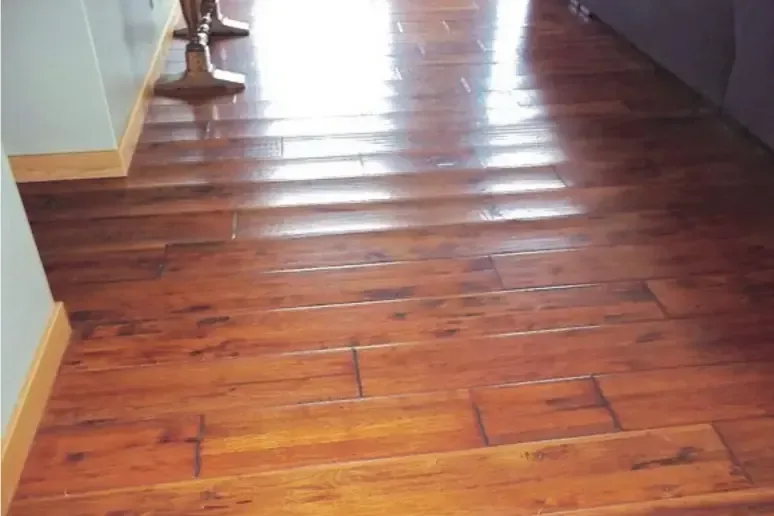
First steps for water extraction
- 1Keep the approach dry
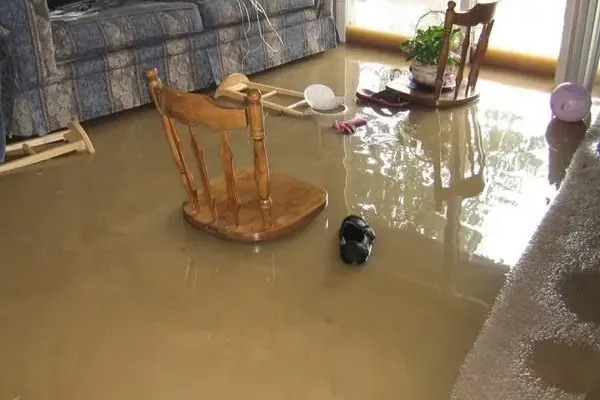
Occupants should avoid crossing standing water near electrical equipment. A dry access route gives the crew a safer starting position for evaluating the wet room.
- 2Control continuing inflow
An accessible supply shutoff can stop replenishment when it is safe to operate. Ongoing outside entry or sewage requires a different source response before unrestricted cleanup.
- 3Identify soaked contents
Describe rugs, furniture and stored items within the wet area. Their condition affects how the room is cleared and where protected contents can be placed.
- 4Record the first boundary
Photograph visible pooling from a safe position and identify rooms connected through open doorways. This preserves a useful starting record before extraction changes the appearance.
What does water extraction cost in Van Alstyne, TX?
Water extraction in Van Alstyne is priced around depth, affected area and access to retained water. Contamination, saturated cushioning and difficult equipment routes can expand the scope beyond a simple open floor removal.
- Open floor access
- Shallow collected water
- Limited contents handling
- Connected floor areas
- Saturated carpet layers
- Additional extraction passes
- Restricted equipment access
- Concealed water pockets
- Contaminated material handling
Planning ranges depend on water category, affected square footage, material class and how quickly drying starts. The water damage cost calculator compares scope assumptions; the property inspection sets the work required.
How water extraction proceeds
- 1
Assess the removal route
The crew checks the water source, room access and affected surfaces, then chooses collection equipment that can handle the material and contamination conditions present.
- 2
Extract open floor areas
Accessible pools are removed systematically, with attention to depressions, thresholds and saturated coverings that release additional water as extraction advances through the room.
- 3
Inspect covered edges
Floor transitions, wall bases and fixed furnishings receive closer checks for retained water. Any needed opening should have a clear purpose in the drying plan.
- 4
Transfer to moisture control
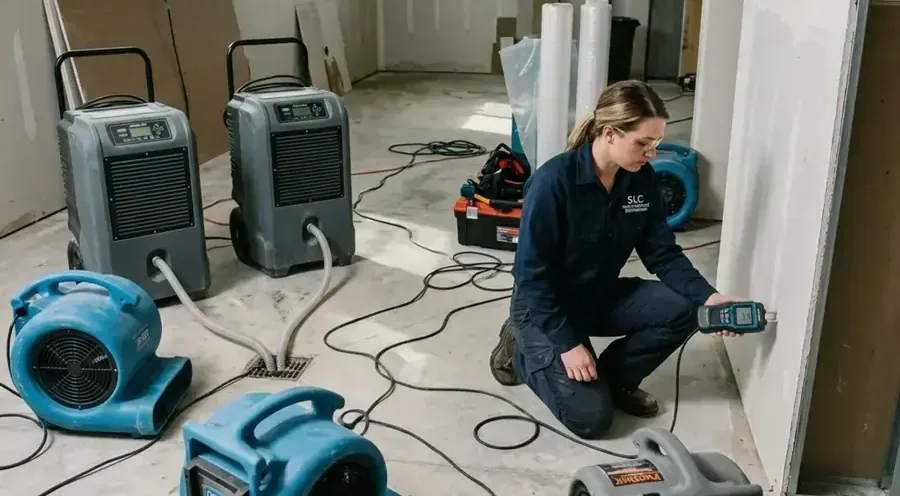
The remaining wet materials are documented and assigned a drying approach. Equipment placement and follow up measurements then address moisture that extraction could not remove.
In Van Alstyne, the first extraction decision concerns the room itself: water depth, electrical exposure and a safe place for removal equipment. A shallow pool over a hard surface behaves differently from a carpet that releases water under pressure. Both deserve inspection beyond the most obvious wet patch.
Describe access before moving equipment
US 75 runs through the western side of the city, SH 5 crosses north to south and FM 121 runs east to west. These corridors help identify access to a property. Inside, the useful details are stairs, narrow passages, locked rooms and whether the route to the wet area remains safe.
- Heavy pooling may need pumping before detailed surface extraction can reach the remaining shallow water.
- Saturated carpet needs attention to its backing and cushioning as well as the visible face.
- Water trapped below fixed cabinets can require a different access plan from an open hallway.
Remove the load before judging the finish
A vacuum pass changes the visible floor quickly. Underlying layers need separate inspection to locate moisture remaining beneath the cleared surface. Moisture readings along thresholds and wall bases help locate water that moved sideways. Lifting an edge or opening a limited section may be necessary when a covering blocks both inspection and evaporation.
Clear water from a newly stopped supply release and dirty outside water require different handling. A crew should identify the source before choosing what can remain. The storm water cleanup page explains why sediment and contamination can change removal decisions even when the floor covering appears intact.
- Photographs should capture the initial water boundary before extraction removes the visible reference.
- Movable contents need a dry destination that does not obstruct the equipment path.
- A recurring pool requires another source check instead of repeated removal without explanation.
Follow extraction with a measurable plan
Once bulk water is removed, evaporation from retained materials becomes the main task. Air movement and dehumidification should match the wet assemblies rather than simply fill the room with machines. Structural drying tracks that remaining moisture through readings and equipment adjustments.
The extraction record should identify the rooms reached, materials lifted and any areas still inaccessible. Those details help distinguish a cleared surface from a completed dry out. Repair planning becomes more useful when the remaining moisture and the condition of the underlying floor are understood.
Van Alstyne water extraction response
Van Alstyne properties in ZIP 75495 can describe access using the main corridors, then identify the wet rooms, entry restrictions and any continuing flow inside the building.
The same service nearby: water extraction in Anna, Howe, Sherman.
Water damage restoration in Van Alstyne · every town coveredRelated water damage services in Van Alstyne
Water Extraction questions
1Can mopping replace professional extraction?
Mopping handles a small surface spill. It does not remove substantial water held in carpet cushioning or concealed layers, where assessment and suitable extraction equipment may be needed.
2Must every wet carpet be discarded?
The water source, exposure and condition of backing matter. Cleanable carpet may remain in some circumstances, while contamination or damaged materials can make removal the appropriate choice.
3Why inspect the next room?
Water can travel through a doorway or beneath continuous flooring. Readings beyond the visible edge help identify connected wet areas before the extraction scope is considered complete.
4Does pumping also dry the building?
Pumping removes bulk liquid. Moisture absorbed by wood, wallboard or underlayment requires another stage of controlled evaporation, dehumidification and measurements to establish progress toward dry conditions.
5What if water keeps returning?
The source may still be active or an adjoining assembly may be draining. The crew should trace that replenishment before treating repeated pooling as an ordinary drying problem.
6Are photos still useful after removal?
Yes. Images of exposed layers and equipment positions supplement the initial loss photos. Moisture logs then provide information that a picture of the cleared floor cannot show.
Clear the pooling, then assess the layers
An extraction scope should identify the water source, affected surfaces and the concealed areas that need further moisture checks.