Appliance Leak Water Damage in Van Alstyne
A dishwasher puddle can be the visible edge of water beneath the cabinets. Appliance cleanup follows the connection and surrounding floor system, with equipment isolation arranged before any heavy unit is moved.
(888) 527-9134Discuss water beneath an appliance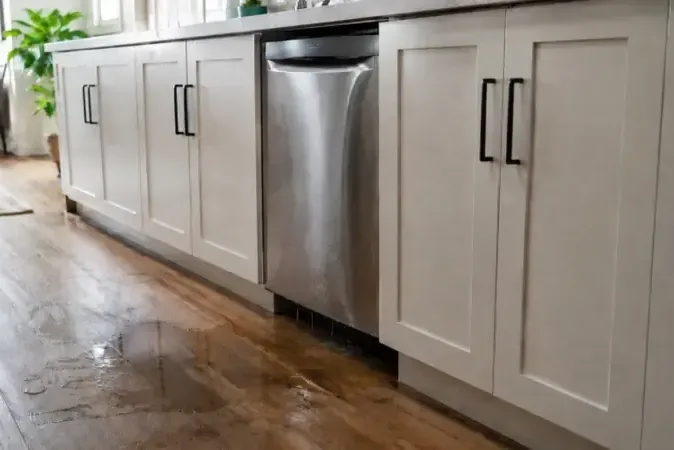
First steps for appliance leak water damage
- 1Pause use of the equipment
An appliance linked to new water should remain unused while the fault is assessed. Wet controls or plugs need appropriate electrical attention instead of direct handling.
- 2Describe the operating sequence
Note whether water appeared during filling, draining or after the cycle ended. These observations can help direct source diagnosis without running the appliance again to test it.
- 3Leave connected units secure
Pulling a heavy appliance can strain plumbing and worsen floor damage. Safe movement should be coordinated so the hidden footprint can be inspected without creating another release.
- 4Protect dry cabinet contents
Accessible belongings can be removed from dry shelves near the affected area. Keep exposed items separate and photograph swelling or staining before damaged panels are removed.
What does appliance leak water damage cost in Van Alstyne, TX?
Appliance leak cleanup in Van Alstyne is shaped by cabinet access and concealed floor moisture. The estimate should distinguish equipment repair from extraction, selective removal and drying of the surrounding building materials.
- Open wet footprint
- Limited contents moving
- Straightforward floor drying
- Cabinet base access
- Wet underlayment checks
- Targeted drying equipment
- Broader material damage
- Fixed installation obstacles
- Additional cavity monitoring
Planning ranges depend on water category, affected square footage, material class and how quickly drying starts. The water damage cost calculator compares scope assumptions; the property inspection sets the work required.
How appliance leak water damage proceeds
- 1
Match the fault to the spread
Source findings are connected with moisture at the appliance footprint, cabinet bases and floor transitions. The scope identifies which areas need access before useful drying can begin.
- 2
Remove accessible trapped water
Extraction reaches the open floor and exposed equipment space. Contents and damaged finish pieces are handled as needed to reach water held behind or beneath the installation.
- 3
Dry the surrounding assembly
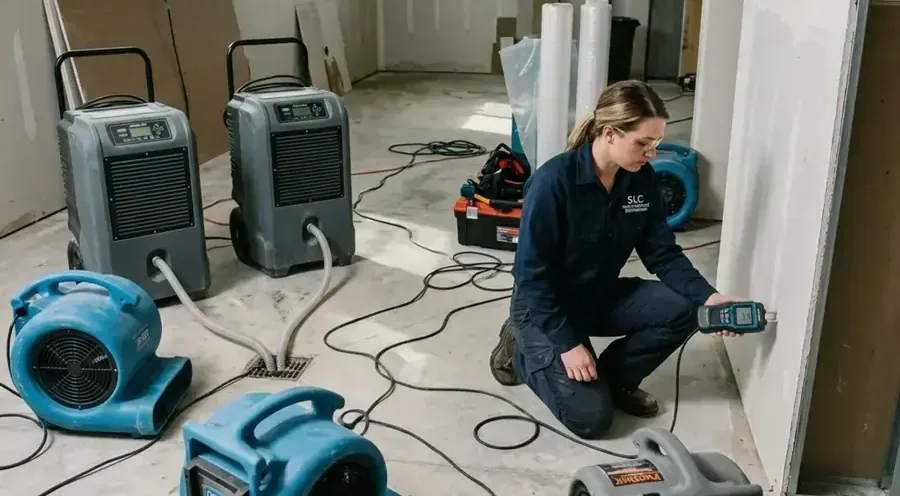
Equipment placement supports the affected floor and wall materials. Cabinet cavities receive specific attention where enclosed spaces restrict evaporation from otherwise recoverable panels or supporting layers.
- 4
Verify the installation handoff
The repair status, moisture condition and remaining access needs are recorded. Appliance return and finish replacement can then be coordinated around the actual readiness of the building materials.
Appliance water often escapes beneath the unit before reaching open floor space. A Van Alstyne kitchen or laundry assessment should include that concealed footprint, the connection area and nearby cabinet bases. The visible puddle can be removed quickly while water remains trapped under a continuous floor covering.
Use the operating pattern to focus inspection
Details about when water appears can help the equipment professional distinguish a supply connection from a drain or appliance fault. The cleanup crew then follows the released water into surrounding materials. Occupants should stop using the affected equipment and avoid touching wet controls until safe isolation is arranged.
Partin Elementary School, Sanford Elementary School and Grayson College are community landmarks in the city. For an individual property assessment, useful access details are the room location, appliance position and whether cabinets restrict movement. Heavy equipment should be moved by appropriate help without straining connected plumbing or damaging the wet floor.
- Cabinet toe spaces can conceal pooling even after the open kitchen floor has been wiped.
- Water under a washer may reach wall bases behind storage or an adjoining partition.
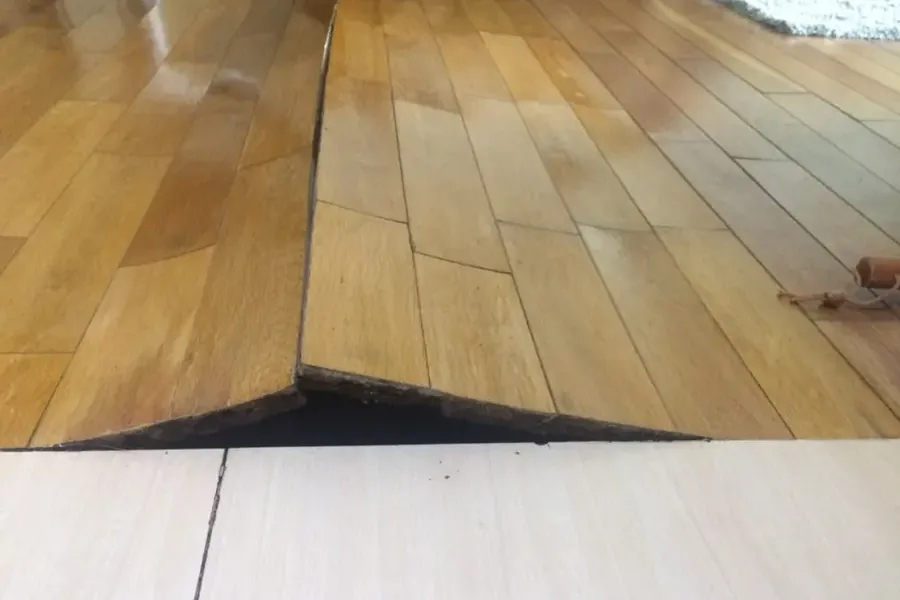
- Swollen cabinet edges and loose flooring deserve condition checks before cosmetic repairs are planned.
Expose the places a surface wipe cannot reach
Access behind an appliance may reveal a different wet boundary from the one visible in the room. Photographs and readings at that stage help explain any added removal or drying work. A damaged panel, toe kick or underlayment should be assessed individually instead of treating the whole installation as one uniform material.
The hardwood floor page explains moisture checks where wood finishes are affected. Structural drying addresses retained wall and cabinet area materials once the source is corrected and accessible liquid has been removed.
Check the installation area before normal use
The equipment professional should establish that the repaired appliance or connection operates appropriately. Restoration measurements then address the floor and cabinets around it. Reinstalling a unit over damp layers can conceal unfinished cleanup, so the handoff should identify the condition of those surfaces and any remaining access needed for drying.
- Retain the equipment repair findings with the room photos and moisture records.
- Keep drying access clear until concealed floor and cabinet areas meet the planned endpoint.
- Separate replacement cabinetry from cleaning and drying charges in the written scope.
Van Alstyne appliance leak water damage response
Van Alstyne appliance cleanup planning starts with the room, equipment type and accessible connections. The property location and cabinet arrangement help explain the access needed to inspect concealed surrounding materials.
The same service nearby: appliance leak water damage in Anna, Howe, Sherman.
Water damage restoration in Van Alstyne · every town coveredRelated water damage services in Van Alstyne
Appliance Leak Water Damage questions
1Why is water showing at the cabinet edge?
Water from an appliance can collect underneath fixed cabinets and emerge at a low edge. Inspecting the hidden footprint helps determine how far it traveled before becoming visible.
2Should the appliance be run to find the leak?
Repeating operation can add water to concealed materials. The appliance should remain unused until the appropriate professional can diagnose the fault and arrange controlled testing or repair.
3Can swollen cabinetry simply be dried?
Some panels lose their shape or integrity after wetting. Condition and material type determine whether drying is useful or replacement is needed, especially at concealed cabinet bases.
4Does a repaired hose finish the cleanup?
It stops that source but leaves absorbed moisture in nearby layers. The floor, wall base and cabinet area still need checks before the appliance is returned to normal use.
5Why lift a floor edge beside the unit?
An edge may provide access to wet underlayment or reveal water below the finish. The reason for opening it should be explained in the assessment and documented with findings.
6What if the leak reached another room?
Continuous flooring or a shared partition can carry water beyond the appliance room. The scope should follow readings into connected areas and include the materials reached by that spread.
Check beneath the corrected appliance
Assessment of the footprint and cabinet edges helps define what remains wet before equipment and surrounding finishes return to normal use.