Storm Flood Cleanup in Van Alstyne
Water entering from outdoors brings a different cleanup problem from a clean supply spill. Safe access, sediment removal and contamination decisions come before drying the building materials that can remain in place.
(888) 527-9134Discuss outside water entry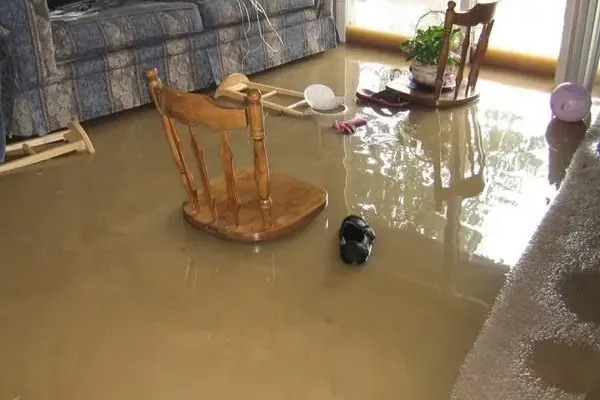
First steps for storm flood cleanup
- 1Wait for safe entry conditions
Occupants should remain outside rooms with electrical exposure, unstable finishes or unsafe access. The return route needs assessment before belongings are retrieved or cleanup begins.
- 2Describe the outside entry
Identify visible door, wall or other entry points from a safe position. Note whether water continues arriving and which areas remain cut off from access.
- 3Separate affected belongings
Keep exposed items out of clean living areas. Photographs and an item list can preserve the initial condition while appropriate handling and disposal decisions are arranged.
- 4Report drainage concerns appropriately
Public drainage concerns can be raised with the responsible city department. Interior cleanup still needs an assessment of the rooms, finishes and contents reached by the water.
What does storm flood cleanup cost in Van Alstyne, TX?
Storm flood cleanup in Van Alstyne depends on contamination, sediment and the assemblies exposed. Material removal and cleaning needs can outweigh the visible water depth, so estimates should describe both exposure and retained structure drying.
- Contained sediment cleanup
- Accessible wet surfaces
- Limited porous removal
- Connected contaminated areas
- Additional material handling
- Multiple drying zones
- Broad finish removal
- Complex surface cleaning
- Concealed assembly moisture
Planning ranges depend on water category, affected square footage, material class and how quickly drying starts. The water damage cost calculator compares scope assumptions; the property inspection sets the work required.
How storm flood cleanup proceeds
- 1
Establish exposure and access
The crew assesses entry conditions, contamination and the wet boundary. Protective measures and the route for removing water and damaged materials are planned before work advances.
- 2
Remove water and deposited soil
Extraction handles accessible liquid, followed by attention to sediment and residue. Porous materials are assessed for removal so contamination is not concealed behind retained finishes.
- 3
Clean the remaining assemblies
Accessible surfaces receive treatment appropriate to the exposure and material. The scope records what remains and any obstructed pockets that require additional access before drying.
- 4
Monitor the retained structure
Equipment controls evaporation and humidity in the prepared area. Repeated readings establish the response of framing and other retained materials before the replacement work is scheduled.
A muddy footprint across a doorway is a reminder that outside water carries more than moisture. In Van Alstyne, a storm related room loss needs assessment of where water entered, what it contacted and whether entry is still active. The cleanup scope should follow that exposure through the building rather than stop at the highest visible mark.
Separate drainage concerns from room cleanup
Engineering Services oversees the design and construction of drainage infrastructure. A public drainage concern can require attention alongside work inside the property. The interior response still needs its own decisions about electrical hazards, wet contents, sediment and damaged finishes. Correcting entry and cleaning affected rooms are connected tasks with different scopes.
US 75, FM 121 and SH 5 are useful references for the property location. Access information should also identify water near doors, blocked entrances and any route that remains dry. Occupants should not cross moving water or enter a wet room with unresolved electrical or structural hazards to gather photos.
- Outside water can leave fine sediment in floor joints and along the base of partitions.
- Wet porous materials may need removal when contamination prevents practical cleaning and retention.
- Contents handling should keep affected items from spreading residue into dry rooms or storage.
Choose what can be cleaned before adding airflow
Extraction removes liquid but leaves deposited soil and wet building layers behind. The crew needs to assess accessible hard surfaces, insulation, wallboard and floor coverings individually. Cleaning methods and protective controls should suit the exposure. Starting ordinary fans before contamination is assessed can interfere with controlled handling of affected areas.
The water extraction page explains bulk removal, while sewage backup cleanup addresses a wastewater source when one is identified. A storm cleanup plan should state the actual source conditions and affected materials so the owner understands why some finishes can remain and others cannot.
- Document water marks and deposited residue before removal changes their appearance.
- Inspect covered edges where sediment or moisture may remain beneath otherwise intact finishes.
- Separate discarded materials from contents awaiting a condition or cleaning decision.
Dry the retained structure after cleaning
Once the affected area has suitable cleaning and removal work, drying can focus on the remaining framing and other recoverable assemblies. The crew should establish measurement points and compare progress over follow up visits. A cleared floor does not by itself show whether the lower wall cavity or subfloor has released its absorbed moisture.
Reconstruction planning should account for the entry correction, cleaned surfaces and drying endpoint. Records of removed materials and exposed assemblies define replacement needs for each room according to its water exposure and condition. The final work should fit the actual path of outside water through the individual property.
Van Alstyne storm flood cleanup response
Storm cleanup assessment in Van Alstyne considers the individual property entry route, affected rooms and safe access. Major corridor references help identify the location without replacing the building condition assessment.
The same service nearby: storm flood cleanup in Anna, Howe, Sherman.
Water damage restoration in Van Alstyne · every town coveredRelated water damage services in Van Alstyne
Storm Flood Cleanup questions
1Is clear looking storm water safe indoors?
Appearance does not identify everything the water contacted outside. The assessment should consider its source and path before selecting protective measures, cleaning methods or materials suitable for retention.
2Can carpet remain after outside water enters?
The contamination and condition of carpet, cushioning and the floor underneath determine the decision. Removing affected porous layers may be necessary to reach surfaces that require cleaning and drying.
3Should household fans run immediately?
Airflow should follow the contamination assessment and appropriate cleaning decisions. Moving air through dirty wet materials can complicate containment and spread residue beyond the original affected area.
4Who addresses public drainage infrastructure?
Engineering Services oversees drainage infrastructure design and construction. A concern involving that system can be reported separately from the extraction, cleaning and drying needed inside the affected property.
5Why inspect walls above the visible pool?
Porous finishes can absorb water above floor level, and concealed cavities may retain it. Readings and condition checks establish the removal and drying boundary more accurately than the puddle alone.
6Does the cleanup estimate include rebuilding?
The estimate should say which services it covers. Extraction, cleaning, material removal and drying may be separated from replacement flooring, wall finishes and work to correct the entry route.
Match the cleanup to the water path
A property assessment can define extraction, contaminated material handling and drying needs across the rooms that outside water reached.