Slab Leak Water Damage in Van Alstyne
An unexplained damp floor needs more than repeated wiping. When plumbing beneath concrete is involved, source diagnosis and measurements through the floor assembly help determine what needs opening, removal and controlled drying.
(888) 527-9134Discuss moisture beneath the floor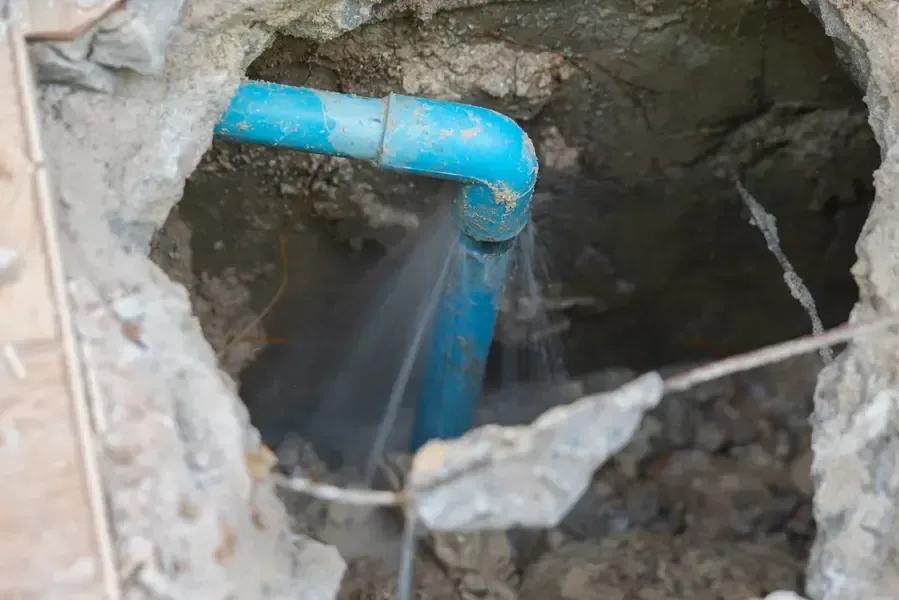
First steps for slab leak water damage
- 1Describe changes at floor level
Note loose edges, darkened joints and damp baseboards, including when each appeared. These observations help focus the inspection while the plumbing source is investigated separately.
- 2Arrange safe source isolation
A plumbing professional can determine the appropriate shutoff and diagnosis. Occupants should avoid opening concrete or pulling fixed fixtures without a clear access and safety plan.
- 3Protect nearby movable items
Remove dry belongings from the edge of the affected area when the route is safe. Heavy furniture may need coordinated moving to avoid further finish damage.
- 4Preserve a room record
Photograph flooring changes and identify adjoining rooms with similar symptoms. Keep repair records so the source correction can be connected with the subsequent moisture cleanup scope.
What does slab leak water damage cost in Van Alstyne, TX?
Slab leak cleanup costs in Van Alstyne depend on how many floor layers are affected and whether moisture reaches nearby partitions. Plumbing investigation and source repair should be distinguished from extraction, drying and replacement finishes.
- Limited affected covering
- Accessible floor edges
- Simple material monitoring
- Underlayment access needs
- Adjoining wall moisture
- Targeted equipment placement
- Broad floor removal
- Fixed cabinet obstacles
- Complex substrate drying
Planning ranges depend on water category, affected square footage, material class and how quickly drying starts. The water damage cost calculator compares scope assumptions; the property inspection sets the work required.
How slab leak water damage proceeds
- 1
Establish the wet boundary
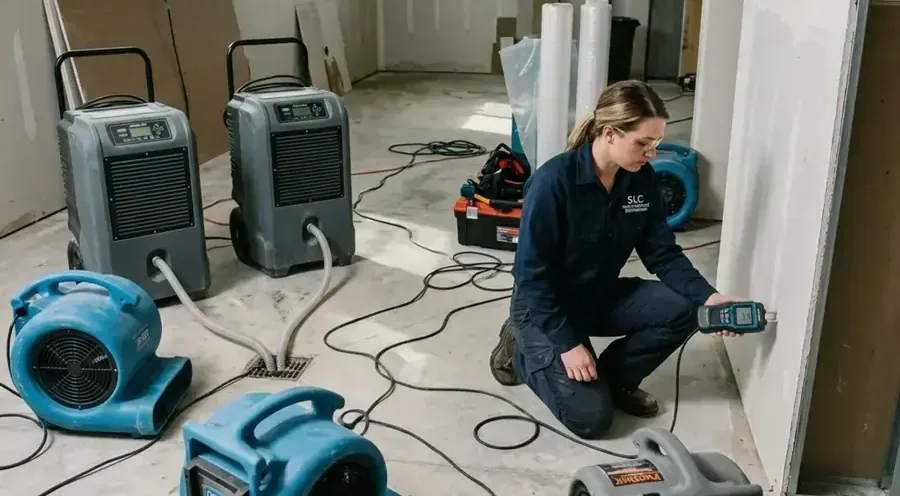
Readings trace moisture across the floor and into nearby wall bases. Different coverings and inaccessible areas are marked so the assessment accounts for each assembly.
- 2
Coordinate necessary openings
The cleanup plan follows plumbing access and identifies additional wet layers that need exposure. Removal decisions consider condition, contamination and the ability to dry retained materials.
- 3
Manage absorbed moisture
Extraction addresses accessible liquid before drying equipment handles evaporation. Equipment selection reflects the exposed floor system and humidity conditions within the affected room or connected space.
- 4
Document readiness for finishes
Follow up measurements establish how the substrate and retained materials are progressing. Replacement planning uses that condition record together with the requirements of the proposed flooring system.
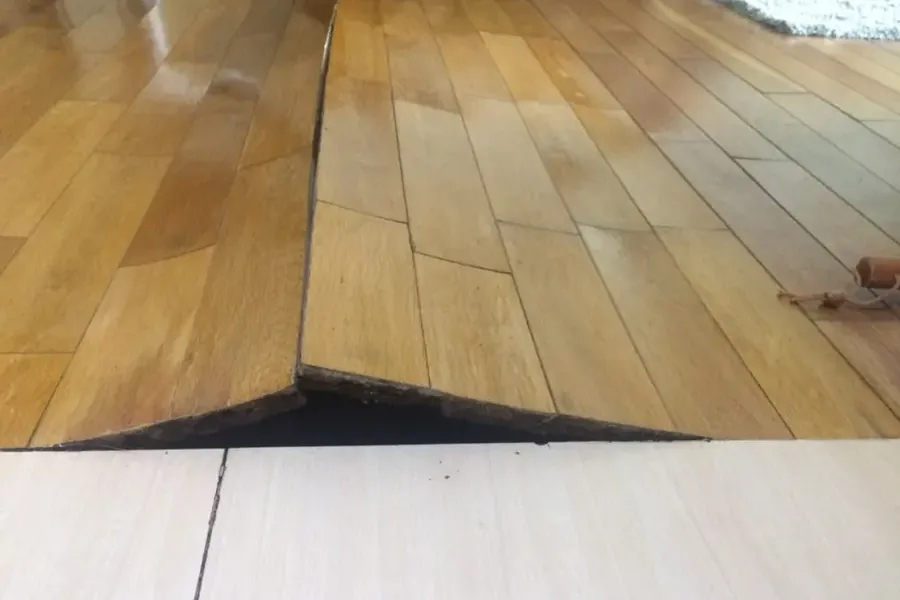
A darkened floor joint, loose covering or damp baseboard can be the first visible sign of water below a finished surface. In Van Alstyne, a suspected slab leak needs plumbing investigation together with an assessment of the materials above the concrete. The wet area may extend past the point opened for pipe repair.
Locate the property, then locate the moisture
FM 121 crosses the city east to west, while SH 5 runs north to south. US 75 provides another useful corridor reference. Once access is arranged, room measurements matter more than the road name: the inspection follows floor transitions, fixed cabinets and adjoining partitions to establish where water has accumulated.
- A damp edge beside a cabinet may conceal wet backing or adhesive beneath the visible surface.
- Floor coverings with tight seams can slow evaporation from the concrete and layers underneath.
- Wall base readings can reveal upward moisture movement from an affected floor assembly.
Coordinate access with the pipe repair
The plumbing professional determines how to locate and correct the source. Cleanup work then addresses exposed water and moisture trapped beyond that repair area. An opening made to reach the pipe may leave adjacent floor layers untouched, so the restoration plan should identify which additional checks or access points are necessary.
For wood finishes, hardwood moisture assessment considers both the boards and their support. Other coverings need their own condition checks. Lifting damaged material can reveal the extent of wet underlayment, while sound retained surfaces require a practical route for moisture to escape.
- Record the condition of each removed layer so replacement needs remain understandable.
- Keep extraction and drying charges separate from plumbing access and pipe correction allowances.
- Compare measurements at affected edges with suitable dry reference areas inside the building.
Let the assembly determine readiness
After liquid removal, structural drying manages the moisture remaining in accessible materials. Airflow alone cannot solve every covered floor problem. The crew may need to adjust access, humidity control or the equipment arrangement as measurements show how the retained layers respond.
New flooring should follow appropriate material and installation requirements. A surface that looks lighter or feels cooler is not a complete readiness test. The documented endpoint should address the substrate and adjoining wall bases so repairs do not conceal a continuing moisture problem.
Van Alstyne slab leak water damage response
Van Alstyne floor moisture assessments begin with the affected rooms, covering types and plumbing findings. ZIP 75495 and the nearest corridor help clarify the property location and access.
The same service nearby: slab leak water damage in Anna, Howe, Sherman.
Water damage restoration in Van Alstyne · every town coveredRelated water damage services in Van Alstyne
Slab Leak Water Damage questions
1Can a slab leak wet a nearby wall?
Water can reach a wall base through adjoining floor materials. The assessment should include those lower edges instead of limiting measurements to the most obvious patch on the floor.
2Is warm flooring enough to diagnose the leak?
A change in floor temperature can prompt investigation, but plumbing diagnosis identifies the source. Moisture readings then establish the affected building layers and the restoration scope required after correction.
3Will the entire floor need removal?
The answer depends on the covering, adhesion, damage and access to wet layers. Selective removal can be appropriate when the remaining assembly can dry and retain its intended condition.
4What happens after the concrete opening is closed?
Nearby coverings and wall bases still need moisture assessment. The drying assessment must include each material reached by the leak, including layers beyond the closed plumbing access point.
5Can new flooring be installed right away?
Installation should wait for suitable substrate conditions and the flooring system requirements. Moisture records help identify readiness instead of using elapsed equipment time or appearance as the deciding factor.
6Does cleanup include finding the broken pipe?
Plumbing diagnosis and repair should be clearly assigned in the scope. Restoration work focuses on the released water, affected finishes and drying needs, with coordination between the responsible trades.
Plan access before covering the wet layers
A useful slab leak assessment separates pipe correction from the floor drying work and records which materials are ready for replacement.