Structural Drying in Howe
A room can look ready for repairs while its framing remains wet. Structural drying turns material measurements into an access and equipment plan, then checks the response before the assembly is closed.
(888) 527-9134Discuss moisture inside the structure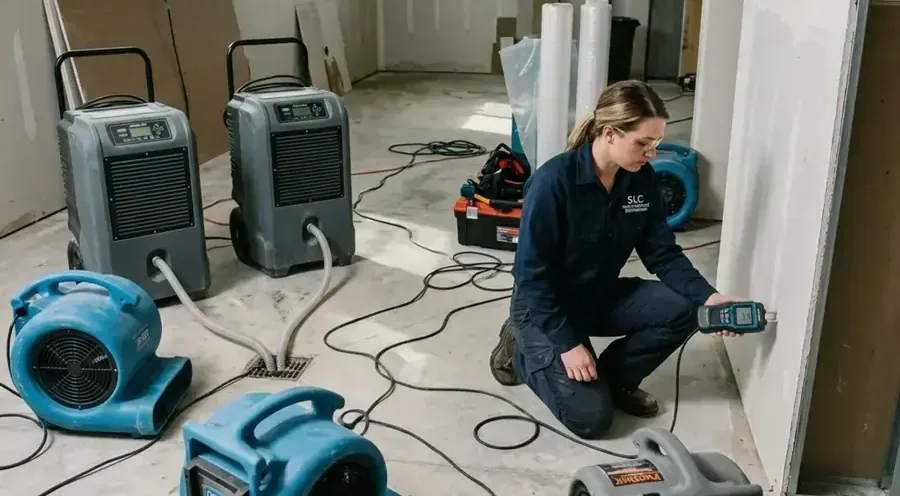
First steps for structural drying
- 1Confirm the source has stopped
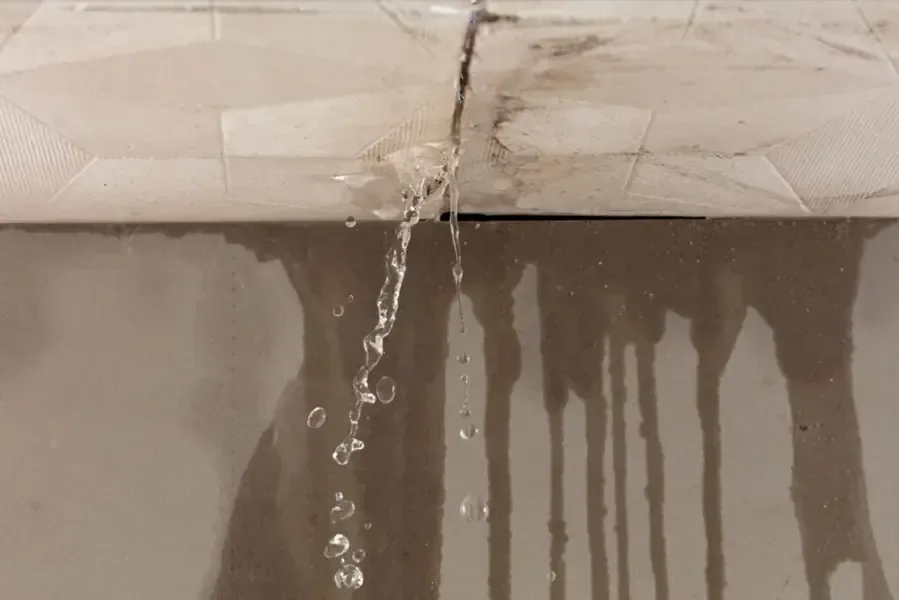
A continuing release can defeat an otherwise suitable drying arrangement. The source correction should be established before the remaining building moisture is treated as a contained problem.
- 2Preserve access to wet materials
Contents can be organized along dry routes so wall bases, floor transitions and openings stay reachable. Equipment needs a workable path without obstructing necessary movement through occupied rooms.
- 3Describe concealed areas of concern
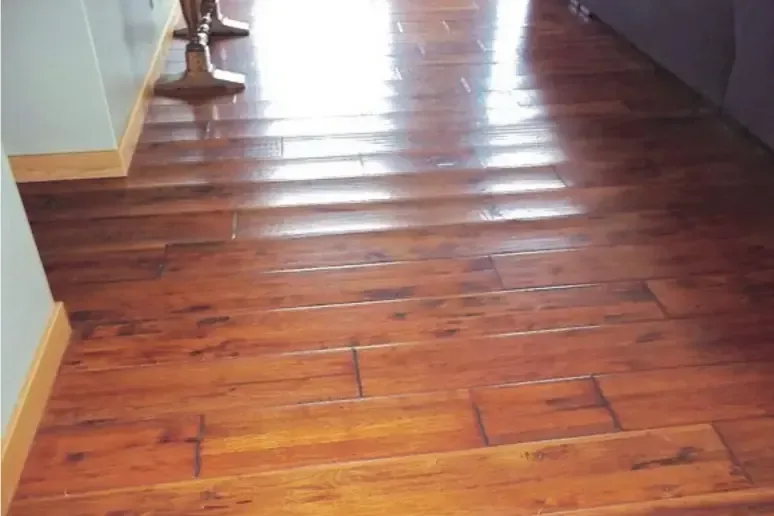
Notes about damp closets, stained ceilings or soft flooring help direct the inspection. Even small visible changes may point to an assembly that requires measurements or selective access.
- 4Keep equipment changes coordinated
Moving or switching equipment can change drying conditions. Questions about noise, room use or access should be discussed so the arrangement can be adjusted while preserving its intended function.
What does structural drying cost in Howe, TX?
Structural drying costs in Howe reflect the materials, access and size of the wet assembly. Concealed cavities or several connected layers can require more preparation and equipment adjustment than an open, easily reached surface.
- Exposed wet surfaces
- Simple equipment access
- Straightforward progress checks
- Connected material layers
- Multiple measurement locations
- Adjusted airflow positions
- Restricted cavity access
- Additional selective openings
- Difficult drying response
Planning ranges depend on water category, affected square footage, material class and how quickly drying starts. The water damage cost calculator compares scope assumptions; the property inspection sets the work required.
How structural drying proceeds
- 1
Establish initial material readings
The wet boundary is mapped with readings from affected materials and suitable references. This record identifies what the plan is intended to dry and where access is limited.
- 2
Expose and arrange the drying area
Necessary openings and material removal allow equipment to reach the wet assembly. Air movement and dehumidification are selected around the surfaces that remain and their access conditions.
- 3
Compare progress at the same locations
Follow up checks show changes in material response. Stalled areas receive additional assessment for restricted evaporation, missed wet layers or a source that still needs attention.
- 4
Document the condition before closure
The final moisture record identifies treated materials and any remaining repair needs. That information supports the transition to reconstruction without relying only on a dry looking surface.
Structural drying in Howe begins after the immediate water problem has been brought under control. The question then becomes which parts of the building still hold moisture and how that moisture can leave. Framing, wallboard and floor layers need assessment as connected materials rather than as separate visible stains.
Make a map that equipment can follow
Moisture measurements identify the affected boundary and provide a basis for later comparisons. Nearby dry references help interpret changes in the same type of material. An inspection should also note coverings, insulation and fixed contents that restrict evaporation, because a wet surface cannot respond to room airflow if it remains sealed behind an intact finish.
- Identify concealed pockets beside cabinets, at wall bases and below floor transitions.
- Record the materials being measured so later readings describe the same assembly.
- Establish safe equipment placement that preserves access to occupied portions of the building.
Use openings to solve access problems
Howe is located at U.S. Highway 75, State Highway 5 and Farm Road 902. Once equipment reaches the property, the interior layout determines its useful placement. A closet, ceiling cavity or layered floor can need a different access plan from exposed framing in an open room, regardless of the road serving the building.
Selective removal can be necessary when a damaged covering blocks a wet layer. The purpose of each opening should be explained in the scope. Ceiling leak damage, for example, can require insulation access above the room, while floor moisture may need a path beneath the exposed surface.
Adjust the plan when readings stall
Drying equipment creates conditions for evaporation and moisture removal. Readings show which affected materials are responding to the equipment arrangement. Repeated measurements can reveal a pocket with poor access, an overlooked source or a layer that needs a different approach. Adjustments should follow those findings rather than a fixed equipment schedule.
For a continuing underfloor release, slab leak assessment keeps source investigation connected to material recovery. Before reconstruction, the final record should identify treated areas, remaining repairs and the measured condition of materials that will be concealed. That documentation gives the owner a clear basis for the next building work.
Howe structural drying response
Structural drying serves Howe properties in ZIP 75459, with equipment and access decisions based on the measured moisture pattern and the actual assembly present inside the building.
The same service nearby: structural drying in Anna, Van Alstyne, Sherman.
Water damage restoration in Howe · every town coveredRelated water damage services in Howe
Structural Drying questions
1What makes structural drying different from water removal?
Extraction removes accessible liquid. Structural drying addresses moisture retained within materials such as framing, wallboard and floor layers after the visible pool and continuing source have been addressed.
2Why are reference readings useful?
A suitable dry area helps interpret moisture in comparable material. Readings are more meaningful when the assessment considers material type and location instead of treating every surface alike.
3Can equipment dry a completely closed cavity?
Restricted access can limit evaporation from concealed materials. The assessment determines whether an opening or removal is needed so the wet layer can be reached and its response measured.
4Does more equipment always improve the result?
Placement, access and the condition of the materials matter. Adding equipment without addressing a sealed wet layer may leave the underlying access problem unresolved despite more air movement.
5What happens when moisture readings stop changing?
The area needs another assessment. Restricted airflow, overlooked layers or continued water entry can require a changed opening or equipment arrangement before useful drying progress resumes.
6How is completion communicated to the owner?
The record should describe treated areas, material readings and remaining repairs. It explains the condition of the assembly before equipment removal or reconstruction covers the surfaces again.
Measure progress before closing the room
A drying plan should explain its access needs and show how the remaining materials respond before finish repairs cover them.